
Selecting the right XXL diaper pants for an active toddler is a critical decision for parents navigating the challenges of potty training, active play, and tropical humidity. As toddlers grow, their physical coordination increases, leading to constant running, climbing, and stretching. This high level of activity requires a diaper that moves with them while securely containing wetness. Among the popular choices available in local supermarkets and online marketplaces, Pampers, Huggies, and Equator represent different tiers of design, price, and performance.
There is no single diaper that works perfectly for every child. The ideal choice depends on your toddler’s specific body shape, skin sensitivity, and your family’s daily routine. While premium brands like Pampers and Huggies offer advanced wetness-distribution technologies and specialized cuts, budget-friendly alternatives like Equator provide a practical option for frequent daytime changes. By understanding how to evaluate fit, absorbency, and material breathability, you can select the most comfortable and cost-effective diaper pants for your household.
Verifying the Right Size and Fit for Your Toddler
Transitioning to XXL diaper pants usually occurs when a toddler reaches a specific weight threshold, typically starting around 15 kilograms, though this varies by manufacturer. Before purchasing, always check the weight guidelines printed on the side of the packaging. These ranges are estimates, and a toddler’s unique body shape—such as chubby thighs or a round belly—can significantly affect how a diaper fits.
Products mentioned in this guide
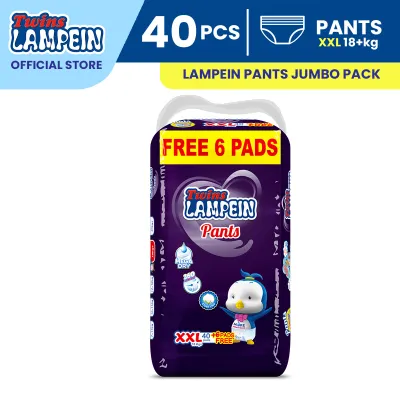

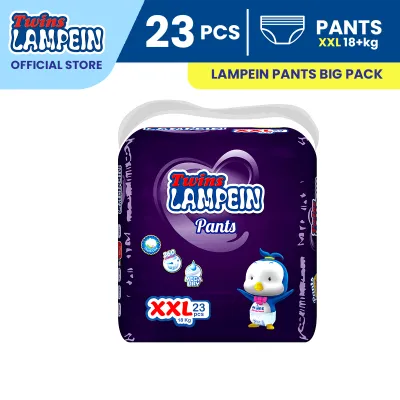
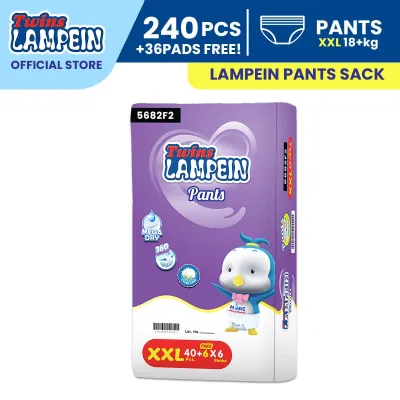
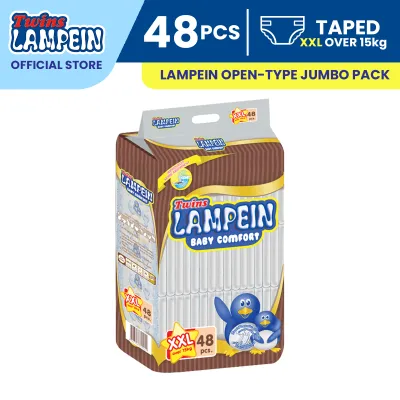
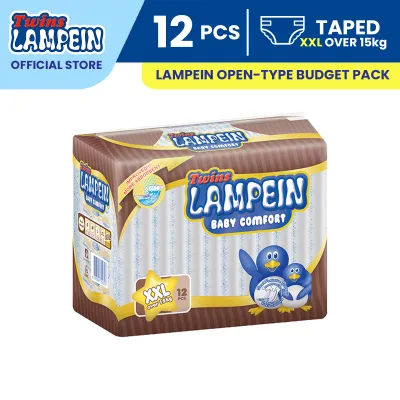
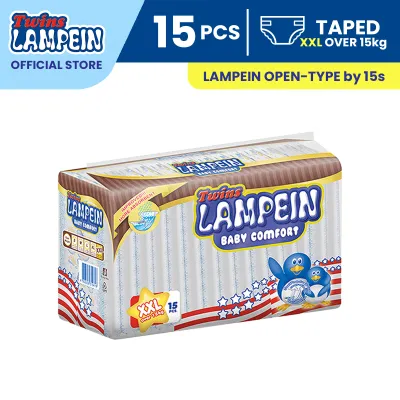
Prices are valid at publication and may change. Please refer to the product page for the latest price.
To determine if your current brand or size is correct, observe your toddler’s skin and movement during and after use. Red elastic marks around the thighs, waist, or hips indicate that the diaper is too tight and is restricting circulation or chafing the skin. To check the waist elastic, insert two fingers between the waistband and your toddler’s skin; if it feels tight against your fingers, the diaper is too small. Conversely, a diaper that sags excessively in the crotch even when dry, or shows visible gaps around the leg cuffs, is too loose. These gaps are the primary cause of leaks, especially when your toddler is crawling or sitting.
When comparing the physical cuts of Pampers, Huggies, and Equator, pay close attention to the waistband and leg opening designs. Some brands feature a narrower, more contoured crotch area that allows for easier leg movement, which is highly beneficial for slender, highly active toddlers. Other brands offer a wider, fuller cut that provides more coverage for rounder babies. Gently stretch the waistband of a new diaper with your hands before putting it on; it should feel highly elastic and soft, returning to its original shape without feeling stiff or plastic-like.
Assessing Absorbency and Leak Protection
A diaper’s primary job is to lock away wetness quickly to keep your toddler’s skin dry and prevent leaks. When evaluating diaper pants, look at the packaging to identify the core technologies used. Premium options often feature specialized absorbent channels or gel-based cores designed to distribute liquid evenly across the diaper, preventing it from pooling in one heavy lump. Many brands also include a wetness indicator—a vertical line on the outside of the diaper that changes color when wet—which helps caregivers monitor when a change is needed without tearing the sides.

Beyond the core, the structural design of the leak guards and leg cuffs plays a vital role in containment. High-quality diaper pants feature double-layered elastic leg cuffs that stand upright to catch sudden rushes of liquid. The waistband must also have a secure, snug seal at the back to prevent messy blowouts during active play or when your toddler is lying down.
To monitor real-world performance, track how long a diaper lasts during different activities. For daytime use, a standard diaper pants option should comfortably handle three to four hours of active play. For overnight use, however, you need a diaper with a higher absorbency capacity that can lock away multiple wettings over ten to twelve hours. If you notice frequent leaks during naps or nighttime sleep, it may indicate that the diaper’s absorbency limit has been reached, requiring a switch to a more heavy-duty overnight option or a larger size.
Evaluating Comfort, Breathability, and Skin Health
In warm, humid tropical climates, keeping a toddler’s skin dry and cool is essential for preventing diaper rash and heat rash. When selecting XXL diaper pants, review the material claims on the packaging. Look for features such as breathable outer sheets that allow hot air to escape, hypoallergenic materials, and inner liners infused with mild lotions to protect the skin barrier.
Caregivers must regularly inspect the toddler’s skin during diaper changes. Look for signs of redness, chafing along the seams, or small red bumps that indicate diaper rash. If your toddler frequently develops skin irritation despite regular changes, the diaper’s materials may not be compatible with their skin. In such cases, stop using the brand immediately and consult a pediatrician or dermatologist for guidance.
The physical flexibility of the diaper also impacts your toddler’s comfort. Stiff, bulky materials can restrict natural movement and cause friction against the inner thighs. High-quality diaper pants should feel soft and cloth-like to the touch, flexing easily as your toddler bends, jumps, and runs. Additionally, quieter materials that do not make a loud rustling sound during movement generally indicate a softer, more fabric-like construction.
Decision Framework: Which Brand Should You Choose?
To make the best purchasing decision for your household, consider your toddler’s physical profile, skin sensitivity, and your daily budget.
Choose Pampers if your toddler has a leaner build and benefits from a highly contoured, snug fit. This brand is suitable if you prioritize advanced wetness-distribution channels that keep the diaper thin even when wet, and if your child’s skin responds well to lotion-infused inner liners.
Choose Huggies if your toddler has a rounder build and requires a wider cut with highly elastic, cloud-soft waistbands. This option is ideal if you need reinforced, double-layered leak guards to prevent blowouts during active daytime play or long overnight stretches.
Choose Equator if you are looking for a highly cost-effective option for daytime use. This brand is excellent for frequent, routine changes when your toddler is awake, allowing you to maintain hygiene and freshness without the higher cost per piece of premium brands.
Before committing to a bulk purchase of any brand, always buy a small trial pack first. Carefully check the ingredient and material labels on the packaging to verify that the diaper does not contain any fragrances or materials that could trigger allergies or skin sensitivities in your child.
Frequently Asked Questions (FAQ)
When is the right time to switch from taped diapers to diaper pants?
The transition to diaper pants is typically driven by your toddler’s developmental milestones. When your child begins standing up, crawling, or walking, keeping them still for a taped diaper change becomes increasingly difficult. Diaper pants allow you to slip the diaper on quickly while they are standing. Additionally, if your toddler has outgrown the maximum size of taped diapers or has learned to pull off the adhesive tapes themselves, it is time to switch to pull-up style pants.
How can I prevent leaks at night with XXL diaper pants?
To minimize overnight leaks, ensure the diaper pants are pulled up fully, with the waistband sitting flat against your toddler’s stomach and back. Run your finger along the inner leg cuffs to make sure they are flared outward rather than tucked inward. If leaks persist, check if the diaper is saturated, which suggests you may need to adjust your toddler’s fluid intake right before bedtime or transition to a diaper specifically designed for overnight use.

Community discussion
Share your experience or ask a question. Comments are reviewed before publication.