
Finding the right dry and secure diaper pants for your baby depends on their unique body shape, skin sensitivity, and your household budget. While Pampers, Huggies, and Equator are popular choices in the Philippines, there is no single “best” brand for every child. Pampers often focuses on slim-fit and fast-absorbing cores, Huggies typically emphasizes snug waistbands and leak guards, and Equator positions itself as a budget-friendly alternative. Additionally, options like baby sec diaper pants offer another avenue for parents seeking reliable, everyday utility without a premium price tag. This guide will help you compare their specifications, evaluate real-world fit, and calculate the true cost per piece so you can make an informed decision based on your baby’s actual needs rather than marketing claims.
Understanding Brand Focus and Packaging Specs
Each diaper brand approaches baby comfort and leak protection with a distinct design philosophy. Premium brands like Pampers generally prioritize a slim-profile, channel-based absorption core designed to distribute wetness evenly and reduce bulkiness between the baby’s legs. This lightweight design is often favored for active babies who need maximum freedom of movement. Huggies, on the other hand, typically features a more robust, structured build with highly elastic waistbands and reinforced leg cuffs, aiming to provide a secure fit that stays in place during vigorous play.
Value-focused brands like Equator and baby sec diaper pants focus on straightforward, high-volume utility. They prioritize essential absorption layers and basic containment features without the added design flourishes or proprietary technologies of premium brands. This makes them highly practical options for families who prioritize frequent changes and budget management over specialized features.
Products mentioned in this guide
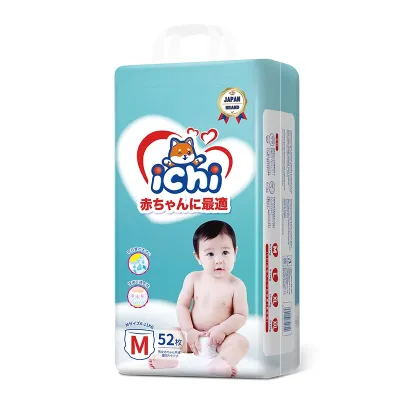
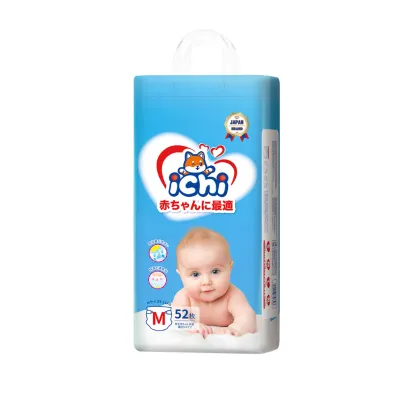
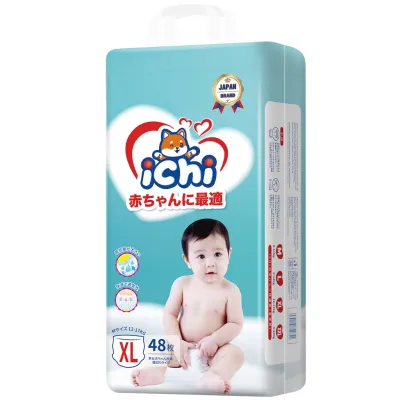
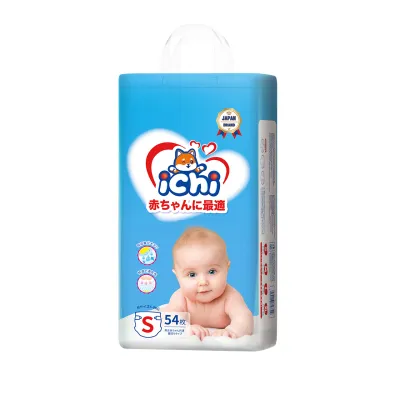
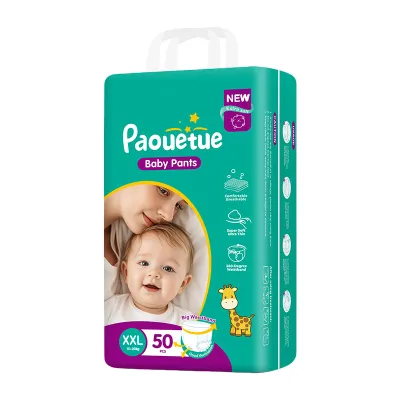
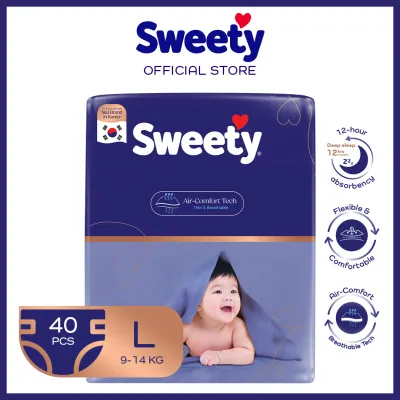
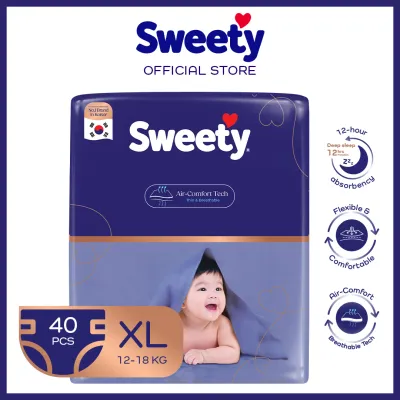
Prices are valid at publication and may change. Please refer to the product page for the latest price.
When selecting diaper pants, the size and weight charts printed on the packaging serve as your primary guide, but they require careful interpretation. Weight ranges often overlap significantly between sizes (for example, Medium might cover 6 to 11 kilograms, while Large covers 9 to 14 kilograms). Because babies have different body shapes—some have rounder bellies, while others have chunkier thighs—two babies of the exact same weight may require different sizes. Always verify the manufacturer’s recommended weight range and age guidelines on the packaging, and use them as a starting point rather than an absolute rule.
Environmental factors in the Philippines, such as high humidity and tropical heat, can affect diaper materials over time. Elastics can lose their stretch, and adhesive tapes can degrade if stored improperly or kept past their shelf life. Before purchasing, locate the manufacturing date and expiry period printed on the pack to ensure material integrity. It is generally advisable to buy packs that have been produced recently and to store them in a cool, dry place away from direct sunlight.
Evaluating Absorbency and Leak Guards
Evaluating absorbency requires looking beyond marketing claims to inspect the physical features of the diaper pants. Many modern diaper pants feature a color-changing wetness indicator on the outer shell. This indicator typically shifts from yellow to blue or green as moisture accumulates inside the core. While this is a helpful visual cue, parents should not rely solely on it; physical checks of the diaper’s weight and sag are equally important to prevent leaks.

When opening a new pack of Pampers, Huggies, Equator, or baby sec diaper pants, run your fingers along the inner lining and the double-layered leak guards. The inner lining should feel soft to the touch to minimize friction against delicate skin. The leak guards—the elasticized barriers running along the leg openings—should stand upright and feel flexible rather than stiff or plastic-like. These barriers are crucial for containing sudden liquid messes before they can escape onto clothing.
Real-world monitoring is the most reliable way to assess how well a diaper’s core performs. Observe how the diaper behaves after two to three hours of wear. A well-designed core should lock moisture away, leaving the inner surface relatively dry to the touch when checked during a change. If you notice immediate sagging, clumping of the absorbent material, or surface dampness, it may indicate that the core is saturated or that the specific brand’s absorption speed does not match your baby’s urination volume.
Checking Fit, Elasticity, and Skin Compatibility
Diaper pants rely entirely on their elastic waistbands to stay secure, making elasticity a critical factor for comfort. Gently stretch the waistband of the diaper pants before putting them on your baby. It should expand easily and retract smoothly without requiring excessive force. Check the leg cuffs as well; they must hug the thighs snugly but gently to prevent leaks without cutting into the skin or restricting circulation.
Skin compatibility is another vital consideration, especially in warm climates where sweat and moisture can easily lead to irritation. Turn the packaging over to inspect the materials list. Look for terms like “fragrance-free,” “elemental chlorine-free,” or “hypoallergenic.” Some brands incorporate botanical lotions or aloe vera extracts into the top sheet. If your baby has highly sensitive skin, unfragranced options are generally safer to minimize the risk of contact dermatitis.
Pay close attention to your baby’s skin during diaper changes for observable signs of a poor fit. Deep red creases around the waist or thighs indicate that the elastic is too tight, signaling a need to size up immediately. Conversely, frequent blowouts at the back or gaping holes around the legs suggest the diaper is either too large or poorly suited to your baby’s specific body shape. Excessive bunching in the crotch area can also restrict movement and cause painful chafing.
Calculating Price Per Piece and Shopping Smart
To manage your household budget effectively, you must calculate the true cost of each brand rather than comparing total pack prices. Divide the total cost of the package by the number of diaper pants inside to find the price per piece (₱). For example, a pack costing ₱500 containing 50 pieces results in a unit price of ₱10 per piece. This calculation allows you to compare a jumbo pack of Equator or baby sec diaper pants directly against a standard pack of Pampers or Huggies.
To ensure you are receiving genuine products with intact materials, purchase diapers from official brand stores on major online marketplaces or established local supermarket chains. Counterfeit or improperly stored diapers may have compromised elastics or reduced absorbency. Buying from authorized sellers also ensures that you are protected by the manufacturer’s quality guarantees.
Take advantage of monthly online sales, bundle deals, and subscription options offered by authorized sellers to lower your average cost per piece. Buying in bulk during these promotional periods can significantly reduce your monthly diaper expenses. However, avoid stockpiling too many packs of a single size, as babies grow rapidly and may transition to the next size before you finish your supply.
Decision Guide: Which Diaper Pants Fit Your Needs?
Choose Pampers if your baby is highly active, prefers a lightweight and slim-profile diaper, and your budget accommodates a premium price point for advanced core technology and a trim fit. This brand is particularly suitable for daytime wear when you want to minimize bulk under your baby’s clothing.
Choose Huggies if your baby has a sturdier build with rounder thighs or a wider waist, and you require a highly structured diaper with robust leak guards and a very secure, elasticized waistband. This design is often favored for overnight use or during long outings where extra structural security is needed.
Choose Equator or baby sec diaper pants if you are managing a strict household budget, require high-volume diaper changes throughout the day, and your baby does not have highly sensitive skin that reacts to standard materials. These brands offer excellent utility and cost efficiency for everyday, frequent changes.
Verify first if your baby has a history of severe diaper rash, persistent skin irritation, or allergic reactions. Always consult a pediatrician or a qualified healthcare professional before switching to a new brand or material to ensure it is safe for your baby’s specific skin needs. If you observe persistent redness, swelling, or broken skin, stop using the product immediately and seek professional medical advice.
Frequently Asked Questions (FAQ)
How do I know if the diaper pants are too small or too big?
You can identify a diaper that is too small if you notice deep red marks on your baby’s waist or thighs, find it difficult to pull the pants up over their hips, or experience frequent leaks despite regular changes. On the other hand, a diaper is too large if there is visible gaping at the leg cuffs, the waistband slides down below the belly button when the baby moves, or the diaper sags excessively even when it is completely dry.
Can I mix different diaper brands for daytime and nighttime use?
Yes, mixing brands is a highly practical and cost-effective strategy for many families. You can use a more affordable, lightweight brand like Equator or baby sec diaper pants for daytime wear, when changes are frequent and skin breathability is key. For overnight use, transitioning to a high-capacity, premium brand like Pampers or Huggies can help absorb moisture over longer stretches, keeping your baby dry and supporting uninterrupted sleep.

Community discussion
Share your experience or ask a question. Comments are reviewed before publication.