
Finding the right 4XL diaper pants for an older, larger toddler in the Philippines requires moving beyond the simple size label on the front of the packaging. Because extended sizes are not universally standardized, a 4XL diaper from one manufacturer can fit completely differently from another. While global staples like Pampers and Huggies offer familiar, highly engineered profiles, local specialists like Equator (frequently associated with Kleenfant) often design their cuts specifically for larger, sturdier body types. The best choice for your child ultimately depends on their unique thigh circumference, waist shape, and skin sensitivity. Rather than relying solely on the “4XL” designation, parents must verify actual garment measurements, check packaging claims, and observe the physical fit to ensure lasting comfort and reliable leak protection.
Understanding 4XL Sizing Across Brands
When transitioning a toddler into 4XL diaper pants, it is crucial to understand that sizing is not uniform across the diaper industry. A 4XL diaper from a global brand may have a completely different physical dimension and weight recommendation compared to a local or regional brand. This discrepancy occurs because manufacturers design their sizing templates based on different regional demographic data and production standards. Consequently, relying strictly on the “4XL” label without checking the finer details can lead to purchasing diapers that are either too tight around the thighs or too loose around the waist.
To avoid sizing mismatches, parents should always check the exact maximum weight limit printed on the specific brand’s packaging. Some 4XL diaper pants are rated for toddlers weighing up to 25 kilograms, while others are designed to accommodate children weighing 30 kilograms or more. However, weight is only a starting point. Because two toddlers of the exact same weight can have vastly different body shapes, measuring your child’s waist and thigh circumference at home is the most reliable way to find a good fit. Use a soft, flexible measuring tape to measure around the widest part of your child’s belly and the thickest part of their thigh, then compare these measurements against the brand’s official size chart before making a purchase.
Products mentioned in this guide
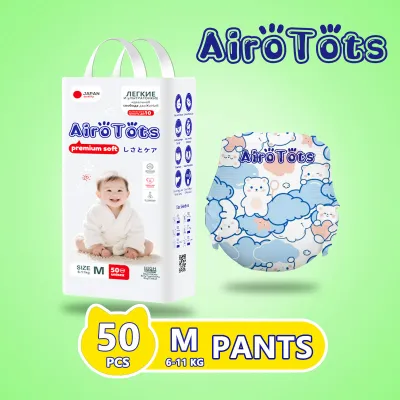
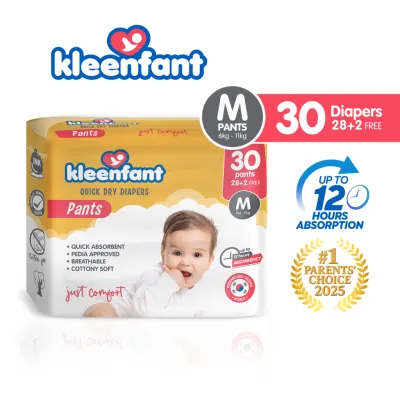
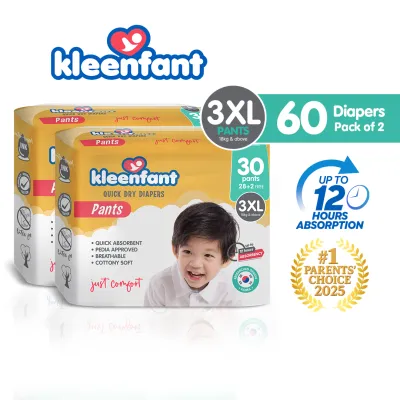
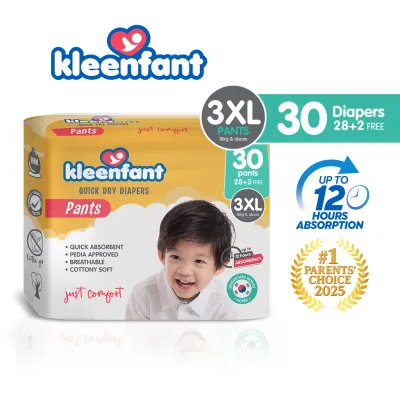
Prices are valid at publication and may change. Please refer to the product page for the latest price.
Comparing Fit and Cut for Larger Toddlers
Scaling up a diaper for older toddlers involves more than simply stretching the fabric of a smaller size. A proper 4XL diaper pants design must proportionally adjust the waistband, leg openings, and absorbent core to match the anatomy of a growing child.

Pampers and Huggies: Global Standard Cuts
Global brands like Pampers and Huggies typically design their diaper pants with a focus on a slim, contoured profile. These diapers are engineered to fit snugly under clothing, reducing bulkiness while maintaining a high degree of flexibility. The waistbands on these global brands generally feature highly elastic, multi-strand stretch materials that conform closely to the child’s body, which is ideal for highly active toddlers who are constantly running, jumping, and playing.
However, when evaluating these global standard cuts for a 4XL toddler, parents should pay close attention to the leg cuffs and the width of the absorbent core. Because these brands often prioritize a streamlined fit, the leg openings may be cut slightly narrower. It is important to check if the leg cuffs stretch sufficiently to accommodate larger thighs without digging into the skin or leaving deep red marks. If the core or the leg openings are too narrow for your child’s build, the diaper may shift out of place during movement, increasing the risk of side leaks.
Equator and Kleenfant: Extended Size Designs
In contrast to the streamlined cuts of global brands, brands like Equator and Kleenfant often focus specifically on the extended size market, tailoring their designs to the physical needs of larger toddlers. These diaper pants typically feature a more generous cut, characterized by a higher rise that sits comfortably above the hips and a wider absorbent core that provides extensive coverage from front to back.
The side panels on these extended-size designs are often broader, which helps distribute tension evenly across the hips and waist. When inspecting these brands, check the elasticity and softness of the waistband. A wide, highly elastic waistband is essential for accommodating rounder bellies comfortably without rolling down or leaving restrictive marks. This generous cut is particularly beneficial for toddlers who require extra room in the seat and thighs, ensuring that the diaper remains secure and comfortable during both active play and rest.
Evaluating Absorbency and Skin Comfort
In a tropical climate like the Philippines, high temperatures and humidity make diaper breathability and absorbency critical factors for skin health. When a diaper lacks adequate airflow or fails to lock away moisture quickly, sweat and urine can pool against the skin, leading to painful diaper rash, chafing, and bacterial irritation. Therefore, evaluating the materials and construction of a 4XL diaper is just as important as finding the right physical fit.
When reviewing diaper packaging, look for specific terms that indicate advanced moisture management. Features such as a “multi-layer absorbent core,” a “quick-dry top sheet,” or a “wetness indicator” are excellent indicators of a diaper’s ability to keep skin dry. The absorbent core should contain high-quality superabsorbent polymers (SAP) that lock liquid away from the surface, even under the pressure of a sitting or active toddler. Additionally, check the packaging for claims regarding a “breathable backsheet” or “micro-porous outer cover,” which allow hot air and moisture vapor to escape while keeping liquid safely contained inside.
Because older toddlers have more developed skin but can still be highly sensitive to friction and moisture, parents must monitor their child’s skin closely during the first few uses of any new 4XL brand. Check the waistline, hips, and inner thighs for any signs of redness, chafing, or small bumps. If you observe persistent skin irritation or a rash that does not improve, stop using the diaper brand immediately and consult a pediatrician or qualified healthcare professional for advice on skin-safe alternatives.
Checking Price, Pack Size, and Value
Managing the household budget is a key consideration when purchasing 4XL diaper pants, as extended sizes are generally more expensive on a per-piece basis than standard infant sizes. As diaper sizes increase, manufacturers package fewer diapers per bag to maintain a consistent retail price point. This means that a pack of 4XL diapers will contain significantly fewer pieces than a pack of Medium or Large diapers of the same brand, directly impacting your long-term diapering budget.
To determine the true value of a diaper brand, parents should calculate the cost per piece rather than comparing the total pack price. To do this, divide the total price of the pack in Philippine Pesos (₱) by the number of diaper pants inside. For example, if a pack costs ₱600 and contains 24 pieces, the cost per diaper is ₱25. Comparing this unit cost across Pampers, Huggies, and Equator will give you a clear picture of which brand offers the most economical solution for your daily needs.
Additionally, because 4XL is a specialty size, availability in physical retail stores can sometimes be limited. To secure the best value, check official brand stores on major online marketplaces, local supermarkets, and wholesale clubs. Buying in bulk, taking advantage of bundle deals, or subscribing to regular deliveries during promotional events can help lower the cost per piece and ensure you always have an adequate supply on hand.
Decision Framework: Which 4XL Brand to Try First
Choosing the right 4XL diaper pants involves matching the brand’s design characteristics with your toddler’s unique body shape and lifestyle.
Consider starting with Pampers or Huggies if your child has a relatively slim or athletic build, is highly active, and prefers a thinner, more flexible diaper profile. These global brands excel at providing a lightweight, contoured fit that moves seamlessly with the child, making them ideal for daytime wear when your toddler is constantly on the move.
Consider starting with Equator or Kleenfant if your toddler has a sturdier build, a rounder belly, or thicker thighs. The wider cuts, higher rise, and broader side panels of these brands are specifically designed to accommodate larger body types, providing the extra coverage and room needed to prevent leaks and red marks.
Regardless of which brand you decide to try first, always verify the fit by purchasing the smallest available pack size. Testing a single small pack allows you to observe how the diaper performs under real-world conditions—checking the physical fit, waistband stretch, and absorbency—before committing your budget to a large bulk purchase.
Frequently Asked Questions (FAQ)
At what weight should a toddler transition to 4XL diaper pants?
There is no single weight that dictates a transition, as weight limits vary significantly by brand. Always check the specific weight guidelines printed on the 4XL packaging. Instead of relying solely on the scale, watch for physical signs that your toddler has outgrown their current size. These signs include deep red marks on the thighs or waist, frequent side leaks despite proper application, a waistband that sits too far below the navel, or difficulty pulling the diaper pants up over the hips.
Can I use 4XL diaper pants overnight for heavy wetters?
Yes, but you must verify the diaper’s specific design features. Check the packaging to see if the 4XL variant is explicitly marketed for overnight use or extended 12-hour wear, as these typically feature enhanced absorbent cores. If your child is a very heavy wetter and standard 4XL pants still leak overnight, look for options with reinforced leg guards or consult your pediatrician about safe, compatible diaper booster pads to increase capacity without compromising the fit.

Community discussion
Share your experience or ask a question. Comments are reviewed before publication.