
Choosing the right diaper pants for your baby in a 50-pack format involves balancing reliable leak protection, absorbency, and overall comfort. While Pampers, Huggies, and Equator all offer popular 50-piece options, the best choice depends on your baby’s unique body shape, skin sensitivity, and daily activity level. There is no single universal winner; instead, success relies on matching your baby’s physical needs with the specific design features and product tiers of each brand.
When selecting a diaper pack, parents often look for a balance between cost-effectiveness and performance. A 50-piece pack is an ideal size for weekly planning, offering a substantial supply without requiring the storage space of massive monthly boxes. By understanding how to evaluate the physical design, core materials, and sizing of these three brands, you can make an informed decision that keeps your baby dry and comfortable throughout the day and night.
Understanding the Contenders: Pampers, Huggies, and Equator
To make an accurate comparison, it is essential to understand the general product offerings of Pampers, Huggies, and Equator in the Philippines. Each brand approaches diaper design with different priorities, ranging from advanced moisture-channeling technology to robust physical barriers and budget-friendly simplicity. Recognizing these differences helps you align your purchase with your household budget and your baby’s specific needs.
Products mentioned in this guide
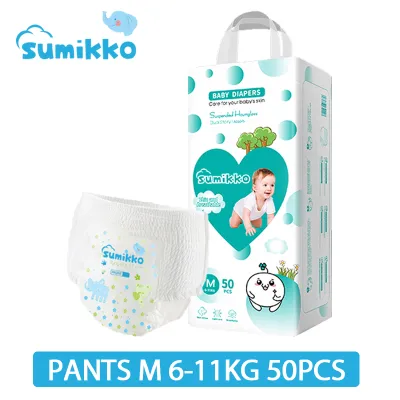
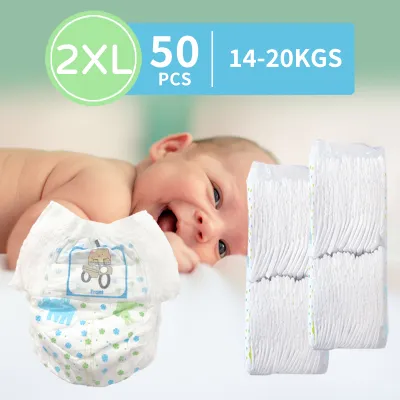
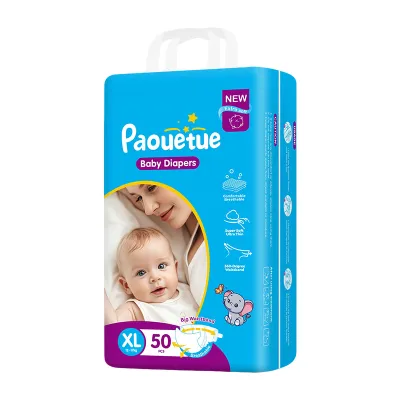
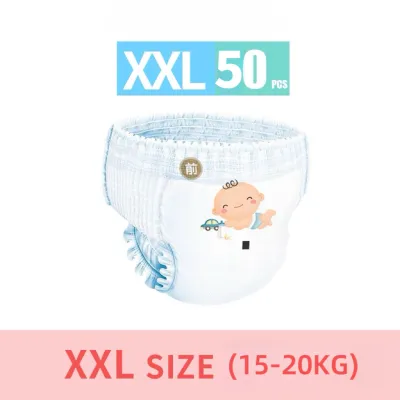
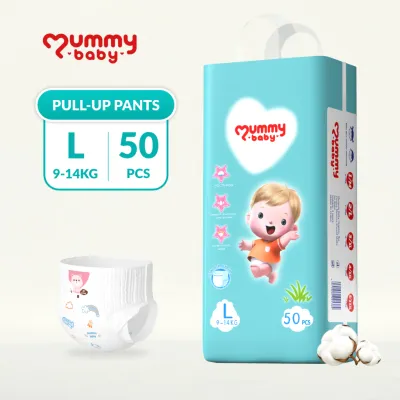
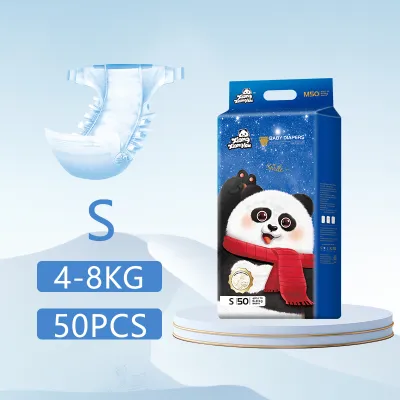

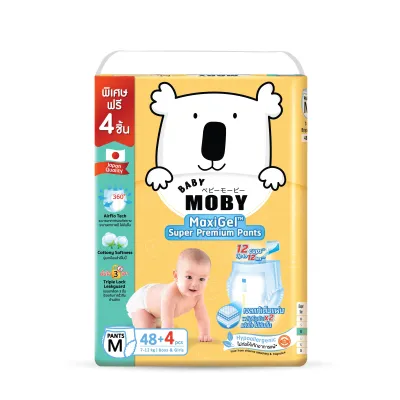
Prices are valid at publication and may change. Please refer to the product page for the latest price.
Pampers is widely recognized for its focus on thinness and rapid absorption. The brand frequently utilizes specialized absorbent channels designed to distribute wetness evenly across the diaper core, reducing the sagging and clumping that can restrict a baby’s movement. Their diaper pants are often designed with a soft, cloth-like feel and a flexible fit that aims to mimic regular underwear, making them a popular choice for parents of active toddlers.
Huggies, on the other hand, is known for its focus on structural security and snug fits. The brand often incorporates thick, elastic waistbands and reinforced leg guards designed to contain messes during high-movement activities. Huggies diaper pants frequently feature pocketed waistbands or specialized barriers at the back, which are specifically designed to prevent leaks when babies sit or crawl.
Equator serves as a practical, utility-focused option that appeals to budget-conscious families. While it may not feature the highly marketed proprietary technologies of its global competitors, Equator focuses on delivering the essential elements of a disposable diaper: a functional absorbent core, basic elastic waistbands, and standard leak guards. This makes it an option worth considering for daytime use when changes are frequent and cost-per-piece is a primary consideration.
When comparing these brands, it is crucial to look beyond the brand name and inspect the specific product tier. Most diaper manufacturers offer multiple lines, such as standard, premium, or ultra-dry variants. A premium line from any of these brands will feature softer materials, better breathability, and more advanced leak barriers than their entry-level counterparts, meaning your experience can vary significantly depending on the specific pack you select.
Evaluating Leak Protection: Design and Barrier Features
Leak protection is the primary job of any diaper pant, and evaluating this feature requires a close inspection of the diaper’s physical construction. When you open a pack of Pampers, Huggies, or Equator, the first things to examine are the leg cuffs and the waistband. These elasticized areas form the seal around your baby’s body, preventing liquid and solid waste from escaping.

To assess the quality of the leg cuffs, gently stretch them with your fingers. High-quality diaper pants typically feature dual leak guards, which consist of an inner standing barrier and an outer ruffled cuff. The inner barrier should stand upright when the diaper is opened, creating a pocket that catches liquid before it reaches the outer edge. Inspect the elasticity of these cuffs; they should feel soft and stretchy rather than stiff or plastic-like, as stiff materials can cause chafing and red marks on your baby’s delicate thighs.
The waistband design is equally important, especially for diaper pants that are pulled up rather than fastened with tapes. A good waistband should offer 360-degree elasticity, stretching easily to accommodate your baby’s tummy after feeding while remaining snug enough to prevent the diaper from sliding down when wet. Look for waistbands with multiple rows of fine elastic threads, as these distribute pressure more evenly than a single, thick elastic band, reducing the likelihood of leaving deep red indentations on the skin.
A baby’s mobility level plays a major role in how well a diaper’s leak protection performs. For crawling babies, diapers with flexible side panels and strong back barriers are essential to prevent leaks when they bend and twist. For walking toddlers, a slimmer crotch design is often beneficial, as it allows for a natural stride without causing the diaper to bunch up and create gaps around the legs. When comparing Pampers, Huggies, and Equator, observe how the diaper conforms to your baby’s body during play to identify any areas where gaps form.
Assessing Absorbency: Core Materials and Moisture Management
Absorbency is not just about how much liquid a diaper can hold, but how quickly it draws moisture away from the skin and how well it locks it inside the core. This process is critical for preventing diaper rash, which thrives in warm, wet, and humid environments. In the tropical climate of the Philippines, effective moisture management is a vital consideration for your baby’s skin health.
When reviewing diaper packaging, look for details regarding the absorbent core technology. Many modern diapers use Superabsorbent Polymers (SAP) mixed with wood pulp to turn liquid into a gel, preventing it from squeezing back out when the baby sits down. Pampers often highlights its absorbent channels, which are designed to guide liquid along the length of the diaper rather than letting it pool in one spot. Huggies frequently emphasizes its quick-dry layers that pull wetness away from the surface instantly. Equator typically relies on a traditional pulp-and-SAP core, which provides reliable absorption but may feel bulkier when fully saturated.
Diaper thickness is another factor that influences both absorbency and breathability. While a thicker diaper might seem like it offers more protection, modern diaper technology allows thin diapers to absorb just as much, if not more, liquid than older, thicker designs. In hot and humid weather, a thinner, highly breathable diaper is generally preferable because it allows heat and moisture vapor to escape, keeping the baby’s skin cool and dry. Look for diapers that explicitly mention breathable outer covers or micro-pores on their labels.
Monitoring your baby’s skin is the ultimate test of a diaper’s absorbency. If you notice that your baby’s skin feels damp during routine changes, or if you observe persistent redness in the diaper area, the current diaper may not be managing moisture effectively. In such cases, you may need to transition to a brand or product tier that features a faster absorption rate, or increase the frequency of your diaper changes to protect the skin barrier.
Value and Sizing: Making the Most of a 50-Piece Pack
Purchasing a 50-piece pack of diaper pants is a practical way to manage your household budget, but determining the true value requires looking closely at the cost per piece. To calculate this, divide the total price of the pack by 50. For example, if a pack costs ₱450, the cost per diaper is ₱9.00. Comparing this unit price across Pampers, Huggies, and Equator allows you to see exactly how much you are paying for each change, helping you balance performance against daily expenses.
Sizing is another critical factor that directly impacts both value and leak protection. A diaper that is too small will leak because it lacks the capacity to hold the volume of wetness, while a diaper that is too large will leak due to gaps around the legs and waist. It is important to remember that sizing is not standardized across brands. A size “Large” diaper pant from Pampers may have a different fit, cut, and weight recommendation than a “Large” from Huggies or Equator.
To ensure a proper fit, use this checklist before purchasing a 50-pack:
- Check your baby's current weight against the weight range printed on the specific brand's packaging.
- Observe the fit around the thighs; if your baby has chubby thighs, you may need to size up even if their weight falls within the recommended range.
- Ensure the waistband sits comfortably above the hips and does not slide down when the baby moves.
- Verify that there are no gaps around the leg openings when your baby is in a crawling or sitting position.
Storage is an often-overlooked aspect of buying diapers in bulk, especially in tropical regions. High humidity can affect the materials of disposable diapers over time. If moisture from the air penetrates the packaging, it can prematurely activate the wetness indicators or degrade the elastic fibers and adhesives. To maintain the integrity of your 50-piece pack, store the diapers in a cool, dry place, away from direct sunlight, and keep them sealed in a plastic container or a zip-top bag once the original packaging has been opened.
How to Choose the Right Diaper Pants for Your Baby
Selecting the ideal diaper pants requires matching your baby’s daily routine and physical characteristics with the strengths of each brand. Because every baby is shaped differently, a diaper that works perfectly for one child might cause leaks or discomfort for another. Using a structured decision framework can help you narrow down the options and find the most reliable fit.
If your baby is highly active, constantly crawling, climbing, or walking, prioritize diaper pants that offer exceptional stretch and secure leg barriers. Look for designs that feature wide, flexible waistbands and double-layered leg cuffs that move dynamically with your baby’s body. If your baby has highly sensitive skin or is prone to heat rashes, focus on options that emphasize breathability, thinness, and hypoallergenic materials that minimize friction against the skin.
Before committing to a full 50-piece pack of a new brand or size, it is highly recommended to conduct a trial run. Purchase a smaller travel pack or sample pack to test the fit, absorbency, and skin compatibility over a few days. This trial period allows you to observe how the diaper performs during active daytime play and long overnight sleep sessions without risking the cost of a larger bulk purchase.
Finally, keep a close eye on physical cues that indicate it is time to adjust your diapering strategy. If you notice deep red marks around your baby’s waist or thighs, frequent leaks despite the diaper not being fully wet, or consistent diaper rash, these are clear signs that the current size or brand is no longer suitable. Being flexible and willing to adjust sizes or switch brands as your baby grows ensures they remain comfortable, dry, and protected.
Frequently Asked Questions (FAQ)
Can I mix different diaper brands for daytime and nighttime use?
Yes, mixing different diaper brands for daytime and nighttime use is a highly effective strategy used by many parents to balance performance and budget. During the day, when changes are frequent and your baby is highly active, you can opt for a more affordable, lightweight diaper pant like Equator or a standard-tier diaper that offers basic protection and high breathability. For overnight use, when your baby sleeps for longer stretches, you can switch to a premium, high-absorbency diaper pant from Pampers or Huggies to ensure they stay dry and comfortable without requiring a middle-of-the-night change. When introducing a new brand into your rotation, always monitor your baby’s skin for a few days to ensure there is no sensitivity or irritation caused by switching between different materials.
How do I know if my baby needs to size up in diaper pants?
Your baby may need to size up in diaper pants if you observe several physical indicators, even if their weight still falls within the range listed on the package. Common signs include persistent red marks or indentations left by the waistband or leg cuffs on your baby’s skin, which indicate the elastic is too tight. Additionally, if you experience frequent leaks or blowouts, or if the diaper core becomes fully saturated very quickly, it suggests the diaper no longer has the capacity required for your baby’s growing bladder. Another simple check is the physical coverage of the diaper: if the waistband sits significantly below your baby’s belly button, or if you struggle to pull the diaper pants up over their hips, it is time to transition to the next size up to maintain proper leak protection and comfort.

Community discussion
Share your experience or ask a question. Comments are reviewed before publication.