
Finding the right diaper for a growing toddler who has graduated to XXXL pants requires balancing physical comfort, reliable leak protection, and household budget constraints. In the Philippines, where tropical heat and high humidity can quickly exacerbate skin irritation, choosing between major brands like Pampers, EQ (often referred to as Equator), and Huggies involves more than just picking a size off the shelf. Because toddlers at this stage are highly active—constantly walking, running, and climbing—the diaper must move with them without sagging or causing friction. To make the best choice, parents must evaluate how each brand structures its XXXL dimensions, manages moisture under humid conditions, and fits into a monthly budget. By focusing on observable fit indicators, packaging specifications, and cost-per-piece calculations, you can identify the diaper pants that keep your toddler dry and comfortable throughout the day and night.
Verifying XXXL Sizing and Fit Across Brands
Transitioning to XXXL diaper pants is a significant milestone, but sizing is not uniform across all manufacturers. When looking at Pampers, EQ, and Huggies, the weight and age guidelines printed on the packaging serve as the primary starting point, but these ranges often overlap significantly with smaller sizes. For instance, a toddler weighing 15 kilograms might technically fit into both XXL and XXXL sizes depending on the brand’s specific cut. Parents should carefully inspect the weight charts on the back of each pack, keeping in mind that these guidelines are based on average body proportions and may not account for a toddler’s unique build.
Beyond the printed weight ranges, the physical construction of the waistband, rise, and leg cuffs determines how the diaper actually sits on your child’s body. A diaper’s rise—the distance from the crotch to the top of the waistband—needs to be high enough to prevent the diaper from sliding down during active play. The waistband elasticity is equally critical; it must stretch easily to accommodate a full tummy after meals but retract securely to prevent gaps. Leg cuffs should feature double-layered elastic barriers that hug the thighs gently without digging into the skin. When comparing brands, you will observe that some designs favor a wider, more relaxed waist, while others offer a snugger, high-rise fit that suits taller, leaner toddlers.
Products mentioned in this guide
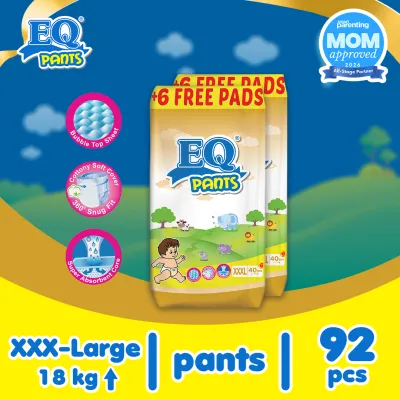
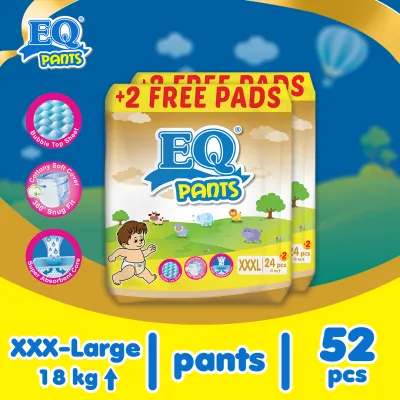
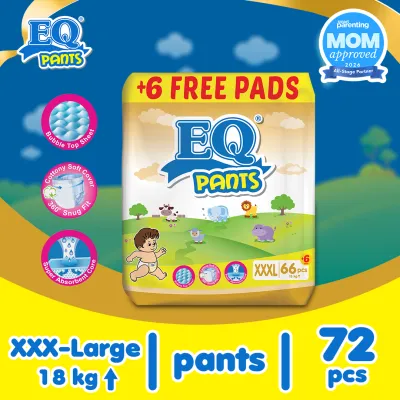
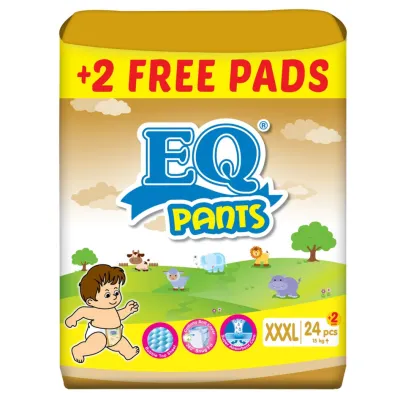
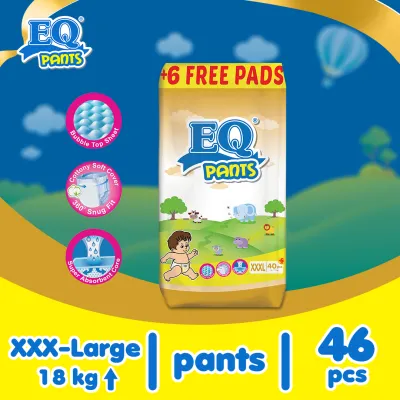
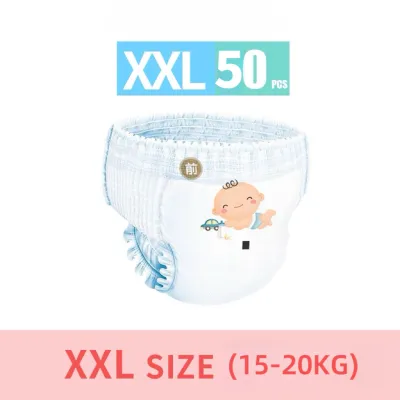
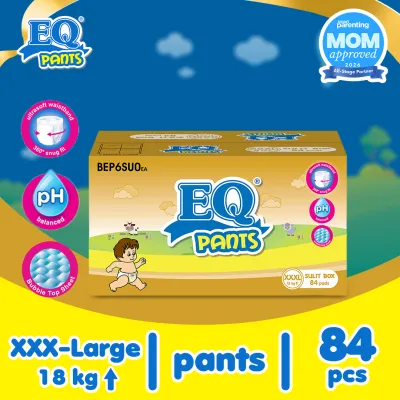
Prices are valid at publication and may change. Please refer to the product page for the latest price.
Recognizing the precise moment to transition from XL or XXL to XXXL pants prevents unnecessary leaks and discomfort. Parents should watch for clear physical signs that a diaper has become too small. If you notice deep red marks or indentations around your toddler’s thighs or waist after a few hours of wear, the elastic is under too much tension. Another common sign is the waistband constantly rolling down below the belly button, or the diaper sitting too low on the hips, leaving the lower back exposed. Frequent blowouts or side leaks, even when the diaper is not fully saturated, also indicate that the current size lacks the physical volume and surface area required to contain waste during sudden movements.
Evaluating Absorbency and Leak Protection Designs
Active toddlers require robust absorbency systems to handle larger volumes of urine, especially during long afternoon naps or overnight sleep. Each brand utilizes distinct core technologies, detailed on their product labels, to distribute and lock away moisture. Many modern diaper pants incorporate superabsorbent polymer gel beads that absorb multiple times their weight in liquid, turning it into a solid gel. Some manufacturers design their cores with specialized channels or distribution layers that guide wetness evenly across the entire length of the diaper, preventing the liquid from pooling in one spot and causing a heavy, sagging front. When evaluating packaging, look for descriptions of these channel systems and core structures to understand how the diaper manages rapid fluid intake.

The physical barriers surrounding the absorbent core are just as vital as the core itself for preventing leaks during vigorous movement. High-quality XXXL pants feature garterized leg gathers and waistbands specifically configured to create a secure seal. These gathers act as secondary dams, catching liquid before it can escape through the leg openings when your toddler crawls, climbs, or rolls over. In tropical climates, where toddlers sweat frequently, these elastic barriers must remain flexible and soft, maintaining their shape without losing elasticity when exposed to body heat and moisture.
To help parents manage changes efficiently, many diaper pants include external wetness indicators. These are typically color-changing lines printed on the outer cover that shift from yellow to blue or green when exposed to moisture. Observing these visual cues allows caregivers to check the diaper’s status at a glance without having to pull the waistband open. However, because XXXL toddlers produce larger volumes of urine, parents should also rely on physical touch and visual sagging as indicators; a heavy, droopy diaper should be changed promptly to maintain skin dryness and prevent the outer material from rubbing against the thighs.
Assessing Comfort, Breathability, and Skin Sensitivity
In the warm and humid climate of the Philippines, diaper breathability is a primary defense against skin irritation and diaper rash. The materials used in the top sheet—the layer in direct contact with the toddler’s skin—must allow air to circulate freely while drawing moisture away from the body. Manufacturers often describe their outer covers as having micro-pores or breathable membranes that let hot air and vapor escape while keeping liquid locked inside. When choosing a diaper, look for packaging labels that explicitly mention breathable outer layers or cotton-like softness, as these features help keep the skin cool and dry during active daytime play.
Skin sensitivity is a major consideration for toddlers, particularly those prone to eczema or contact dermatitis. Many diaper brands add mild lotions, fragrances, or botanical extracts like aloe vera or chamomile to their top sheets to soothe the skin. While these additives can benefit some children, they can trigger allergic reactions in others. Parents should carefully read the ingredient or material panel on the packaging to identify any added fragrances or chemical treatments. If your toddler has highly sensitive skin, opting for diapers labeled as fragrance-free, hypoallergenic, or elemental chlorine-free is a safer approach to minimize the risk of irritation.
If your toddler has a history of frequent diaper rash, the physical texture of the inner lining becomes critical. Look for diapers with textured top sheets, such as 3D embossed patterns, which minimize the surface area of the diaper that directly touches the skin. This design creates tiny air pockets that reduce friction and prevent the wet material from sticking to the toddler’s bottom. If skin redness or irritation persists despite frequent changes and using breathable, fragrance-free diapers, it is important to stop experimenting with different brands and consult a pediatrician or pediatric dermatologist for professional guidance and targeted treatment.
Calculating Price and Value for XXXL Pants
As toddlers grow, the cost of diapering can become a significant portion of the household budget, making it essential to calculate the true value of each purchase. Rather than comparing the total price of a pack, parents should always calculate the unit price, or the cost per piece (₱ per piece). Because XXXL packs generally contain fewer diapers than medium or large packs, the price per piece is naturally higher. To find this value, divide the total cost of the package by the number of diapers inside. This simple calculation allows you to make direct, accurate comparisons between premium brands and budget-friendly alternatives on supermarket shelves or online marketplaces.
Pack configurations and retail availability also play a major role in determining overall value. In the Philippines, diaper pants are typically sold in various sizes, ranging from small travel packs of four to six pieces to large mega-packs or box deals. While smaller packs have a lower upfront cost, they almost always carry a higher cost per piece. Purchasing larger bulk boxes or multi-packs during promotional events on local ecommerce platforms or at wholesale warehouse clubs usually yields the lowest unit price. However, before committing to a large bulk purchase, always buy a small trial pack first to ensure the fit and material compatibility match your toddler’s current needs.
A higher unit price can sometimes be justified if the diaper offers superior performance that reduces overall consumption. For example, if a slightly more expensive diaper prevents overnight leaks entirely, you avoid the cost of washing soiled bedsheets and clothing, while also ensuring your toddler gets uninterrupted sleep. Similarly, a highly absorbent diaper that keeps the skin dry may reduce the need for expensive diaper rash creams and allow for fewer daytime changes. Weighing these practical benefits against the raw cost per piece helps you determine whether a premium option or a reliable, budget-friendly brand like EQ represents the best long-term value for your family.
How to Choose the Right XXXL Pants for Your Toddler
Selecting the ideal XXXL diaper pants requires matching your toddler’s physical build, skin sensitivity, and your household budget to the specific strengths of each brand. If your primary goal is to find a diaper with advanced moisture-distribution channels and a highly flexible, soft fit that minimizes bulkiness during active play, Pampers is a strong candidate; verify their current packaging for specific material updates and fit technologies. If you are looking for a highly practical, budget-friendly option that offers reliable everyday protection and is widely available in local supermarkets for bulk purchasing, EQ (Equator) pants are an excellent choice for managing daily household expenses. If your toddler has a unique body shape that requires a highly secure, garterized waistband and robust leak guards to prevent blowouts during sleep or vigorous movement, Huggies may provide the specific structural support your child needs.
Before making a final decision, always inspect the packaging labels of the specific pack you intend to buy to verify weight limits, ingredient lists, and manufacturing dates. Keep in mind that every toddler’s body shape is unique, and what works perfectly for one child may cause leaks or red marks on another. If your toddler has a history of severe skin allergies, persistent diaper rash, or unusual physical discomfort that does not improve with diaper changes, consult a pediatrician or a qualified healthcare professional. They can provide personalized medical advice, identify potential allergens, and help you establish a safe skin-care routine for your growing child.
Frequently Asked Questions (FAQ)
When should I switch my toddler from tape diapers to XXXL pants?
You should consider switching your toddler to XXXL pants when they reach the weight threshold indicated on the packaging and begin demonstrating high mobility milestones, such as standing, walking, running, or actively resisting lying down during diaper changes. Diaper pants are designed to be pulled up quickly while the child is standing, making the changing process much easier for active toddlers who constantly move. Additionally, pants offer a more secure, wrap-around elastic fit that stays in place during vigorous physical activity, whereas tape diapers may shift, sag, or loosen when a larger toddler climbs or runs.
Can I mix different diaper brands for day and night use?
Yes, mixing different diaper brands for daytime and nighttime use is a highly practical strategy used by many parents to balance household costs with absorbency needs. You can use a more budget-friendly brand, such as EQ, during the day when changes are frequent and easily managed, and switch to a highly absorbent, premium brand like Pampers or Huggies at night to prevent morning leaks and ensure uninterrupted sleep. When doing this, monitor your toddler’s skin closely for any reactions to the different top-sheet materials, and be aware that sizing may vary slightly between brands, requiring you to adjust the fit accordingly.

Community discussion
Share your experience or ask a question. Comments are reviewed before publication.