
Finding the right XXXL pants diaper for a larger toddler in the Philippines is a balancing act between physical comfort, reliable leak protection, and household budgeting. In a tropical climate where high humidity and heat can quickly turn a minor fit issue into a painful diaper rash, selecting the appropriate brand is crucial. Pampers, EQ (often referred to as Equator in some product lines), and Huggies each offer XXXL pants designed for older toddlers, but they approach fit, absorbency, and value differently. Because every toddler has a unique body shape and daily activity level, there is no single best option for every family. Instead, the ideal choice depends on how well a diaper’s specific design features align with your child’s physical proportions and your daily changing routine.
When toddlers reach the XXXL size category, they are typically highly active, walking, running, and climbing throughout the day. This increased mobility means that diapers must not only absorb liquid quickly but also stay securely in place without sagging or restricting movement. Additionally, the skin of a larger toddler remains sensitive to prolonged moisture exposure, especially during warm afternoons. By examining the structural differences in waistband elasticity, core design, and pricing structures among Pampers, EQ, and Huggies, you can make an informed decision that keeps your toddler dry and comfortable while managing your monthly expenses.
Evaluating Fit and Sizing Across Pampers, Equator, and Huggies XXXL
Before purchasing any bulk pack of XXXL pants, it is essential to verify the manufacturer’s weight ranges and age guidelines printed on the packaging. While XXXL is generally intended for toddlers weighing over 18 kilograms, actual fit can vary significantly between brands due to differences in cut and elasticity. A diaper that fits a tall, lean toddler perfectly might pinch the thighs of a shorter, stockier child. Checking these weight brackets serves as a baseline, but observing how the diaper conforms to your child’s body during movement is the most reliable way to ensure a proper fit.
Products mentioned in this guide
![EQ Pants Big Pack XXXL (15kg up) - 24 pcs x 8 packs (192 pcs) - Diaper Pants [Case]](https://img.lazcdn.com/g/p/22f4e17753cb93d89d5dea63f92c0c8f.png_400x400q80.png_.webp)
![EQ Pants Jumbo Pack XXXL (15kg up) - 40 pcs x 6 packs (240 pcs) - Diaper Pants [Case]](https://img.lazcdn.com/g/p/ec26b8ba82cb92d8c04b5a4de578bc63.png_400x400q80.png_.webp)
Prices are valid at publication and may change. Please refer to the product page for the latest price.
The waistband design is one of the most critical factors in preventing leaks and ensuring comfort. Pampers is widely recognized for its highly stretchable, soft waistband that hugs the torso gently, which can minimize red marks on toddlers with rounder bellies. EQ pants often feature a more structured, secure waistband that provides a snug fit, helping to keep the diaper from sagging when it becomes heavy. Huggies typically utilizes a wide, pocketed waistband designed to catch back leaks while offering a balanced stretch that accommodates active movement. Comparing these waistband styles allows you to choose a design that matches your toddler’s specific torso shape.
Leg gussets and rise height also play a major role in containment. The rise height—how high the diaper sits on the waist—determines whether the diaper will stay in place during active play or slide down. Leg gussets, or the elastic barriers around the thighs, must contour smoothly against the skin without digging in. If you notice gaps between the diaper and your toddler’s thighs, or if the elastic leaves deep, persistent red marks after a few hours of wear, it is a clear sign that the cut or size is not compatible with your child’s build. Observing these physical fit indicators during active play will help you identify which brand provides the most secure, friction-free seal.
Comparing Absorbency and Leak Protection Features
Absorbency is not just about how much liquid a diaper can hold, but how quickly it draws moisture away from the skin and distributes it throughout the core. When evaluating Pampers, EQ, and Huggies, look closely at the packaging for descriptions of their core technology, such as distribution channels or specialized absorbent zones. These channels are designed to prevent sagging by spreading liquid evenly rather than letting it pool in one spot. Many brands also include a wetness indicator—a color-changing strip on the outside of the diaper—which helps caregivers monitor wetness levels without having to pull the waistband open.

In the warm, humid climate of the Philippines, breathability is just as important as absorbency. When moisture is trapped inside a diaper, the combination of heat and wetness can rapidly lead to skin irritation or heat rash. To evaluate a diaper’s breathability, monitor your toddler’s skin during changes; the skin should feel dry and cool to the touch, rather than damp or clammy. If you notice persistent redness or dampness, the diaper’s outer cover may not be allowing sufficient airflow, or the absorbent core may be retaining too much moisture near the surface.
Your toddler’s daily routine should also dictate your absorbency requirements. During the day, when changes are frequent and the child is constantly moving, a lighter, highly flexible diaper that prioritizes mobility may be ideal. Overnight, however, a heavy-wetting toddler requires maximum capacity to ensure uninterrupted sleep. While standard XXXL pants are highly capable, some toddlers may exceed the overnight capacity of standard designs, requiring caregivers to look for specialized overnight variants or adjust the last beverage of the evening to prevent morning leaks.
Assessing Value and Calculating Cost Per Diaper
To manage your household budget effectively, it is helpful to look past the upfront price of a diaper pack and calculate the exact cost per piece. You can easily determine this by dividing the total price of the pack in ₱ by the precise number of diapers inside. Because XXXL diapers contain more materials and advanced structural features than smaller sizes, they naturally carry a higher cost per unit. Keeping a simple log of this cost per piece across different retailers and online marketplaces allows you to identify genuine savings and avoid overpaying for convenience.
While bulk purchasing is a common strategy to lower the cost per diaper, it carries specific risks when your toddler is in the XXXL size range. Because XXXL is often the final size before a child transitions fully to potty training, there is a distinct possibility that your toddler may outgrow the need for diapers, or successfully transition to underwear, before a massive bulk supply is depleted. To avoid being left with unused inventory, it is wise to purchase medium-sized packs or only buy bulk quantities when you are certain your toddler will remain in this size for several more months.
Ultimately, the true value of a diaper is a combination of its unit price and its real-world performance. A cheaper diaper that requires twice as many changes due to leaks or causes skin irritation that demands expensive rash creams is not a cost-effective choice. Conversely, a premium diaper that keeps your toddler dry through the night and maintains excellent skin health can actually save you money by reducing the total number of diaper changes required per day. Balancing these performance outcomes against your daily budget is the key to finding the most sustainable option.
Decision Framework: Which XXXL Pants Diaper Should You Choose?
To simplify your purchasing decision, consider how each brand’s unique design characteristics align with your toddler’s physical needs and your daily routine. Choose Pampers if your toddler has highly sensitive skin that benefits from exceptionally soft surface materials, or if they require a very flexible, highly elastic waistband that stretches easily over a rounder tummy without leaving red marks. This brand is often preferred by parents who prioritize maximum softness and a lightweight, contouring fit for active daytime wear.
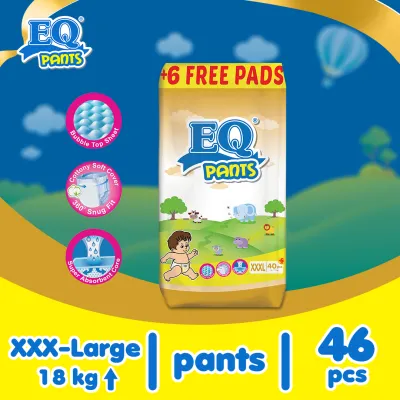
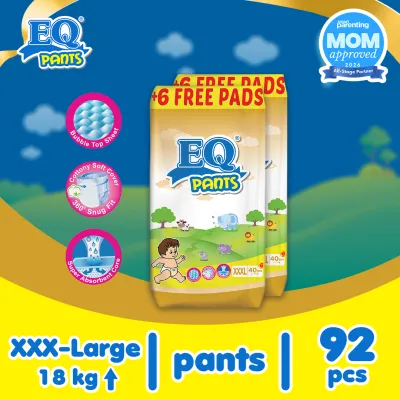
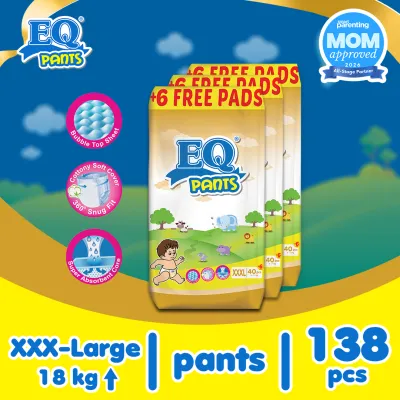
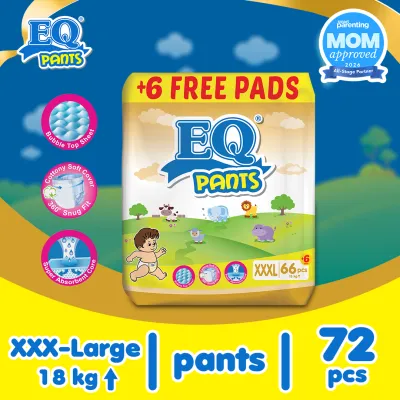
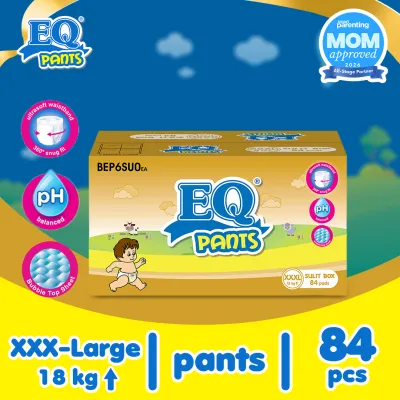
Choose EQ (Equator) if your primary goal is to optimize your daily household budget while still securing reliable, standard daytime absorbency. EQ is a practical choice for families who maintain a frequent changing schedule during the day, as its structured fit and cost-effective pricing allow you to keep your toddler clean and dry without straining your finances. It serves as an excellent utility diaper for active play sessions where diapers are changed regularly.
Choose Huggies if your toddler is a heavy wetter, particularly during sleep, and your observations show that leaks tend to occur around the legs or back. The robust leg cuffs and targeted core distribution of Huggies are well-suited for containing high-volume wetness during long stretches of rest. This makes it a strong candidate for overnight use or for toddlers who require a highly structured diaper that maintains its shape even when fully saturated.
Before making a final commitment to any brand, always verify if your toddler exhibits any signs of skin sensitivity or unique body proportions. If you notice persistent friction marks around the thighs or waist, or if leaks continue to occur despite correct sizing, it may be necessary to experiment with a different brand’s cut rather than simply moving up a size. Regularly inspecting your toddler’s skin and adjusting your choice based on real-world performance will ensure they remain comfortable and protected.
Frequently Asked Questions (FAQ)
When is it time to transition out of XXXL pants diapers?
Transitioning out of XXXL pants diapers is typically signaled by both physical fit changes and developmental milestones. Physically, if the diaper sits too low on your toddler’s hips, constantly sags even when dry, or leaves deep elastic marks that do not fade quickly, they have likely outgrown the maximum dimensions of the size. Additionally, if you experience frequent leaks despite ensuring the leg gussets are fully extended, the diaper’s absorbent capacity may no longer match your child’s output. From a developmental standpoint, if your toddler begins expressing discomfort when wet, shows interest in using the toilet, or can stay dry for several hours at a time, it is an excellent opportunity to transition from disposable pants to training underwear. Always check the maximum weight limits on the packaging and consult your pediatrician if your child exceeds standard sizing charts but is not yet ready for potty training.
Is it effective to use different diaper brands for day and night?
Using a dual-brand diaper routine can be a highly effective and budget-friendly strategy for many families. Under this approach, caregivers use a more economical, highly breathable brand like EQ for daytime hours, when changes are frequent due to active play and regular monitoring. This keeps the cost per diaper low during the hours when diapers are rarely worn to maximum capacity. For overnight sleep or long outings, switching to a high-capacity, premium brand like Pampers or Huggies ensures that your toddler remains dry and comfortable for extended periods, reducing the risk of sleep disruptions and wet sheets. If you choose to mix brands, it is important to monitor your toddler’s skin closely for any adverse reactions, as switching between different core materials, adhesives, or waistband synthetics can occasionally trigger sensitivities in children with highly reactive skin.

Community discussion
Share your experience or ask a question. Comments are reviewed before publication.