
Finding the right diaper pants for a growing toddler can be a trial-and-error process, especially when transitioning to extra-extra-extra-large (XXXL) sizes. In the Philippines, where high humidity and warm temperatures are daily realities, a diaper’s fit, breathability, and absorbency are critical for keeping active toddlers comfortable and rash-free. While Pampers, Equator, and Huggies are three of the most visible brands offering XXXL diaper pants, there is no single “perfect” option for every child. The ideal choice depends on your toddler’s specific body shape, skin sensitivity, and your family’s daily budget. By understanding how these brands differ in sizing, elasticity, and design, you can make an informed decision that keeps your toddler dry and happy.
As toddlers grow into active older individuals, their physical proportions change. Some develop broader hips and thicker thighs, while others grow taller and leaner. Standard diaper sizes do not always account for these diverse body types, making the transition to XXXL a highly individualized decision. Caregivers must look beyond the size label on the front of the pack and evaluate how each brand constructs its diaper pants to accommodate a larger child’s movements and physiological needs.
Understanding XXXL Sizing Across Pampers, Equator, and Huggies
When transitioning your toddler to XXXL diaper pants, the first step is to recognize that sizing standards vary significantly between manufacturers. A size designation like XXXL is not a universal measurement; instead, it represents a brand-specific design intended for a general weight range. Before purchasing a large box, always check the manufacturer’s stated weight range printed on the packaging. These ranges often overlap with XXL sizes, but the physical dimensions of the diaper itself—such as the rise, waistband width, and leg opening circumference—will differ.
Products mentioned in this guide
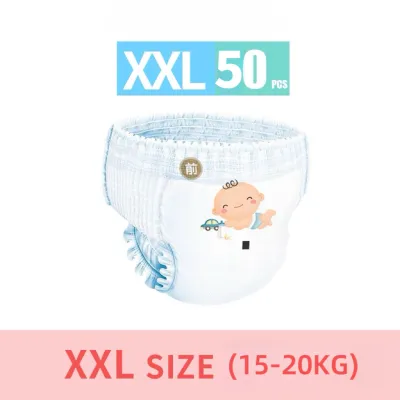
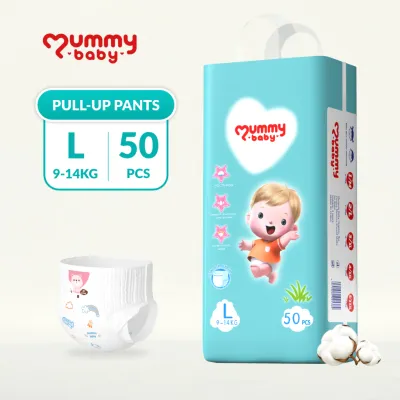
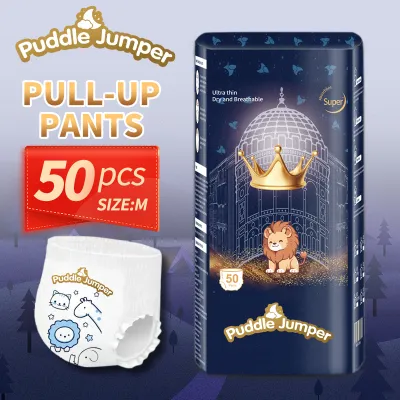
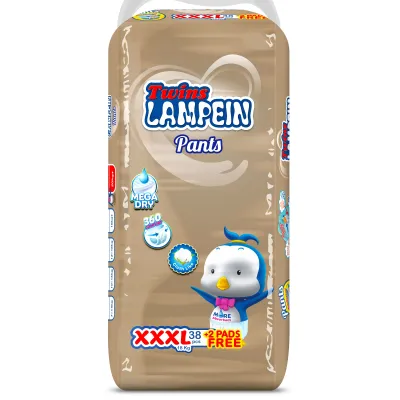
Prices are valid at publication and may change. Please refer to the product page for the latest price.
Observing the physical cut of the diaper pants is essential before committing to a bulk purchase. Some brands design their XXXL pants with a high-waist cut that sits comfortably above the belly button, providing extra coverage and security for toddlers with rounder tummies. Other brands utilize a lower-rise, athletic cut that fits more like traditional underwear, which can be preferable for taller, leaner toddlers who are highly active. Additionally, examine the width of the leg cuffs; wider cuffs generally distribute pressure more evenly, reducing the likelihood of chafing.
It is also important to note that a toddler at the upper weight limit of an XXL diaper may fit differently in an XXXL diaper depending on the brand’s specific elasticity. If a brand uses highly elastic, tightly gathered threads in the waistband, the transition to XXXL might feel snug and secure. Conversely, a brand with looser, more relaxed elastic might sag on a toddler who is technically within the weight range but has a leaner build. Always verify the physical stretch of the waistband by gently pulling it apart to gauge its resistance before putting it on your child.
Comparing Fit and Comfort for Larger Toddlers
For larger toddlers, comfort is directly tied to how the diaper pants accommodate movement without causing physical irritation. After removing a diaper, carefully inspect your toddler’s waistband and leg cuffs for any red marks or deep indentations. These marks are clear indicators that the elastic is either too tight, the cut is too narrow, or the size is too small for your child’s current build. Persistent red marks can lead to skin chafing and discomfort, especially during active play or long periods of sitting.

The stretchability of the side panels is another critical factor, particularly for toddlers with thicker thighs or broader hips. High-quality diaper pants should feature side panels that stretch easily and conform to the toddler’s body shape without tearing. When pulling the diaper pants up, pay attention to how much effort is required to stretch the panels over the hips. If the panels feel stiff or require excessive force to pull up, they may restrict your toddler’s natural range of motion and cause discomfort during daily activities.
In the warm and humid climate of the Philippines, breathability is paramount to preventing diaper rash and skin irritation. Evaluate the breathability of the outer cover by feeling the exterior of the diaper during active play. A breathable outer cover allows heat and moisture vapor to escape, which may make the outside of the diaper feel slightly warm or clammy to the touch, but keeps the skin underneath dry. If the skin under the waistband or around the buttocks feels hot, sweaty, and damp upon removal, the diaper may lack sufficient ventilation for tropical conditions. If skin irritation or persistent redness develops, stop using the product and consult a qualified healthcare professional.
Evaluating Absorbency and Leak Protection
As toddlers grow, their bladder capacity increases, meaning they release larger volumes of urine at one time. This requires XXXL diaper pants to have a highly efficient absorbent core that can quickly lock away moisture. To evaluate absorbency, monitor the diaper for sagging or bunching after it becomes saturated. A well-designed diaper core distributes wetness evenly across the absorbent material, maintaining its shape. If the core clumps together or sags heavily between the toddler’s legs, it can pull the waistband down, leading to discomfort and potential leaks.
Leak protection is especially critical around the leg cuffs and waistband during both active daytime play and overnight sleep. Check for leaks during high-movement activities, such as running, jumping, or climbing. Double-layered leg guards are highly effective at containing sudden wetness, but they must sit properly in the groin creases to function correctly. During overnight sleep, observe whether leaks occur when your toddler changes positions. Side-sleepers and stomach-sleepers often require reinforced protection at the sides and front of the diaper to prevent wetness from escaping.
To assess moisture-wicking capabilities, perform a simple touch test. After your toddler has worn the diaper pants for a few hours, gently press your fingers against the inner lining immediately after removal. The lining should feel relatively dry to the touch, indicating that the core has successfully pulled moisture away from the surface. If the lining feels wet or slippery, the diaper’s moisture-wicking layer may not be performing adequately, leaving your toddler’s sensitive skin in direct contact with wetness, which increases the risk of diaper rash.
Assessing Value and Cost per Diaper
Because XXXL diaper pants use more raw materials and advanced structural designs than smaller sizes, they generally carry a higher price per piece. To manage your household budget effectively, it is crucial to calculate the true cost per diaper rather than relying solely on the upfront price of the package. You can easily calculate this by dividing the total price of the pack in ₱ by the number of individual diaper pants inside. This simple calculation allows you to compare different brands and packaging sizes on an equal basis.
When shopping in the Philippines, look for bulk packs, mega-boxes, or promotional bundles offered by official brand stores and authorized distributors on major online marketplaces. Buying in larger quantities often reduces the cost per piece significantly. Additionally, keep an eye out for monthly online shopping festivals, holiday sales, or subscription discounts, which can provide substantial savings on premium diaper lines. Always verify that you are purchasing from official or authorized sellers to ensure product authenticity and quality.
However, evaluating value goes beyond the initial cost per piece; you must also factor in the frequency of diaper changes. A cheaper diaper that has lower absorbency or leaks frequently may require more frequent changes, leading to higher overall consumption. Furthermore, frequent leaks result in extra laundry cycles, increased water and detergent usage, and the potential need for expensive diaper rash creams. A slightly more expensive diaper that keeps your toddler dry for longer periods and prevents leaks can often prove to be the more cost-effective choice in the long run.
Decision Framework: Which XXXL Brand Should You Choose?
Selecting the right XXXL diaper pants involves matching your toddler’s physical needs and your family’s lifestyle with the specific strengths of each brand.
- Choose Pampers if your toddler has highly sensitive skin and prioritizes a soft, cloth-like material feel. Pampers premium lines are often designed to be thin, lightweight, and exceptionally soft, making them suitable for toddlers who are sensitive to friction or bulkiness under their clothing.
- Choose Huggies if your toddler is highly active and requires a structured waistband and robust leg cuff design. Huggies is often favored for its secure fit and reliable leak guards, making it an excellent option for toddlers with rounder bellies or those who tend to experience leaks during active play or overnight sleep.
- Choose Equator if you are looking for a highly budget-friendly option for frequent daytime changes. Equator provides a practical, cost-efficient solution, especially during potty training phases when diaper pants are changed frequently throughout the day, allowing you to maximize your budget without sacrificing basic protection.
Before committing to a bulk purchase of any brand, always buy a small trial pack first. This allows you to test the actual fit, stretchability, absorbency, and skin compatibility on your toddler in real-world conditions. Remember to monitor your child’s skin closely during the trial period, and always follow the manufacturer’s guidelines regarding proper application, weight limits, and disposal.
Frequently Asked Questions (FAQ)
When should I transition my toddler to XXXL diaper pants?
You should consider transitioning your toddler to XXXL diaper pants when you observe physical signs that their current XXL size is no longer adequate. Look for persistent red marks or deep elastic indentations around your toddler’s waist or thighs after diaper removal, which indicate the fit is too tight. Frequent leaks or blowouts that did not occur previously are also strong indicators that the current diaper’s absorbency capacity or coverage area is insufficient. Finally, if the diaper pants feel difficult to pull up over your toddler’s hips or if the waistband sits too low on their hips, it is time to try a larger size.
Can I use XXXL diaper pants overnight for a heavy wetter?
Yes, XXXL diaper pants can be used overnight, but their performance depends on the specific brand’s absorbency limits and your toddler’s wetting patterns. If you notice severe sagging, clumping, or leaks in the morning, the regular daytime version of the diaper may not have enough capacity for overnight use. In such cases, evaluate whether the brand offers an overnight-specific variant in the XXXL size, which typically features a reinforced absorbent core. Always consult the manufacturer’s guidelines regarding the use of diaper pants, and ensure the leg cuffs are fully pulled out and resting in the groin creases before your toddler goes to sleep to maximize leak protection.

Community discussion
Share your experience or ask a question. Comments are reviewed before publication.