
Finding the right diaper for an active toddler in the Philippines requires balancing fit, absorbency, and breathability, especially given the year-round tropical heat and high humidity. When comparing Pampers, Huggies, and Lampein pants diapers (specifically the Equator line) in XL size, there is no single universal winner. The best choice depends entirely on your toddler’s unique body shape, activity level, and skin sensitivity. This guide provides a practical framework to help you evaluate the fit, absorbency, and comfort of each brand, allowing you to make an informed decision based on observable performance rather than marketing claims.
Understanding XL Pants Diapers for Active Toddlers
Choosing the right diaper size is crucial as your baby transitions from a relatively sedentary infant to an energetic, fast-moving toddler. The extra-large (XL) size is typically designed for toddlers who have outgrown large sizes, but weight ranges can vary slightly between manufacturers. To ensure a proper fit, always check the weight and size indicators printed directly on the packaging of Pampers, Huggies, or Lampein pants diaper xl packs, as these metrics serve as your primary starting point.
At this developmental stage, transitioning from traditional tape diapers to pull-up pants offers significant practical advantages. Active toddlers are often highly resistant to lying down for diaper changes, making standing changes a necessity for busy parents. Pull-up pants allow you to quickly slip the diaper on while your child is standing or moving, minimizing playtime interruptions and reducing the stress of diaper duty in public restrooms.
Products mentioned in this guide
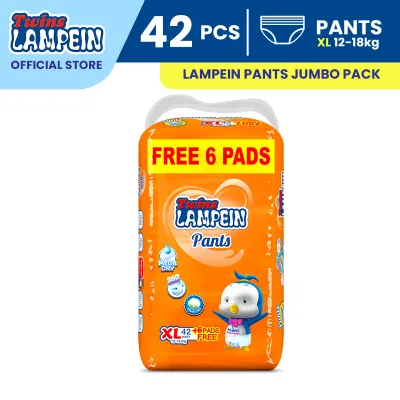
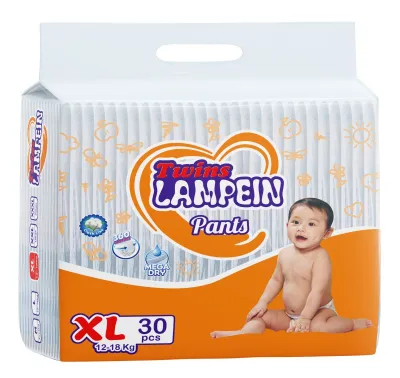
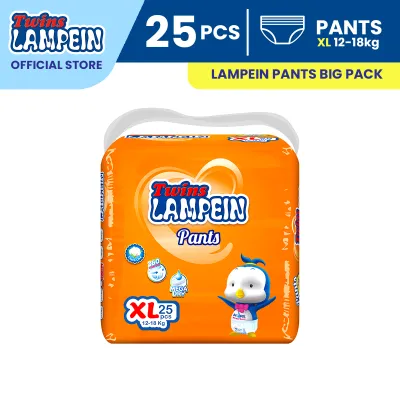
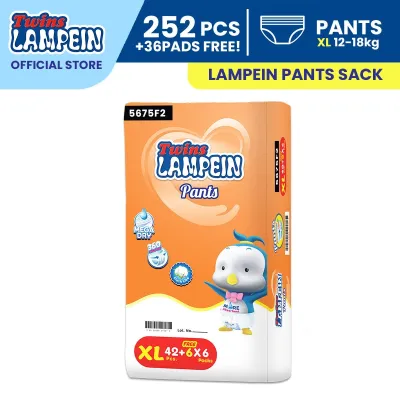

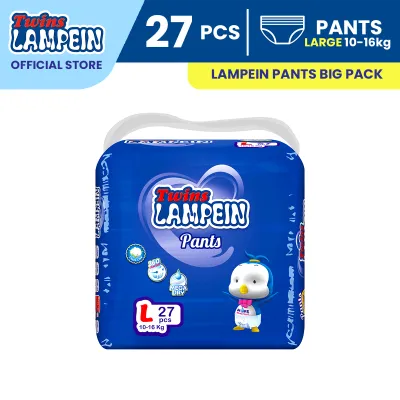
Prices are valid at publication and may change. Please refer to the product page for the latest price.
Furthermore, XL pants diapers feature specific structural designs tailored for older toddlers. These include wider, more elastic waistbands that stretch with a toddler’s expanding belly after meals, as well as reinforced double leg cuffs. These structural elements are engineered to handle heavier wetting volumes and to stay secure during vigorous physical activities like running, jumping, and climbing.
Comparing Fit and Comfort Across Brands
To evaluate how well Pampers, Equator, and Huggies fit your toddler, you must observe the diaper in action and inspect your child’s skin regularly. After removing a diaper, carefully examine the areas around the waist and thighs. If you notice deep red marks, indentations, or chafing, the elastic bands may be too tight, indicating that the specific brand’s cut is too narrow or that it is time to size up.

Another key aspect of fit is how the diaper behaves while your toddler is in motion. Observe your child as they crawl, walk, squat, or climb. A well-designed diaper should hug the torso without sagging at the crotch or bunching excessively between the thighs when dry. Excessive sagging can restrict movement and increase the likelihood of friction-induced skin irritation.
Finally, compare the tactile feel of the inner and outer liners of each brand. In a humid tropical climate, the softness and breathability of the materials are critical for comfort. Read the manufacturer’s labels on the packaging to verify claims regarding micro-pores, air circulation channels, or cotton-like materials, and feel the liners yourself to assess their softness against your toddler’s delicate skin.
Evaluating Absorbency and Leak Protection
Absorbency is a primary concern for parents, especially during long outings or overnight sleep. One practical way to monitor performance is by observing the wetness indicator lines on the outside of the diaper. Note how quickly these lines change color after your toddler urinates and whether they remain clear and easy to read, which helps you time your changes before saturation occurs.
It is also important to assess the integrity of the diaper’s absorbent core after several hours of wear. When you change your toddler, feel the wet diaper to see if the internal absorbent material has clumped together into heavy, sagging lumps or if it has distributed the liquid evenly across the core. A core that clumps easily can sag, pull the diaper down, and cause discomfort or premature leaks.
Keep a simple log of when and where leaks occur to identify structural weak points. If leaks consistently happen around the waistband when your toddler is sleeping on their stomach, the diaper may lack sufficient front rise or waist sealing. If leaks occur around the thighs during active daytime play, the leg cuffs may not be forming a secure, flexible seal against your toddler’s legs.
Assessing Skin Sensitivity and Breathability
Toddler skin is highly sensitive, and the combination of friction, moisture, and heat can quickly lead to diaper rash. Before purchasing a new brand, inspect the ingredient and feature list on the packaging. Look for details regarding added botanical lotions, synthetic fragrances, or specific materials that might trigger allergic reactions or skin sensitivities in your child.
Regularly inspect your toddler’s skin in high-friction zones, such as the groin creases, inner thighs, and waistband area. Look for signs of localized redness, heat, or small bumps that indicate sweat retention or friction rub. In the Philippines’ warm climate, a diaper with poor breathability can trap heat and moisture, rapidly accelerating the development of painful rashes.
If your toddler develops persistent redness or skin irritation that does not resolve with frequent diaper changes and the application of a standard barrier cream, establish a clear safety protocol. Discontinue the use of the current diaper brand immediately and switch to a fragrance-free alternative. If the irritation persists, spreads, or causes your child distress, consult a pediatrician or qualified healthcare professional for guidance.
Calculating Value and Cost per Diaper
When managing a household budget, comparing the upfront retail price of a diaper pack can be misleading. As diaper sizes increase to XL and beyond, manufacturers typically reduce the number of pieces included in each package. Always check the exact count of diapers inside the pack rather than relying on generic terms like “Mega” or “Super” pack.
To establish an accurate baseline for comparison, calculate the cost per individual diaper in ₱. Divide the total price of the pack by the number of diapers it contains. Performing this simple calculation allows you to compare different packaging sizes, promotional bundles, and retail formats across local supermarkets and online marketplaces to find the true unit cost.
Additionally, factor the frequency of required changes into your financial calculations. A cheaper diaper that leaks frequently or has lower absorbency may require changing every two hours, whereas a slightly more expensive diaper might keep your toddler dry and comfortable for longer periods. In the long run, using fewer high-performing diapers can be more cost-effective than constantly replacing cheaper, lower-capacity alternatives.
Decision Framework: Which Brand Fits Your Toddler?
To finalize your choice among Pampers, Equator (Lampein), and Huggies, use a structured decision framework based on your specific household priorities and your toddler’s physical needs:
- Choose Pampers if your primary goal is a specific, streamlined fit profile and a lightweight material feel that your toddler has historically tolerated well during active daytime play.
- Choose Equator (Lampein) if you are looking for a practical balance of functional features and a competitive cost per piece in ₱ that fits comfortably within your monthly household budget.
- Choose Huggies if your toddler's unique body shape or active movement patterns require a different cut, higher waistband rise, or specific elastic tension to prevent leaks.
Regardless of these general guidelines, always prioritize your toddler’s skin health. If your child has known skin sensitivities or a history of contact dermatitis, prioritize fragrance-free options and diapers with verified material certifications over general fit characteristics or price points. Testing a small pack of each brand is the most reliable way to observe how the diaper performs under real-world conditions.
Frequently Asked Questions (FAQ)
How do I know if my toddler needs to move up to XXL diapers?
You can identify the need to transition to a larger size by observing physical and performance cues. If you experience frequent leaks around the leg cuffs or waistband even when the diaper is not fully saturated, the current size may lack the necessary volume capacity or coverage. Additionally, if the waistband leaves deep, persistent red marks on your toddler’s skin, or if the diaper sits too low on the hips and fails to cover the backside fully, it is time to check if your toddler’s weight has reached the upper limit of the XL packaging and transition to XXL.
Can I mix different diaper brands for daytime and nighttime use?
Mixing different diaper brands is a highly practical and cost-effective strategy for many families. You can use a lighter, highly breathable, and more budget-friendly brand for daytime hours when you change your toddler frequently and they are highly active. For overnight sleep, you can switch to a higher-capacity, premium diaper that offers extended absorbency to ensure your toddler enjoys uninterrupted rest. If you adopt this strategy, monitor your toddler’s skin closely to ensure that alternating between different materials, elastics, and adhesives does not cause localized irritation.

Community discussion
Share your experience or ask a question. Comments are reviewed before publication.