
Finding the best value on a 50-piece pack of tape diapers requires looking beyond the initial price tag on your favorite online marketplace. While a lower upfront cost is highly appealing, true value is determined by how well a diaper performs under daily conditions, especially in a warm and humid tropical climate. If a diaper is inexpensive but leaks frequently or causes skin irritation, you will end up changing your baby more often, which quickly negates any initial savings. To find the most cost-effective option among major brands like Pampers, Equator, and Huggies, you must balance the price per individual piece with your baby’s specific physical needs, skin sensitivity, and activity level.
Defining Your Budget and Diapering Priorities
Every household has unique diapering priorities that dictate whether a specific brand is worth the investment. Before comparing prices, it is essential to identify your non-negotiable features versus those that are simply nice to have. In a tropical environment where humidity is constantly high, features like breathability and rapid moisture absorption are often non-negotiable to keep your baby’s skin dry and healthy. On the other hand, features like wetness indicator strips or elaborate cartoon designs might be secondary considerations that you can compromise on to save money.
Your baby’s current developmental stage and physical build also play a massive role in determining which diaper design works best. A newborn who spends most of the day lying down requires a diaper with excellent back leak guards, whereas an older baby who has started rolling or crawling needs highly flexible, secure side tapes. If the diaper does not match your baby’s current mobility level, you will likely experience frequent blowouts, leading to wasted diapers and increased laundry costs.
Products mentioned in this guide
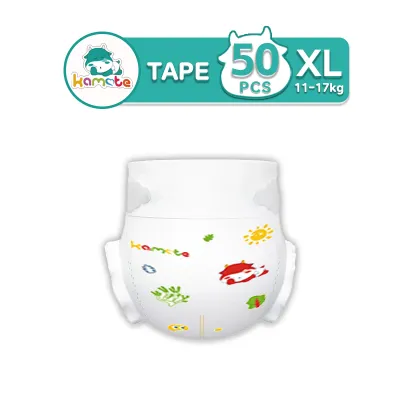
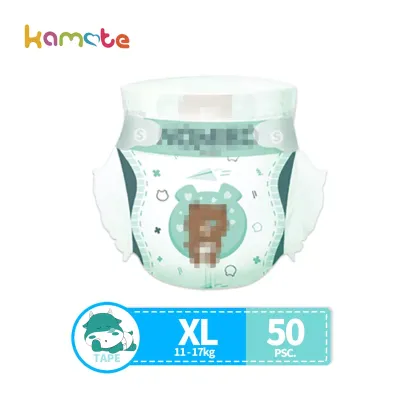
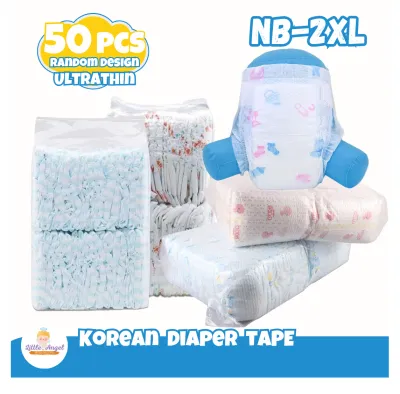
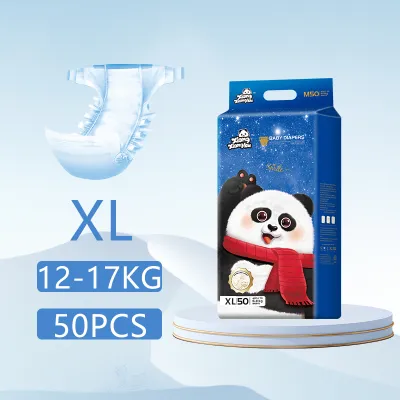
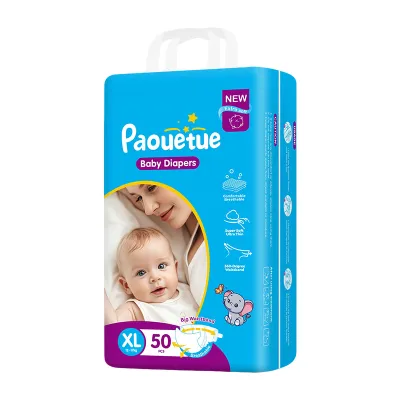
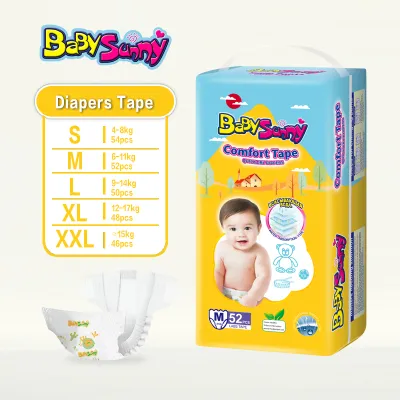
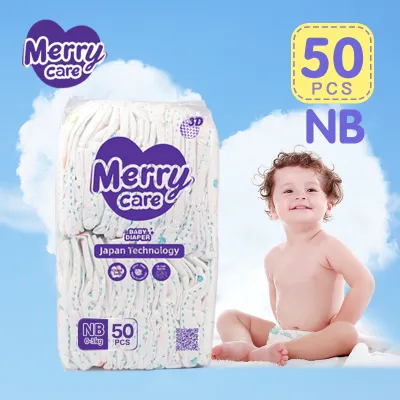
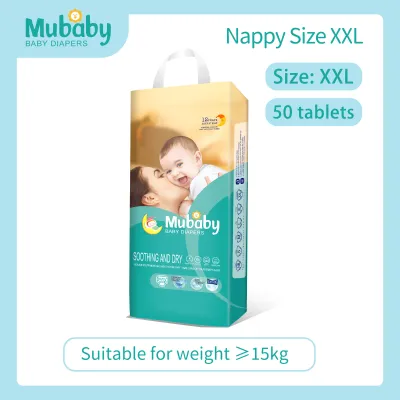
Prices are valid at publication and may change. Please refer to the product page for the latest price.
To establish a realistic diapering budget, start by tracking your baby’s average daily diaper consumption over a week. Multiply this number by thirty to estimate your monthly usage, and then set a target cost-per-piece threshold in Philippine Pesos (₱). For instance, if you aim to spend no more than ₱8 to ₱12 per diaper, you can easily filter out packs that exceed this range. This structured approach ensures you only pay for features that actively contribute to your baby’s comfort and your peace of mind.
Comparing Pampers, Equator, and Huggies for Your Baby
Understanding the design philosophies of Pampers, Equator, and Huggies helps you match the right diaper to your baby’s body shape and skin needs. Each brand approaches leak protection, fit, and material selection differently, catering to distinct parenting preferences.

Pampers is widely recognized for its focus on a lightweight, contoured fit and reliable moisture distribution. Their tape diapers typically feature thin absorbent cores designed to pull wetness away from the skin quickly and distribute it evenly to prevent sagging. When examining a Pampers 50-piece pack, look closely at the packaging labels to identify the specific product line, as some variants emphasize extra dryness for overnight use while others focus on premium softness for newborns.
Equator, along with other Korean diaper alternatives, has gained significant popularity in the market due to its distinct construction style. A typical Korean diaper 50 pcs tape pack is characterized by an ultra-slim profile and exceptionally soft, cotton-like materials designed to minimize friction against delicate skin. These brands often prioritize high breathability, which is highly beneficial in warm climates to prevent heat rash. When considering Equator or similar Korean imports, always verify the manufacturer’s claims regarding core technology and breathability directly on the packaging, as import standards and feature sets can vary.
Huggies diapers are often designed with active babies in mind, featuring robust construction and secure fastening systems. They are well-known for their stretchy waistbands and pocketed back waistbands, which are specifically engineered to trap runny messes and prevent back leaks. The leg cuffs and leak guards on Huggies tape diapers tend to be highly defined, making them an excellent option for babies who are constantly moving, crawling, or pulling themselves up.
Regardless of which brand you lean toward, never rely solely on age recommendations when purchasing a 50-piece pack. Sizing standards vary significantly between Western-designed brands and Asian or Korean diaper brands. Always cross-reference your baby’s current weight with the specific weight chart printed on the side of the packaging to ensure a snug, leak-free fit.
How to Calculate the True Cost per Piece
Comparing diaper prices on online marketplaces can be deceptive because listing prices rarely reflect the final amount you pay. To find the absolute best deal, you must calculate the true cost per piece using a simple mathematical formula.
To find the exact cost per piece, use this formula: Cost per Piece = (Total Purchase Price – Discounts + Shipping Fees) / Total Number of Diapers
For example, if a 50-piece pack of tape diapers costs ₱500, but you have a store voucher for ₱50 and must pay ₱60 for shipping, your calculation would be: (₱500 – ₱50 + ₱60) / 50 = ₱10.20 per piece By performing this quick calculation before checking out, you can easily compare different brands and pack sizes on an equal footing.
Shipping fees are a critical variable that many parents overlook when shopping online. Because 50-piece diaper packs are bulky and relatively heavy, shipping costs can escalate quickly, especially if you live outside major metropolitan areas in the Philippines. Sometimes, a slightly more expensive pack that qualifies for free shipping or local pickup ends up being cheaper overall than a discounted pack with high shipping rates.
To lower your overall cost per piece, look for opportunities to leverage platform-specific promotions, store loyalty points, and bulk subscription options. Many authorized online distributors offer recurring delivery discounts that automatically lower the price of each pack. However, you should always remain cautious and avoid assuming that the largest pack size or a bulk bundle automatically guarantees the lowest unit price. Always run the formula on the current promotional price to verify the actual savings.
Smart Checks Before Buying 50-Piece Packs in Bulk
Committing to a 50-piece pack of tape diapers is a financial investment, and making a hasty purchase can lead to wasted money if the product is unsuitable or damaged. Performing a few smart checks before finalizing your order will protect your budget and ensure your baby’s safety.
First, always check the manufacturing or expiration dates printed on the diaper packaging. While disposable diapers do not spoil like food, their adhesive tapes, elastic bands, and absorbent polymers can degrade over time, especially when stored in hot, humid conditions. Most manufacturers recommend using diapers within three years of the production date to ensure optimal performance and tape stickiness.
Second, verify the authenticity of the seller when shopping on online marketplaces. Look for official brand store badges, high seller ratings, and detailed customer reviews that include photos of the actual packaging. Counterfeit diapers or products stored in damp, unventilated warehouses can carry mold, dust, or chemical odors that pose a risk to your baby’s health.
Third, familiarize yourself with the seller’s return and exchange policies before opening a new pack. Some retailers allow exchanges if you accidentally purchase the wrong size, provided the outer packaging remains sealed. However, once a pack is opened, returns are rarely accepted due to hygiene regulations, making it even more important to double-check your order details before payment.
Finally, observe your baby’s physical growth patterns before buying multiple bulk packs. If your baby is currently near the upper weight limit of their current diaper size, purchasing a 50-piece pack is highly risky. Babies can undergo sudden growth spurts, and you may find yourself stuck with half a pack of diapers that are suddenly too tight, cause red marks, or leak constantly.
Frequently Asked Questions (FAQ)
How do I know if a tape diaper is the right size for my baby?
To determine if a tape diaper fits correctly, always rely on the manufacturer’s weight chart printed on the 50-piece pack rather than your baby’s age. Physical indicators are also highly reliable signs of a poor fit. If you notice deep red marks around your baby’s thighs or waist, or if the diaper frequently leaks despite not being completely full, these are clear signs that it is time to transition to the next size up. Additionally, the diaper tape should fasten easily near the center of the waistband without requiring you to pull or stretch the material excessively.
Are Korean diaper brands generally better for sensitive skin?
Korean diaper brands, including options like Equator, are highly regarded for their focus on ultra-soft, lightweight, and breathable materials. This design approach can help reduce friction and keep skin dry, which is beneficial for babies prone to irritation in humid climates. However, no diaper can guarantee absolute safety from diaper rash, as individual skin sensitivities vary greatly. Parents should always inspect the material list on the specific packaging and closely monitor their baby’s skin reaction during the first few days of using a new brand.
When should I switch from tape diapers to pants-style diapers?
The transition from tape diapers to pants-style diapers is typically driven by your baby’s developmental milestones rather than their age or weight. Once your baby becomes highly active, rolls over constantly during changes, or resists lying down, fastening tape diapers can become incredibly challenging. Pants-style diapers allow for quick, standing changes, making them far more convenient for active toddlers. They are also highly beneficial when your child begins showing interest in early potty training, as they can be easily pulled up and down like regular underwear.

Community discussion
Share your experience or ask a question. Comments are reviewed before publication.