
When comparing Pampers, Equator, and Huggies in the convenient 10-piece diaper pants pack, there is no single option that fits every baby perfectly. The ideal choice depends on your baby’s current weight, body shape, activity level, and how their skin reacts to the tropical heat and humidity of the Philippines. Instead of relying on brand names alone, the most reliable approach is to compare the physical features, elastic designs, and material specifications printed on each pack. A 10-piece pack serves as an excellent, low-risk trial size to test these variables before committing to a larger box.
By focusing on observable characteristics—such as the stretch of the waistband, the height of the leak guards, and the texture of the inner lining—you can determine which brand matches your baby’s daily routine. This guide outlines how to evaluate these critical factors so you can make an informed, practical decision at the grocery shelf or online checkout.
Evaluating Absorbency and Leak Protection Features
Absorbency is the primary defense against leaks and diaper rash, especially in warm climates where trapped moisture can quickly irritate delicate skin. When examining a 10-piece pack of diaper pants, look closely at the packaging for descriptions of the absorbent core. High-quality diaper pants typically feature advanced channel designs or superabsorbent polymer (SAP) gel beads distributed evenly throughout the core. These channels are designed to distribute liquid rapidly, preventing the diaper from sagging or clumping in one spot when wet.
Products mentioned in this guide
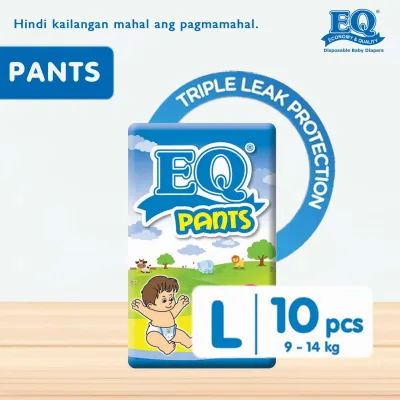
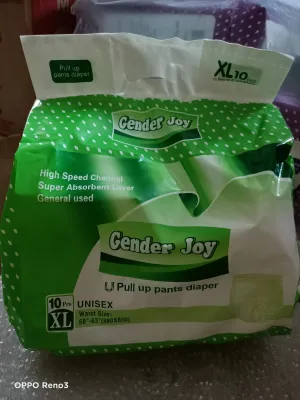
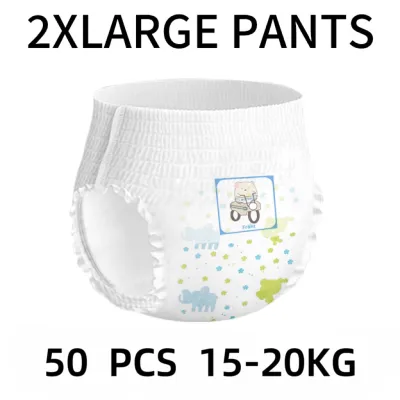
Prices are valid at publication and may change. Please refer to the product page for the latest price.
Beyond the internal core, physical barriers on the diaper itself play a massive role in containing messes. Open a sample diaper and inspect the leg cuffs. You should look for double leak guards, which are the elasticized inner barriers running parallel to the leg openings. Gently pull these guards outward to verify their height and elasticity; taller, highly flexible guards provide a more secure seal against sudden blowouts during active play or naptime.
Lastly, consider how the diaper’s capacity aligns with your baby’s daily patterns. Many brands include a wetness indicator line on the outer cover that changes color when wet, which is highly useful for monitoring when a change is needed. For active daytime use, a lighter diaper with rapid distribution channels may be preferable, whereas overnight use requires a core designed for high-volume retention. Checking these packaging specifications helps you match the diaper’s design to your baby’s specific wetting habits.
Comparing Fit, Elasticity, and Comfort Mechanics
Because diaper pants are pulled up rather than fastened with adjustable tapes, the elasticity of the waistband is the most critical factor for a secure fit. Examine the packaging for terms like “360-degree stretch” or “flex-fit designs.” When you handle the diaper, test the physical give of the waistband by stretching it fully. It should expand easily to accommodate your baby’s tummy after feeding, yet retract firmly enough to prevent the diaper from slipping down as they crawl or walk.

Leg openings require equal attention, particularly for babies with different body types. If your baby has chunky thighs, tight or stiff leg elastics can leave painful red marks and restrict circulation. Conversely, if your baby has a slender build, loose leg openings will inevitably lead to side leaks. Look for diaper pants that feature soft, wide leg gathers that distribute pressure evenly around the thighs rather than digging into the skin.
Mobility is another key consideration. A bulky diaper can restrict a baby’s natural movements during crucial developmental stages like crawling, cruising, and walking. Compare the overall thickness of the dry diaper pants. Thinner, more streamlined designs often allow for greater freedom of movement, provided they do not compromise on the absorbency features detailed on the packaging.
Checking Material Quality and Skin Sensitivity Factors
Tropical humidity makes breathability and material softness non-negotiable for baby skin care. When evaluating diaper pants, feel the inner lining texture of a sample if possible, or look for descriptive terms on the packaging such as “cotton-like,” “quilted,” or “silk-soft.” A textured or quilted inner sheet is often beneficial because it minimizes direct contact between the skin and wetness, allowing air to circulate even when the diaper is partially full.
To minimize the risk of diaper dermatitis, check the packaging for specific skin-safety claims. Look for labels indicating the product is hypoallergenic, fragrance-free, or dermatologically tested. Fragrances and certain chemical wetness indicators can occasionally trigger allergic reactions in babies with highly sensitive skin, making plain, unscented options a safer starting point.
Breathability of the outer cover is equally vital. Look for packaging graphics or descriptions highlighting micro-pores or air-flow channels that allow hot air and moisture to escape while keeping liquid contained. Additionally, note if the manufacturer has added soothing lotions or botanical extracts like aloe vera or chamomile to the inner liner. While these additives are designed to protect the skin barrier, they can occasionally cause sensitivity, so it is wise to perform a brief patch test with a single diaper before using the entire pack.
Assessing Value and Cost Per Piece
To find the most cost-effective option, you must look past the total price of the 10-piece pack and calculate the exact cost per piece. This is done by dividing the total retail price of the pack by 10. For example, if a pack costs ₱120, the cost per piece is ₱12. Establishing this baseline allows you to compare different brands objectively, regardless of temporary shelf pricing or packaging variations.
However, the cheapest diaper is not always the most economical. You must factor in the absorbency-to-price ratio. If a slightly more expensive diaper pant (e.g., ₱15 per piece) can comfortably last through the night without leaking, it may offer better overall value than a cheaper diaper (e.g., ₱10 per piece) that requires multiple changes and extra laundry due to leaks. Consider your daily usage rate when calculating your monthly diaper budget.
To maximize your savings, look for purchasing opportunities beyond standard retail shelves. Official brand stores and major online marketplaces frequently offer bundle deals, subscription discounts, or loyalty program perks. Buying 10-piece packs is ideal for testing, but once you identify the brand that fits your baby best, transitioning to larger bulk boxes through these promotional channels will significantly lower your average cost per piece.
Decision Framework: Which Brand to Choose?
Your final choice among Pampers, Equator, and Huggies should be based on a matching process between your baby’s physical needs and each brand’s specific design strengths:
- Choose Pampers if your primary goal is a slim, highly flexible fit with advanced channel technology. This option is often suitable for highly active babies who need maximum mobility during the day without the bulk, provided the packaging claims align with a fit profile you have previously verified.
- Choose Huggies if your baby is prone to leg or back leaks and requires a highly secure, pocketed waistband or robust double leak guards. This design is particularly helpful for babies who are transitioning to crawling or those with a body shape that benefits from structured, elasticized barriers.
- Choose Equator if you are looking for a highly economical option for frequent daytime changes. If your baby has a predictable changing schedule and does not require heavy-duty overnight absorbency, this brand can offer excellent baseline protection while keeping your cost per piece significantly lower.
Before committing to a large bulk purchase, always buy a single 10-piece pack of your preferred brand. Use these ten diapers to observe how the waistband sits on your baby’s tummy, check for any skin redness after a few hours of wear, and monitor how well the core handles a typical wetting cycle. This practical trial ensures you invest in the diaper that truly supports your baby’s comfort.
Frequently Asked Questions (FAQ)
Can I mix different brands of diaper pants during the day and night?
Yes, mixing diaper brands is a highly effective strategy to balance your budget and your baby’s comfort. Many parents use a highly absorbent, premium diaper pant for overnight sleep or long outings where changes are difficult. During the day, when you can change your baby more frequently, you can switch to a more budget-friendly diaper pant. This approach ensures your baby stays dry during long sleep stretches while reducing your overall monthly diaper expenses.
How do I know if the 10-piece pack size is the right fit for my baby's current weight?
To determine the correct fit, first check the weight range printed on the side of the 10-piece pack. Because baby body shapes vary, weight ranges are only a starting guide. You should also watch for physical signs of a poor fit during use. If you notice deep red marks around your baby’s thighs or waist, frequent side leaks, or if the waistband sits well below the belly button, it is time to size up. If the diaper gaps at the legs or slides down when your baby moves, the size is likely too large.

Community discussion
Share your experience or ask a question. Comments are reviewed before publication.