
Choosing the right diaper for an active baby is one of the most frequent decisions caregivers face. The optimal choice among Pampers, Equator, and Huggies small pants diapers depends heavily on your baby’s unique thigh thickness, waist shape, and movement level, rather than a single universal winner. In a warm and humid tropical climate like the Philippines, finding a diaper that balances a secure fit with reliable air circulation is essential for keeping your baby comfortable and preventing painful skin chafing.
Transitioning from traditional tape diapers to a small pants diaper usually happens when babies become highly active, rolling, crawling, or wriggling during changes. Pants diapers slide on easily like underwear, making changes quicker, but they rely entirely on elastic waistbands and leg cuffs rather than adjustable tape. This guide provides a practical, observation-based approach to evaluating these three popular brands, helping you determine which option offers the most secure fit and reliable protection for your little one.
Decoding "Small" Sizing and Physical Fit Checks
Although many brands label their diapers as “Small,” sizing is not standardized across Pampers, Equator, and Huggies. A small pants diaper from one manufacturer may feel significantly tighter or looser than a small from another. Caregivers should always cross-check the manufacturer’s weight ranges printed on the packaging. These ranges are helpful guidelines, but they do not account for different body shapes, such as a baby with a round tummy versus one with long, lean legs.
Products mentioned in this guide
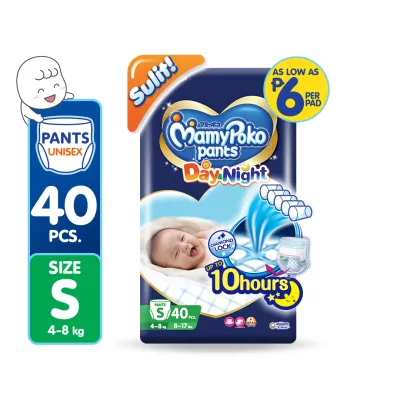
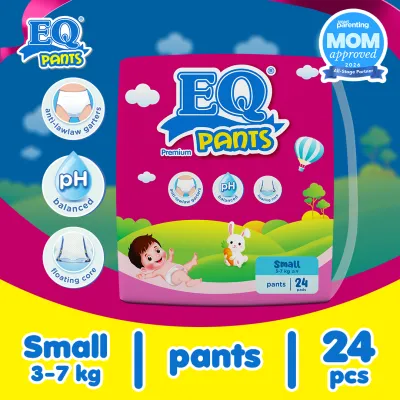

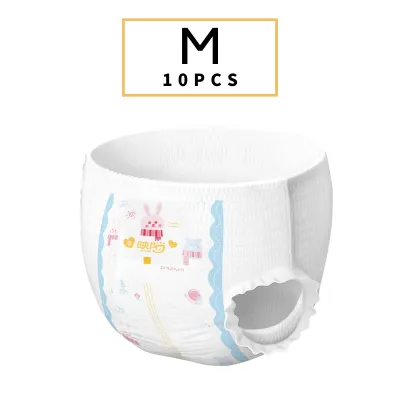
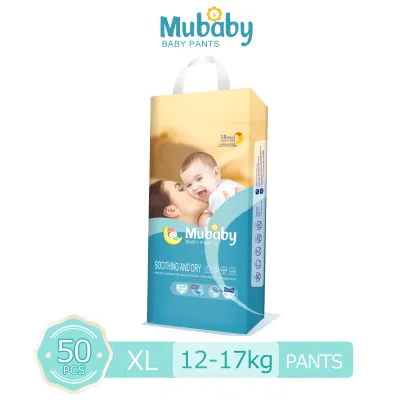
Prices are valid at publication and may change. Please refer to the product page for the latest price.
To ensure a proper fit, perform a quick waistband check after putting the diaper on your baby. Slide two fingers comfortably inside the waistband; the elastic should snuggle against the skin without digging in. If you notice deep red marks or indentations on your baby’s waist or hips after removal, the elastic may be too restrictive, indicating that you need to try a different brand or size up.
Next, inspect the leg cuffs carefully. Run your finger around the leg openings to ensure the inner and outer elastics flare outward like butterfly wings rather than tucking inward. Tucked-in leg cuffs are a primary cause of side leaks, especially when babies are on the move. The elastic around the thighs should be snug enough to prevent gaps but gentle enough to avoid leaving red rings.
Finally, observe your baby during active play, such as crawling, rolling, or pulling up. Watch for any signs of friction, bunching, or sagging. If the pants style slides down and exposes the lower back during movement, the diaper may be too loose or the rise may be too short for your baby’s torso. A well-fitting diaper should stay securely in place, moving naturally with your baby’s body without restricting their range of motion.
Evaluating Absorbency Claims and Core Structures
When comparing absorbency, caregivers must look past marketing slogans and evaluate the physical core structures of the diapers. Review the product packaging to identify key material indicators, such as superabsorbent polymer (SAP) gel beads, distributed channel designs, or multi-layer structures. These materials are designed to draw liquid away from the surface quickly and distribute it evenly across the core to prevent heavy pooling in one spot.

Many modern small pants diapers feature a wetness indicator line on the outside of the diaper. This line typically changes color, such as from yellow to blue, when exposed to moisture. You can use this indicator to establish a personalized changing schedule based on your baby’s unique output. In warm, humid conditions, keeping track of this line helps prevent leaving a wet diaper on for too long, which can quickly lead to skin irritation.
To judge real-world absorbency limits, monitor the diaper closely after your baby wears it. Look for signs of clumping or severe sagging when the diaper is wet. A core that clumps or sags heavily between the legs can restrict your baby’s movement and pull the waistband down, increasing the risk of leaks. You can also perform a simple touch test: gently press a dry tissue against the inner lining of a used diaper during a change. If the tissue comes away damp, the core is not locking moisture away effectively.
Additionally, always check the manufacturer’s recommended maximum wear time for daytime versus nighttime use. Some diaper variants are optimized for active daytime wear, featuring a thinner, more flexible core, while others are designed with extra absorbent capacity for overnight sleep. Using a diaper beyond its intended capacity or wear time can overwhelm the absorbent core, regardless of the brand’s quality.
Assessing Leak Protection and Breathability
Preventing leaks requires a combination of reliable physical barriers and proper diaper positioning. Examine the standing leg gathers, which are the inner elastic barriers running along the leg openings. These gathers must stand upright against the groin crease to catch liquid and runny stool. Some brands also feature a back waistband pocket or elastic barrier designed to catch liquid stool and prevent messy blowouts when your baby is lying down.
In tropical climates, breathability is just as important as leak protection. High humidity can trap heat and sweat inside the diaper, creating a breeding ground for diaper rash. Feel the outer backsheet material of the diaper; a high-quality backsheet should feel soft and cloth-like rather than stiff or plasticky. A breathable, micro-porous outer cover allows air to circulate freely while keeping moisture locked inside, helping to keep your baby’s skin dry and cool.
If you experience frequent leaks, it is important to identify the specific trigger rather than assuming the diaper is defective. Common leak triggers include:
- Incorrect Sizing: A diaper that is too large leaves gaps at the legs, while a diaper that is too small cannot hold the volume of urine.
- Improper Positioning: The front and back of the pants must be pulled up to equal heights, and the waistband should sit symmetrically.
- Saturated Cores: Leaving the diaper on past its absorbency limit causes liquid to escape through the seams.
To minimize leaks, always take a moment to adjust the diaper’s fit after pulling it up. Smooth out the waistband elastics and ensure the leg gathers are fully extended outward. Avoid overstretching the elastics during application, as this can weaken the material and cause the diaper to lose its shape during play.
Managing Skin Sensitivity and Comfort
A baby’s skin is incredibly delicate and highly sensitive to friction, moisture, and chemical additives. Before introducing a new brand of small pants diapers, review the ingredient and material lists on the packaging. Look for potential irritants such as added fragrances, elemental chlorine, or specific synthetic lotions. If your baby has highly sensitive skin, choosing fragrance-free and hypoallergenic options can help minimize the risk of contact dermatitis.
Before putting a diaper on your baby, perform a simple touch test on the inner lining. Run your fingertips or the sensitive skin of your inner wrist over the material to gauge its softness. The lining should feel smooth and gentle, with no rough edges or scratchy seams that could rub against your baby’s thighs or waist during movement.
If you observe persistent redness, a raised red rash, or small bumps in the diaper area, stop using that specific brand or variant immediately. Clean the skin gently with water, let it air dry completely, and consult a pediatrician or qualified healthcare professional for proper diagnosis and treatment. Do not rely on changing diaper brands to resolve an active medical skin condition.
Ultimately, maintaining skin health requires a proactive approach. No matter how advanced a diaper’s technology is, frequent changes—typically every two to three hours during the day, or immediately after a bowel movement—and regular air-drying sessions are the most effective ways to prevent diaper rash and keep your baby comfortable.
Decision Framework: Choosing the Right Brand for Your Baby
To find the right match for your baby, use this conditional decision framework based on your physical observations and your baby’s unique needs:
- Choose Pampers if: You observe that your baby has a leaner, more slender build, and you prefer a highly flexible, thin diaper that stretches easily around the waist to accommodate active crawling and rolling.
- Choose Equator if: You are looking for a practical, straightforward option for daily use, and your physical touch test confirms that the inner lining and elastic softness meet your standards for comfort.
- Choose Huggies if: Your baby has a rounder tummy or chubbier thighs, and you observe that their physical shape benefits from a more structured waistband and deep, secure leg gathers to prevent gaps.
If you experience persistent leaks, red marks, or skin irritation across all three brands in the “Small” size, your baby may be in between sizes. In this scenario, consider trying a “Medium” pants diaper, adjusting the fit, or consulting a healthcare professional to ensure there are no underlying digestive or skin issues.
Before committing to a bulk purchase, always buy a small trial pack of your chosen brand. Spending a small amount, such as ₱150 on a travel pack, is a practical way to test the fit, absorbency, and skin compatibility over a few days before investing in a larger box. Always verify the specific product label and manufacturer instructions on the packaging, as designs and materials can change over time.
Frequently Asked Questions (FAQ)
How do I know if the small pants diaper is too tight or too loose?
To check if a small pants diaper is too tight, look for deep red marks or elastic indentations around your baby’s waist, hips, or thighs after you remove the diaper. If you can easily slide two fingers inside the waistband and the leg cuffs, the tightness is usually correct. Conversely, a diaper is too loose if you observe gaps between the elastic and your baby’s skin, if the diaper sags heavily even when dry, or if you experience frequent leaks. Always consult the manufacturer’s weight chart and consider sizing up if your baby is near the upper weight limit.
Can I mix different diaper brands for daytime and nighttime use?
Yes, mixing different diaper brands is a practical and cost-effective strategy. Many caregivers use a highly breathable, lightweight brand for active daytime play to prevent heat buildup, and switch to a more absorbent, heavy-duty brand to ensure uninterrupted sleep overnight. If you decide to mix brands, ensure both options fit your baby’s body shape correctly to avoid friction or leaks during transitions. Always monitor your baby’s skin closely for any signs of redness or sensitivity when introducing a new brand into their daily routine.

Community discussion
Share your experience or ask a question. Comments are reviewed before publication.