
When transitioning your little one from tape diapers to a generic pants diaper, finding the perfect balance between performance, comfort, and household budget is a major milestone for Filipino parents. The tropical climate of the Philippines adds unique challenges to this decision, as high humidity and heat make breathability and rapid moisture absorption crucial for preventing skin irritation. With several prominent brands lining supermarket shelves, choosing the right diaper pants can feel overwhelming. Pampers, Equator, and Huggies each offer distinct advantages designed to cater to different parenting styles and baby development stages.
Determining which brand delivers the “best value” is not about finding a single universal winner, but rather identifying which diaper matches your baby’s specific daily routine and physical needs. For instance, a diaper that excels at keeping a baby dry through a long night’s sleep might carry a premium price tag, while a highly economical option might be perfect for frequent daytime changes. Generally, Pampers is recognized for its advanced liquid-distribution technologies, Huggies is celebrated for its secure, blowout-resistant fit on active babies, and Equator is favored as a budget-friendly option for cost-conscious households. Ultimately, true value is realized when you calculate the per-piece cost and observe how your baby’s skin and movement respond to the diaper’s materials. Before committing to a bulk purchase, parents should always verify the current packaging details, weight ranges, and ingredient lists of the specific variant they choose.
Absorbency and Leak Protection in a Generic Pants Diaper
To understand how these brands compare, it is essential to look at how modern diaper technology manages moisture. A high-quality generic pants diaper typically relies on a core composed of superabsorbent polymers (SAP) and cellulose fibers. When liquid enters the diaper, these materials quickly lock it away into a gel, preventing wetness from re-wetting the baby’s skin. In the Philippines, where heat and humidity can worsen diaper rash, keeping the skin dry is paramount. The speed at which a diaper draws liquid away from the surface and how evenly it distributes that liquid across the core are the primary factors in preventing leaks and maintaining skin health.
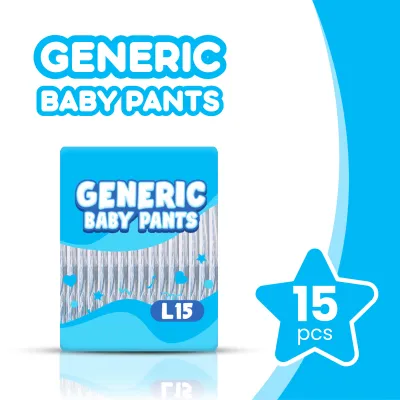
Products mentioned in this guide
![[BUNDLE SAVER] 2-Pack Happy Baby Pants Diapers MEDIUM (60 pieces) Generic](https://img.lazcdn.com/g/ff/kf/Sc3d64c73de864ca4b3ff2f4522a32276c.jpg_400x400q80.jpg_.webp)
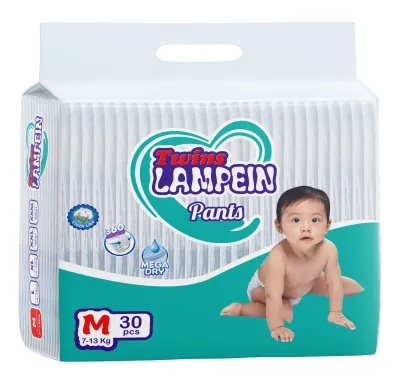
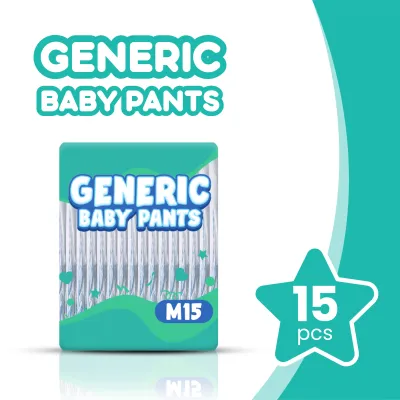
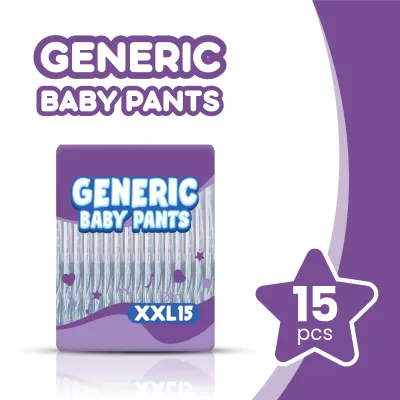
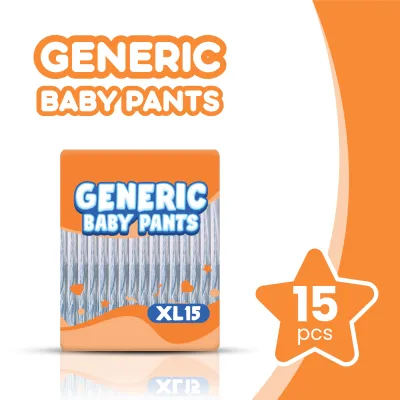
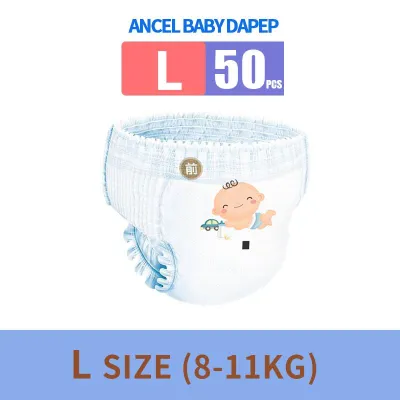
Prices are valid at publication and may change. Please refer to the product page for the latest price.
Pampers has long built its reputation on advanced absorbency features, often utilizing specialized distribution channels. These channels are designed to spread liquid evenly throughout the front, middle, and back of the diaper core rather than letting it pool in one spot. This design helps prevent the heavy, sagging clumping that can restrict a baby’s movement and lead to premature leaks. For parents looking for a diaper that can handle long stretches of wear, such as during travel or overnight sleep, this rapid absorption technology is a significant advantage that helps maintain dryness even under pressure.
Huggies takes a highly secure approach to containment, focusing heavily on leak prevention barriers. Many Huggies variants feature a pocketed waistband at the back, specifically designed to catch runny messes and prevent the dreaded up-the-back blowout. Additionally, their double-layered leg cuffs provide a snug seal around the thighs, which is highly effective at containing liquid during sudden movements. This makes Huggies a popular choice for babies who are constantly on the move, crawling, or rolling, where shifting positions can easily cause gaps in standard diaper designs.
Equator, on the other hand, is designed with a straightforward, standard absorbent core. While it does not feature the complex multi-channel distribution systems of premium brands, it provides reliable absorbency for regular daytime intervals. Equator diapers are highly suitable for parents who practice frequent diaper changes—every two to three hours—to keep their baby fresh. Because the core is simpler, it may saturate more quickly under heavy wetting, making it less ideal for uninterrupted overnight use but highly practical for structured daytime routines.
When shopping, parents should learn to interpret packaging claims carefully. Phrases like “up to 12 hours of dryness” are based on manufacturer laboratory testing under controlled conditions and do not guarantee every baby will experience the same duration. Factors such as the baby’s fluid intake, age, and physical activity will heavily influence how long a diaper lasts. Many modern pants diapers also feature a wetness indicator line on the outside, which changes color when wet. This is a highly convenient tool for busy caregivers, allowing them to verify wetness at a glance without having to unfasten or tear the sides of the diaper.
To evaluate a new diaper’s performance at home, you can perform a simple absorbency check. Pour a measured amount of warm water onto the center of the diaper, wait a few minutes, and then press a dry paper towel firmly against the topsheet. If the paper towel remains dry, the core is successfully locking away moisture. If you notice persistent leaks around the leg cuffs during actual use, it is often a sign that the diaper has reached its capacity limit or that it is time to size up, even if your baby’s weight still falls within the range printed on the packaging.
Fit, Comfort, and Skin Sensitivity Features
As babies grow and become more active, the physical design of a pants diaper becomes just as important as its absorbency. A diaper must stretch and flex with the baby’s movements without leaving harsh red marks or restricting circulation. Huggies pants diapers are widely recognized for their highly elastic, wide waistbands. This design mimics the feel of real underwear, distributing pressure evenly across the baby’s tummy and lower back. This stretchiness is particularly beneficial for babies who are transitioning from crawling to walking, as it keeps the diaper securely in place during vigorous play.

Pampers focuses on a highly flexible, adaptive fit that aims to minimize bulkiness. The materials used in Pampers waistbands and leg cuffs are designed to be thin and lightweight, contouring closely to the baby’s natural shape. This streamlined profile allows babies to move freely without a heavy mass of fabric between their legs, which can sometimes interfere with their natural stride. The side panels are also designed to tear away easily during changes, simplifying the process for parents dealing with a squirming toddler.
Equator provides a more traditional, standard elastic waistband. While it may not offer the same level of ultra-soft stretch or wide coverage as its premium competitors, it delivers a secure fit that keeps the diaper in place during normal daily activities. For babies who are not yet highly active or those who have a predictable daily routine, this standard fit is highly functional and comfortable, representing a practical compromise that helps keep household costs manageable.
In the tropical climate of the Philippines, breathability is a critical factor in maintaining healthy baby skin. Trapped heat and sweat can quickly lead to heat rash (commonly known as bungang-araw) and diaper dermatitis. When choosing a diaper, parents should physically examine the backsheet—the outer cover—to see if it features a microporous, cloth-like texture that allows air to circulate while keeping moisture inside. Feeling the topsheet with your own hand can also give you a good indication of how soft the material will feel against your baby’s delicate skin.
Addressing skin sensitivity requires careful attention rather than relying solely on marketing buzzwords. While many brands advertise their products as hypoallergenic or dermatologically tested, these terms are not standardized across the industry. Parents must take the initiative to check the ingredient list on the specific diaper packaging for any added lotions, fragrances, or parabens that could trigger an allergic reaction. Some babies thrive with scented diapers, while others with highly sensitive skin or eczema may experience immediate irritation from any added perfume.
Regardless of the brand you choose, caregiver vigilance is the most important defense against skin issues. If your baby develops persistent redness, chafing, severe diaper rash, or signs of skin irritation, immediately discontinue using that specific diaper variant. In such cases, switch back to a known safe option or consult a pediatrician or qualified healthcare professional to identify the underlying cause and receive appropriate medical guidance.
Calculating the True Per-Piece Cost
To find the genuine value of a diaper brand, parents must look beyond the initial price tag of a single pack. A larger pack may seem expensive upfront, but it often contains a higher quantity of diapers, resulting in a lower cost per individual change. To make an accurate financial comparison, use this simple formula: divide the total price of the pack by the exact number of diaper pants inside. This calculation gives you the per-piece cost, which is the only reliable metric for comparing different brands, pack configurations, and retail outlets.
In the Philippine market, diaper prices are typically represented in Philippine Pesos (₱). A premium brand like Pampers or Huggies might range from ₱10 to ₱15 per piece depending on the size, while a budget-friendly brand like Equator might cost between ₱5 to ₱8 per piece. However, calculating the true cost of diapering also requires analyzing your baby’s daily usage rate. This highlights the practical trade-off between upfront savings and long-term consumption.
Consider a scenario where a budget diaper costs ₱6 per piece, but because of its simpler core, it must be changed every two hours to prevent leaks and skin irritation. If your baby wears this diaper for 16 waking hours, you will use approximately 8 diapers a day, costing ₱48 daily. Now, consider a premium diaper that costs ₱12 per piece but features advanced absorbency that safely lasts for four hours between changes. In this case, you would only need 4 diapers for those same 16 hours, resulting in a daily cost of ₱48. While the daily financial expense is identical, the premium diaper saves you the time, effort, and laundry associated with more frequent changes, whereas the budget diaper allows you to maintain a highly hygienic routine of fresh, frequent changes without feeling like you are wasting expensive materials.
To get the best prices, parents should actively monitor official brand stores on e-commerce platforms, local physical supermarkets, and wholesale clubs in the Philippines. Prices can fluctuate significantly based on seasonal promotions, monthly double-day sales (such as 9.9 or 10.10), and bulk bundle discounts. Buying in bulk is generally the most cost-effective strategy, but parents must be careful not to buy too far ahead, as babies can quickly outgrow their current size.
It is also important to remember that as your baby grows, the per-piece cost of diapers naturally increases. Larger sizes (such as XL and XXL) require more raw materials to manufacture, so manufacturers pack fewer pieces into boxes sold at the same price point. When budgeting for your child’s diapering needs, always factor in these gradual price increases as your baby transitions through different developmental stages.
Final Verdict: How to Choose the Right Brand for Your Baby
Selecting the ideal diaper pants brand requires aligning your family’s daily routine, your baby’s physical development, and your monthly household budget. There is no single brand that fits every household perfectly, but by understanding the strengths and trade-offs of each option, you can make a highly practical decision. Use the following structured decision framework to guide your next purchase:
Choose Pampers if:
- You prioritize advanced moisture-wicking technology and need a diaper that can reliably keep your baby dry for extended periods, such as overnight sleep or long family outings.
- You prefer a lightweight, flexible, and low-bulk design that contours closely to your baby's body.
- You are willing to invest a higher upfront cost per piece in exchange for fewer daily changes and maximum skin dryness.
Choose Huggies if:
- Your baby is highly active, crawling, climbing, or walking, and requires a highly elastic, secure waistband that stays in place during movement.
- You want robust leak-prevention features, such as a pocketed waistband and double leg cuffs, to protect against sudden, messy blowouts.
- You are looking for a sturdy, reliable diaper that offers a snug, underwear-like fit for a growing toddler.
Choose Equator if:
- You are operating on a strict household budget and want to minimize your immediate out-of-pocket expenses on baby care products.
- Your daily routine allows for frequent, regular diaper changes every few hours, making heavy-duty overnight absorbency less of a priority during the day.
- Your baby has resilient skin that does not require specialized, premium moisture-wicking channels to remain comfortable and rash-free.
Verify first if:
- Your baby has highly sensitive skin or a history of eczema; always inspect the specific packaging of the variant you are buying to check for added fragrances, lotions, or potential allergens.
- You are transitioning between sizes or trying a brand for the first time; always purchase a small trial pack first to verify the physical fit and skin compatibility before investing in a large, non-refundable bulk box.
Ultimately, the best-value diaper is not simply the cheapest one on the shelf, nor is it the most expensive one with the most marketing claims. The true winner is the diaper that keeps your baby dry, comfortable, and free from skin irritation, while fitting seamlessly within your family’s daily schedule and financial means. By observing how your baby reacts to each brand and calculating your actual daily costs, you can confidently choose the option that delivers the best overall value for your home.
Frequently Asked Questions (FAQ)
When should I switch from tape diapers to pants diapers?
The transition from tape diapers to pants diapers is typically driven by your baby’s physical development and mobility rather than a specific age. When your baby becomes highly active—rolling over, crawling, pulling themselves up, or constantly wriggling during diaper changes—fastening tape tabs can become extremely challenging. Pants diapers are designed to be pulled up quickly, even while your baby is standing or playing, making changes much faster and less stressful for caregivers. Additionally, the stretchy waistband of pants diapers provides a more secure fit for babies who are constantly moving.
How do I know if the pants diaper is the right size?
While the weight ranges printed on diaper packaging serve as a helpful starting point, they are only general guidelines. Every baby has a unique body shape, so you should rely on physical signs to verify a proper fit. A well-fitting pants diaper should sit straight on your baby’s waist, just below the belly button, with no gaps around the thighs or waist. If you notice deep red marks or indentations on your baby’s skin, frequent leaks despite regular changes, or if the diaper looks like it is riding low, it is time to size up.
Can I use pants diapers overnight?
Yes, many standard pants diapers are suitable for overnight use, but their performance depends heavily on your baby’s wetting patterns. If your baby is a heavy wetter, standard daytime pants diapers may saturate before morning, leading to leaks and disrupted sleep. In these situations, you can look for specialized overnight pants diaper variants designed with enhanced absorbent cores, or try sizing up by one size for nighttime wear to provide extra capacity. Always monitor your baby’s skin in the morning to ensure they remain dry and comfortable throughout the night.

Community discussion
Share your experience or ask a question. Comments are reviewed before publication.