
Quick Answer: Which Diaper Brand Fits Your Baby Best?
Choosing the right diaper for your baby is a highly personal decision that depends on several unique factors rather than a single, universal standard. In the warm and humid climate of the Philippines, diaper performance can vary significantly from one household to another. What works perfectly for a neighbor’s infant might lead to leaks or skin irritation for your own, meaning the “best” brand is always the one that matches your baby’s physical build, skin tolerance, and your family’s monthly budget.
To simplify your decision, each of the three major brands in this comparison serves a distinct parenting need. Huggies is widely favored for its snug, contoured fit and robust elastic waistbands, making it an excellent option for active babies who are constantly crawling, rolling, or walking. Pampers is highly regarded for its exceptional material softness and reliable overnight absorbency, which helps babies stay dry and sleep through the night without wetness-induced wakeups. Equator stands out as a highly practical, budget-friendly alternative designed for frequent daytime changes, allowing parents to maintain hygiene without overspending.
Because every baby is shaped differently and has unique skin sensitivities, a trial run is always the safest and most economical approach. We highly recommend purchasing the smallest available pack of each brand before committing to bulk boxes or jumbo packs. This trial strategy allows you to observe how the diaper performs in real-world tropical conditions, ensuring you do not waste money on a large supply that might not fit your baby’s current developmental stage or might trigger a skin reaction.
Products mentioned in this guide
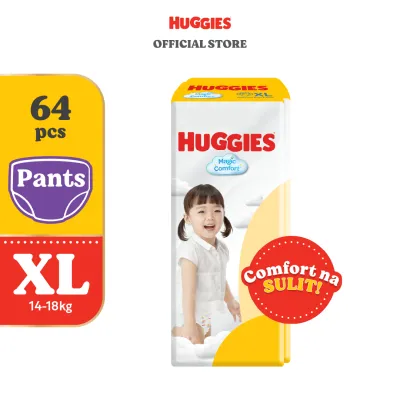
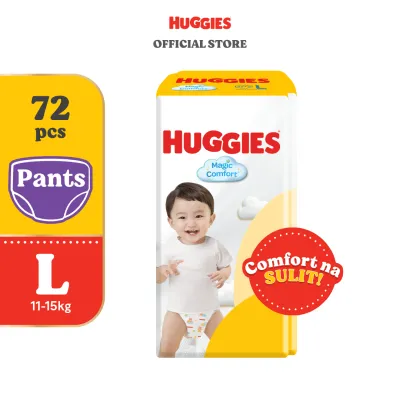
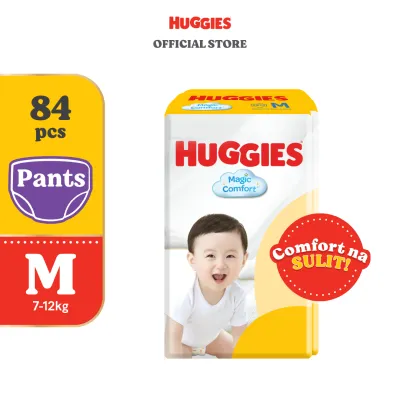
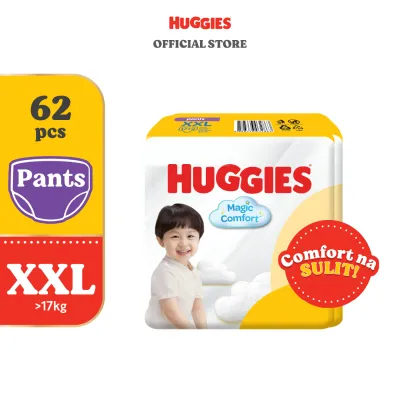
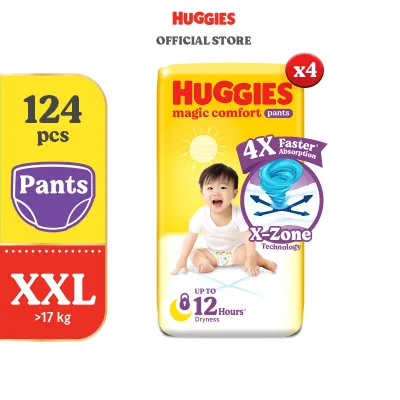
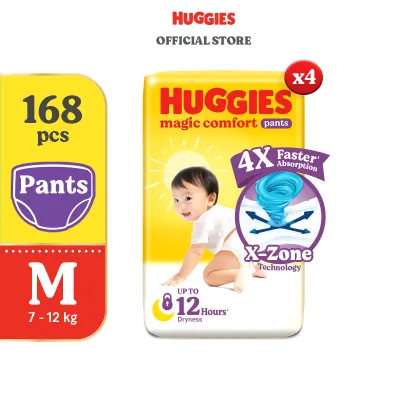
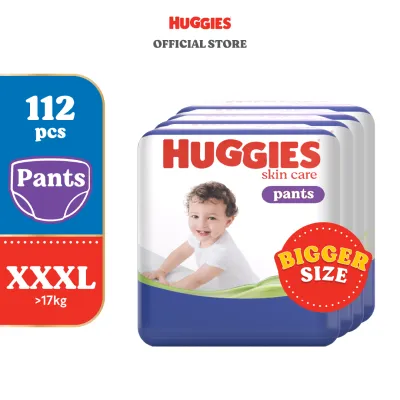
Prices are valid at publication and may change. Please refer to the product page for the latest price.
Key Decision Factors for Diapers in the Philippines
Absorbency and Leak Protection
A diaper’s primary function is to draw moisture away from your baby’s skin as quickly as possible and lock it securely inside the core. When evaluating absorbency, you must look at both the speed of liquid intake and the total holding capacity of the core materials. For overnight use, a high-capacity core is essential to prevent the diaper from sagging or leaking during long stretches of sleep. A diaper that fails to lock away moisture can cause wetness to wick back onto the baby’s skin, leading to sleep disruptions and physical discomfort.

Breathability and Climate
Managing baby skin care in the Philippines requires careful attention to the local tropical heat and high relative humidity. Diapers that lack adequate breathability trap warm air, sweat, and moisture against the baby’s delicate skin, creating an environment where bacteria and yeast can easily thrive. To prevent heat rashes and diaper dermatitis, parents should look for outer covers designed with micro-pores that allow air to circulate freely while keeping moisture safely contained inside. A breathable diaper helps maintain a cooler, drier microclimate within the diaper area, which is crucial for skin health.
Fit and Comfort
An optimal diaper fit is essential for preventing both messy blowouts and painful physical chafing. Babies come in all shapes and sizes, meaning a diaper design that fits a slender baby perfectly might cut into the skin of a baby with chubby thighs. Elastic waistbands, stretchable side panels, and double-layered leg cuffs must work together to create a secure seal without leaving deep red marks on your baby’s skin. The diaper should flex naturally with your baby’s movements, maintaining its protective seal whether they are sitting, crawling, or sleeping.
Skin Sensitivity
Baby skin is significantly thinner and more sensitive than adult skin, making it highly vulnerable to chemical irritants and friction. When choosing a diaper, it is important to verify the manufacturer’s packaging for specific product details, such as hypoallergenic labels, fragrance-free options, or lotion-free variants. In a hot climate, the interaction between sweat and added fragrances or chemical dyes can increase the risk of contact dermatitis. Parents of babies with highly reactive skin should prioritize minimalist, irritant-free diaper designs to minimize the risk of redness and rashes.
Brand Breakdown: Huggies, Pampers, and Equator
Huggies: Secure Fit and Active Movement
Huggies has established a strong reputation among parents for its focus on structural security and anatomical fit. The brand’s design philosophy centers on creating a diaper that moves with the baby, featuring robust elastic waistbands and contoured shapes that hug the hips securely. This secure fit is particularly effective at preventing “up-the-back” blowouts, which frequently occur when babies are sitting up or crawling actively.
The snug fit of Huggies is highly beneficial for babies with slender legs who often experience gaps and side leaks in looser-fitting diapers. The double-layered leg guards provide a reliable barrier against moisture escape, ensuring that liquid is directed into the absorbent core even during high-energy play. This makes Huggies a popular choice for parents of infants who have reached active developmental stages, such as crawling, pulling up, and walking.
When shopping for Huggies in the Philippines, parents will find a variety of product lines ranging from standard everyday options to premium, high-performance variants. It is important to inspect the specific packaging of the line you choose, as features like wetness indicators, specialized absorbent zones, and pocketed waistbands can vary. Always check the manufacturer’s weight and size guidelines on the package, as sizing can differ between their standard tape and pant-style diaper lines.
Pampers: Softness and Overnight Absorbency
Pampers is widely recognized for its emphasis on material softness and advanced moisture distribution. The inner and outer covers of Pampers diapers often feature a cloth-like texture designed to feel exceptionally gentle against a baby’s delicate skin. This focus on comfort and friction reduction makes Pampers a frequent choice for newborns and babies who are highly sensitive to physical chafing.
The core technology of Pampers is engineered to distribute wetness evenly across the diaper using specialized channels. This prevents the liquid from pooling in a single spot, which can cause the diaper to sag heavily between the baby’s legs and restrict their natural movement. By spreading the moisture uniformly, the diaper maintains a thinner, more comfortable profile even when it is highly saturated.
For parents who prioritize uninterrupted overnight sleep, Pampers’ high-absorbency lines are a popular option. The highly stretchable side panels accommodate babies with rounder bellies and thicker thighs comfortably, expanding naturally as the baby breathes and moves during sleep. Parents should look closely at the packaging of specific Pampers lines, such as their sensitive skin or premium care variants, to verify the exact features and ingredients used in the inner linings.
Equator: Budget-Friendly Everyday Options
Equator occupies a highly practical, value-driven niche in the Philippine diaper market, offering an economical alternative for families managing a tight household budget. This brand focuses on providing the essential functions of a disposable diaper without the added cost of premium features like complex printed designs, wetness indicators, or highly elasticized waistbands. It is designed to be highly accessible and functional for daily use.
Using a budget-friendly diaper like Equator requires a proactive diaper management strategy. Because these diapers may saturate faster under heavy use compared to premium overnight variants, they are best suited for daytime wear when parents can easily monitor and change the diaper every two to three hours. Frequent daytime changes are highly effective at keeping the baby dry and preventing skin irritation, regardless of the brand of diaper being used.
Many experienced parents maximize their diapering budget by adopting a hybrid approach. They use Equator diapers during the active daytime hours when changes are naturally more frequent, and switch to a premium, high-capacity diaper from Huggies or Pampers for bedtime or long family outings. This strategy provides excellent financial value while ensuring the baby remains dry and comfortable during extended periods without a change.
Comparing the Cost: Price per Diaper and Value
Calculating Cost per Diaper
To evaluate the true financial impact of your diaper choice, you must look past the total price of the package and calculate the cost per individual diaper. To do this, divide the total price of the pack by the exact number of diapers inside. This simple calculation allows you to compare different package sizes, such as jumbo packs, mega boxes, and promotional bundles, objectively. Often, larger bulk packages offer a lower cost per unit, but you must verify this math yourself to ensure you are getting a genuine discount.
Daytime vs. Overnight Economics
Managing diaper expenses effectively involves matching the performance of the diaper to the specific situation. During the day, babies should be changed frequently to maintain hygiene and prevent bacteria buildup, meaning the 12-hour absorbency of an expensive premium diaper is often underutilized. By using a highly economical diaper like Equator for daytime wear and reserving premium, high-absorbency diapers for overnight sleep, you can significantly reduce your monthly diaper expenses without compromising your baby’s comfort or sleep quality.
Where to Check for Deals
Parents in the Philippines can find substantial savings by shopping strategically. Monitor official brand stores on reputable online marketplaces and ecommerce platforms, as well as major local supermarkets and warehouse clubs, for bulk promotions, seasonal sales, and subscription discounts. When purchasing diapers in bulk, always inspect the packaging for manufacturing dates. While diapers do not have a strict expiration date, the adhesive tapes and elastic materials can degrade over time, especially when stored in hot, humid conditions.
How to Test and Decide: A Practical Framework for Parents
The Conditional Decision Framework
To help you finalize your choice, use this simple, practical framework based on your baby’s specific needs and your parenting priorities:
- Choose Huggies if: Your baby is highly active, constantly moving, or has a slender build that requires a secure, contoured fit with robust elastic waistbands to prevent gaps and back blowouts.
- Choose Pampers if: You prioritize maximum material softness for sensitive skin and require a high-capacity diaper that can reliably handle overnight wetness for uninterrupted sleep.
- Choose Equator if: You are looking for an economical, accessible diaper for frequent daytime changes and your baby does not have highly sensitive skin or heavy overnight wetting patterns.
The Trial Strategy
Before committing to a large box or bulk order of any brand, purchase the smallest pack available for a trial run. When testing a new diaper, use the two-finger rule: you should be able to slide two fingers comfortably between the diaper waistband and your baby’s tummy, and one finger under the leg cuffs. Observe the diaper’s performance over a three-to-five-day period, keeping a close eye on fit, leak frequency during active play, and how easy it is to secure and adjust the tapes.
When to Stop and Consult
No diaper brand is guaranteed to work for every baby, and safety should always be your top priority. If you notice signs of severe diaper rash, intense redness, hives, blistering, or skin peeling, stop using the diaper immediately. If skin irritation, persistent leaking, or physical discomfort continues despite correct sizing and proper application, consult a pediatrician or a qualified healthcare professional. A pediatrician can help diagnose the underlying cause of the skin reaction and recommend appropriate care steps.
Frequently Asked Questions (FAQ)
Can I use Equator diapers overnight?
While you can use Equator diapers overnight, they are generally designed for shorter wear times and may saturate faster than premium overnight variants. If your baby is a heavy wetter or sleeps for long stretches, using a budget diaper overnight may lead to leaks or damp skin, which can disrupt sleep. For the best results, reserve these diapers for daytime use and choose a high-absorbency variant for bedtime.
How do I know if I need to size up in Huggies or Pampers?
You should size up when you notice physical signs of a tight fit or frequent diaper failures. These signs include deep red marks around your baby’s thighs or waist, frequent leaks or blowouts, and the diaper waistband sitting far below the belly button. If the fastening tapes are difficult to secure near the center or the diaper looks too short in the rise, it is time to move to the next size.
Are fragrance-free diapers better for babies in a humid climate?
Yes, fragrance-free and lotion-free diapers are highly recommended for babies living in hot, humid climates like the Philippines. High humidity and sweat can make a baby’s skin more sensitive and prone to irritation. Added fragrances or chemicals can react with sweat and trapped moisture, increasing the risk of contact dermatitis and heat rashes.
Community discussion
Share your experience or ask a question. Comments are reviewed before publication.