
Choosing the right large diaper pant for your growing toddler involves balancing physical comfort, skin health, and household expenses. While Pampers, Equator, and Huggies all offer diaper pants in the Large size category, they are not designed to the exact same dimensions or structural specifications. The ideal option for your child depends on their unique body shape, how their skin reacts to different materials, and your daily budget.
Instead of relying on a single brand for every stage, many parents in the Philippines find that comparing the physical features, elasticity, and actual cost per piece of these three brands is the most practical way to make a decision. By understanding how each brand constructs its large size pants, you can avoid common issues like leaks, red marks, and unnecessary spending.
As toddlers grow and become more active, their physical proportions change rapidly. A child who was comfortable in a medium size may suddenly experience leaks or red marks as they transition to a large size. This transition period is the perfect time to evaluate different brands, as the physical cut of a diaper pant can vary significantly from one manufacturer to another. By taking a systematic approach to comparing these three popular options, you can find the specific design that keeps your toddler dry and comfortable throughout the day and night.
Products mentioned in this guide
![EQ Pants Large (8-14 kg) - 40 pcs x 6 packs (240 pcs) - Diaper Pants [Case]](https://img.lazcdn.com/g/p/17ae0905fb0086b78f0de7d8a2af1943.jpg_400x400q80.jpg_.webp)
Prices are valid at publication and may change. Please refer to the product page for the latest price.
Understanding the Fit: How Large Sizes Differ Across Brands
Diaper manufacturers use weight guidelines as a general starting point, but these ranges often overlap significantly. For instance, a typical Large diaper pant might be rated for toddlers weighing anywhere from 9 to 14 kilograms, depending on the brand. However, two toddlers who both weigh 11 kilograms can have completely different body shapes. One might have a rounder tummy, while the other has thicker thighs, meaning the same diaper size will fit them differently. This is why relying solely on the weight range printed on the packaging is often insufficient for securing a perfect fit.
To verify the actual physical fit before putting the diaper on your child, you can perform a simple manual stretch test. Gently expand the waistband and the leg cuffs with your hands to assess the resistance of the elastic. Some brands utilize highly flexible, multi-strand elastic bands that stretch easily to accommodate a wider waist, while others employ a firmer, more structured elastic designed to keep the diaper securely in place during active play. The softness of the elastic material itself is also crucial, as rougher elastics can cause friction against a toddler’s delicate skin during movement.
Once the diaper pant is on your toddler, monitor how it sits on their body during daily movement. Look closely at the areas around the waist and thighs after you remove the diaper. Deep, persistent red marks indicate that the elastic is too tight, suggesting a need to adjust the fit or size up. Conversely, gaps between the leg cuffs and your child’s skin, or visible sagging at the crotch when the diaper is empty, are clear signs that the fit is too loose, which often leads to leaks. A well-fitting diaper pant should sit snugly against the skin without digging in, allowing your toddler to crawl, walk, and play without restriction.
Additionally, pay attention to the rise of the diaper pant, which is the distance from the crotch to the top of the waistband. Some brands design their large pants with a high-rise cut that sits well above the belly button, providing extra coverage and security for active toddlers. Other brands feature a low-rise cut that may feel lighter and less bulky but can slide down during vigorous activity. Observing how the waistband behaves when your toddler bends, sits, or climbs will give you a clear indication of whether the rise is appropriate for their torso length.
Comparing Core Features: What to Inspect Before Buying in Bulk
Before purchasing large diaper packs in bulk, it is wise to inspect the physical construction of a single diaper from each brand. Start by feeling the texture of the inner lining that directly touches your toddler’s skin. Some linings are designed with a textured, quilted surface to help distribute liquid quickly, while others are completely smooth. The distribution of the absorbent padding also varies; some brands concentrate the core material in the center, while others extend it further up the front and back panels. Understanding these physical differences helps you choose a diaper that matches your child’s specific wetting patterns.

The overall thickness of the diaper pant is another physical characteristic to evaluate. Thinner diaper pants are often preferred for daytime wear in warm, humid tropical climates because they feel less bulky under clothing and can help reduce heat retention. However, a thinner profile does not automatically mean lower capacity, as modern absorbent polymers can hold significant moisture without requiring thick cotton padding. Check the packaging labels for specific structural features, such as integrated wetness indicator lines that change color when wet, or designated breathable outer zones designed to let air circulate.
Real-world monitoring is the most reliable way to assess how these features perform for your specific child. Observe how the diaper behaves when it begins to fill. If the absorbent core clumps together or sags heavily between the toddler’s legs, it can restrict their movement and cause discomfort. Keep a simple log of any leaks, noting whether they occur during active daytime play or while the child is sleeping, as this will help you identify which brand’s structural design matches your toddler’s sleep and play patterns.
Furthermore, examine the tear-away side seams of each brand. Diaper pants are designed to be torn at the sides for quick and hygienic removal, especially after messy bowel movements. The ease with which these seams tear can vary significantly. Some brands feature seams that tear cleanly with minimal effort, while others may require more force, which can be inconvenient when managing an active, squirming toddler. Inspecting the strength and design of these side seams can save you time and frustration during daily changes.
Evaluating Value: Calculating the True Cost Per Piece
To determine which diaper brand offers the best financial value for your household, you must look past the retail price of the package and calculate the cost per piece. This is done by dividing the total price of the diaper pack by the exact number of pants inside. Because package counts vary widely between standard packs, double packs, and jumbo boxes, this calculation provides a consistent metric for direct comparison. It allows you to see exactly how much you are paying for each individual diaper change.
When shopping on official brand stores or major e-commerce platforms in the Philippines, you will often find that bulk boxes or jumbo packs offer a lower cost per piece than smaller, travel-sized packages. However, it is important to verify this math during promotional events, as temporary discounts on standard packs can sometimes make them more economical than bulk options. Keep a running record of these calculations to identify the most consistent pricing trends and to make informed decisions during online shopping sales.
Additionally, the true cost of a diaper brand is closely tied to how often you need to change your toddler. If a lower-priced diaper pant has a lower absorption capacity, you may find yourself changing your child more frequently throughout the day to prevent leaks or skin irritation. In contrast, a slightly more expensive diaper pant that keeps your child dry for longer periods might result in fewer total changes per day, ultimately reducing your overall weekly diaper expenditure. Therefore, a higher price per piece can sometimes translate to a lower total cost of ownership over time.
It is also worth considering the environmental and storage costs associated with bulk purchasing. While buying in bulk generally reduces the cost per piece, it requires adequate storage space in your home and a larger upfront financial commitment. If you are still in the process of testing which brand fits your toddler best, purchasing large bulk boxes can be risky, as your child might outgrow the size or develop a skin sensitivity before you can use all the diapers. Starting with smaller packs and transitioning to bulk purchases once you have confirmed a good fit is often the most financially sound approach.
Decision Framework: Which Brand Should You Choose?
Selecting the right brand from these three options requires matching their specific design characteristics to your toddler’s physical needs and your household budget. If your primary goal is a highly flexible fit with a soft, stretchy waistband that adapts easily to active movement, Pampers is a strong candidate to test. Many parents choose this brand when they prefer a specific, familiar stretch profile and have already had positive experiences with the brand’s smaller sizes. It is often favored for toddlers who are constantly on the move and require a diaper that moves seamlessly with them.
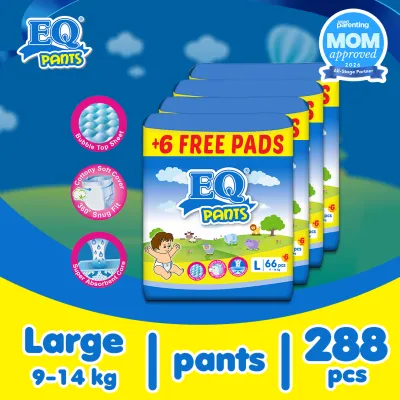
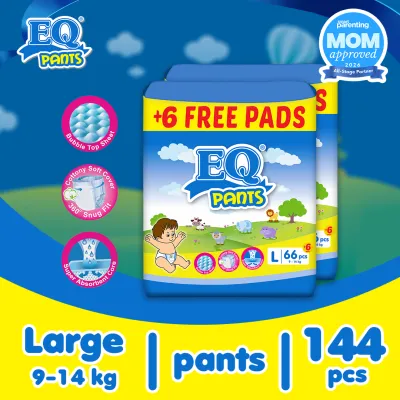
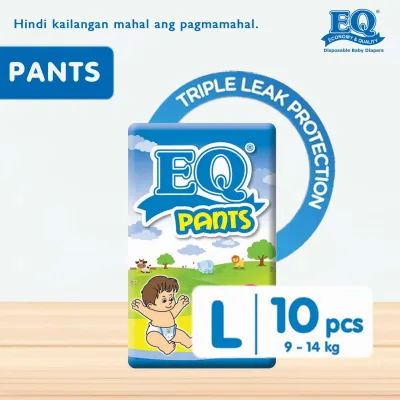
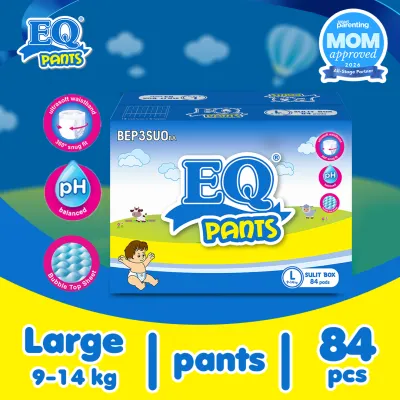
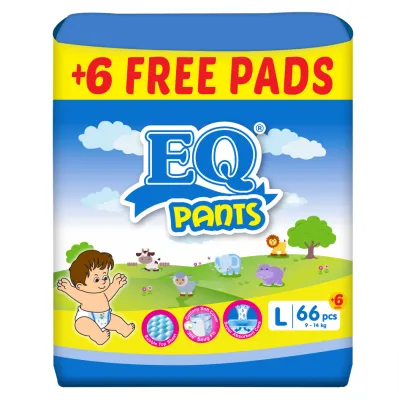
If your main priority is managing household expenses without compromising on basic leak protection, Equator (EQ) is a highly budget-friendly option to consider. This brand is widely accessible and serves as an economical choice, provided that the physical cut and elastic tension comfortably match your toddler’s body proportions. It is particularly suitable for daytime hours when diaper changes are naturally more frequent, allowing you to maintain high hygiene standards without straining your budget.
Huggies is often the preferred choice for parents whose toddlers have a unique body shape that requires a more structured waistband or specific leg cuff design. The physical construction of Huggies pants often features a distinct pocketed waistband or tailored leg barriers that help contain messes, making it a practical option if your child frequently experiences leaks with other brands. This structured design can be especially beneficial for toddlers with rounder tummies or those who require extra security around the thighs.
Regardless of which brand you lean toward, always prioritize your toddler’s skin health. If your child has highly sensitive skin or a history of diaper rash, purchase a small trial pack first to monitor their skin’s reaction over a few days. If persistent redness, irritation, or rash occurs, stop using the brand immediately and consult a qualified pediatrician for professional guidance before committing to any bulk purchases. A pediatrician can help you identify potential triggers and recommend specific skin care routines to keep your toddler comfortable.
Frequently Asked Questions (FAQ)
How do I know if the large pants are too tight or too small?
You can identify if a large diaper pant is too small by looking for physical signs of restriction on your toddler’s skin. If you notice deep, red elastic marks around their waist or thighs that do not fade quickly after removal, the diaper is too tight. Another indicator is frequent leakage around the leg cuffs or waistband, even when the absorbent core is not fully saturated, which suggests the diaper lacks the physical volume needed for your child. Finally, as a general rule of thumb, you should be able to slide two fingers comfortably between the elastic waistband and your toddler’s tummy; if you cannot do this easily, it is time to transition to a larger size.
Can I mix different brands of diaper pants during the day and night?
Yes, mixing different diaper brands throughout the day is a safe and highly practical strategy used by many parents. You can use a more budget-friendly option, such as Equator, during the daytime when you are able to change your toddler frequently. For overnight sleep or long outings, you can switch to a brand with a higher absorbent capacity or a more secure waistband structure, such as Pampers or Huggies, to help prevent leaks during extended wear. When introducing any new brand into your daily rotation, monitor your toddler’s skin closely for a few days to ensure they do not experience friction or localized skin irritation from the alternating designs.

Community discussion
Share your experience or ask a question. Comments are reviewed before publication.