
Finding the right large diaper for a growing baby depends on individual body shape, activity level, and skin sensitivity rather than a single universal winner. While Pampers, Equator, and Huggies all offer large sizes designed for heavier and more active babies, their approach to waistband elasticity, core thickness, and top-sheet materials varies. In tropical climates like the Philippines, where high humidity and heat can exacerbate skin irritation, choosing the correct diaper is crucial for keeping your baby dry and comfortable. This guide helps you evaluate the physical features, label claims, and fit indicators of each brand so you can make a condition-based choice that prioritizes your baby’s comfort and leak protection.
How to Evaluate Fit and Sizing for Large Diapers
As babies grow and transition into the large size category, their physical proportions change rapidly. Weight ranges printed on diaper packaging serve as a helpful starting point, but they do not tell the whole story. A baby who falls squarely within the recommended weight limit might still experience leaks or discomfort if they have exceptionally chunky thighs or a rounder belly. To find the best fit, you must look beyond the numbers on the box and assess how the diaper conforms to your baby’s unique shape.
Start by comparing the manufacturer’s weight guidelines with your baby’s current weight, but pay close attention to thigh circumference. If your baby has thick thighs, a diaper with tight, non-stretchy leg openings can pinch the skin and restrict movement. Conversely, if your baby has a slender build, a diaper designed with wider leg openings might leave gaps that lead to messy blowouts.
Products mentioned in this guide
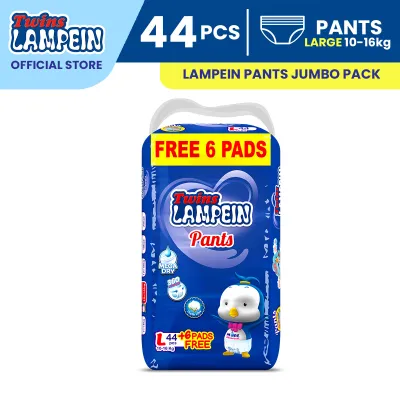
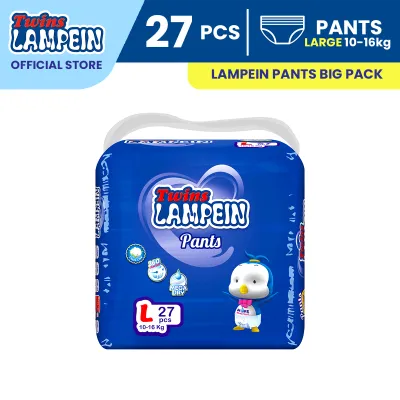
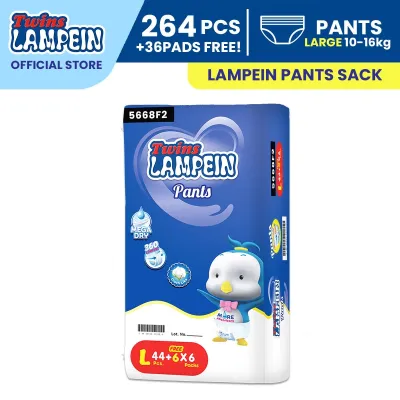
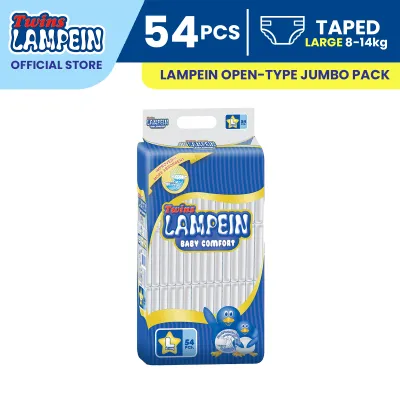
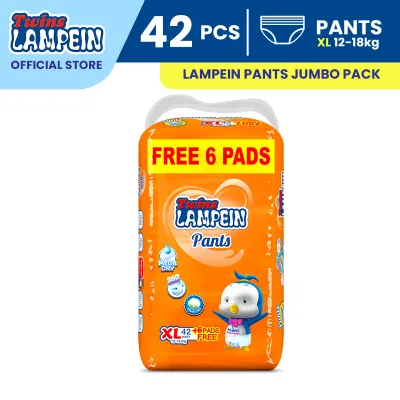
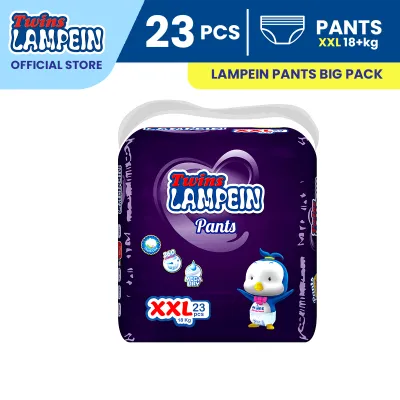
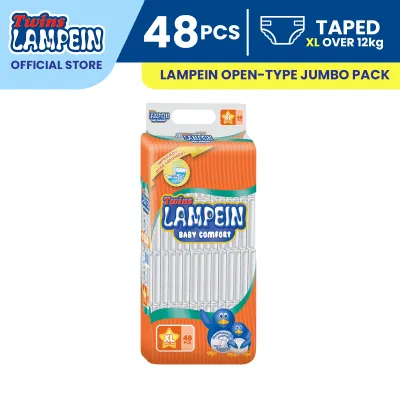
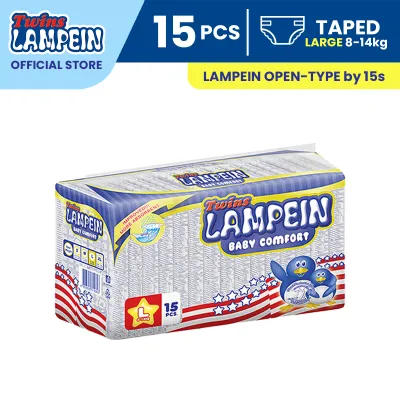
Prices are valid at publication and may change. Please refer to the product page for the latest price.
The design of the waistband plays a critical role in keeping the diaper secure during active play. Observe whether the brand utilizes a highly elastic back panel or relies on a more rigid, fixed waistband with stretchy fastening tabs. A diaper with a stretchy back panel tends to hug the lower back more effectively, reducing the risk of up-the-back leaks when your baby sits or crawls. On the other hand, a fixed waistband with flexible side tabs allows for a highly customizable front fit but may require more precise positioning to prevent sagging.
Keep a close eye out for physical signs of an improper fit during daily changes. Red marks or deep indentations around your baby’s thighs or waist are clear indicators that the diaper is too tight, even if the weight range suggests otherwise. Frequent leaks at the waist, especially when your baby is lying down, often point to a waistband that lacks sufficient elasticity or coverage. Additionally, if the diaper begins to sag heavily between the legs after only a single wetting, the overall structure may not be supportive enough for your baby’s current developmental stage.
Comparing Absorbency and Leak Protection Features
Absorbency is the cornerstone of any reliable diaper, especially as babies sleep for longer stretches and consume larger volumes of liquids. Disposable diapers rely on a blend of fluff pulp and superabsorbent polymer (SAP) to lock moisture away from the skin. However, the way different brands distribute this material throughout the core can vary significantly, affecting both bulkiness and performance.

You can evaluate the core design simply by feeling a dry diaper from each brand. Some manufacturers use a uniform, thick layer of absorbent material, while others employ specialized channel designs that distribute liquid evenly across the front and back. Channels help prevent the diaper from clumping in the center, which can restrict your baby’s movement and lead to localized saturation. A thinner, channeled core can often perform just as well as a thicker, traditional core while offering a more streamlined profile under clothing.
A wetness indicator line on the outside of the diaper is an invaluable feature for busy caregivers. This strip changes color when exposed to moisture, allowing you to monitor saturation levels at a glance without having to unfasten the diaper or disturb a sleeping baby. While most modern large diapers include this feature, it is always wise to verify its presence on the packaging, as some budget-friendly options or larger sizes may omit it to reduce production costs.
The height and flexibility of the inner leak guard barriers are your primary defense against side leaks. These hydrophobic fabric barriers run along the inside of the leg openings and should stand upright when the diaper is fully opened. Before fastening the diaper, gently run your fingers along these guards to ensure they are flared outward rather than tucked inward. A taller, more flexible barrier provides a better seal against sudden, high-volume wetness.
To objectively compare absorbency at home, you can conduct a simple, controlled test using a small amount of warm water. Pour a measured cup of water onto the center of a dry diaper and wait a few minutes for it to absorb. Press a dry paper towel firmly against the top sheet to see how much moisture transfers back. A high-performing top sheet will feel remarkably dry to the touch, indicating that the core successfully locks moisture away from your baby’s delicate skin.
Comfort, Breathability, and Skin Sensitivity
In warm, tropical environments, heat and moisture can quickly build up inside a diaper, creating the perfect conditions for diaper rash. Ensuring that your baby’s diaper is both soft and highly breathable is essential for maintaining skin integrity. When comparing Pampers, Equator, and Huggies, pay close attention to the tactile feel of the materials and the specific skin-friendly features highlighted on the packaging.
Begin by examining the texture of the inner top sheet that directly contacts your baby’s skin. Some brands offer a quilted, cotton-like feel designed to cushion the skin, while others utilize an ultra-smooth, non-woven fabric that minimizes friction during movement. If your baby is highly active, a smoother fabric may help prevent chafing along the inner thighs. Some parents in the Philippines transition from traditional cloth lampin to a disposable lampien diaper large size as their baby grows and requires more robust leak protection during active play.
Breathability is largely determined by the design of the outer cover. Look for packaging claims that specify the use of micro-pores or breathable outer layers that allow hot air and vapor to escape while keeping liquid safely contained. A diaper with poor breathability will often feel damp or clammy on the outside, but it keeps the internal microclimate hot and humid, which can rapidly lead to redness and irritation.
Carefully review the ingredient list on the packaging for any added lotions, soothing agents, or fragrances. Many premium diapers are infused with small amounts of aloe vera, petrolatum, or vitamin E to help protect the skin barrier. However, if your baby has a known sensitivity or a history of eczema, fragrance-free and hypoallergenic certifications should be your top priority. Added perfumes can sometimes trigger allergic contact dermatitis in sensitive infants.
Always monitor your baby’s skin closely during and after transitioning to a new diaper brand. If you notice persistent redness, small bumps, or dry patches in the diaper area, discontinue use immediately and switch back to a known safe option. If the irritation does not improve within a few days, or if it appears painful or blistered, consult a qualified pediatrician for professional guidance and treatment.
Price and Value: Calculating the Cost Per Diaper
While performance and fit are paramount, managing the household budget is a practical reality for every family. The upfront price of a diaper box can be highly misleading, as package sizes and diaper counts vary widely across brands and retail outlets. To make an accurate financial comparison, you must calculate the true cost per piece.
To find the cost per diaper, divide the total price of the package by the exact number of diapers inside. For example, if a pack costs ₱650 and contains 50 diapers, the cost per piece is ₱13.00. Keeping a simple log of these calculations allows you to compare different brands and packaging sizes on an equal footing, ensuring you get the most value for your money.
Purchasing bulk boxes or mega-packs generally offers a lower cost per diaper compared to smaller convenience packs. However, before stocking up on massive quantities of large diapers, consider your baby’s current growth rate and your available home storage space. Babies can experience sudden growth bursts, quickly outgrowing a specific size and leaving you with leftover diapers that no longer fit properly.
To ensure you are receiving genuine products that have been stored in clean, temperature-controlled environments, always purchase from authorized online stores or official brand shops. Counterfeit or improperly stored diapers may suffer from degraded adhesive tabs, compromised absorbency, or mold contamination due to high humidity. Buying from reputable sources protects both your wallet and your baby’s health.
Decision Framework: Which Brand Fits Your Baby's Needs?
Choosing between Pampers, Equator, and Huggies does not require finding a single absolute winner, but rather identifying which brand aligns with your baby’s physical build and your family’s specific priorities. By matching your baby’s daily needs to the unique design characteristics of each brand, you can minimize leaks and maximize comfort.
Consider Pampers if your primary goal is a diaper with a highly specialized, soft top-sheet texture and you prefer a product infused with mild, skin-protecting lotions. This brand is often favored by parents whose babies respond well to their specific formulation and benefit from a lightweight, flexible design that moves easily with an active infant.
Opt for Equator if you are searching for a highly budget-friendly option that delivers reliable everyday performance. This brand is particularly suitable for babies with a standard, proportional build where a classic cut fits securely without leaving gaps around the legs or waist. It offers an excellent balance of utility and economy for daytime use.
Select Huggies if your baby has a sturdier build with thicker thighs and a rounder tummy. Their specific leg cuff design and highly elastic waistband structure are engineered to provide a secure, gap-free seal on active, robust babies, helping to prevent blowouts during vigorous movement.
Regardless of which brand you choose, always verify if your baby has any known skin allergies before introducing a new product. Manufacturers frequently update their materials, designs, and ingredient formulations, so it is essential to check the latest packaging details. If your baby develops a persistent diaper rash that does not resolve with regular changes and barrier creams, consult a pediatrician to rule out underlying skin conditions.
Frequently Asked Questions (FAQ)
When should I move my baby up to extra-large diapers?
While weight ranges on the packaging offer a general guideline, your baby’s physical fit is the most reliable indicator that it is time to transition to a larger size. If you notice frequent leaks, persistent red marks around the waist or thighs, or if the diaper looks too low-rise and fails to cover the hips fully, it is time to move up. A diaper that is too small will have compromised absorbency and can cause unnecessary discomfort.
Can I mix different diaper brands for day and night use?
Yes, mixing different diaper brands is a highly practical and safe strategy, provided your baby does not experience skin irritation from either product. Many parents choose to use a thinner, more flexible, and budget-friendly diaper for active daytime play when changes are frequent. They then switch to a thicker, highly absorbent diaper with enhanced leak guards for long, uninterrupted nighttime sleep.

Community discussion
Share your experience or ask a question. Comments are reviewed before publication.