
Finding the closest match to a premium “cloud bean diaper” experience depends on how your baby’s skin reacts to different non-woven fabrics, rather than a single universal ranking. Because softness is subjective and varies across basic and premium product tiers, there is no absolute winner. Every baby has a unique body shape, skin sensitivity level, and reaction to moisture, meaning a diaper that feels incredibly plush to one parent might cause friction or dampness for another child. This guide will help you evaluate the material labels, texture profiles, and skin-response indicators of Pampers, Equator, and Huggies so you can make an informed, condition-based choice for your baby’s comfort.
In tropical climates where high humidity and heat are daily realities, choosing the right diaper texture becomes even more critical. A diaper that lacks proper airflow or has a rough inner lining can quickly lead to chafing and heat rashes under the waistband and around the leg cuffs. By understanding what goes into the construction of these diapers, you can better navigate the options available in local supermarkets and online marketplaces.
Defining the "Cloud-Like" Softness Standard
To understand what makes a diaper feel like a cloud, it is helpful to look past marketing slogans and examine the physical properties of the materials used. A premium “cloud bean diaper” typically features a highly textured, three-dimensional embossed inner sheet. This design uses raised, bean-like cushions that lift the main body of the diaper slightly off the baby’s skin. This structure serves a dual purpose: it minimizes the surface area directly touching the skin to reduce friction, and it creates tiny channels that allow air to circulate and liquid to flow quickly into the absorbent core.
Products mentioned in this guide
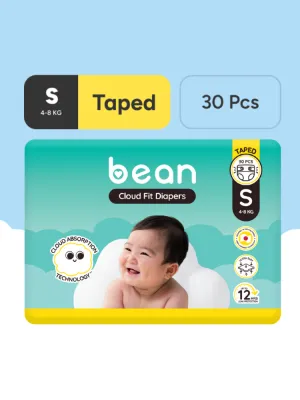
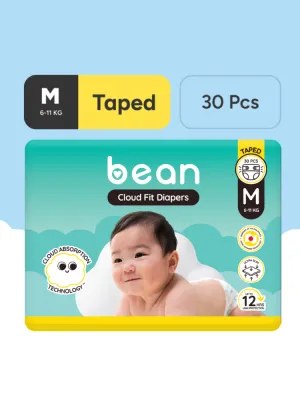
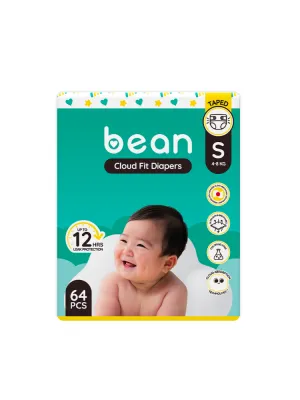
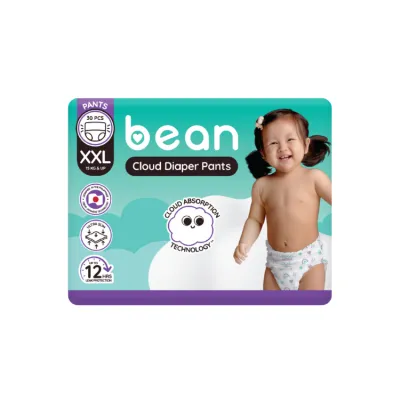
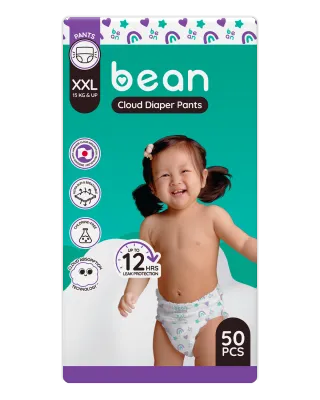
![[Bundle of 2] bean Cloud Diapers Pants Large (9-14 kg) - 60 pcs](https://img.lazcdn.com/g/p/d5ee28d7dae8a8b43cbed3a2a82f26df.png_400x400q80.png_.webp)
Prices are valid at publication and may change. Please refer to the product page for the latest price.
When evaluating these diapers, caregivers generally encounter three main types of inner lining textures: smooth, cotton-like, and plush non-woven fabrics. Smooth linings are designed to feel sleek and flat, prioritizing rapid liquid distribution and a dry surface. Cotton-like linings mimic the soft, familiar feel of woven cotton threads, though they are actually made from synthetic fibers like polypropylene or polyethylene. Plush non-woven linings, often produced using hot-air-through technology, offer a loftier, loft-filled cushion that feels noticeably springy and thick to the touch.
However, a soft inner lining is only one part of the comfort equation. In warm, humid environments, a diaper must balance this plush texture with high breathability and efficient moisture-wicking capabilities. If a diaper is incredibly soft but traps humid air inside, the skin will remain damp, making it highly susceptible to irritation. Furthermore, perceived softness is not uniform across a single brand; it changes significantly based on the specific product tier and series you choose. Premium lines from Pampers, Equator, and Huggies will utilize different fabric-bonding techniques and fiber weights compared to their budget-friendly counterparts.
How to Compare Material Textures Across Brands
When comparing Pampers, Equator, and Huggies, reading the packaging carefully is the first step to understanding what you are putting against your baby’s skin. Manufacturers often use proprietary marketing terms such as “cottony soft,” “cloud-like,” or “silk-soft” to describe their products. To find the actual material composition, look for the fine print on the back or bottom of the package. Most disposable diapers rely on non-woven synthetic fabrics, such as spunbond and meltblown polypropylene. Premium tiers aiming for a cloud-like feel often specify the use of hot-air-through non-woven cards, which create a fluffier, more cushioned sheet than standard spunbond materials.

Beyond the raw materials, the physical construction of the diaper plays a massive role in how soft it feels during daily wear. Take a close look at the embossing patterns on the inner lining. Some lines feature deep, pocketed grooves, while others use a dense pattern of tiny, raised dots or “beans.” These patterns affect how the diaper compresses under the baby’s weight. Additionally, examine the thickness of the diaper chassis and the texture of the edge seams. A diaper with stiff, heat-sealed side seams can scratch a baby’s thighs, regardless of how soft the inner lining is. Look for ultrasonic bonding or soft-spun side panels that stretch smoothly without leaving harsh edges.
Another critical factor to verify is the presence of added lotions, fragrances, or botanical extracts like aloe vera on the inner surface. While these additives are intended to soothe the skin or mask odors, they can alter the tactile feel of the fabric, sometimes leaving a slightly waxy or coated residue. For babies with highly sensitive skin, these added substances can also trigger allergic reactions or contact dermatitis. Always check the ingredient list on the packaging to confirm whether the diaper is fragrance-free and lotion-free, especially if you are trying to isolate the cause of recurring skin redness.
Matching Texture to Your Baby's Skin Needs
Every baby’s skin reacts differently to friction and moisture, making it essential to match the diaper’s texture to your child’s specific skin needs. Caregivers should regularly inspect the baby’s skin during diaper changes, looking for early indicators of discomfort. Red lines or friction marks around the thighs and waist suggest that the elastic bands or edge seams are too stiff or tight. Redness concentrated on the bottom or in the skin folds often points to excessive moisture retention, indicating that the diaper’s inner lining is not wicking wetness away quickly enough or that the material lacks sufficient breathability for a tropical climate.
If you notice these signs, it may be time to adjust the type of texture you are using. For instance, if your baby is highly active and prone to chafing, switching from a flat, smooth lining to a plush, cushion-like texture with 3D embossing can help reduce the surface area in contact with the skin. Conversely, if your baby has heavy wetting patterns and struggles with diaper rash, a smoother, drier-feeling surface that prioritizes rapid absorption over sheer plushness might be more beneficial. The goal is to find a balance where the skin remains dry and cool, even during long sleep stretches.
To protect delicate skin, always verify hypoallergenic claims on the product label. Look for indicators that the diaper has been dermatologically tested and is free from elemental chlorine, parabens, and natural rubber latex. Because these standards and certifications can vary by region and are subject to change, treat them as items to verify directly on the manufacturer’s official website or product packaging. Choosing a diaper that minimizes unnecessary chemical additives reduces the risk of skin irritation, allowing the soft texture of the fabric to do its job safely.
Testing and Verifying Softness at Home
Because you cannot feel the diapers before purchasing a full pack, testing and verifying softness at home with small sample packs or trial sizes is a highly practical approach. Start with a visual and tactile inspection of the diaper before putting it on your baby. Run your fingers over the inner lining, paying close attention to the areas that will touch the most sensitive skin. Stretch the waistband and leg cuffs fully to feel the tension of the elastics. The elastic gathers should feel soft and compliant, stretching easily without requiring excessive force, which helps prevent red marks on active babies.
Once you find a diaper that passes your initial touch test, set up a short-term trial period of three to five days. During this time, closely observe your baby’s skin response and movement comfort. Watch how the diaper behaves during active play—does the waistband bunch up and cause friction, or does it move smoothly with your baby’s body? Observe the skin immediately after overnight sleep, when the diaper has been worn for the longest continuous period. The skin should feel relatively dry and cool to the touch, rather than clammy or hot.
While conducting your home trial, establish clear stop-use conditions to protect your baby’s health. If you observe persistent redness, raised bumps, swelling, or a rash that does not improve with standard diaper cream, discontinue use of that specific diaper brand or line immediately. These symptoms can indicate an allergic reaction to a material, lotion, or fragrance, or severe friction irritation. If the skin irritation persists for more than a few days, spreads, or seems to cause your baby significant discomfort, consult a qualified pediatrician or healthcare professional for proper diagnosis and treatment.
Making Your Final Decision: A Conditional Guide
Selecting the right brand from Pampers, Equator, and Huggies requires a structured decision framework based on your baby’s unique needs and your personal caregiving priorities. Rather than searching for a universal winner, consider how each brand’s design philosophy aligns with your daily routine and your baby’s physical build.
You may want to choose Pampers if your primary goal is a diaper with a smooth, dry-feel inner lining designed to pull moisture away from the skin rapidly. This design is often favored by parents who prioritize keeping the skin surface as dry as possible during long outings or overnight sleep, minimizing the time wetness stays in contact with the skin.
You might prefer Equator if you are looking for a balance of a plush, cushioned texture and flexible fit characteristics. This option is highly suitable for babies who are constantly on the move, crawling, or walking, where a soft, adaptable waistband and gentle leg cuffs are necessary to prevent chafing during active play.
You should consider Huggies if you prefer a thicker, more substantial cushion-like padding feel, particularly around the waist and back panels. This design provides a robust barrier and a soft, padded envelope that can help absorb the impact of active movements while keeping the diaper securely in place.
Before making your final purchase, always verify if your baby has known skin sensitivities to specific synthetic fibers or added lotions. Keep in mind that switching between different product tiers within the same brand can yield completely different softness experiences. Always check the manufacturer’s weight and size guidelines on the packaging to ensure a proper fit, as even the softest diaper will cause discomfort and leaks if it is too small or too large for your baby’s current developmental stage.
Frequently Asked Questions (FAQ)
Does a thicker diaper always feel softer?
No, a thicker diaper does not automatically translate to a softer feel against your baby’s skin. The overall thickness of a diaper is primarily determined by the volume and composition of its absorbent core, which often contains a mix of wood pulp and superabsorbent polymer (SAP) particles. While a thick core provides excellent fluid retention, the tactile softness your baby actually feels comes entirely from the inner non-woven lining sheet. When choosing a diaper, focus on the texture, embossing, and material quality of this inner lining rather than the bulkiness of the diaper itself.
Can I use diaper creams with cloud-soft diapers?
Yes, you can use diaper creams, but you must apply them carefully to avoid compromising the diaper’s performance. Thick barrier creams, especially those containing high concentrations of zinc oxide or petroleum jelly, can transfer onto the diaper’s inner lining. This greasy residue can clog the tiny pores of the non-woven fabric, preventing liquid from passing through to the absorbent core and potentially causing leaks. To prevent this, apply a thin layer of cream, allow it to absorb slightly, and wipe away any excess before putting on a fresh, highly textured diaper. Always refer to the diaper manufacturer’s guidelines for specific product compatibility.

Community discussion
Share your experience or ask a question. Comments are reviewed before publication.