
Finding the right diaper pant in Extra Large (XL) size is a major milestone for parents. At this stage, babies are highly active—crawling, walking, and exploring their surroundings. The choice between Pampers, Equator (commonly known as EQ), and Huggies often comes down to how well each brand accommodates your baby’s unique shape, skin sensitivity, and your family’s budget. In a tropical climate where heat and humidity are constant factors, selecting a diaper that balances breathability with secure leak protection is essential for keeping your little one comfortable throughout the day and night.
Understanding the Core Differences in XL Diaper Pants
Pampers diaper pants are generally positioned around a lightweight, thin profile designed to minimize bulk between the baby’s legs. This design philosophy aims to facilitate unhindered movement for active toddlers. On the packaging, you will often find references to channel technology intended to distribute wetness evenly, preventing the diaper from sagging heavily in one spot.
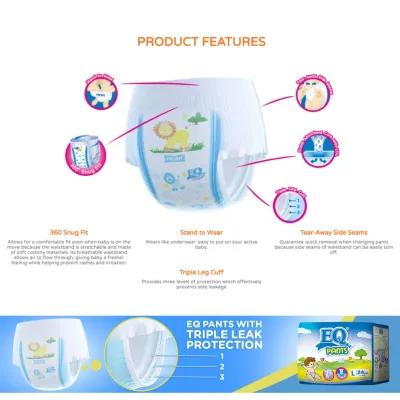
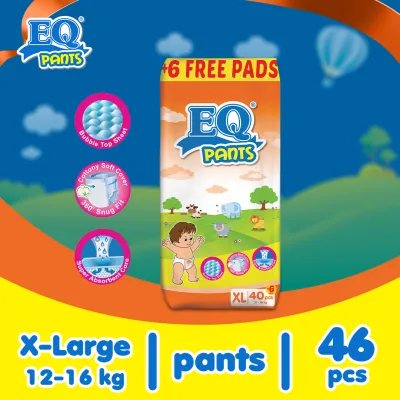
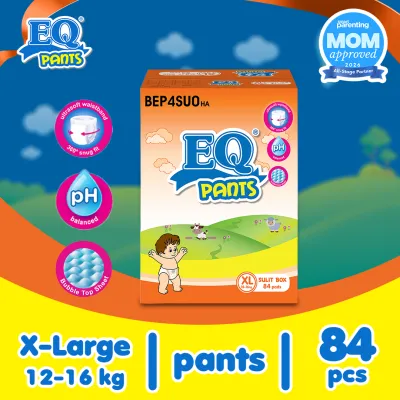
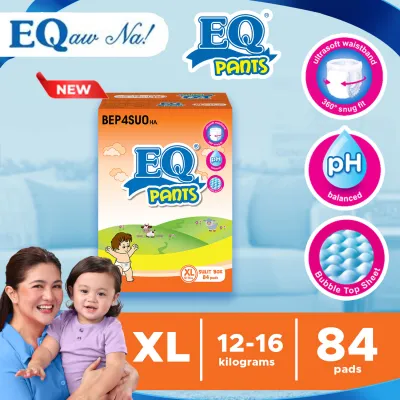
Equator, widely searched and recognized as EQ pants XL, focuses heavily on practical, everyday utility and robust structural design. The brand is designed to offer a dependable, cost-effective solution for families who need reliable containment without a premium price tag. Its design philosophy emphasizes a sturdy core and straightforward, functional elastication that holds up well during vigorous daytime play.
Products mentioned in this guide
Prices are valid at publication and may change. Please refer to the product page for the latest price.
Huggies diaper pants are positioned with a strong emphasis on comfort, secure fit, and skin protection. Their packaging typically highlights soft, cloud-like materials and highly flexible waistbands designed to mimic the feel of real underwear. This brand focuses on providing a snug yet gentle hug around the baby’s midsection to prevent gaps while maintaining a soft touch against delicate skin.
To verify the correct XL size, caregivers should look closely at the weight guidelines printed on the manufacturer’s packaging. While XL typically covers a weight range of approximately 12 to 17 kilograms, this is only a general guide. A baby’s unique body shape—such as a rounder belly or thicker thighs—can significantly affect how a diaper fits. Checking the structural cut, such as whether the waistband sits high on the waist or if the leg openings have wide elastic bands, helps ensure a proper fit that prevents leaks without restricting movement.
Comparing Absorbency and Leak Protection
Evaluating absorbency requires looking at the core technologies described on each brand’s packaging. Pampers often utilizes absorbent micro-pearls or specialized channels designed to lock wetness away quickly, keeping the surface dry. Equator/EQ packaging typically highlights a high-capacity absorbent core designed to handle multiple wettings, making it a robust option for active daytime wear. Huggies focuses on a rapid-draw layer designed to pull moisture away from the skin instantly into an absorbent matrix.

For highly active babies in the XL size range, leg cuffs and barrier designs are critical. Look for double-layered leg cuffs that stand upright when the diaper is unfolded. These barriers act as a secondary defense against side leaks when your baby is running, climbing, or sitting. A wider crotch cut, often found in Equator designs, provides a larger coverage area, while the flexible leg elastics in Pampers and Huggies conform closely to the leg contours during movement.
Daytime and overnight diapering needs differ significantly, especially in warm, humid environments. During the day, babies are active, and caregivers change diapers more frequently, making a lightweight, breathable option ideal. Overnight, a diaper must withstand several hours of continuous use. When evaluating a brand for overnight wear, consider the manufacturer’s claims regarding hourly protection and look for a thicker, high-capacity core that can maintain dryness even during long periods of sleep.
Caregivers should regularly monitor for observable signs of saturation to determine if a brand or size is working. If you notice the diaper sagging heavily after only one or two urinations, or if the outer cover feels damp to the touch, the core may not be managing the volume effectively. Frequent leaks around the legs or waistband, or a strong ammonia odor shortly after wetting, are clear indicators that it may be time to adjust the changing frequency, try a different brand’s core technology, or transition to a larger size.
Evaluating Fit, Comfort, and Skin Sensitivity
The way a diaper pant fits around the waist and legs depends heavily on the elasticity of the materials. Huggies is known for its highly stretchable, wide waistband that distributes pressure evenly across the baby’s abdomen, making it suitable for babies with rounder bellies. Pampers features a soft, adaptive stretch that conforms closely to a slender build, minimizing gaps without digging into the skin. Equator/EQ pants offer a secure, traditional elastic waistband that provides a firm hold, ensuring the diaper stays in place even when fully saturated.
In a tropical climate, breathability is a primary factor in maintaining skin health. High humidity and trapped moisture can quickly lead to skin irritation. When comparing brands, check the packaging for claims regarding breathable outer covers or micro-pores that allow hot air to escape while keeping wetness inside. Softness is equally important; rough edges along the waistband or leg cuffs can cause friction as the baby moves, leading to painful chafing.
After removing a diaper, always inspect your baby’s skin for red marks, deep indentations, or signs of diaper rash. Red marks around the thighs or waist indicate that the elastic is too tight, suggesting the cut is incompatible with your baby’s build or that it is time to size up. If a persistent red rash develops, it may be a reaction to the materials, fragrances, or trapped moisture. In such cases, discontinue use of that specific brand immediately and allow the skin to heal.
For babies with highly sensitive skin or known allergies, careful label verification is essential. Look for packaging indicators such as “hypoallergenic,” “fragrance-free,” or “clinically tested.” If skin irritation or diaper rash persists despite frequent changes and switching to a gentler diaper brand, consult a pediatrician or qualified healthcare professional for personalized guidance and treatment options.
Assessing Value and Cost per Diaper
To make an informed, budget-friendly decision, caregivers must calculate the cost per piece (₱) rather than comparing the total price of the pack. To do this, divide the total cost of the diaper pack by the number of pants inside. For example, a mega pack purchased at a supermarket or online marketplace may have a higher upfront cost but a significantly lower cost per piece compared to a small travel pack. Keep a running log of these calculations across different retail formats to identify the most economical options.
While a lower cost per piece is appealing, the cheapest diaper is not always the most economical choice. If a lower-priced diaper has lower absorbency, you may find yourself changing your baby twice as often to prevent leaks and skin irritation. This increased changing frequency quickly doubles your diaper consumption, making a slightly more expensive, highly absorbent diaper more cost-effective in the long run.
When trying a new brand of XL diaper pants, avoid the temptation to buy bulk boxes or mega packs immediately, even if they offer a lower cost per piece. If the fit is incompatible with your baby’s body shape or causes skin irritation, the remaining diapers will go to waste. Instead, purchase the smallest available pack size first to test the fit, absorbency, and skin compatibility under real-world conditions.
Ultimately, finding the best value requires balancing the upfront cost against performance and your baby’s comfort. A diaper that prevents leaks, keeps the skin dry in humid weather, and fits securely without causing red marks provides high value, even if it carries a slightly higher price tag. Weighing these factors helps you choose a diaper pant that fits both your baby’s needs and your household budget.
How to Choose the Right Brand for Your Baby
To finalize your decision, use a conditional framework based on your primary diapering priorities. Choose Pampers if your main goal is a slim, lightweight diaper pant with an active-fit design that allows for maximum mobility without bulkiness. This option is highly suitable for daytime wear when your baby is constantly on the move and requires a flexible, body-conforming fit.
Choose Equator (EQ) if your priority is a highly practical, budget-friendly diaper pant that offers reliable structural containment and a wider cut. This brand is an excellent choice for families looking for dependable everyday performance and robust leak barriers at an economical price point, making it ideal for frequent daytime changes.
Choose Huggies if your priority is a plush, cloud-like material feel combined with a highly stretchable, wide waistband. This design is particularly beneficial for babies with rounder bellies or chunky thighs who require a gentle, pressure-free fit that minimizes the risk of red marks and chafing.
Before committing to a large bulk purchase of any brand, always verify compatibility by testing a small trial pack. This step is especially crucial if your baby has highly sensitive skin or an atypical body shape. Observing how the diaper performs over a few days will give you the confidence to invest in larger quantities, ensuring a comfortable, leak-free experience for your baby.
Frequently Asked Questions (FAQ)
How do I know if my baby is ready to move up to XL diaper pants?
Transitioning to XL diaper pants is usually indicated by physical signs rather than weight alone. If you notice deep red marks or elastic indentations around your baby’s waist or thighs after removing the diaper, the current size is too tight. Frequent leaks, blowouts, or the diaper sagging excessively even when not fully saturated are also strong indicators that the diaper’s capacity and coverage are no longer sufficient for your baby’s size.
To confirm the transition, consult the weight and size chart printed on your current diaper packaging. If your baby’s weight is near the upper limit of the current size or has entered the starting weight range for XL (typically around 12 kilograms), it is time to try the larger size. A properly fitting XL diaper pant should sit comfortably above the hips, cover the buttocks completely, and allow you to slide two fingers easily under the waistband and leg bands.
Is it effective to use different diaper brands for daytime and nighttime?
Using a dual-brand strategy can be a highly effective way to balance your household budget with your baby’s comfort. During the day, when babies are awake and active, caregivers tend to change diapers more frequently to maintain hygiene. For these hours, using a highly cost-effective brand like Equator/EQ can keep costs low without compromising on cleanliness, as the diaper is changed before reaching maximum capacity.
For nighttime sleep, transitioning to a highly absorbent diaper pant, such as Pampers or Huggies, can help prevent sleep disruptions caused by wetness. These brands often feature advanced core technologies designed to lock away moisture for extended periods, keeping your baby dry and comfortable throughout the night. When implementing this strategy, monitor your baby’s skin closely to ensure they do not experience any adverse reactions from transitioning between different diaper materials and elastic styles.

Community discussion
Share your experience or ask a question. Comments are reviewed before publication.