
Choosing between Pampers, Equator, and Huggies diaper pants in the 25-piece pack depends on your baby’s current weight, body shape, and skin sensitivity. There is no single universal winner, as each brand utilizes different cuts, elasticities, and materials to accommodate different stages of infant development.
In tropical climates like the Philippines, where high humidity and heat are daily realities, finding the right fit is crucial to prevent chafing and diaper rash. A diaper that fits poorly can trap moisture or cause friction, leading to discomfort and skin irritation.
A 25-piece pack serves as an excellent trial size or a convenient weekly supply. It allows parents to test how a specific brand performs on their baby during daily activities and overnight sleep before committing to bulk purchases.
Products mentioned in this guide
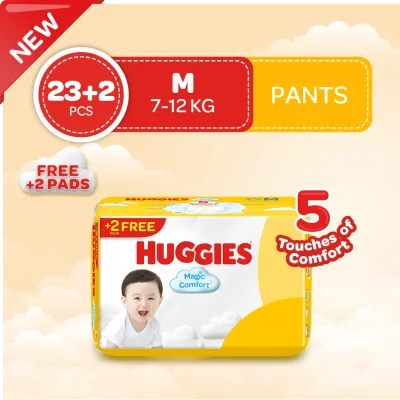
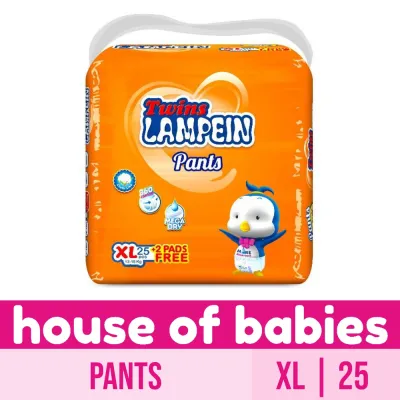
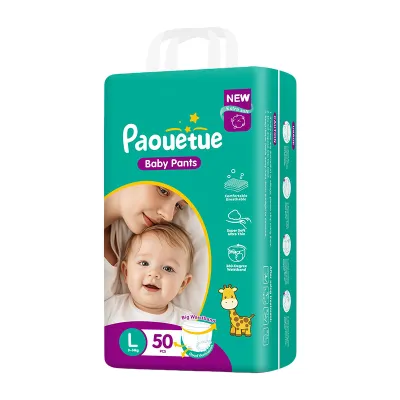
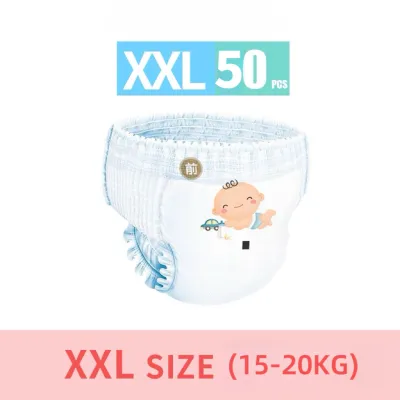
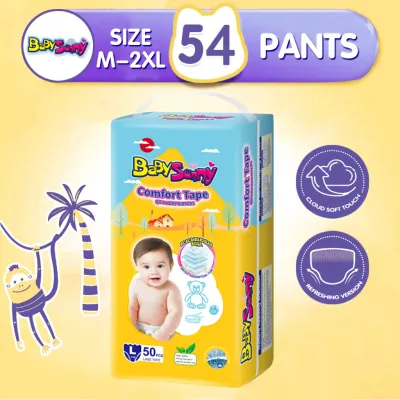
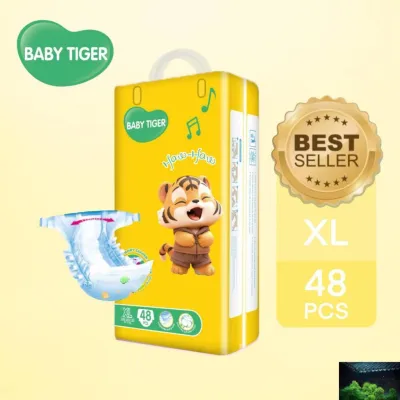
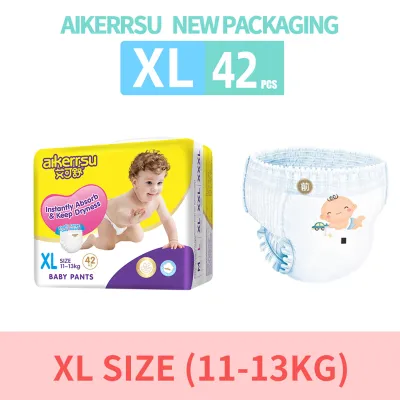
Prices are valid at publication and may change. Please refer to the product page for the latest price.
Understanding the Core Differences in Fit and Design
Diaper pants rely heavily on the design of their waistband and leg cuffs to keep messes contained while allowing your baby to move freely. The cut of the diaper—whether it features a high-waist profile or a lower, more compact cut—greatly influences how it sits on your baby’s tummy. Active babies who crawl, climb, or walk require a waistband that stretches dynamically without slipping down.
Pampers diaper pants are often characterized by a highly flexible, 360-degree stretchy waistband designed to adapt to a baby’s active movements. This design aims to distribute pressure evenly around the abdomen, which can be beneficial for babies who experience bloating after feeding. The tear-away sides are also designed to be soft, allowing caregivers to remove the diaper quickly without causing discomfort.
Equator diaper pants typically focus on a straightforward, secure fit with elastic bands that provide a snug hold. It is important to inspect the waistband texture to ensure it feels soft against your baby’s skin, especially in warm weather when friction can cause irritation. This brand often appeals to those looking for a reliable, no-frills design that keeps the diaper securely in place during quiet play.
Huggies diaper pants frequently feature specialized leg cuff leak-guards and a pocketed waistband design. These structures are intended to catch runny stools and prevent back leaks, making them a common consideration for younger or highly active infants. The elastic around the legs is designed to hug the thighs snugly without digging into the skin.
Because sizing standards vary significantly between manufacturers, you should always check the weight and size ranges printed on the specific packaging. A medium size in one brand may not offer the same physical dimensions as a medium in another. Relying solely on age recommendations can lead to a poor fit, as babies of the same age can have vastly different body shapes.
To determine if the current fit is appropriate, observe your baby’s skin during diaper changes. Persistent red marks around the thighs or waist indicate that the elastic is too tight, suggesting it is time to adjust the size or try a brand with a different cut. If the diaper frequently sags or gapes at the back, it may be too large.
Evaluating Absorbency and Comfort for Daily Use
Absorbency and breathability are critical factors in maintaining skin health, particularly in hot and humid environments. The way a diaper distributes liquid determines how dry the surface remains against your baby’s delicate skin. In tropical climates, trapped moisture can quickly lead to skin breakdown and diaper rash.

When evaluating these brands, look at the distribution of the absorbent core. Some designs use channels to distribute wetness evenly, while others concentrate the absorbent material in specific zones. You can check the product packaging to see if the diaper features a wetness indicator, which changes color to signal when a change is needed. This feature is highly convenient for quick checks without fully opening the diaper.
Breathability is essential for preventing diaper rash. Trapped moisture and heat can quickly irritate skin, so it is vital to review the manufacturer’s material descriptions for breathable outer covers or micro-pores that allow air to circulate. A diaper that allows heat to escape helps keep the baby’s skin temperature comfortable.
For overnight or extended use, observe how the diaper behaves when fully saturated. Check if the surface feels damp to the touch or if the absorbent core clumps together and breaks apart when the baby moves. A core that clumps can cause uneven pressure and discomfort, potentially waking a sleeping baby.
If you notice clumping or if the diaper leaks despite being the correct size, the core material may not be matching your baby’s current urine output or activity level. If skin irritation or persistent redness occurs, stop using the product and consult a healthcare professional. Never rely on a diaper’s absorbency to delay necessary changes, as frequent changes remain the best defense against rash.
Comparing Value and Pack Sizes for Your Budget
The 25-piece pack size occupies a practical middle ground for many households. It is large enough to last several days of regular use, yet small enough to serve as a low-risk trial pack when testing a new brand or size. For families living in urban areas with limited storage space, smaller packs are also easier to store and transport.
To find the best value, calculate the cost per piece by dividing the total pack price by 25. This allows you to compare prices directly across different brands, regardless of temporary discounts or varying retail markups. Keep a simple log of how many diapers your baby uses daily to estimate your weekly budget accurately.
Prices and promotional strategies can vary widely between local supermarkets, official brand websites, and online marketplaces. Look out for bundle deals or subscription discounts, but always verify the final cost per piece (₱) before purchasing. Sometimes, buying multiple smaller packs during a sale can be more cost-effective than purchasing a single bulk box.
Keep your baby’s rapid growth rate in mind when stocking up on diaper pants. Babies can outgrow a size quickly, and over-purchasing 25-piece packs of a single size can lead to unused leftovers and unnecessary waste. It is generally safer to keep only a week or two of stock on hand when your baby is near the upper limit of a weight range.
Monitoring your baby’s weight trends weekly helps you anticipate when they are approaching the upper limit of their current diaper size, allowing you to transition smoothly without buying excess stock. If you find yourself with leftover diapers, consider trading with other parents or donating them.
How to Choose the Right Brand for Your Baby
Selecting the right diaper pants requires matching your baby’s unique body shape and your family’s daily routine to the specific strengths of each brand.
Consider Pampers diaper pants if your primary goal is a thin, highly flexible diaper that offers excellent stretch around the waist. This option is often suitable for active babies who need maximum freedom of movement without bulkiness. Always verify the exact product line specifications on the packaging, as features can differ between their basic and premium lines.
Consider Equator diaper pants if you are looking for a practical, budget-conscious option for everyday use. This brand is well-suited for parents who prioritize straightforward comfort and reliable utility for daytime wear. Be sure to verify the packaging claims and material lists to ensure they meet your standards.
Consider Huggies diaper pants if your baby benefits from robust leak-guard structures and a secure, contoured fit. This brand is a strong candidate if you frequently deal with blowouts or require extra protection around the legs and back. Check the specific product line packaging to confirm the exact features included.
If your baby has highly sensitive skin, a unique body shape, or currently falls between two sizes, it is wise to proceed cautiously. Buying a single 25-piece pack as a trial is a practical way to test skin compatibility and fit before investing in larger quantities. If your baby develops an allergic reaction or severe rash, discontinue use immediately and consult a pediatrician.
Frequently Asked Questions (FAQ)
How do I know if the diaper pants are too small or too big?
You can determine if the diaper pants are the wrong size by performing a few simple checks during a change. Slide two fingers inside the waistband; if they do not fit comfortably, the diaper is too tight. Look for persistent red marks around your baby’s thighs or waist, which indicate excessive friction and pressure. Conversely, if you notice gaps around the legs or frequent side and back leaks during active play, the diaper pants are likely too large and require sizing down.
Can I mix different diaper brands for day and night use?
Yes, mixing diaper brands is a practical strategy used by many parents to optimize both comfort and budget. You might choose a thinner, highly breathable diaper brand for daytime activities when changes are frequent, and a more absorbent, heavy-duty diaper brand for overnight sleep. When implementing this strategy, closely monitor your baby’s skin to ensure they do not develop sensitivities to the different materials used by each brand.

Community discussion
Share your experience or ask a question. Comments are reviewed before publication.