
Finding the right diaper pants for an active toddler in the Philippines is a balancing act between absorbency, fit, and comfort. As toddlers transition from crawling to walking and running, their movement patterns change dramatically, putting unique physical demands on disposable diaper pants. Caregivers often find themselves comparing three major household names: Pampers, Equator (commonly known as EQ Dry), and Huggies.
Determining which of these brands absorbs best for your child is not a matter of finding a single, universal winner. Instead, real-world performance depends heavily on your toddler’s specific movement patterns, skin sensitivity, and unique physical build. A diaper that remains perfectly dry on one child might sag or leak on another due to differences in body shape and activity levels.
To make an informed choice, caregivers must evaluate these brands across several key criteria. These include core absorbency technology, waistband and leg cuff elasticity, material breathability, and overall cost-to-performance value. By understanding how each brand approaches these design challenges, you can select a diaper that keeps your toddler dry and comfortable throughout their daily adventures.
Products mentioned in this guide
![EQ Pants Large (8-14 kg) - 24 pcs x 8 packs (192 pcs) - Diaper Pants [Case]](https://img.lazcdn.com/g/p/035a010b83f9b7eb0c7f342d69ddf864.jpg_400x400q80.jpg_.webp)
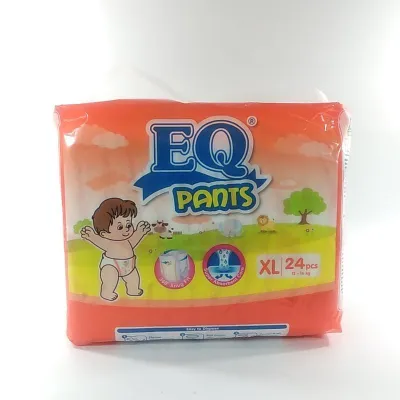
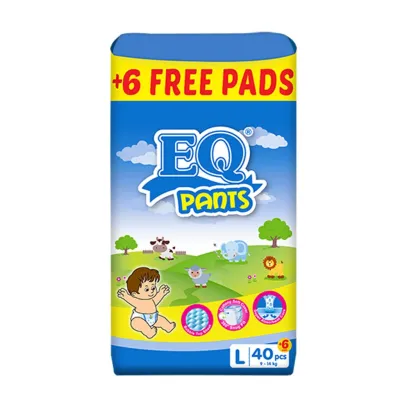
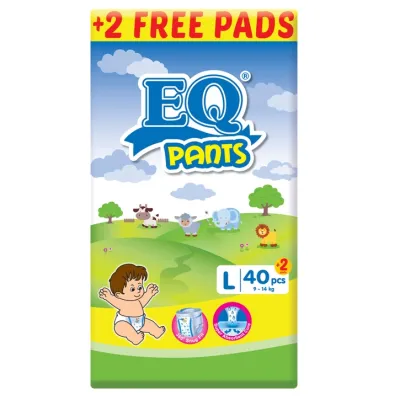
Prices are valid at publication and may change. Please refer to the product page for the latest price.
While all three brands offer highly reliable solutions for active toddlers, the ideal choice ultimately varies based on individual toddler needs and caregiver priorities. Some families prioritize maximum overnight dryness, while others focus on daytime flexibility or budget-friendly bulk options. This guide breaks down the structural differences to help you find the perfect match for your household.
Core Absorbency and Leak Protection Features
The core of any diaper pant is its primary defense against leaks, relying on superabsorbent polymers and specialized distribution layers to manage liquid. Pampers utilizes a distinct fluid distribution channel design that aims to spread wetness evenly across the entire core. This channel technology is intended to prevent the diaper from sagging in the middle, which is a common issue when active toddlers run and play. Additionally, many Pampers variants feature a convenient wetness indicator—a color-changing strip on the outside that helps caregivers monitor saturation levels without having to open the diaper.
Equator, particularly through its EQ Dry large pants line, focuses its design on rapid liquid retention and surface dryness. The core structure is engineered to draw moisture away from the skin quickly, locking it deep within the absorbent layers to handle sudden, heavy wetting. This design is particularly beneficial for toddlers who drink large amounts of fluids at once, as the rapid-absorption zone helps prevent pooling at the surface. Caregivers should inspect the inner lining of these pants to observe how the embossed patterns are structured to guide liquid away from the skin.
Huggies approaches leak protection with its proprietary leak lock systems and strategically placed absorbent pads. This design provides targeted protection where active toddlers need it most, reinforcing the front and center zones of the diaper pant. By concentrating the absorbent material in high-impact areas, Huggies aims to capture moisture immediately upon release, reducing the risk of gravity-driven leaks when a toddler is climbing, jumping, or sitting down.
When comparing these absorbency features, caregivers should look beyond general marketing terms and actively check the product packaging for specific core technologies. Look for details regarding the distribution of superabsorbent polymers and the presence of specialized acquisition layers. Understanding these structural elements allows you to match the diaper’s design with your toddler’s specific wetting patterns, ensuring more reliable protection during high-activity hours.
Fit, Elasticity, and Comfort for Active Movement
An absorbent core is only effective if the diaper pant remains securely in place while the toddler is in motion. The waistband stretch and recovery of each brand play a critical role in accommodating crawling, walking, and climbing. Pampers pants are known for a soft, highly elastic waistband that stretches easily to wrap around the toddler’s torso, offering a snug yet flexible fit that moves with the body. This flexibility helps prevent the diaper from shifting downward as it fills, maintaining a secure seal around the waist.

Equator (EQ Dry) large pants feature a sturdy waistband designed to provide a secure hold, which is particularly useful for toddlers with rounder bellies. The elastic tension is balanced to keep the pants upright during vigorous play without digging into the skin. Huggies pants often feature a wide, contoured waistband that mimics the natural curves of an active child, providing a secure fit that minimizes gaping at the back when the toddler bends over or sits down.
Beyond the waistband, the design of the leg cuff barriers is the most critical factor in preventing side leaks during dynamic movement. These double-layered barriers must hug the thighs gently but firmly to catch liquid before it can escape. If the leg cuffs are too loose, leaks will occur regardless of how absorbent the core is; if they are too tight, they can cause discomfort and restrict blood flow.
To ensure optimal leak prevention, caregivers must cross-reference their toddler’s current weight and thigh measurements with the specific size charts printed on the packaging. Because every toddler’s body shape is unique, a child who fits the weight range of one brand might experience leaks in another due to differences in the leg opening cut. Regularly checking the fit as your toddler grows is essential for maintaining leak-free days.
Breathability and Skin Health in a Tropical Climate
Managing skin health in the hot and humid tropical climate of the Philippines requires diaper pants that facilitate excellent airflow. High humidity and heat can trap moisture inside the diaper, creating an environment prone to irritation and rash. Pampers addresses this by incorporating breathable outer covers and soft top sheets designed to let fresh air circulate while keeping wetness locked inside. This continuous micro-airflow helps keep the skin cool and dry even during outdoor play.
Equator (EQ Dry) large pants are designed with a highly breathable backsheet that allows vapor to escape, reducing the heat buildup that naturally occurs during active play. The materials used in the top sheet are selected to minimize friction against the skin, which is crucial when a sweating toddler is constantly moving. Huggies also emphasizes skin protection by utilizing soft, cloth-like materials that are gentle on sensitive skin, with some variants incorporating hypoallergenic properties or soothing liners to guard against chafing.
While these breathability features are highly beneficial, caregivers must remember that no diaper technology can completely replace the need for regular, timely changes. Prolonged exposure to wetness and friction will eventually compromise the skin barrier, regardless of how breathable the diaper claims to be. It is vital to monitor the toddler’s skin regularly for early signs of diaper rash, such as localized redness, warmth to the touch, or small pink bumps.
If you notice persistent redness or irritation that does not improve with frequent changes and the application of a barrier cream, stop using the current diaper variant and consult a pediatrician. A qualified professional can help determine if the irritation is a simple heat rash, a reaction to a specific material, or a yeast infection requiring targeted medical treatment. Caregiver vigilance remains the primary line of defense for skin health.
Evaluating Price, Pack Sizes, and Overall Value
For most Filipino households, managing the monthly diaper budget requires a careful calculation of overall value rather than simply looking at the retail price of a single pack. To perform an accurate comparison, caregivers should calculate the cost per piece (₱) by dividing the total price of the pack by the number of diaper pants inside. This method allows you to compare different pack sizes, such as small travel packs, medium weekly packs, and large bulk boxes, across all three brands.
These diaper brands are widely available across the Philippines, stocked in local supermarkets, neighborhood pharmacies, and official stores on major online marketplaces. Purchasing through official online stores often provides access to promotional bundles, discount vouchers, and bulk-buy savings that can significantly lower the cost per piece. However, caregivers should verify the seller’s authenticity to ensure they are purchasing genuine products.
When evaluating value, consider the trade-offs between premium-priced packs and budget-friendly options. A premium diaper with advanced absorbency may cost more per piece but require fewer changes throughout the day, potentially saving money in the long run. Conversely, a more affordable diaper pant, such as EQ Dry, may offer excellent value for daytime use when frequent changes are already planned, allowing you to reserve higher-priced diapers for overnight wear or long outings.
Decision Framework: Which Brand Fits Your Toddler?
To help you navigate these choices, use this conditional decision framework based on your specific household priorities and your toddler’s physical needs:
Choose Pampers if: You prioritize a slim-fit design with advanced channel technology that distributes liquid evenly. This option is ideal for daytime wear when you want to minimize bulk and ensure your active toddler can move freely without a heavy, sagging diaper between their legs.
Choose Equator (EQ Dry) if: You are looking for a reliable balance of consistent dryness and budget-friendly bulk options. This brand is highly suitable for families who practice frequent daytime diaper changes and want a dependable, cost-effective solution for everyday wear.
Choose Huggies if: Your toddler is highly active, climbs frequently, or tends to experience heavy wetting. The robust leg cuffs and secure, contoured waistband provide the structural support needed to prevent leaks during intense physical movement.
Verify first if: Your toddler has highly sensitive skin, requires specialized overnight absorbency, or currently falls between the standard weight ranges listed on the packaging. In these cases, you may need to test smaller packs of different brands or look for specialized sensitive or overnight variants to find the safest and most comfortable fit.
Frequently Asked Questions (FAQ)
How often should I change large diaper pants for an active toddler?
As a general guideline, large diaper pants should be changed every three to four hours during the day, or sooner if the wetness indicator shows the core is fully saturated. Active toddlers generate heat and sweat, which increases the risk of skin irritation when combined with trapped moisture. Regardless of the time elapsed or the diaper’s remaining capacity, you must change the diaper pant immediately after a bowel movement. Leaving stool in contact with the skin can rapidly cause severe diaper rash and discomfort.
Can I use standard diaper pants overnight, or do I need specific nighttime diapers?
Standard diaper pants can work well overnight for toddlers who are light wetters or those who do not drink large amounts of fluids before bedtime. However, if your toddler is a heavy wetter, sleeps for long stretches, or frequently wakes up with damp pajamas, standard pants may not have sufficient capacity. In these scenarios, transitioning to a dedicated overnight diaper pant with a thicker, high-capacity absorbent core is recommended to prevent morning leaks and ensure uninterrupted sleep.
What should I do if the large size leaves red marks on my toddler's thighs?
First, differentiate between normal, temporary elastic impressions—similar to the marks left by socks—and deep, red marks that persist long after the diaper is removed. If the marks are deep, red, or causing visible discomfort, it indicates a poor fit. Check the weight chart on the packaging to see if your toddler is approaching the upper limit of the large size. If so, consider sizing up to extra-large, or try a different brand’s cut, as some brands offer wider leg openings that accommodate chunkier thighs more comfortably.

Community discussion
Share your experience or ask a question. Comments are reviewed before publication.