
Choosing the right diaper pants for your baby in the Philippines involves balancing absorbency, fit, and comfort, especially under warm and humid tropical conditions. When comparing Pampers, Equator, and Huggies 25-piece diaper pants, there is no single brand that works perfectly for every baby. Instead, the ideal choice depends on your baby’s unique body shape, skin sensitivity, and your household’s daily changing routine. By understanding how to read packaging specifications, evaluate structural designs, and calculate cost-effectiveness, you can make an informed decision that keeps your baby dry and comfortable throughout the day and night.
How to Evaluate Absorbency and Leak Protection
To determine which diaper pants will keep your baby dry, start by examining the core technology claims printed on the packaging of Pampers, Equator, and Huggies. Manufacturers design their absorbent cores differently to manage moisture. Look for terms like “absorbent channels,” “speed dry layers,” or “magic gel” on the labels. These technologies are designed to distribute liquid evenly across the diaper core rather than letting it pool in one spot. A well-distributed wetness profile helps prevent sagging, which is particularly important once babies become active and start crawling or walking.
Another key indicator to verify on the packaging is the presence of a wetness indicator. This feature, often a line that changes color when wet, helps caregivers identify exactly when a change is needed without having to peel back the waistband. In the humid climate of the Philippines, keeping track of wetness is crucial to prevent prolonged exposure to moisture, which can quickly lead to skin irritation.
Products mentioned in this guide
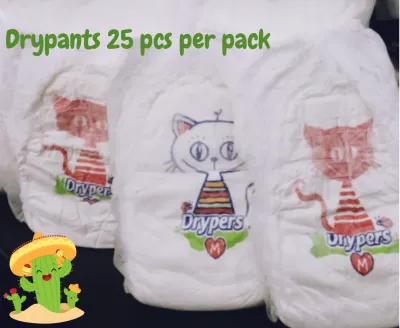
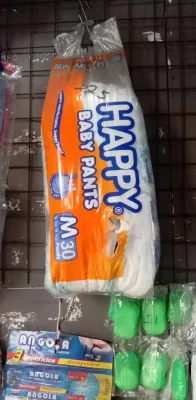
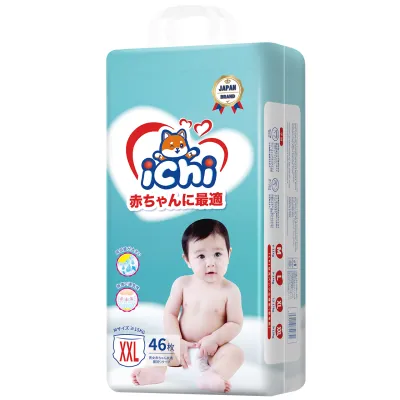
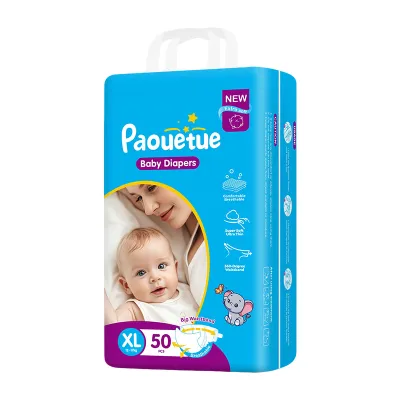
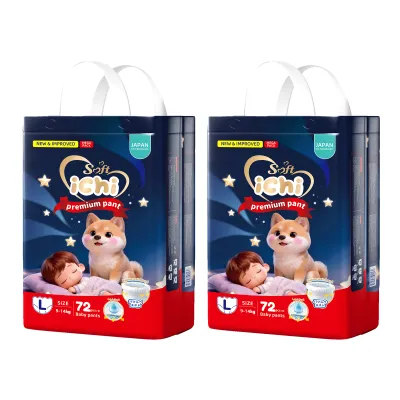
Prices are valid at publication and may change. Please refer to the product page for the latest price.
Beyond the core, the structural design of the leak guards and waistband elasticity plays a vital role in containment. When examining the diaper pants, inspect the height and flexibility of the double-leak barriers around the leg openings. These barriers should stand upright and hug the baby’s thighs gently. The waistband should offer a high degree of elasticity, allowing the diaper to expand and contract as the baby breathes and moves. Check the product descriptions for mentions of “360-degree elastic waistbands” or “stretchable soft belts” to ensure a secure seal that prevents blowouts.
Finally, set realistic expectations based on your baby’s typical urine output, age, and changing frequency. No diaper can perform optimally if left on for too long, especially during hot afternoons when sweat and urine combine. While marketing terms may promise up to twelve hours of dryness, practical daily use in tropical conditions usually requires more frequent changes. Assess your baby’s hydration levels and activity patterns to determine how often you need to transition to a fresh diaper, rather than relying solely on maximum dryness claims.
Comparing Fit, Sizing, and Comfort Features
Finding the perfect fit requires looking closely at the weight and size charts printed on each 25-piece pack. It is important to note that cuts, rise, and overall fits vary significantly between Pampers, Equator, and Huggies, even if they are labeled with the same size category like Medium or Large. A diaper that fits snugly on a slender baby might leave tight red marks on a baby with chubbier thighs. Always refer to the recommended weight ranges on the packaging as a starting point, but be prepared to adjust based on your baby’s specific body shape and growth spurts.

In the tropical heat of the Philippines, breathability is a non-negotiable comfort feature. Look for packaging claims that specify “breathable outer covers,” “micro-pores,” or “air-flow technology.” These features allow hot air and moisture vapor to escape from inside the diaper while keeping liquid contained. Improved air circulation helps keep the baby’s skin cool and dry, reducing the risk of heat rash and diaper dermatitis. Check the material specifications on the label to verify if the waistband and leg cuffs are made from soft, breathable non-woven fabrics.
Skincare ingredients and material softness are also critical factors to verify directly on the product label before use. Some brands incorporate lotion coatings, aloe vera extracts, or hypoallergenic top sheets to protect sensitive skin from friction. Read the ingredient list on the packaging to ensure there are no added fragrances or chemicals that your baby might be sensitive to. Touching the diaper material itself can give you a good indication of its softness; look for a cottony-soft texture on both the inner lining and the outer cover to minimize chafing during active play.
Assessing Value and Usage Scenarios for 25-Piece Packs
Evaluating the cost-effectiveness of 25-piece diaper pants requires a simple mathematical approach based on your local retail prices. To find the true value, calculate the cost per piece by dividing the total price of the pack by 25. For example, if a 25-piece pack costs ₱300 at your local supermarket or an authorized online marketplace, the cost per diaper is ₱12. Comparing these unit prices across Pampers, Equator, and Huggies allows you to see which brand fits best within your monthly household budget without being misled by promotional packaging sizes.
Many parents find success by allocating different diaper brands for daytime and nighttime use to optimize both budget and performance. For daytime routines, when changes are frequent due to active play and regular feeding, you might prioritize a brand that offers a lower cost per piece, provided it fits securely and does not cause irritation. For nighttime use, when you want to encourage longer, uninterrupted sleep, you can transition to a brand that features advanced absorbency claims and a more robust leak-guard design, even if it carries a slightly higher unit cost.
When deciding on a purchase, balance the convenience of buying 25-piece packs with the necessity of testing new fits. A 25-piece pack is an excellent mid-sized option: it is large enough to establish a clear pattern of how the diaper performs over several days, yet small enough that you are not left with a massive surplus if your baby suddenly outgrows the size or experiences skin sensitivity. If you are trying a brand for the first time, consider starting with the smallest available trial pack before committing to multiple 25-piece packs for your daily inventory.
Decision Framework: Which Brand to Choose?
To make your final selection among Pampers, Equator, and Huggies 25-piece diaper pants, apply a conditional decision framework based on your baby’s specific needs and your household priorities.
Choose Pampers if your primary focus is on finding a diaper with a highly flexible, body-conforming fit and a thin, lightweight profile that allows for maximum mobility during active daytime play. This option is often suitable for parents who prioritize advanced moisture-distribution channels and a soft, lotion-infused top sheet to protect sensitive skin from friction.
Choose Equator if you are looking for a practical, budget-friendly option that delivers reliable everyday performance for frequent daytime changes. This brand is ideal for households that want to maintain a strict budget while still benefiting from the convenience of easy-to-use diaper pants with standard leak guards and a comfortable elastic waistband.
Choose Huggies if your baby requires a secure, snug fit around the thighs and waist to prevent leaks during heavy wetting periods or overnight sleep. This choice is well-suited for babies with active movement patterns who benefit from reinforced double-leak barriers and a highly absorbent core designed to lock away wetness quickly.
Before finalizing your purchase at any local retailer or authorized online store, always verify the critical packaging labels and size charts. Check that the weight range listed on the pack aligns with your baby’s current weight, keeping in mind that you may need to size up if your baby is at the upper limit of the range. Ensure the packaging is fully sealed and displays clear manufacturing and expiry dates.
Regardless of the brand you choose, establish clear safety and comfort boundaries. Discontinue use immediately and consult a qualified pediatrician if your baby develops persistent redness, diaper rash, deep red marks around the waist or thighs, or if you experience constant leaks despite using the correct size. Your baby’s skin health and physical comfort are the ultimate indicators of whether a diaper brand is the right match.
Frequently Asked Questions (FAQ)
How do I know if the diaper pants are too small or too large?
You can determine if the diaper pants are the wrong size by performing a few simple physical checks. If the diaper is too small, you will notice red marks or indentations along your baby’s waistline, tummy, or thighs after removal. The waistband may also sit too low, failing to cover the belly button. Conversely, if the diaper pants are too large, you will observe visible gaps around the leg cuffs or waist when your baby moves, which inevitably leads to leaks. A properly fitting diaper should sit snugly but comfortably, allowing you to slide two fingers easily under the waistband.
Can I mix different brands for day and night use?
Yes, mixing different diaper brands for daytime and nighttime use is a highly practical strategy that many parents in the Philippines adopt. It is entirely safe to use one brand during the day and another at night, provided your baby’s skin does not show any signs of sensitivity or allergic reaction to either material. This approach allows you to use a more economical, lightweight diaper for frequent daytime changes and reserve a highly absorbent, premium-fit diaper to ensure dry, comfortable sleep throughout the night.

Community discussion
Share your experience or ask a question. Comments are reviewed before publication.