
Choosing the right skincare routine during pregnancy is a deeply personal decision, especially when your body is undergoing rapid physical changes. As your belly expands to accommodate your growing baby, your skin must stretch significantly over a relatively short period. This rapid stretching can lead to the formation of stretch marks, which occur when the collagen and elastin fibers in the dermis rupture. To support your skin’s natural resilience, keeping the area deeply hydrated is essential. Palmer’s has long been a household name for maternity skincare, offering three primary product formats: cream, oil, and butter.
While no topical product can completely prevent stretch marks—which are heavily influenced by genetics, hormone levels, and the rate of your physical growth—the right formulation can dramatically improve skin elasticity, lock in vital moisture, and soothe the intense itchiness that often accompanies pregnancy. The ideal choice for your routine depends on your natural skin type, your current pregnancy stage, and how you prefer a product to feel on your skin. In warm, humid environments like the Philippines, managing product texture is also crucial to ensure you stay comfortable throughout the day without feeling sticky or weighed down.
Quick Guide: Which Palmer's Product Should You Pick?
Selecting the right format does not have to be a guessing game. By evaluating your daily environment, skin behavior, and personal preferences, you can easily identify which option will serve you best. Use this quick decision framework to guide your choice:
Products mentioned in this guide
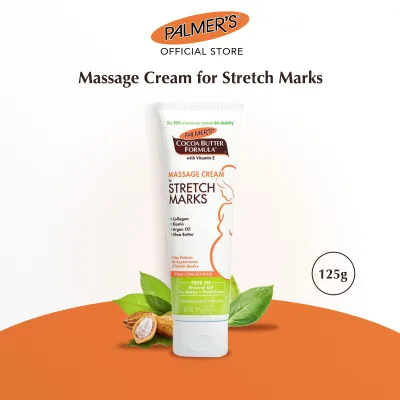
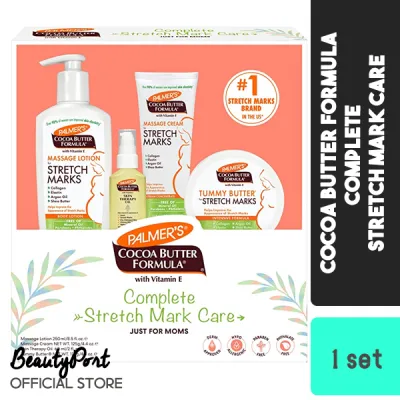
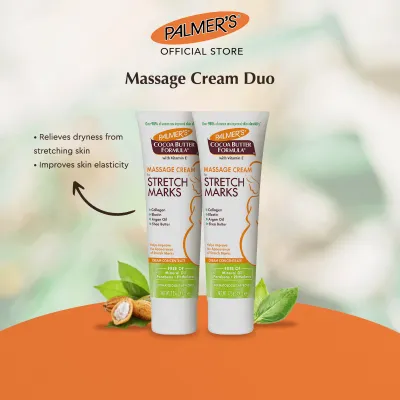
Prices are valid at publication and may change. Please refer to the product page for the latest price.
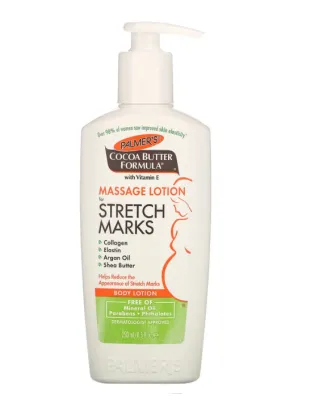
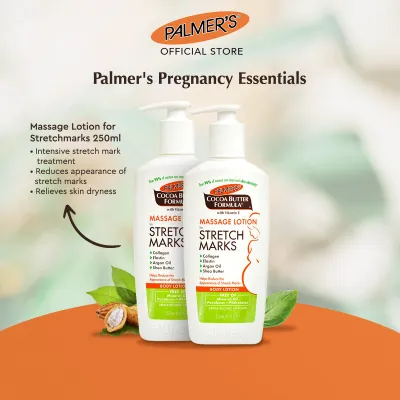
- Choose the Massage Cream if you prefer a lightweight, traditional body lotion feel for daily, all-over hydration. This format is highly suitable for normal to combination skin types and is comfortable enough for daytime use, even during hot and humid afternoons. It absorbs relatively quickly, allowing you to get dressed shortly after application without worrying about staining your clothes.
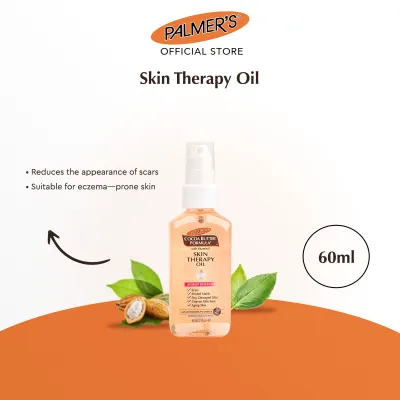
- Choose the Skin Therapy Oil if you want a lightweight, liquid hydrator that is perfect for targeted massage and quick absorption. It is best applied directly after a shower while your skin is still damp, helping to lock in moisture instantly. This is an excellent option for those who dislike the heavy or greasy residue of traditional creams and want a breathable, soothing layer during the day.
- Choose the Tummy Butter if you have naturally dry, flaky skin or require intensive, long-lasting moisture. This dense, solid-to-oil formula provides a highly protective occlusive barrier. It is best reserved for nighttime use or for targeted application on areas experiencing the most rapid stretching, such as the lower abdomen, hips, and thighs. It is particularly comfortable when sleeping in air-conditioned bedrooms where the air can strip moisture from your skin.
Deep Dive: Cream, Oil, and Butter Compared
Each format of Palmer’s stretch mark line is formulated with a core base of cocoa butter and shea butter, but their physical structures, absorption rates, and overall user experiences differ significantly. Understanding these differences allows you to customize your application based on how your skin behaves at different times of the day.

Palmer's Stretch Mark Cream
Often referred to as the Massage Cream, this format features a rich yet highly spreadable lotion consistency. It is designed for broad, all-over application, making it easy to cover larger areas of the body like the thighs, breasts, hips, and the entirety of your expanding belly.
The cream is formulated to balance deep hydration with rapid absorption. When massaged into the skin, it penetrates the upper layers relatively quickly, leaving behind a soft, supple texture rather than a heavy, oily film. This makes it highly practical for morning routines when you need to get dressed quickly and head out for the day.
Because it behaves like a high-performance daily moisturizer, it is an excellent baseline product for any maternity skincare routine. It provides a reliable balance of water-based hydration and emollient oils, helping to maintain skin suppleness throughout your daily activities without causing discomfort in warm weather.
Palmer's Stretch Mark Oil
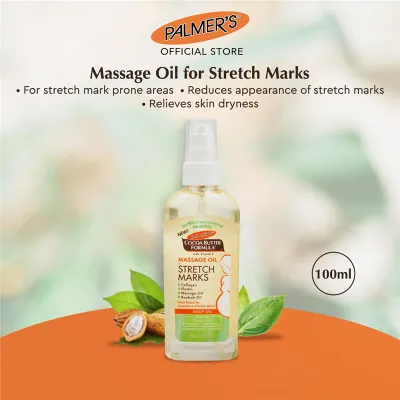
This format, typically represented by the Skin Therapy Oil or Soothing Oil, is a lightweight, fluid liquid composed of a blend of carrier oils. Unlike creams or butters, which contain water and structuring agents, the oil format is purely lipid-based, focusing on softening the skin surface and preventing trans-epidermal water loss.
The oil glides effortlessly over the skin, providing immediate relief to dry, tight, and itchy areas. Because of its fluid nature, it requires very little physical pressure to spread, which is highly beneficial when your skin feels particularly sensitive or tender.
When applied to damp skin, the oil mixes with the residual water droplets, creating a lightweight emulsion that locks in moisture exceptionally well. It leaves a beautiful, radiant glow on the skin and absorbs fully without leaving a thick, suffocating layer, making it a favorite for daytime use in tropical climates where heavy creams might feel too occlusive.
Palmer's Stretch Mark Butter
Commonly known as the Tummy Butter, this product is a thick, dense, and solid concentrate housed in a jar. It is formulated with a high concentration of pure cocoa butter, which remains solid at room temperature but melts beautifully into a rich, luxurious oil upon contact with the warmth of your skin.
Because of its solid-to-oil nature, the butter is highly occlusive. It does not absorb instantly; instead, it sits on the skin surface longer, creating a robust protective barrier that seals in moisture for hours. This slow-release hydration makes it incredibly effective at combating severe dryness and soothing the deep, persistent itching associated with rapid skin expansion.
Due to its rich and heavy texture, the butter is best suited for targeted application on highly stretched areas rather than all-over body use. It is highly recommended as a dedicated nighttime treatment. Applying it right before bed allows the rich formula to nourish your skin undisturbed while you sleep, protecting your skin barrier from the drying effects of overnight air conditioning.
Matching the Format to Your Skin Type and Pregnancy Stage
Your skin is a dynamic organ that reacts continuously to hormonal fluctuations, your stage of pregnancy, and your physical environment. To get the most out of your maternity skincare, it helps to tailor your product selection to these changing factors.
Tailoring to Your Skin Type
If you have naturally dry, sensitive, or flaky skin, your skin barrier requires extra support to remain pliable. In this case, prioritizing the Tummy Butter or the Massage Cream will provide the dense emollient and occlusive properties your skin needs to prevent cracking and irritation.
For those with normal, oily, or combination skin, a lighter touch is often preferred. The Skin Therapy Oil or the Massage Cream will offer ample hydration without overloading your pores or leaving your skin feeling excessively greasy. If you are prone to body acne during pregnancy due to hormonal shifts, a lighter, fast-absorbing format like the oil is generally easier to tolerate.
Navigating the Tropical Climate
Living in a warm, humid environment like the Philippines introduces unique challenges for maternity skincare. High humidity means your skin sweat rates are higher, and heavy, occlusive products can easily trap heat and sweat, leading to discomfort, stickiness, or heat rashes.
During hot, humid days, using the lightweight Skin Therapy Oil or the fast-absorbing Massage Cream for your morning routine ensures your skin remains hydrated and comfortable while you go about your day. Save the heavy, rich Tummy Butter for your evening routine, especially if you sleep in an air-conditioned room. The air conditioning lowers ambient humidity, which can dry out your skin overnight; the butter acts as an ideal shield against this moisture loss.
Adjusting by Pregnancy Trimester
Your physical needs and sensory tolerances will shift as you progress through each trimester of your pregnancy:
- First Trimester: During the early weeks, your body undergoes massive hormonal changes that often trigger heightened sensitivity to smells, morning sickness, and nausea. Strongly scented products can easily become unusable. During this stage, focus on finding fragrance-free or very lightly scented variants of the Cream or Oil. Keep your routine simple and low-stress, focusing on gentle hydration as your body prepares for the changes ahead.
- Second Trimester: This is typically when your baby bump begins to show, and your skin starts to stretch noticeably. It is the perfect time to establish a consistent, twice-daily routine. Combining the Massage Cream in the morning with the Skin Therapy Oil after your evening shower provides a comprehensive balance of hydration and elasticity support.
- Third Trimester: As you enter the final stretch, your belly expands rapidly, and the skin can become incredibly tight, dry, and itchy. Physical mobility also becomes more challenging, making it harder to reach your lower back, hips, and lower legs. During this stage, fast-absorbing formats like the Oil or an easily spreadable Cream are highly practical because they require minimal physical effort to apply. Supplement this with targeted applications of the thick Tummy Butter on your belly and hips before bed to provide maximum comfort through the night.
Side-by-Side Comparison Table
To help you visualize the practical differences between these three popular formats, refer to this simplified, scannable comparison of their physical properties and ideal usage scenarios.
| Format | Texture & Consistency | Absorption Speed | Best Suited For | Ideal Time of Use |
|---|---|---|---|---|
| Massage Cream | Rich, spreadable lotion | Fast to Medium | All-over daily hydration, normal to combination skin | Morning or daytime |
| Skin Therapy Oil | Lightweight, fluid liquid | Fast (especially on damp skin) | Targeted massage, soothing itchiness, warm weather comfort | Post-shower or daytime |
| Tummy Butter | Thick, dense, semi-solid concentrate | Slow (leaves a protective barrier) | Very dry skin, highly stretched areas (belly, hips, thighs) | Nighttime or bedtime routine |
Application Tips for Maximum Hydration
How you apply your maternity skincare is just as important as the product format you choose. By incorporating a few simple, mindful habits into your daily routine, you can maximize the hydrating benefits of these formulations and support your skin’s health safely.
Prioritize Consistency Over Format
When it comes to maintaining skin elasticity, consistency is far more important than choosing a single perfect product. Applying your chosen hydrator twice a day, every single day, ensures that your skin barrier remains continuously supported. Establish a routine of moisturizing once in the morning and once before bed to keep dry, tight skin at bay.
Use Gentle, Mindful Techniques
When applying your cream, oil, or butter, always use gentle, circular massage motions. Gently massaging the skin helps promote local blood circulation, which supports skin health and aids in product absorption. Avoid pulling, tugging, or vigorously rubbing your skin, especially on your belly and breasts, as these areas are highly sensitive and prone to micro-tears when handled roughly.
Apply to Damp Skin to Lock in Moisture
One of the most effective ways to boost skin hydration is to apply your product immediately after bathing or showering. While your skin is still slightly damp, it is fully saturated with water molecules. Applying your oil or cream at this precise moment traps that water on the surface, preventing it from evaporating into the dry air and keeping your skin plump and hydrated for much longer.
Observe Safety Boundaries and Patch Test
Pregnancy hormones can significantly alter your body’s immune responses and skin chemistry. Even if you have never had sensitive skin or allergies in the past, you may suddenly find yourself reacting to ingredients you previously tolerated without issue.
Before applying any new product over large areas of your body, always perform a patch test. Apply a small, dime-sized amount of the product to a discreet area of skin, such as your inner forearm or the side of your hip, and wait 24 hours. Observe the area closely for any signs of reaction.
If you experience redness, severe itching, burning, swelling, or any form of irritation, discontinue use of the product immediately. Cleanse the area gently with cool water and a mild soap. If the irritation persists, or if you experience severe discomfort, consult a dermatologist or your OB-GYN for professional guidance tailored to your pregnancy.
Frequently Asked Questions (FAQ)
Can I mix Palmer's Oil and Cream together?
Yes, layering or mixing these formats is a highly effective way to customize your skincare routine. A common practice is to apply the lightweight Skin Therapy Oil first to damp skin immediately after your shower, allowing it to absorb, and then layer the Massage Cream on top to seal in the hydration. Alternatively, you can dispense a small amount of the cream into your palm, add a few drops of the oil, mix them together with your hands, and apply the mixture directly to your skin. Always check your specific product labels for any unique manufacturer instructions regarding layering or product compatibility.
When should I start using stretch mark products during pregnancy?
It is generally recommended to start using supportive skincare early in your pregnancy, ideally during the first trimester or as soon as you confirm your pregnancy. Starting early helps prepare your skin by building up its hydration levels and maintaining its natural elasticity before significant physical stretching begins in the second and third trimesters. However, it is important to remember that while early and consistent hydration supports skin comfort, flexibility, and overall health, the actual development of stretch marks is highly dependent on genetic factors and the speed of your physical growth.

Community discussion
Share your experience or ask a question. Comments are reviewed before publication.