
The transition from the traditional mineral-based Johnson’s baby powder to the newer plant-based formulation represents a significant shift in daily diaper care. For decades, the classic formula relied on talc to keep baby skin dry and reduce friction. The modern version, however, utilizes cornstarch as its primary moisture-absorbing agent. In a tropical climate like the Philippines, where high humidity and heat frequently cause sweat rash and diaper irritation, choosing between these two formulas requires a clear understanding of how their ingredients behave on sensitive skin. Parents must learn to identify these versions on store shelves, evaluate how each base handles moisture, and apply them safely to protect their baby’s delicate skin barrier.
Understanding Formula Updates and Reading Product Labels
Manufacturers update formulas due to evolving regulatory standards, shifting consumer preferences, and advancements in pediatric dermatological research. Over the years, public interest in talc-free alternatives has prompted global brands to transition their classic lines to starch-based alternatives. This shift ensures that products align with modern manufacturing practices and meet the expectations of contemporary parents who closely monitor what goes onto their children’s skin.
To determine which version you have, turn the bottle around and look at the ingredients list on the back label. In the older formula, talc is listed as the very first ingredient, indicating it makes up the vast majority of the product. In the newer formula, you will see cornstarch, often listed as Zea Mays Starch, at the top of the list. This simple check is the most reliable way to verify the formulation, as front-of-pack designs can sometimes look very similar.
Products mentioned in this guide
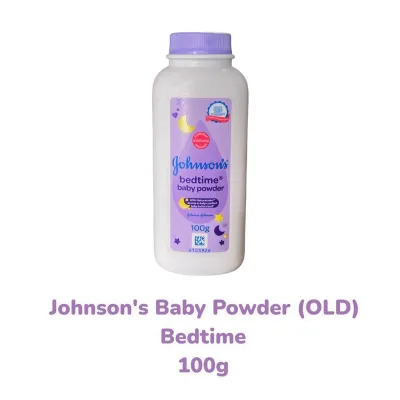
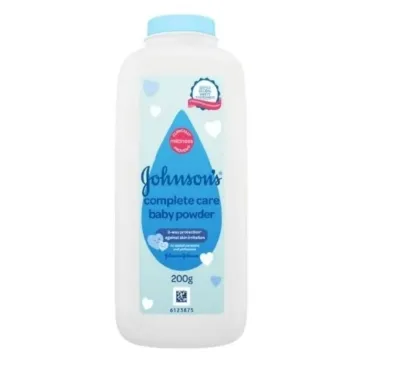
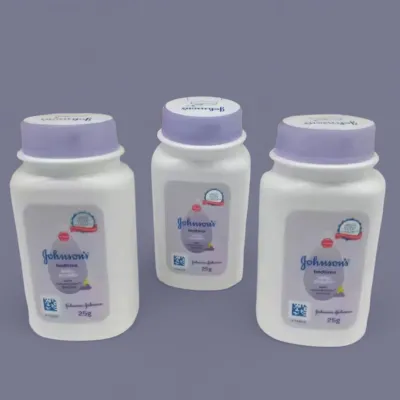
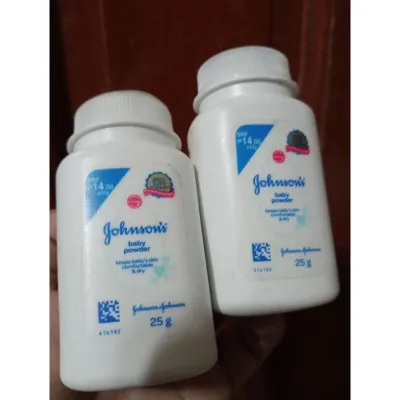
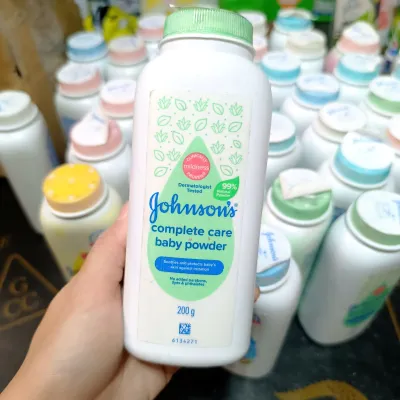
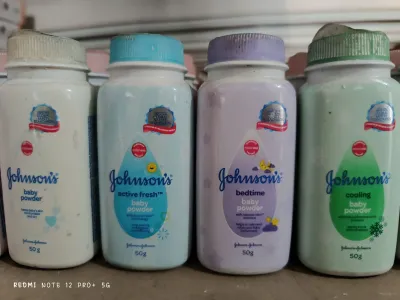
Prices are valid at publication and may change. Please refer to the product page for the latest price.
In addition to the ingredient list, you can check the batch codes and manufacturing dates printed near the bottom or on the underside of the bottle. Manufacturers often update the packaging design slightly during a reformulation, sometimes adding prominent text highlighting the use of cornstarch. However, verifying the actual ingredient list remains the gold standard for identifying older stock versus newly formulated versions.
Talc vs. Starch Bases: Comparing the Core Formulation Shift
Talc is a naturally occurring mineral composed of magnesium, silicon, and oxygen. It is highly effective at repelling water, reducing friction, and providing a silky texture that glides smoothly over the skin. Cornstarch, on the other hand, is a natural carbohydrate derived from corn kernels. It is highly absorbent, drawing moisture away from the skin’s surface, but it has a slightly heavier, more textured feel compared to the ultra-fine slip of talc.

In the Philippines, the combination of intense tropical heat, sweat, and urine creates a highly humid microclimate inside a baby’s diaper. When talc encounters moisture, it generally remains separate and continues to provide a dry barrier. When cornstarch encounters heavy moisture, it absorbs the liquid and can begin to clump. These small clumps can sometimes trap moisture against the skin rather than letting it evaporate, which may inadvertently contribute to skin chafing if the diaper is not changed promptly.
Regardless of whether a powder is mineral-based or plant-based, the physical act of shaking loose powder creates airborne dust. Infants have highly sensitive, developing respiratory systems, and inhaling any fine particulate matter can irritate their airways. Because of this, pediatric associations worldwide advise extreme caution when using any loose powder around babies, emphasizing that the method of application is just as important as the ingredients themselves.
Evaluating Additives for Diaper Rash and Skin Sensitivity
Many baby powders contain added fragrances to provide a clean, familiar scent. While pleasant, synthetic fragrances are common triggers for contact dermatitis, especially on skin that is already compromised by diaper friction or wetness. If your baby has highly sensitive skin or a history of eczema, look for fragrance-free alternatives or formulas where fragrance is listed at the very end of the ingredient list, indicating a minimal concentration.
Modern formulations often incorporate secondary ingredients designed to soothe irritated skin, such as aloe barbadensis leaf extract, tricalcium phosphate, or tocopheryl acetate (Vitamin E). While these additives can support skin health, their effectiveness depends on their concentration. If these soothing agents are listed after fragrance or preservatives on the label, their actual concentration is very low, serving more as a secondary benefit than a primary treatment.
It is vital to monitor your baby’s skin closely after introducing any new product. If you notice signs of worsening redness, peeling, tiny bumps, or raw patches in the diaper area, stop using the powder immediately. These symptoms can indicate an allergic reaction, a yeast infection, or severe diaper dermatitis. In such cases, clean the area with warm water, pat it dry, and consult a pediatrician for a targeted treatment plan.
How to Choose the Right Powder for Your Diaper Routine
Choosing between the old and new formula depends on your baby’s skin history, your local climate, and your personal comfort level with mineral ingredients. A systematic approach to evaluating your baby’s specific needs will help you make the safest choice for their daily routine.
Choose the plant-based or newer formula if your baby has normal skin, you prefer to avoid mineral-based powders, or you want to align with modern pediatric guidelines that recommend talc-free routines. The cornstarch base is excellent for absorbing daily sweat and light moisture, provided you change diapers frequently to prevent clumping.
Consider the traditional formula only if you have verified its legal availability, it has been stored in a dry, sealed environment, and your baby has a long history of tolerating it without any respiratory or skin issues. However, keep in mind that as manufacturers phase out talc globally, finding authentic, properly stored older stock will become increasingly difficult and may not be practical over the long term.
Neither formula is suitable if your baby has an active, weeping diaper rash, broken skin, or a suspected yeast infection. Fungal organisms like Candida can actually feed on starch-based powders, worsening the infection. For active rashes, a thick barrier cream containing zinc oxide or petroleum jelly is far more effective at shielding the skin from acidic urine and stool.
Verify first if your baby has a history of respiratory issues, asthma, or was born prematurely. If any of these conditions apply, avoid using any loose powder entirely. The risk of accidental inhalation outweighs the moisture-wicking benefits, and alternative moisture-management strategies, such as frequent diaper-free time, should be used instead.
Safe Application and Storage Practices for Any Formula
To minimize the risk of your baby inhaling airborne particles, never shake the powder bottle directly onto their skin or near their body. Instead, step slightly away from the baby, shake a small amount of powder directly into your own palm, and gently pat your hands together to settle the dust. Then, gently pat the powder onto the baby’s clean, dry diaper area, focusing on the skin folds where friction occurs.
Always store and apply the powder far out of reach of the baby’s face and hands. Babies can easily grab a bottle or kick during a diaper change, causing a sudden cloud of dust. Additionally, avoid applying powder to areas near the baby’s hands, as they may rub their eyes or put their hands in their mouth, transferring the powder to their face.
In a warm, humid climate, proper storage is essential to maintain the integrity of baby powder. Keep the container tightly closed when not in use and store it in a cool, dry cupboard rather than a damp bathroom. Starch-based powders are highly hygroscopic, meaning they readily absorb moisture from the air. If left exposed to high humidity, the powder inside the bottle can clump, lose its effectiveness, and potentially support bacterial or mold growth.
Frequently Asked Questions (FAQ)
Can I mix the old and new powder formulas in the same container?
It is highly recommended not to mix different baby powder formulations in the same container. Combining a mineral-based talc powder with a plant-based cornstarch powder alters the physical properties of both, potentially causing uneven absorption and premature clumping inside the bottle. Furthermore, if your baby experiences an allergic reaction or skin irritation, mixing the formulas makes it impossible to identify which ingredient triggered the response. Keep the products in their original, clearly labeled packaging to ensure safety and traceability.
Is baby powder necessary for every diaper change?
No, baby powder is not a strict necessity for every diaper change. While it is a helpful tool for absorbing excess moisture and reducing friction, many modern diapering routines rely primarily on frequent diaper changes, thorough air-drying, and the targeted use of barrier creams. In hot and humid tropical conditions, allowing the baby’s skin to air-dry completely for a few minutes before putting on a fresh diaper is often the most effective way to prevent diaper rash without relying on topical products.

Community discussion
Share your experience or ask a question. Comments are reviewed before publication.