
A diaper change spray is not strictly mandatory for every nursery, but it serves as a highly convenient, touch-free alternative to traditional creams. This is especially true in warm, humid climates like the Philippines, where friction, sweat, and trapped moisture can quickly aggravate a baby’s delicate skin. For many parents, a standard diaper cream is entirely sufficient for daily moisture protection. However, a spray offers distinct advantages for active babies, on-the-go changes, or highly sensitive skin that hurts when touched. Deciding between the two depends on your baby’s skin sensitivity, your daily lifestyle, and how your baby reacts to physical touch during diaper changes.
Assessing Your Baby's Current Diaper Care Routine
To determine if your current diaper care routine is working, start by closely observing your baby’s skin during changes. Healthy skin should look smooth, even-toned, and dry without appearing flaky or dry. Early signs of irritation typically present as mild pinkness, small red bumps, or warm patches in the skin folds where moisture tends to collect.
Next, evaluate how well your current barrier product performs during typical wear times and periods of heavy wetting. If you notice that the cream washes away completely or fails to prevent redness after a long afternoon nap, your baby’s skin may need a more durable barrier or a different application frequency. High humidity can cause babies to sweat more inside their diapers, making effective moisture management a constant challenge.
Products mentioned in this guide

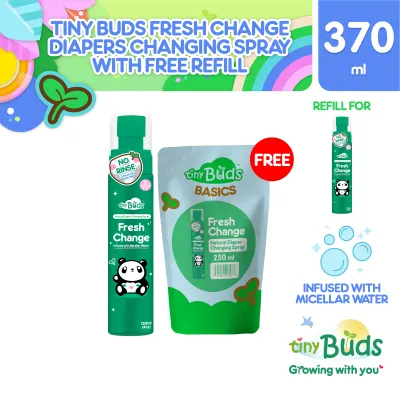
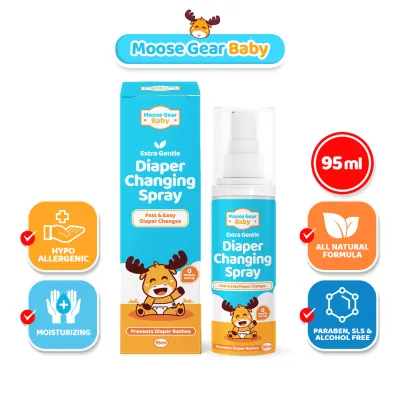
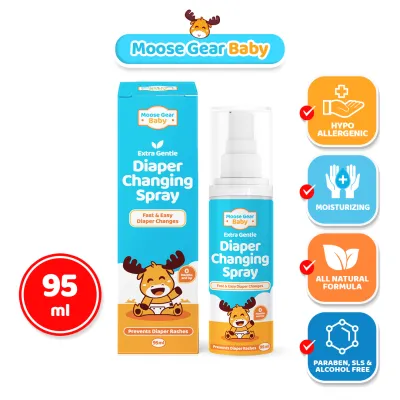
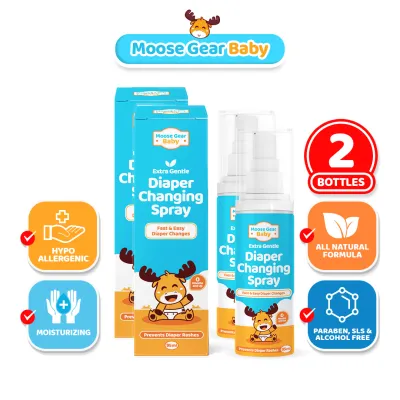
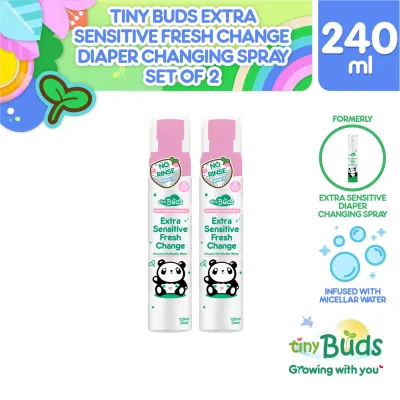
Prices are valid at publication and may change. Please refer to the product page for the latest price.
Finally, pay attention to your baby’s comfort during the cleaning and application process. If your baby squirms, cries, or shows signs of distress when you wipe away old cream or apply a new layer, the physical friction may be worsening their discomfort. Wiping away thick, sticky pastes during every diaper change can sometimes cause more mechanical irritation to sensitive skin than the wetness itself.
Diaper Change Spray vs. Cream vs. Powder: Understanding the Formats
Each diaper care format is designed to protect your baby’s skin in a slightly different way. Traditional creams and ointments are thick, lipid-rich formulas that create a physical, occlusive wall to block wetness from contacting the skin. Diaper change sprays utilize a liquefied or emulsified barrier formula delivered via a fine mist, which settles onto the skin and dries quickly without requiring manual spreading.

The physical application method is the primary differentiator between these options. Creams require you to use your fingers or a spatula to rub the product directly onto irritated areas, which can be uncomfortable for a baby with an active rash. Powders, once a household staple, are increasingly discouraged by pediatric organizations due to the severe inhalation risks associated with loose airborne particles, which can irritate a baby’s developing lungs.
When choosing any format, reading the manufacturer’s label is essential for safety. Parents must verify the minimum age recommendation, check for potential allergens, and look for specific warnings regarding broken skin. In tropical climates, avoiding heavy fragrances or alcohol-based ingredients is particularly important, as these can dry out or irritate skin that is already stressed by heat and sweat.
Signs You Might Benefit From a Diaper Change Spray
A diaper change spray becomes highly beneficial when your baby’s skin is already red, raw, or highly sensitive. In these moments, even the gentlest touch can cause discomfort. A spray allows you to apply a soothing barrier from a distance, completely eliminating the need to rub or pat sore skin.
On-the-go diaper changes are another scenario where sprays shine. Whether you are navigating a public restroom, changing your baby in the back of a car, or traveling through humid outdoor spaces, a spray eliminates the need to wash your hands immediately before and after application. It keeps the process hygienic and fast.
Active babies who roll over or crawl away mid-change also benefit from this format. When you only have a few seconds before your baby wriggles away, a quick mist provides immediate coverage. The formula typically dries rapidly, allowing you to secure the clean diaper without waiting for a thick paste to settle.
When Traditional Diaper Cream Is Enough
Despite the convenience of sprays, traditional diaper creams remain the gold standard for specific situations. For extended wear times, such as overnight sleep, a thick layer of zinc oxide cream or petroleum-based ointment provides a durable, long-lasting barrier that a light spray mist cannot easily replicate.
When your baby is experiencing severe moisture exposure—such as during bouts of diarrhea or teething—a heavy physical paste is necessary to shield the skin from acidic waste. The sheer density of a traditional cream ensures it stays in place even when subjected to multiple rounds of heavy wetting.
Keeping your routine simple and cost-effective is another reason to stick with cream. High-quality diaper creams are widely available, budget-friendly, and highly effective on their own. Layering multiple products is rarely necessary and can actually trap moisture against the skin if not done correctly, making a single, reliable cream the most practical choice for daily maintenance.
Building a Safe and Effective Diaper Care Routine
An effective routine always begins with thorough, gentle cleaning. Use alcohol-free, fragrance-free wipes or a soft, damp cloth to clean the diaper area, paying close attention to the skin folds. In humid environments, allowing the skin to completely air-dry for a few moments before applying any product is crucial to prevent trapping residual moisture.
Use a simple decision matrix to guide your daily product selection. Choose a diaper change spray for quick daytime changes, active play periods, or when you notice mild redness that makes rubbing uncomfortable. Reserve thick diaper creams for bedtime, long car rides, or periods of intense diaper rash that require a heavy physical shield.
Always establish clear safety boundaries and stop conditions. If your baby’s skin develops open blisters, bleeding, pus, or a persistent bright red rash that does not improve after a few days of consistent care, discontinue use of over-the-counter products and consult a pediatrician. These signs may indicate a yeast infection or a secondary bacterial infection that requires targeted medical treatment.
Frequently Asked Questions (FAQ)
Can I use a diaper change spray and cream together?
Generally, it is best to avoid layering a diaper change spray and a traditional cream together unless specifically instructed by a product label or a pediatrician. Layering multiple barrier products can trap moisture between the coats, which can worsen skin irritation rather than soothe it. Always check the manufacturer’s instructions for compatibility. If your baby’s skin requires a stronger barrier, it is safer to clean the area completely, let it dry, and apply a single, thicker layer of diaper cream rather than mixing different formulas.
Are diaper change sprays safe for newborns?
Many diaper change sprays are formulated to be safe for newborns, but parents must carefully verify this by reading the product packaging. Look for explicit age recommendations and check the ingredient list to ensure the formula is free from added fragrances, parabens, and alcohol, which can easily irritate a newborn’s exceptionally thin skin barrier. Because newborn skin is highly absorbent and sensitive, consulting a pediatrician before introducing any new spray or cream to their daily routine is always a wise precaution.
How often should I apply diaper spray or cream?
You should apply diaper care products according to the specific usage guidelines printed on the manufacturer’s packaging. As a general practice, applying a thin barrier layer during every diaper change can help prevent irritation, especially in warm, humid climates where sweat and wetness accumulate quickly. However, if your baby’s skin is healthy and clear, you may choose to apply products only during heavy wetting periods, such as before bedtime, or when you observe early signs of redness. Adjust the frequency based on your baby’s skin response and the absorbency of your diapers.
Community discussion
Share your experience or ask a question. Comments are reviewed before publication.