
Choosing the right feeding bottle for your baby is a key decision that impacts daily convenience and peace of mind. The ideal material for an Oberni feeding bottle depends on your baby’s developmental stage, your sterilization routine, and your lifestyle. While glass offers excellent chemical stability and scratch resistance, it is heavy and fragile. Polyphenylsulfone (PPSU) combines the lightweight convenience of plastic with high-grade heat resistance and durability. Polypropylene (PP) serves as an affordable, lightweight option, but it wears out faster under high heat and requires more frequent replacement.
In a tropical climate like the Philippines, high humidity can accelerate bacterial and mold growth on damp surfaces, making bottle hygiene a constant priority. Parents must balance the ease of frequent sterilization with the physical limits of each material. Understanding how PP, PPSU, and glass perform under daily wear, repeated washing, and intense heat will help you select the safest and most practical option for your family.
Oberni Bottle Materials: Understanding PP, PPSU, and Glass
To make an choice that fits your daily routine, it is essential to understand the physical and chemical characteristics of the three primary materials used in Oberni feeding bottles. Polypropylene, commonly known as PP, is a widely used, BPA-free plastic. It is highly lightweight and has a slightly cloudy or milky appearance. Because it is flexible and inexpensive to manufacture, PP bottles are highly accessible for families looking for budget-friendly options. However, PP is a softer plastic, making it more susceptible to surface scratches during cleaning.
Products mentioned in this guide
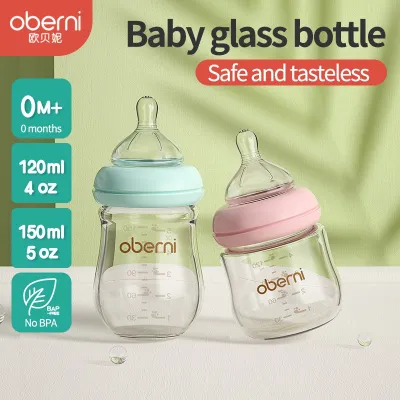
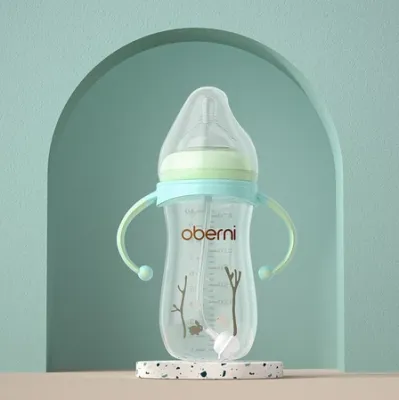
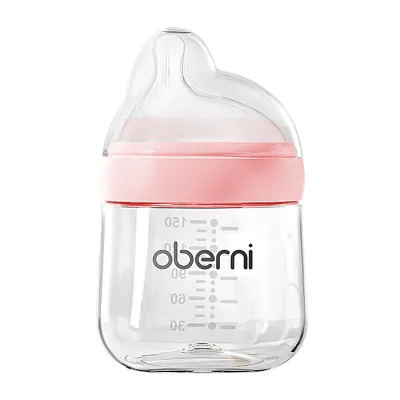
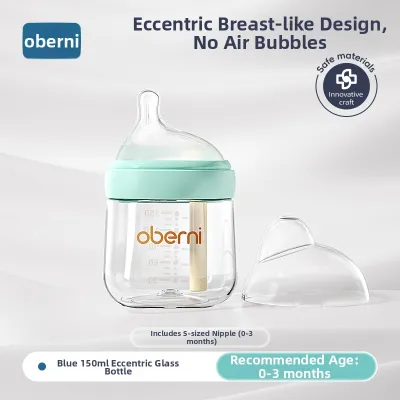
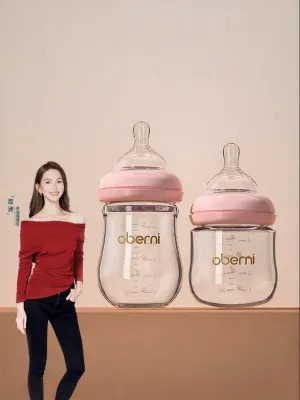
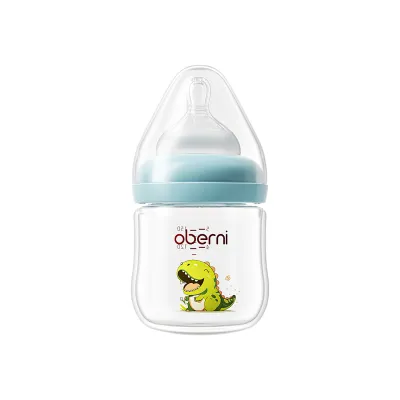
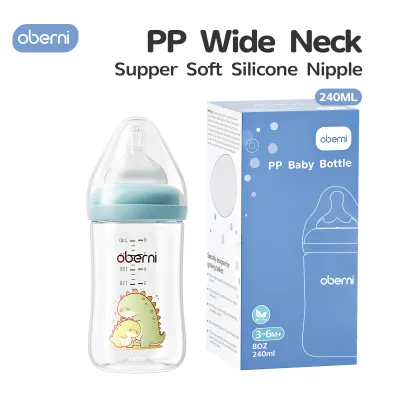
Prices are valid at publication and may change. Please refer to the product page for the latest price.
Polyphenylsulfone, or PPSU, is a medical-grade thermoplastic known for its exceptional durability and high heat tolerance. You can easily identify a PPSU bottle by its natural honey-toned or amber tint; it does not require artificial coloring to achieve this distinct look. PPSU is highly resistant to absorbing odors and stains from milk. It offers the shatterproof safety of plastic while matching many of the hygienic benefits of glass, making it a premium choice for long-term use.
Glass remains the traditional standard for purity and hygiene. Made from natural borosilicate glass, these bottles are completely transparent, highly resistant to thermal shock, and entirely scratch-proof. Because glass is non-porous, it does not absorb odors, colors, or fats from breast milk and infant formula. The primary trade-offs are weight and fragility; glass bottles are significantly heavier than plastic and can shatter if dropped on hard surfaces.
When purchasing any feeding bottle, parents should carefully inspect the product packaging and labels to verify the exact material grade. Ensure the product explicitly states it is BPA-free and meets food-grade safety standards. While reputable brands design their bottles with infant safety in mind, verifying these details on the specific packaging provides peace of mind before the first feed.
Evaluating Safety, Durability, and Sterilization Limits
Daily sterilization is a non-negotiable step in infant care, particularly in warm, humid environments. Each bottle material reacts differently to heat, steam, and ultraviolet (UV) light, meaning parents must consult the specific manufacturer manual for their Oberni bottle rather than relying on general material assumptions.

PP bottles generally have the lowest heat resistance among the three materials, typically capping out around 110°C to 120°C. While they can withstand standard boiling or steam sterilization, frequent exposure to high temperatures can cause the plastic to warp, soften, or degrade over time. If you use a UV sterilizer, check the manufacturer’s guidelines, as prolonged UV exposure can sometimes accelerate the aging and discoloration of PP plastics.
PPSU bottles excel in high-heat environments, boasting a heat resistance that often reaches up to 180°C. This makes them exceptionally compatible with all standard sterilization methods, including repeated boiling, high-temperature steam, and UV sterilization. The robust molecular structure of PPSU ensures that it does not warp or release harmful chemicals even after hundreds of sterilization cycles, making it a highly reliable option for parents who prioritize rigorous hygiene routines.
Glass bottles offer excellent heat resistance and can easily withstand boiling water and steam sterilization. However, glass is highly vulnerable to thermal shock. This occurs when a glass bottle experiences a rapid temperature change, such as being transferred directly from a hot steam sterilizer to a cold countertop or filled with cold water immediately after boiling. To prevent cracking or shattering, always allow glass bottles to cool down gradually in a safe, dry area.
Durability and physical safety also vary significantly between these materials. While plastic bottles like PP and PPSU will not shatter when dropped, they are prone to micro-scratches from bottle brushes. These tiny grooves can harbor microscopic milk residue and bacteria over time, even after sterilization. Glass bottles do not scratch easily, ensuring a consistently smooth, hygienic surface, but they pose an obvious hazard if dropped on hard tile floors, which are common in many homes.
Choosing the Right Material for Your Baby's Feeding Stage
As your baby grows, their feeding habits, motor skills, and physical capabilities will change, making certain bottle materials more practical at different stages of development. Matching the bottle material to your baby’s age can make feeding times safer and more comfortable for both the infant and the caregiver.
During the newborn stage, feeding is entirely managed by parents or caregivers. Because an adult is holding the bottle, the weight of the container is not a limiting factor. This makes glass bottles an excellent choice for the first few months of life. Newborns have highly sensitive immune systems, and the excellent scratch resistance and hygienic purity of glass provide an extra layer of protection. Since the bottle remains safely in adult hands, the risk of accidental drops and breakage is minimal.
Around the age of six months, babies begin to develop their fine motor skills and will attempt to hold their own bottles. At this transition stage, lightweight and shatterproof materials like PP or PPSU are highly recommended. A heavy glass bottle can be difficult for small hands to grasp, and a sudden drop onto a hard floor can lead to dangerous glass shards. Lightweight plastic bottles allow babies to practice self-feeding safely, promoting independence without the risk of injury from broken glass.
For active toddlers who are constantly on the move, PPSU is often the most practical long-term investment. It survives the inevitable drops, tosses, and impacts of daily toddler life while maintaining its structural integrity through constant washing and sterilization. While PP is also lightweight and shatterproof, its faster rate of wear means you may need to replace PP bottles multiple times as your baby transitions from infancy to toddlerhood, whereas a high-quality PPSU bottle can often last through the entire feeding journey.
Daily Care, Cleaning, and When to Replace Bottles
Proper maintenance is crucial to extending the lifespan of your baby’s bottles and ensuring they remain safe for every feed. The cleaning tools and techniques you use should be tailored to the specific material of the bottle to prevent premature wear and damage.
When cleaning plastic bottles, especially PP, avoid using stiff nylon bristle brushes, which can easily create micro-scratches on the inner walls. Instead, opt for soft silicone bottle brushes or sponge brushes that clean thoroughly without scratching the surface. Glass bottles are much more resilient and can be cleaned safely with standard nylon brushes, though care should still be taken around the neck and threads where the glass may be slightly thinner.
Regularly inspect your baby’s bottles for signs of physical degradation. For plastic bottles (PP and PPSU), look for persistent cloudiness, a sticky texture, or lingering sour odors that do not disappear after a thorough wash and sterilization. These are clear indicators that the plastic has begun to break down and the bottle should be discarded immediately. PPSU will naturally retain its amber color, but any significant darkening or warping suggests it is time for a replacement.
For glass bottles, run your finger carefully along the rim, threads, and base to check for tiny chips, hairline cracks, or deep scratches. Even a minor chip can weaken the glass structure, leading to a sudden break during sterilization or feeding. Additionally, check the measurement markings on all bottles; if the graduated lines have faded or rubbed off, it can lead to inaccurate formula measurements, which can affect your baby’s nutrition and digestion.
Frequently Asked Questions (FAQ)
Can I use both glass and plastic bottles for my baby?
Yes, maintaining a mixed-material bottle inventory is a highly practical approach for many families. Many parents choose to use glass bottles at home, where sterilization and handling can be carefully controlled in a stable environment. When traveling, visiting family, or sending your baby to daycare, lightweight and shatterproof PPSU or PP bottles are much more convenient and safer to pack in a diaper bag. If you mix materials, keep in mind that they may require different sterilization times or temperatures, so organize your cleaning routine to match the manufacturer’s guidelines for each specific bottle type.
How often should I replace my baby's feeding bottles?
Rather than relying on a strict calendar schedule, you should replace feeding bottles based on visible wear and material degradation. As a general guideline, PP bottles often need replacement every three to six months because the softer plastic scratches and degrades more quickly under frequent sterilization. High-quality PPSU bottles can last up to a year or longer with proper care, thanks to their high heat and impact resistance. Glass bottles do not have a set expiration date and can be used indefinitely, provided they remain completely free of chips, cracks, scratches, or faded measurement markings. Always inspect the bottle neck and threads regularly, as these areas experience the most friction from twisting caps.

Community discussion
Share your experience or ask a question. Comments are reviewed before publication.