
Deciding whether to feed your baby a specialized hypoallergenic formula like Nutramigen or a standard cow’s milk formula such as Nido, NAN, or Enfagrow is a decision that should always be guided by medical necessity rather than personal preference or minor digestive changes. While standard formulas are designed to support the healthy growth of infants with typical digestive systems, hypoallergenic formulas serve as targeted medical interventions. A switch to a specialized formula is only warranted when a qualified pediatrician officially diagnoses Cow’s Milk Protein Allergy (CMPA) or another specific medical condition that prevents your baby from digesting intact proteins. For healthy infants, standard formulas provide complete, balanced nutrition, whereas hypoallergenic options require strict professional supervision and a clear clinical reason for use.
Understanding the Core Difference: Nutramigen vs Regular Formula
To understand why a baby might need a specialized formula, it is essential to look at how the proteins are structured. Standard infant formulas, including popular options like Nido, NAN, and Enfagrow, are made from cow’s milk containing intact proteins. These proteins, namely whey and casein, are in their natural, whole state. For the vast majority of babies, the digestive system easily breaks down these intact proteins to absorb essential nutrients. However, for an infant with an undeveloped or highly sensitive immune system, these large protein molecules can be perceived as foreign invaders, triggering an allergic response known as Cow’s Milk Protein Allergy (CMPA).
In contrast, extensively hydrolyzed formulas like Nutramigen undergo a specialized manufacturing process where the cow’s milk proteins are intensively broken down. This process, called hydrolysis, uses enzymes to chop the large whey and casein proteins into tiny fragments. Because these protein pieces are so small, the baby’s immune system is highly unlikely to recognize them as allergens, allowing the infant to digest the formula without experiencing an adverse immune reaction.
Products mentioned in this guide

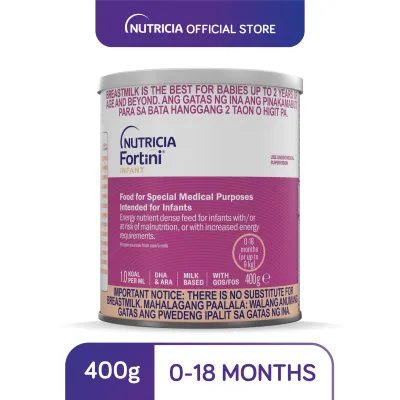
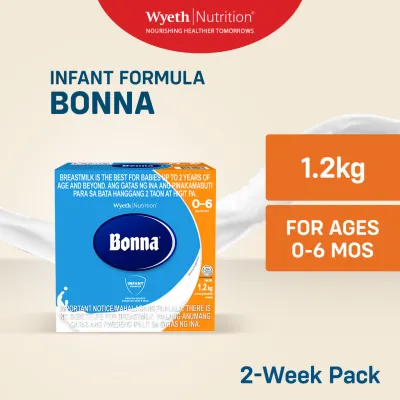
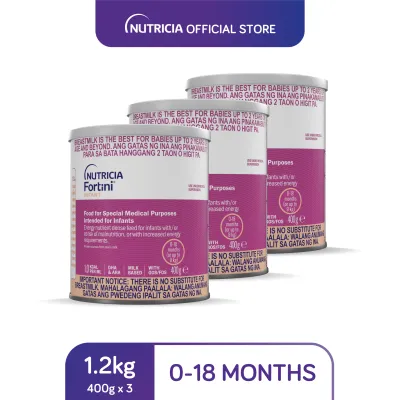

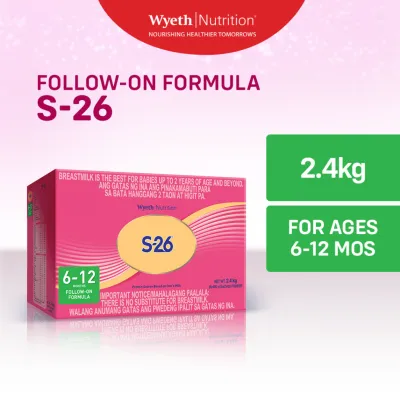
Prices are valid at publication and may change. Please refer to the product page for the latest price.
Standard formulas are strictly contraindicated for infants with a confirmed diagnosis of CMPA. Even a tiny amount of intact cow’s milk protein can trigger a recurrence of painful and potentially dangerous symptoms. Because regular formulas contain these whole proteins, continuing to feed them to an allergic baby can lead to chronic inflammation of the gut, poor nutrient absorption, and overall failure to thrive. Specialized formulas are not simply premium upgrades; they are distinct medical foods formulated specifically to bypass the immune system’s defenses while still delivering essential fats, carbohydrates, vitamins, and minerals.
Signs Your Baby Might Need a Hypoallergenic Formula
Identifying whether your baby is experiencing normal infant development or a genuine allergic reaction requires careful observation of symptoms across multiple bodily systems. Cow’s Milk Protein Allergy typically manifests in three main areas: the skin, the digestive tract, and the respiratory system. On the skin, CMPA often presents as severe, persistent eczema, hives, or widespread rashes that do not improve with standard moisturizing routines. In the tropical, humid climate of the Philippines, parents must be careful to distinguish these allergic skin reactions from common heat rashes or sweat-induced irritation, which generally resolve with cooling measures and proper ventilation.

Digestive symptoms are often the most distressing for parents to witness. While mild spitting up and occasional gas are entirely normal parts of an infant’s digestive tract maturing, severe symptoms point to a deeper issue. Red flags in the digestive system include persistent, projectile vomiting, severe acid reflux, chronic diarrhea, and intense abdominal pain or colic that lasts for hours. Most importantly, the presence of mucus or visible blood in your baby’s stool is a clear sign of intestinal inflammation that requires immediate medical evaluation.
Respiratory symptoms, though less common, can also occur as part of an allergic response. These include chronic congestion, wheezing, coughing, or difficulty breathing that is not associated with a common cold or viral infection. It is crucial to understand that normal infant fussiness, occasional gassiness, and mild spit-ups are standard developmental milestones as the digestive system learns to process food. Parents should never self-diagnose CMPA or abruptly switch to a hypoallergenic formula without consulting a pediatrician. Only a medical professional can perform the necessary assessments, rule out other common infant conditions, and authorize a safe dietary change.
Comparing Key Decision Factors for Parents
When a pediatrician recommends a formula switch, parents must navigate several practical and financial considerations. The primary decision framework should always prioritize medical necessity: if your baby is growing normally and shows no signs of an allergy, stick to standard formulas. If a professional diagnosis of CMPA is made, transitioning to a specialized formula like Nutramigen becomes the necessary path.
One of the first practical challenges parents encounter is taste acceptance. Because the proteins in extensively hydrolyzed formulas are broken down into tiny peptides, the formula has a distinct, somewhat bitter taste and a unique aroma that differs significantly from the sweet, creamy flavor of standard cow’s milk formulas. Infants who are already accustomed to the taste of regular formulas may initially reject the hypoallergenic option. Parents can work with their pediatrician to manage this transition, which sometimes requires patience and specific feeding techniques to help the baby adapt to the new flavor profile.
Another critical factor is the financial commitment. Hypoallergenic formulas are specialized medical products that require advanced manufacturing processes, making them substantially more expensive than standard formulas. A single tin of Nutramigen can cost significantly more in Philippine Pesos (₱) than regular tins of Nido, NAN, or Enfagrow. Parents must factor this ongoing cost into their monthly household budget and verify availability at authorized local pharmacies, specialized drugstores, or reputable online marketplaces, as these medical formulas are not always stocked on standard supermarket shelves.
Preparation and storage also require close attention to detail. Extensively hydrolyzed formulas often have different mixing characteristics compared to standard powders; they may not dissolve as quickly, can appear more watery, or may produce more foam when shaken. In the warm and humid climate of the Philippines, maintaining the integrity of the powder is vital. Parents must strictly follow the manufacturer’s instructions regarding water temperature, precise powder-to-water ratios, and storage. Opened tins must be kept in a cool, dry place—never in the refrigerator—and used within the exact timeframe specified on the label to prevent spoilage and bacterial contamination.
Transitioning Safely and Monitoring Reactions
Transitioning your baby to a hypoallergenic formula must be done in strict accordance with your pediatrician’s guidance. Depending on the severity of the baby’s allergic symptoms, the doctor may advise an immediate, complete switch to the new formula rather than a gradual transition. While a gradual blend is common when switching between standard formulas, an immediate switch is often necessary for diagnosed allergies to eliminate the offending cow’s milk proteins from the baby’s system as quickly as possible.
During the first two to three weeks of the transition, parents should closely monitor specific observation metrics to gauge the baby’s response. Stool consistency is one of the most immediate changes you will notice; babies on extensively hydrolyzed formulas often pass stools that are looser, more frequent, and greenish in color. This is a completely normal reaction to the pre-digested proteins and should not be mistaken for diarrhea. You should also watch for a gradual improvement in skin rashes, a reduction in spitting up, and a calmer, less fussy demeanor during and after feedings.
While many babies show significant improvement within a few days to two weeks, parents must remain vigilant. If your baby’s symptoms do not improve after a few weeks, or if they worsen—such as increased vomiting, persistent blood in the stool, or signs of lethargy—you must stop the transition and seek immediate medical advice. There are cases where an infant may have an extremely severe allergy that requires an amino acid-based formula, which contains completely free amino acids rather than hydrolyzed protein chains.
Frequently Asked Questions (FAQ)
Can I switch back to regular formula once symptoms improve?
No, you should never switch back to a regular cow’s milk formula without explicit medical clearance and supervision from your pediatrician. Even if your baby’s symptoms have completely resolved on a hypoallergenic formula, the underlying allergy may still be active. Reintroducing intact cow’s milk proteins too early can trigger a sudden and severe return of symptoms, damaging the baby’s recovering gut. Typically, pediatricians recommend keeping the baby on the specialized formula for several months or until they reach a certain age, after which an oral food challenge may be conducted under strict medical supervision to determine if the baby has outgrown the allergy.
Is a hypoallergenic formula suitable for lactose intolerance?
While extensively hydrolyzed formulas like Nutramigen are often lactose-free or low in lactose, it is vital to understand that lactose intolerance and Cow’s Milk Protein Allergy are entirely different conditions. Lactose intolerance is the inability to digest the natural sugar (lactose) found in milk due to a deficiency in the lactase enzyme, resulting in gas and bloating but no immune response. CMPA, on the other hand, is a serious immune reaction to the proteins in milk. Parents must carefully check product labels to verify the lactose content and consult a pediatrician to obtain an accurate diagnosis, ensuring their baby receives the correct dietary adjustment rather than an unnecessary or inappropriate formula switch.

Community discussion
Share your experience or ask a question. Comments are reviewed before publication.