
Choosing the right formula milk for your growing child is one of the most significant decisions you will make as a parent. With an overwhelming number of options lining the shelves of local supermarkets and pharmacies, finding the milk that aligns with your child’s developmental stage can feel like a daunting task. Among the most popular and trusted names in the Philippines are Nido, NAN, and Enfagrow. Each of these brands is formulated with distinct nutritional priorities, targeting different developmental milestones and digestive needs.
The ideal choice among these three options depends entirely on your child’s specific age, digestive tolerance, and current nutritional requirements. As a general guide, Nido is widely positioned for older toddlers and school-aged children, focusing on overall physical growth, bone strength, and daily immunity. NAN is recognized for its highly researched, science-backed formulations that prioritize gentle digestion, protein quality, and early-stage gut health. Enfagrow is heavily focused on the toddler and preschooler years, placing its primary emphasis on brain development, cognitive nutrients, and filling nutritional gaps during transition phases.
Before diving deeper into these differences, parents must remember a fundamental health rule: breastmilk is the best for babies up to two years of age and beyond. Formula milk is not a substitute for breastmilk during the first six months of life. Any introduction of cow’s milk-based growing-up formulas or switching of milk brands for infants under 12 months must be explicitly cleared and approved by your pediatrician.
Products mentioned in this guide
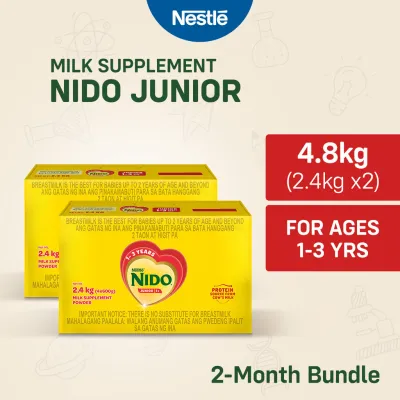
![[ONLINE EXCLUSIVE] NIDO JUNIOR 1+ Milk Supplement Powder for Children 1-3 Years Old 4kg](https://img.lazcdn.com/g/p/346169b16d6126178676b1f57c9aec63.jpg_400x400q80.jpg_.webp)
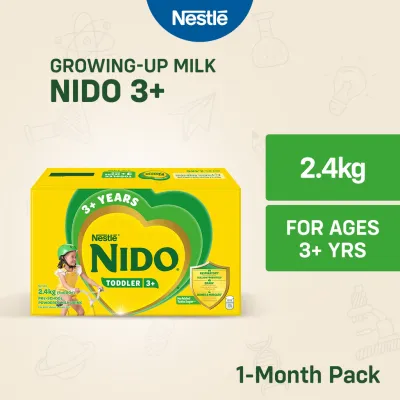
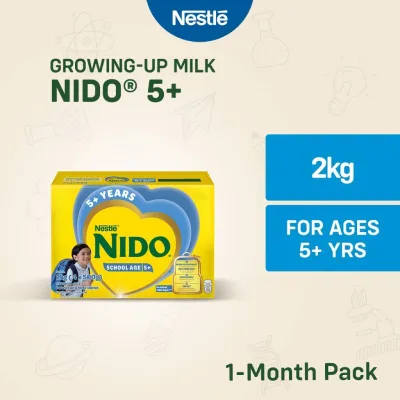
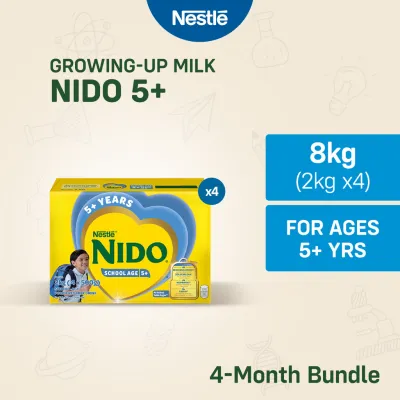
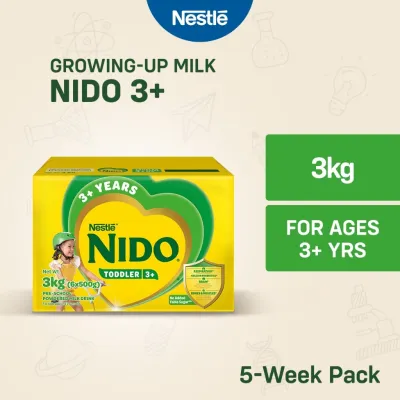
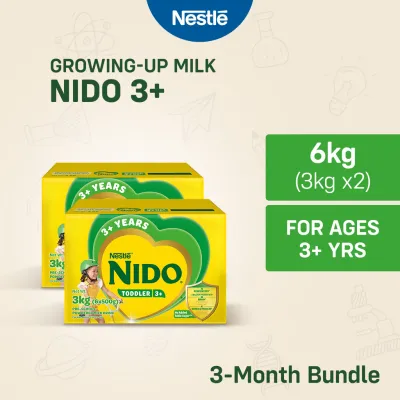
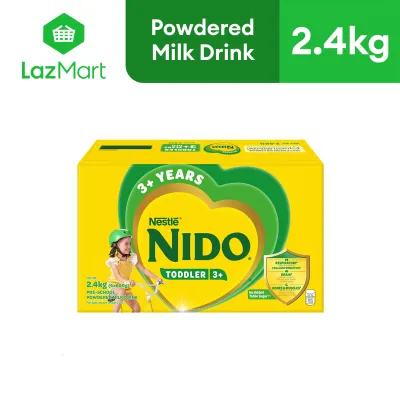
Prices are valid at publication and may change. Please refer to the product page for the latest price.
Brand Positioning: Nido, NAN, and Enfagrow at a Glance
Understanding the core philosophy of each brand helps clarify why their ingredient lists and target age groups differ. Nestlé’s Nido has been a household staple in the Philippines for generations. It is primarily known as an accessible, family-friendly brand that supports children as they transition from toddlerhood into active school years. The brand focuses on overall physical development, skeletal strength, and robust immune defenses, making it a popular choice for parents looking for reliable daily nutrition that fits within a mid-range budget.
In contrast, Nestlé’s NAN is positioned as a premium, science-driven brand. NAN formulations are heavily rooted in pediatric research, often focusing on the structural quality of proteins and the health of the digestive tract. By prioritizing easy-to-digest proteins and advanced probiotic blends, this brand is designed to support infants and young toddlers who may have sensitive stomachs or require extra support in building a balanced gut microbiome.
Mead Johnson’s Enfagrow occupies a premium space with a highly specific focus: cognitive development. Recognizing that a child’s brain grows rapidly during the first few years of life, Enfagrow centers its identity on high-quality brain-building nutrients. It is designed primarily for toddlers and preschoolers, aiming to support mental focus, memory, and learning capabilities while providing a broad spectrum of vitamins and minerals to support children who may be going through picky eating phases.
While these brand profiles offer a helpful starting point, parents must remember that brand positioning is only a general guide. Formulations, ingredients, and target age brackets are updated frequently by manufacturers to reflect the latest pediatric science. Always verify the specific product variant’s label to ensure it matches your child’s current needs.
Age Suitability: Matching Formula Stages to Development
Formula milk is carefully categorized into sequential stages, such as Stage 1, Stage 2, Stage 3, and Stage 4, or labeled with specific age ranges like 1–3 years and 3+ years. These stages are not arbitrary marketing labels; they are scientific formulations designed to match a child’s changing physiological capabilities. An infant’s kidneys and digestive system are highly delicate and cannot process the high protein density and mineral loads found in growing-up milks designed for older toddlers. Conversely, an older toddler requires higher amounts of certain micronutrients that infant formulas do not provide in sufficient quantities.

Each of our three compared brands segments its products to address these distinct developmental phases:
- NAN: Offers a comprehensive range starting from early infancy up to toddlerhood. This includes Stage 1 (for infants 0–6 months), Stage 2 (for infants 6–12 months), and Stage 3 (for toddlers 1–3 years), alongside specialized sensitive or hypoallergenic variants.
- Enfagrow: Focuses its core lineup on the crucial toddler and preschool years, primarily offering Stage 3 (for children 1–3 years) and Stage 4 (for children 3 years and above).
- Nido: Focuses almost exclusively on the growing-up years, starting with Nido 1+ (for toddlers 1–3 years), Nido 3+ (for preschoolers 3–5 years), and Nido 5+ (for school-aged children).
When transitioning your child from one stage to the next, or when switching between brands, a gradual approach is vital to prevent digestive upset. A abrupt change can shock a toddler’s stomach, leading to constipation, gas, or loose stools. A safe transition protocol involves mixing the old and new formulas over a period of 5 to 7 days. For example, on days 1 and 2, serve a bottle containing 75% of the current formula and 25% of the new formula. On days 3 and 4, adjust the ratio to a 50/50 mix. On days 5 and 6, use 25% of the current formula and 75% of the new formula, before moving entirely to the new brand or stage on day 7. Monitor your child’s stool consistency, skin condition, and overall mood throughout this period.
As a strict safety boundary, standard cow’s milk or general powdered milk drinks that are not explicitly labeled as infant formula are highly unsafe for babies under 12 months. Always adhere strictly to the age recommendations printed on the front of the tin. If your child was born prematurely, had a low birth weight, or has specific growth delays, consult your pediatrician before making any changes to their milk regimen.
Nutritional Focus: Comparing Nido, NAN, and Enfagrow Labels
To make an objective comparison, parents must look past the colorful graphics on the front of the packaging and learn to read the nutrition facts table and ingredient list on the back. This allows you to evaluate the actual density of nutrients rather than relying on general marketing claims.
Brain and Cognitive Support
When evaluating cognitive support, look for docosahexaenoic acid (DHA), arachidonic acid (ARA), choline, iron, and iodine on the label. DHA is an omega-3 fatty acid that serves as a primary structural component of the brain and retina. Enfagrow frequently highlights its high DHA levels and its inclusion of Milk Fat Globule Membrane (MFGM), a lipid-protein membrane that supports cognitive development. When comparing, check the exact milligrams of DHA per serving on the nutrition facts panel. Ensure that these levels are paired with adequate iron and choline, which are essential for neurotransmitter synthesis and overall brain function.
Immunity and Gut Health
To compare immune and digestive support, look for prebiotics and probiotics in the ingredient list. Prebiotics, such as fructooligosaccharides (FOS), galactooligosaccharides (GOS), or polydextrose, are non-digestible fibers that feed beneficial gut bacteria. Probiotics are live, beneficial microorganisms, such as Bifidobacterium lactis or Lactobacillus reuteri, that actively support gut colonization. NAN is highly regarded for incorporating specific probiotic strains and optimized prebiotic blends to maintain a healthy gut barrier. Some Nido variants also include proprietary prebiotic fibers (such as Prebio3) to support comfortable digestion. Check the ingredient list to verify the presence of these active cultures and fibers.
Bone Growth and Physical Development
Physical growth requires a balanced intake of high-quality protein, calcium, vitamin D, and phosphorus. Calcium and vitamin D work synergistically; without sufficient vitamin D, the body cannot effectively absorb calcium to build strong bones and teeth. Review the Percentage Daily Value (% DV) or the recommended energy and nutrient intakes (RENI) listed on the nutrition panel, which are tailored to the dietary needs of Filipino children. Compare the total calcium content per serving across the brands, and ensure the protein source is high-quality and appropriate for your child’s age.
Sugar and Flavoring Check
An often overlooked aspect of toddler milk comparison is the presence of added sugars and artificial flavorings. To make their products more appealing to young children, some brands add sucrose, corn syrup solids, maltodextrin, or vanilla flavorings. While these ingredients provide quick energy, they can contribute to early tooth decay and establish a preference for overly sweet foods. Examine the ingredient list carefully. Ingredients are listed in descending order of weight; if sucrose or corn syrup solids appear near the top of the list, the formula contains a significant amount of added sugar. Opting for formulas with no added sucrose helps encourage healthier dietary habits as your child transitions to solid foods.
The Decision Framework: Which Brand Fits Your Child's Needs?
To help synthesize these nutritional differences into a practical choice, you can use a conditional decision framework based on your child’s unique health profile and developmental goals.
Choose Nido if:
Your child is one year of age or older, has a robust digestive system with no history of food allergies, and is eating a relatively balanced diet of solid foods. Nido is an excellent, cost-effective option for active toddlers and preschoolers who need a reliable daily source of calcium, vitamin D, and basic immune-supporting vitamins to fuel their physical play and school readiness.
Choose NAN if:
Your child is prone to minor digestive discomforts such as mild constipation, bloating, gas, or colic, or if you are transitioning them from breastmilk and want to prioritize a gentle, science-backed formula. NAN is highly suitable if you want to focus on gut health, balanced microbiota, and high-quality, easily digestible proteins during the early stages of development.
Choose Enfagrow if:
Your child is in a rapid stage of cognitive development, is transitioning to solid foods, or is exhibiting signs of picky eating where you worry about gaps in their daily nutrient intake. Enfagrow is a strong choice if you want to prioritize clinically proven levels of brain-supporting nutrients like DHA, ARA, and MFGM during the critical toddler and preschool years.
Neither brand may fit if:
Your child has a diagnosed cow’s milk protein allergy (CMPA), severe lactose intolerance, or specific metabolic conditions. Standard formulations of Nido, NAN, and Enfagrow are based on cow’s milk and can cause severe allergic reactions, respiratory issues, or digestive distress in sensitive children. If you suspect your child has a milk allergy, stop using these standard formulas immediately and consult your pediatrician. They will prescribe specialized hypoallergenic, extensively hydrolyzed, amino acid-based, or soy-based formulas tailored to your child’s medical needs.
Evaluating Value, Safety, and Preparation Rules
Once you have identified the brand that best suits your child’s developmental needs, practical purchasing decisions and proper preparation techniques are essential to ensure safety and cost-effectiveness.
Cost per Serving
When budgeting for formula milk, do not rely solely on the shelf price of the tin. Different brands package their milk in various sizes, and scoop sizes vary significantly. To find the true value, calculate the cost per serving. Look at the nutrition facts label to find the “Servings per Pack” or “Servings per Tin.” Divide the total price of the container by the number of servings it yields. A larger, more expensive tin with a smaller scoop size may actually yield more servings and cost less per day than a cheaper, smaller tin that requires larger scoops and runs out quickly.
Safety and Authenticity Checks
Due to the risk of counterfeit products in the market, safety must be your top priority when purchasing milk. Always verify that the product has a valid Food and Drug Administration (FDA) Philippines registration number printed on the label. Check the expiration date on the bottom of the tin, ensuring it is well within its usable range. Inspect the physical packaging carefully; the safety seal must be completely intact, and the tin should have no dents, rust, or punctures. To guarantee authenticity, buy your formula milk only from authorized supermarkets, reputable drugstores, or official online flagship stores.
Preparation Rules
In the tropical, humid climate of the Philippines, proper preparation and storage are critical to prevent bacterial contamination and preserve nutrient quality. Always wash your hands thoroughly and sterilize all feeding utensils before preparation. Follow the exact water-to-powder ratio specified on the tin. Over-concentrating the formula by adding extra scoops can strain your child’s kidneys, cause severe dehydration, or lead to constipation. Under-concentrating the formula by adding too much water dilutes essential nutrients and can lead to long-term malnutrition.
Use clean, boiled water cooled to the temperature recommended on the packaging. Once opened, store the tin in a cool, dry pantry—never in the refrigerator, as the high humidity can cause the powder to clump and spoil. Always discard any leftover formula in the feeding bottle within one hour of the feed; never save it for later, as bacteria from your child’s saliva can multiply rapidly in warm milk.
Frequently Asked Questions (FAQ)
Can I mix Nido, NAN, and Enfagrow together in one bottle?
No, you should never mix different formula brands, stages, or types together in the same bottle. Each formula is scientifically developed with a precise balance of proteins, fats, minerals, and water-to-powder ratios to achieve a specific osmolarity. Mixing different formulas alters this delicate balance, which can cause severe digestive distress, diarrhea, or place an dangerous, unnecessary load on your child’s developing kidneys.
How do I know if my child is allergic or intolerant to a specific formula?
Watch your child closely for signs of a formula intolerance or allergy. Common symptoms include persistent diarrhea, vomiting, blood or mucus in the stool, severe eczema, hives, excessive spitting up, or extreme fussiness and crying immediately after feeding. If you observe any of these warning signs, stop using the formula immediately and consult your pediatrician for a proper diagnosis rather than attempting to guess or switch brands on your own.
Is it safe to switch from NAN to Enfagrow or Nido as my child grows?
Yes, switching brands is highly common as children grow and their developmental priorities shift. To do this safely, always ensure the new brand is age-appropriate and introduce it gradually over a period of 5 to 7 days. This gradual transition allows your child’s digestive enzymes to adapt to the new protein structures and nutrient levels, minimizing the risk of stomach upset.
Community discussion
Share your experience or ask a question. Comments are reviewed before publication.