
Breastfeeding in public or during family gatherings can sometimes feel like a balancing act, especially when trying to keep your baby comfortable and cool. Finding the right nursing cover is not about finding a universally perfect product, but rather about matching a design to your personal comfort, your baby’s temperament, and your daily routine. In a warm and humid tropical climate like the Philippines, choosing a cover that provides adequate privacy without causing your baby to overheat is a primary consideration.
The three most common styles of nursing covers—scarves, ponchos, and aprons—each offer distinct advantages and trade-offs. Some mothers prioritize full 360-degree coverage to prevent accidental exposure from an active baby, while others prefer a structured neckline that allows for constant eye contact. By understanding how these designs perform in real-world scenarios, you can make an informed decision that makes feeding on the go a stress-free experience.
Understanding the Core Designs
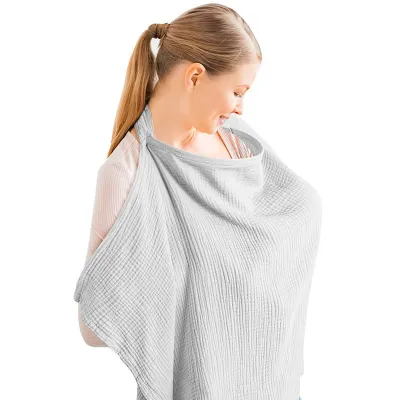
To choose the right style, it helps to first understand how each cover is constructed and worn. A nursing scarf, often designed as an infinity loop or a wide wrap, is a highly versatile accessory. You can wear it as a fashionable scarf around your neck throughout the day, and then unroll or drape it over your shoulder when it is time to feed. Because it is already part of your outfit, it eliminates the need to search through a packed diaper bag when your baby gets hungry.
Products mentioned in this guide
Prices are valid at publication and may change. Please refer to the product page for the latest price.
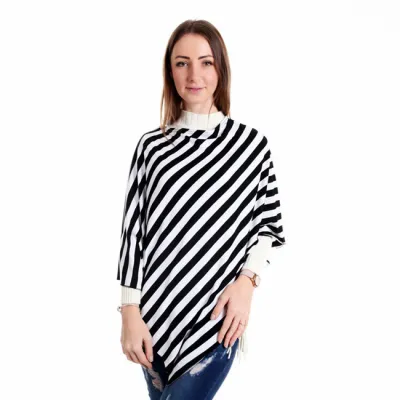
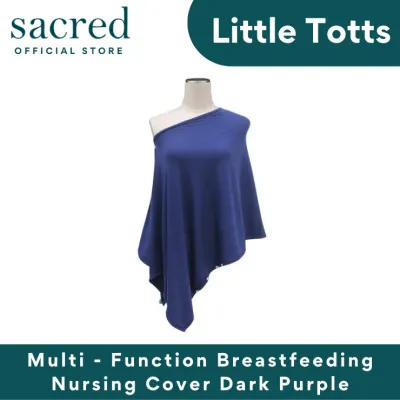
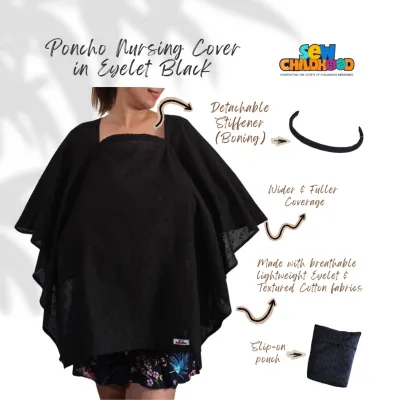
A poncho-style nursing cover is designed to slip directly over your head, draping completely over your torso. This style provides full 360-degree coverage, meaning your front, sides, and back are entirely concealed. The loose, circular cut of a poncho offers a roomier fit underneath, giving you and your baby plenty of space to move without pulling the fabric tight. It behaves much like a lightweight poncho shirt, making it a popular choice for parents who want maximum privacy.
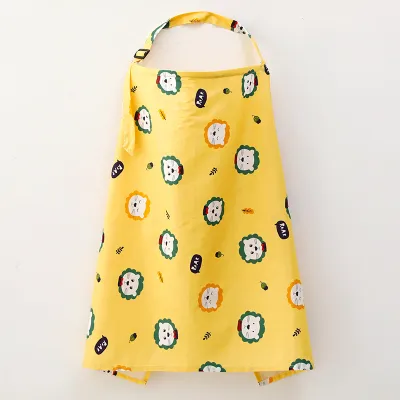
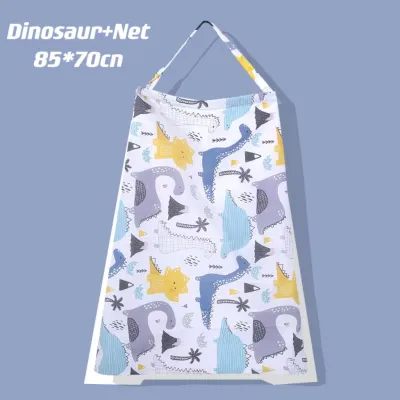
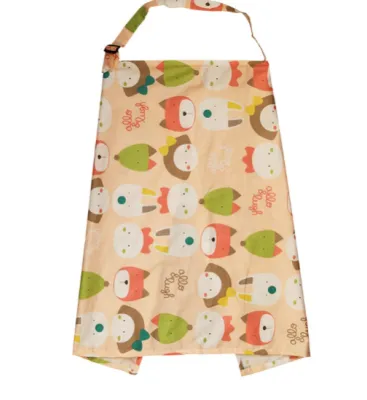
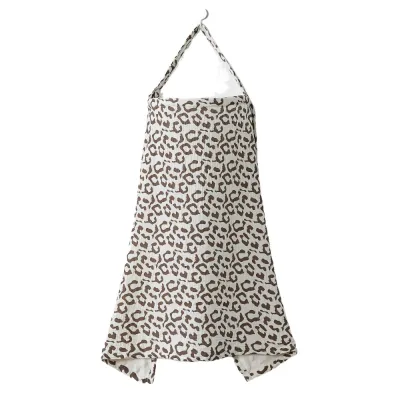
An apron-style cover, sometimes called a classic nursing cover, features a flat panel of fabric that hangs down your chest, secured by a strap around your neck. The defining feature of an apron cover is its structured, rigid neckline, which is typically reinforced with a flexible material like boning. This curved opening holds the fabric away from your body, creating a viewing window so you can look down at your baby while keeping your front covered. Unlike the other two styles, it only covers your front, leaving your sides and back open to the air.
Comparing Coverage, Breathability, and Ease of Use
When evaluating these three designs, privacy and coverage area are often the first things parents consider. Poncho-style covers offer the highest level of privacy because they do not shift or slide off, even if your baby kicks, squirms, or pulls at the fabric. Scarves provide moderate coverage, but because they rely on draping, an active baby can occasionally pull the fabric aside, requiring you to readjust. Apron covers provide excellent front coverage, but because the sides are completely open, you may feel exposed if you are sitting in a highly crowded area where people can see you from the side or behind.

Breathability is a critical factor, particularly in warm tropical climates where humidity can make enclosed spaces uncomfortable for an infant. Apron-style covers are the clear leaders in airflow because their open-sided design allows air to circulate freely around you and your baby. The structured neckline also acts as a chimney, letting hot air escape upward. In contrast, ponchos and scarves create a more enclosed microclimate. If you choose a poncho or scarf, it is essential to check the product label for lightweight, breathable fabrics such as cotton muslin or bamboo-derived rayon to prevent your baby from sweating or becoming fussy during feeds.
A baby’s comfort and visibility can make or break your nursing experience. Some infants dislike being covered entirely and will actively fight against fabrics that block their view. For these babies, an apron cover is highly beneficial because the structured neckline allows them to see your face, providing reassurance and keeping them calm. On the other hand, highly distracted babies who look around at every sound may benefit from the enclosed, darker environment of a poncho or scarf, which helps them focus on feeding by blocking out external visual stimuli.
Matching Nursing Cover Styles to Everyday Scenarios
Selecting the right nursing cover often depends on where you spend most of your day. For parents who are constantly on the go, navigating public transit, or running errands in busy urban areas, convenience and portability are key. A nursing scarf is incredibly practical for these situations because it is wearable. You do not have to worry about packing it into an already crowded diaper bag, and it will not drag on the floor of a bus, train, or public restroom while you are trying to put it on.
If you spend more time at home, host social gatherings, or visit family, your needs might shift toward ease of use and social interaction. An apron-style cover is highly suited for these environments. It is quick to slip on over your head, and the open sides allow you to stay cool while chatting with guests. Because you can easily see your baby through the structured neckline, you can monitor their latch and comfort without interrupting your conversation or having to lift the cover.
Many parents look for multi-purpose baby gear to simplify their outings. Some manufacturers design nursing scarves and ponchos to double as stroller covers, shopping cart covers, or high chair wraps. While this versatility is highly convenient, safety must always come first. You should only use a cover for these secondary purposes if the manufacturer’s instructions explicitly state it is safe to do so. Never drape any fabric completely over a stroller or infant car seat in a way that blocks fresh air, as this can quickly cause dangerous heat retention.
To help you compare these options at a glance, the table below summarizes how each style performs across key categories:
| Cover Style | Coverage Level | Breathability | Packing Size | Best Scenario |
|---|---|---|---|---|
| Scarf-style | Moderate (Front & Side) | Moderate (Depends on fabric) | Very Compact (Wearable) | On-the-go, public transit, minimal baggage |
| Poncho-style | High (360-degree) | Low to Moderate | Medium | Active babies, windy outdoor areas, maximum privacy |
| Apron-style | Moderate (Front only) | High (Open sides/neckline) | Medium (Stiff neckline) | Warm indoor spaces, social gatherings, distracted babies |
How to Choose the Right Nursing Cover for You
To finalize your decision, consider your baby’s temperament alongside your personal comfort preferences. If you prefer a minimalist approach, want to save space in your diaper bag, and like the idea of a stylish accessory that transitions seamlessly into a cover, a nursing scarf is an excellent choice. It provides a secure, wrapped feel that works well for quiet babies who do not mind a snugger fit.
If your primary concern is accidental exposure and you want complete peace of mind from every angle, a poncho-style cover is the most suitable option. This style is ideal if your baby is highly active, prone to kicking, or if you frequently nurse in windy outdoor settings where loose fabric might blow away. Just be sure to prioritize ultra-lightweight fabrics to keep your baby cool under the 360-degree drape.
If you live in a particularly warm area, have a baby who needs constant eye contact to stay calm, or want a cover that is incredibly fast to put on and take off, choose an apron-style cover. The superior ventilation and clear line of sight make it a highly practical choice for everyday indoor use.
Regardless of the style you choose, always verify the product specifications before making a purchase. Check the product label to ensure the fabric is machine-washable, as it will inevitably need frequent cleaning. If you plan to share the cover with a partner or other caregivers, look for designs with adjustable straps or flexible sizing to ensure a comfortable fit for everyone.
Frequently Asked Questions (FAQ)
Can a nursing scarf safely double as a car seat or stroller cover?
You must always check the specific product label and manufacturer guidelines before using a nursing cover on a car seat or stroller. Draping any fabric over an infant car seat or stroller can restrict airflow, causing temperatures inside to rise rapidly to dangerous levels. If the manufacturer explicitly states the product is safe for this use, ensure the fabric is highly breathable, never leave your baby unattended, and always leave a wide opening for fresh air to circulate. Never allow the fabric to interfere with the car seat’s harness straps, safety mechanisms, or stroller wheels.
What fabric features should I check on the product label?
When evaluating a nursing cover, read the product label carefully to check the material composition and care instructions. Look for soft, non-irritating fabrics such as organic cotton, bamboo-derived rayon, or lightweight muslin, which are gentle on a baby’s sensitive skin. Ensure the label specifies that the item is machine-washable for easy cleanup of milk spills and sweat. Finally, check the fabric’s opacity by holding it up to the light; it should be woven tightly enough to provide reliable privacy while remaining thin and breathable enough to prevent overheating.

Community discussion
Share your experience or ask a question. Comments are reviewed before publication.