
Selecting the best nose aspirator for your baby depends on your child’s age, physical development, and the severity of their nasal congestion. For newborns dealing with light, watery mucus, a classic rubber bulb syringe offers a gentle and non-invasive way to clear the airway. For infants with moderate, sticky congestion, a manual pump (oral suction) aspirator provides parents with precise, adjustable pressure control. For older babies and toddlers experiencing thick, stubborn congestion, an electric nasal aspirator delivers consistent, motorized suction to clear blockages quickly and efficiently.
Infants are obligate nasal breathers, meaning they naturally breathe primarily through their noses during their first few months of life. Because their nasal passages are incredibly narrow, even a small build-up of mucus can make breathing, feeding, and sleeping highly challenging. Having the right tool on hand allows you to relieve their discomfort safely without causing irritation to their delicate nasal tissues.
In the Philippines, environmental factors often play a significant role in infant congestion. The combination of high tropical humidity, seasonal monsoon shifts, and urban dust can trigger mucus production. Conversely, spending extended periods in air-conditioned rooms can dry out a baby’s nasal passages, turning normal mucus into stubborn, hard crusts. Understanding how to match the right aspirator to these specific situations is key to keeping your little one comfortable.
Products mentioned in this guide
Prices are valid at publication and may change. Please refer to the product page for the latest price.
Quick Guide: Matching Aspirator Type to Age and Congestion
To help you make an immediate decision when your baby is congested, the table below maps the three primary types of nose aspirators to their ideal age groups, congestion levels, and primary trade-offs.
| Aspirator Type | Recommended Age Range | Congestion Severity | Primary Benefit | Key Trade-off |
|---|---|---|---|---|
| Bulb Syringe | Newborn to 3 months | Mild, watery mucus | Extremely gentle, simple design, highly affordable | Difficult to clean internally, risk of mold growth |
| Manual Pump (Oral Suction) | 1 month to toddlerhood | Moderate, sticky mucus | Excellent parent-controlled suction, clear visibility | Requires manual effort, recurring filter costs |
| Electric Nasal Aspirator | 4 months to toddlerhood | Severe, thick mucus | Fast, consistent, convenient one-handed operation | Higher upfront cost, motor noise may startle baby |
While each aspirator type has its distinct strengths, many parents find it highly practical to keep more than one type on hand. For example, you might keep a quiet, compact manual pump in your diaper bag for travel or nighttime use, and use a powerful electric aspirator at home for heavy congestion during cold and flu season.
Before purchasing or using any nasal clearance device, always verify the manufacturer’s specific age, weight, and safety guidelines on the product packaging. Nasal passages vary in size, and using a tip that is too large or too small can reduce the device’s effectiveness or cause discomfort.
Bulb Syringes: Gentle Suction for Newborns and Mild Congestion
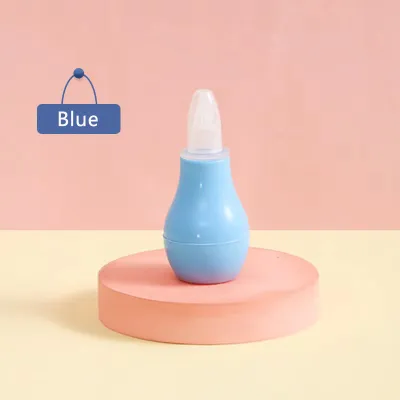
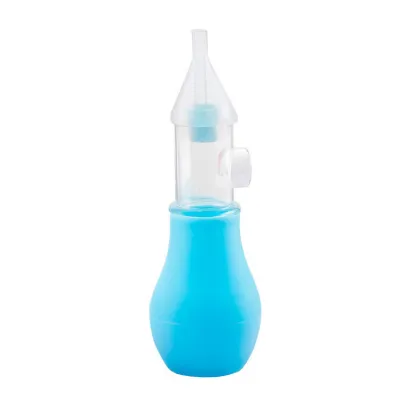
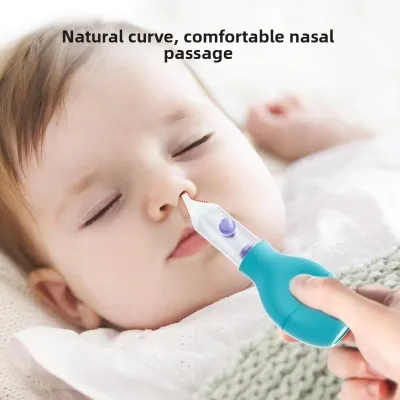
The traditional rubber bulb syringe is often a parent’s first introduction to baby nasal care. This device operates on a very simple physical principle: squeezing the rubber bulb expels air, and releasing it creates a vacuum that draws mucus into the nozzle. Because the suction is entirely dependent on how quickly you release your grip, it is inherently limited, making it a highly gentle option for early infancy.

For newborns with mild, watery mucus, the bulb syringe is highly effective. Newborn nasal linings are incredibly thin and packed with tiny blood vessels that can easily bruise or bleed if subjected to excessive suction. The soft, tapered tip of a standard bulb syringe sits just at the entrance of the nostril, providing a safe, non-invasive seal that clears surface blockages without entering deep into the nasal cavity.
However, the traditional one-piece bulb syringe has notable limitations. The primary drawback is hygiene. Because the interior of a standard bulb is dark, damp, and difficult to access, it is highly susceptible to mold and bacterial growth if not dried completely. Additionally, the suction power is often insufficient for pulling out thick, sticky mucus or blockages settled deep in the nasal passages.
To use a bulb syringe safely and effectively, follow these practical steps:
- Apply saline first: Always administer 1 to 2 drops of sterile saline solution into each nostril to loosen dry or sticky mucus. Wait approximately 30 to 60 seconds before suctioning.
- Compress the bulb outside the nose: Always squeeze the air out of the bulb before placing the tip in your baby's nostril. Squeezing the bulb while it is inside the nose will blast air into their nasal passages, causing discomfort.
- Insert gently: Place the tip gently into the nostril, aiming slightly outward toward the side of the nose rather than straight up.
- Release slowly: Gradually release your thumb pressure on the bulb to draw the mucus out.
- Expel the mucus: Squeeze the collected mucus onto a clean tissue before repeating the process.
- Limit your attempts: Restrict suctioning to a few attempts per session. Over-suctioning can cause the nasal membranes to swell, making the congestion feel worse.
Manual Pump Aspirators: Targeted Relief for Infants and Moderate Congestion
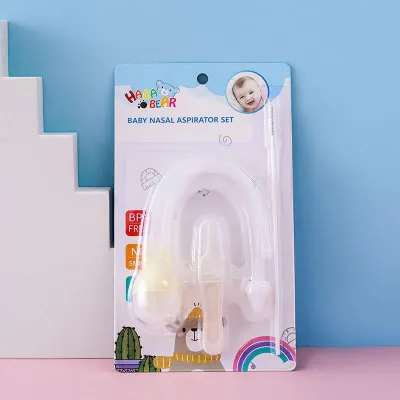
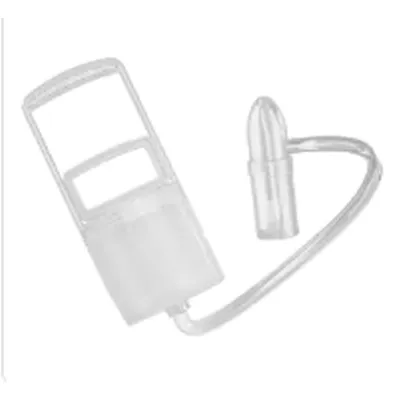
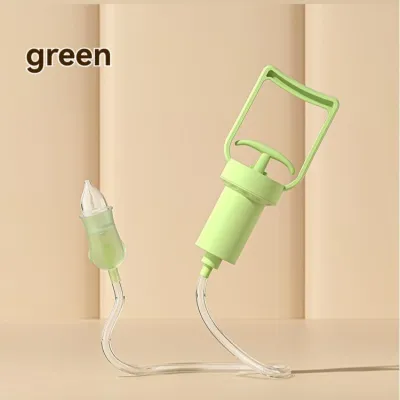
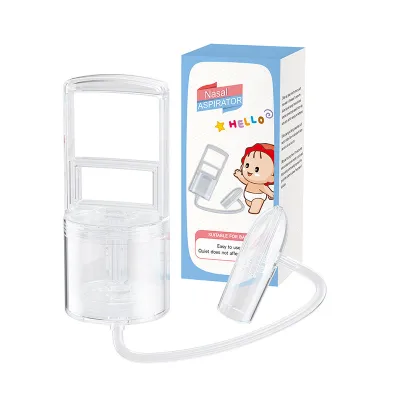
Manual pump aspirators, often referred to as oral suction or tube aspirators, offer a significant step up in control and efficiency. These devices consist of a soft silicone nozzle, a clear plastic collection chamber, a flexible tube, and a mouthpiece. The parent places the mouthpiece in their own mouth, inserts the nozzle into the baby’s nostril, and inhales to create suction.
The standout benefit of a manual pump aspirator is the precise control it gives the caregiver. You can instantly adjust the strength of the suction using your own breath. If the mucus is loose and watery, a very light inhale is sufficient. If you encounter stubborn, sticky mucus, you can apply a slightly stronger, steady draw to clear the passage.
Because the collection chamber is completely transparent, you can immediately see the color, consistency, and volume of the mucus you have extracted. This visibility is highly valuable for monitoring your baby’s health. Furthermore, these devices are designed with built-in hygiene filters. These small, replaceable foam filters act as a physical barrier, preventing mucus, bacteria, and viruses from traveling up the tube and reaching the parent’s mouth.
This type of aspirator is ideal for growing infants from 1 to 12 months old who are dealing with moderate, sticky congestion. It is particularly useful in the Philippines during seasonal transitions, when sudden shifts in humidity can cause mucus to thicken overnight. The soft silicone tips are designed to create a comfortable seal against the nostril without causing irritation.
Despite their high effectiveness, manual aspirators do have some trade-offs. They require two hands to operate—one to hold the nozzle at the baby’s nose and the other to support the baby’s head or manage the tube. If your baby is highly active or resists the process, this can make the task challenging. Additionally, you will need to purchase replacement filters regularly, which introduces a small, recurring cost.
Electric Nasal Aspirators: Efficient Clearance for Severe Congestion
Electric nasal aspirators are battery-operated or USB-rechargeable devices that use a small motorized pump to generate continuous, steady suction. With the press of a button, these devices provide instant clearing power, making them a popular choice for parents looking for a fast, modern solution to heavy congestion.
The primary appeal of an electric aspirator is its convenient, one-handed operation. Because the device is self-powered, you do not need to use your breath or squeeze a bulb. This leaves your other hand completely free to cradle your baby, hold them upright, or gently stabilize their head. This ease of use makes electric models highly practical for quick nighttime clearances in dimly lit rooms.
Electric aspirators are highly suited for older babies and toddlers who have developed stronger facial muscles and may actively resist nasal clearing. Because toddlers can be difficult to hold still, the speed of an electric aspirator is a major advantage. It clears the nasal passages in a fraction of the time required by manual methods, minimizing stress for both the child and the parent.
When choosing an electric nasal aspirator, there are several critical specifications to verify:
- Adjustable suction levels: Look for models that offer multiple suction speeds. This allows you to start on the lowest setting and increase the power only if the mucus is too thick to move.
- Noise levels: Motorized pumps produce a humming sound. Some models are designed to operate quietly or feature built-in lullabies or colored lights to distract and soothe a startled baby.
- Silicone tip variety: Ensure the device comes with multiple, medical-grade silicone tips. A wider, gourd-shaped tip is best for shallow, gentle suction on younger babies, while a longer, funnel-shaped tip is better suited for the thicker secretions of toddlers.
While electric aspirators are highly efficient, they should be used with care. The continuous suction, if applied improperly, can dry out the nasal lining. It is important to remember that these devices are designed for symptom relief; they are not a cure for underlying respiratory infections. If your baby is struggling to breathe, always seek professional medical evaluation.
Cleaning, Maintenance, and Hygiene for Each Aspirator Type
Proper hygiene and thorough cleaning are critical for every type of nasal aspirator. Because these devices are exposed to warm, damp mucus, they can quickly become breeding grounds for mold, bacteria, and fungi if left unwashed. Reintroducing a contaminated device into your baby’s nasal passages can lead to secondary infections.
Bulb Syringe Maintenance
To clean a traditional bulb syringe, fill a bowl with warm, soapy water. Submerge the syringe and squeeze the bulb to draw the soapy water inside. Shake the bulb vigorously, then squeeze the soapy water out. Repeat this process several times. Next, rinse the interior thoroughly by drawing in clean, warm water and squeezing it out until all soap residue is gone. Finally, prop the syringe tip-down or upright in a clean glass to allow all internal moisture to drain and air-dry completely. If you cannot verify that the interior is dry, or if you notice dark spots inside, discard the bulb immediately.
Manual Pump Maintenance
Manual pump aspirators are generally easy to sanitize because they can be fully disassembled. Separate the silicone tip, the collection chamber, the flexible tubing, and the mouthpiece. Wash each component thoroughly in warm, soapy water. Most manufacturers include a small wire brush to help you clean the inside of the thin tubing. Discard the single-use hygiene filter after each use; do not attempt to wash and reuse disposable foam filters. Allow all plastic and silicone parts to air-dry completely on a clean rack before reassembling the unit.
Electric Aspirator Maintenance
When cleaning an electric nasal aspirator, you must protect the motorized base. Never submerge the main handle or motor housing in water, as this will damage the electrical components. Instead, wipe the exterior of the motor unit with a clean, damp cloth. Detach the silicone tips, the nozzle cap, and the plastic collection cup. Wash these removable parts in warm, soapy water. Check your user manual to verify if these parts are safe for steam sterilization or boiling. Ensure all components are completely dry before reassembling them to prevent moisture from entering the motor.
Safe Usage Limits and When to Consult a Pediatrician
While nasal aspirators are incredibly helpful for relieving baby congestion, they must be used within safe, established boundaries. Over-suctioning is a common mistake that can lead to increased discomfort. Suctioning a baby’s nose more than 3 to 4 times a day can irritate the sensitive nasal lining, causing inflammation, minor swelling, and even small nosebleeds. This irritation can actually trigger the body to produce more mucus, worsening the congestion cycle.
To protect the nasal mucosa, always use sterile saline drops or a gentle saline spray before every suctioning session. Saline acts as a natural lubricant, breaking down dry crusts and thinning out thick mucus so it can be extracted with minimal suction force. Never attempt to suction a dry nose, as the friction can easily scratch the delicate tissues.
An aspirator is a supportive care tool designed to help your baby eat and sleep more comfortably; it does not cure the underlying cause of a cold, allergy, or viral infection. Parents must remain vigilant and monitor their baby for signs of more serious respiratory issues. Stop using the aspirator and consult a pediatrician immediately if you observe any of the following red flags:
- Signs of respiratory distress: This includes rapid breathing, flaring nostrils, chest retractions (where the skin sucks in tightly around the ribs or collarbone), or audible grunting with every breath.
- Feeding difficulties: Your baby refuses to nurse or take a bottle because they cannot breathe well enough to swallow, leading to a risk of dehydration (indicated by fewer wet diapers).
- High or persistent fever: A fever that does not respond to pediatric fever reducers or lasts for more than 48 hours.
- Prolonged symptoms: Congestion that does not improve or worsens after 10 to 14 days.
- Extreme lethargy: Your baby is unusually drowsy, difficult to wake up, or shows a weak, high-pitched cry.
Frequently Asked Questions (FAQ)
Can I use a nose aspirator on a sleeping baby?
While it is technically possible to use a quiet manual pump on a deeply sleeping baby, the physical sensation of suction or the humming noise of an electric motor will almost certainly wake them. It is generally safer and far more effective to perform nasal clearance right before a feed or right before putting them down to sleep. If you must clear their nose while they are resting, use a manual aspirator with the gentlest possible draw, ensure the room is dimly lit, and carefully stabilize their head to prevent sudden movements that could cause injury.
How often is it safe to suction my baby's nose?
Pediatricians generally recommend limiting nasal suctioning to 3 or 4 times a day, ideally timed right before feedings and bedtime to help your baby eat and sleep comfortably. Suctioning too frequently can damage the delicate blood vessels in the nasal lining, cause tissue inflammation, and stimulate the body to produce even more mucus. If your baby seems congested between sessions, try using sterile saline drops alone to encourage natural drainage, run a cool-mist humidifier in their room, or sit with them in a steamy bathroom to help ease their breathing naturally.

Community discussion
Share your experience or ask a question. Comments are reviewed before publication.