
If you are struggling with your baby latching directly to your breast, you need a nursing nipple shield. If you are experiencing pain, friction, or a poor seal while using a breast pump, you need a silicone pump protector or flange insert. While both are often referred to broadly as a “baby nipple protector” on online marketplaces, they serve entirely different functions. Buying the wrong one will not only waste your money but can also disrupt your milk supply and cause further physical discomfort.
Navigating the early weeks of motherhood often comes with a steep learning curve, especially when it comes to feeding. In a warm and humid tropical climate like the Philippines, skin sensitivity can be heightened by sweat and constant moisture, making any friction or latch issue feel significantly more painful. Finding the right tool to ease this discomfort is essential for maintaining your breastfeeding journey.
Many parents search for a generic baby nipple protector hoping for a quick fix to their feeding pain, only to end up confused by the array of silicone accessories available online. To make an informed purchase that actually solves your problem, you must first understand whether your challenge lies in direct nursing or in your pumping routine.
Products mentioned in this guide
Prices are valid at publication and may change. Please refer to the product page for the latest price.
Understanding the Core Design and Purpose Differences
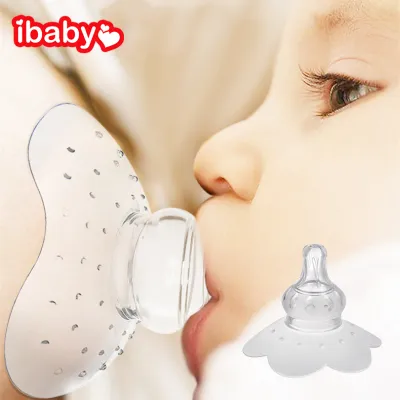
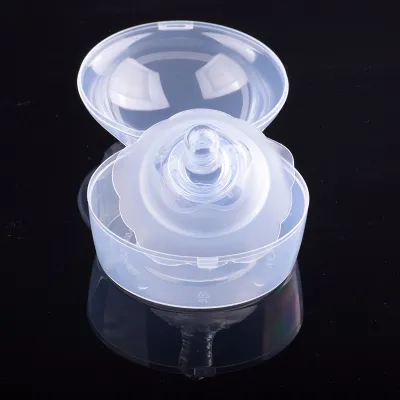
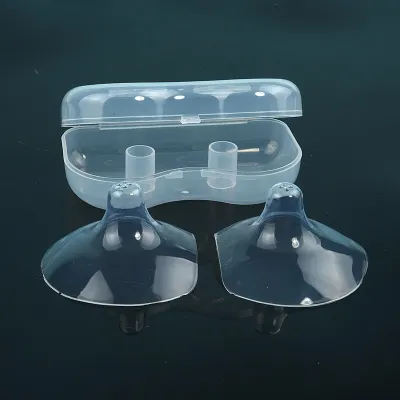
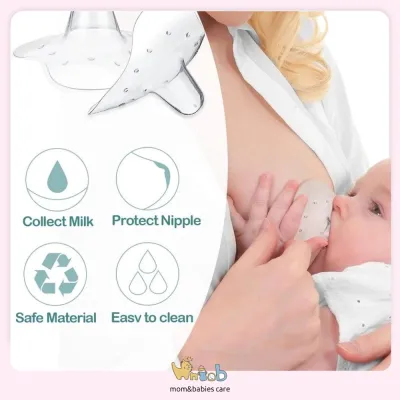
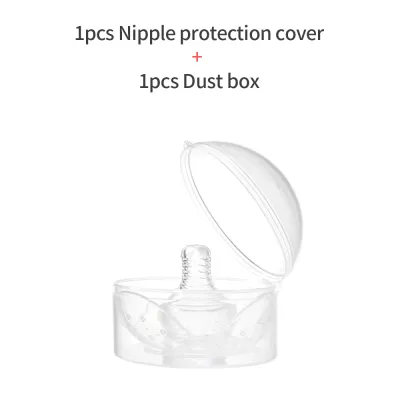
A nursing nipple shield is an ultra-thin, highly flexible barrier made of food-grade silicone. It features a wide, circular or cut-out brim that adheres directly to the breast skin, often held in place by a few drops of breast milk or natural skin moisture. The central cone of the shield is shaped specifically to mimic a firm nipple, which helps a newborn or premature baby find, latch onto, and draw milk from the breast during direct feeding.
In contrast, a breast pump protector—often called a flange insert or silicone cushion—is a much thicker, more structured piece of silicone. It does not have a wide, skin-adhering brim designed for an infant’s mouth. Instead, it is engineered to slide directly inside the hard plastic tunnel of a breast pump flange. Its primary job is to narrow the tunnel diameter or cushion the impact of the pump’s mechanical suction on your delicate skin.
Using the wrong product for your specific feeding method carries significant risks. A baby cannot latch onto a thick, structured pump insert because it lacks the flexible brim and shape required for infant mouth mechanics. Conversely, if you try to stuff a thin nursing shield inside a breast pump flange, the high-vacuum suction will instantly fold the thin silicone, break the airtight seal, and render the pump useless. This can lead to incomplete breast emptying, which in turn risks clogged ducts or a drop in milk production.
When to Choose a Nipple Shield for Direct Nursing
A nursing nipple shield is primarily used to address latch difficulties during direct breastfeeding. If you have flat, inverted, or highly sensitive nipples, your baby may struggle to grasp enough breast tissue to stimulate a steady milk flow. The shield provides a firm, consistent target that triggers the baby’s natural sucking reflex, making it easier for them to maintain a secure hold.

Premature infants or babies with weak suction can also benefit from a shield. Because the silicone cone remains firm even when the baby pauses to rest, it prevents the nipple from slipping out of their mouth, reducing frustration for both mother and child. It can also serve as a temporary bridge for babies transitioning from bottle-feeding back to the breast.
Additionally, a shield offers a protective barrier if you are dealing with cracked, bleeding, or blistered nipples. It shields the raw skin from the friction of the baby’s tongue and palate, allowing your wounds to heal without requiring you to pause direct feeding.
However, it is crucial to consult a certified lactation consultant or a pediatrician before relying on shields long-term. Because the silicone barrier can slightly reduce the direct stimulation your breast receives, a professional must monitor the baby’s weight gain and ensure that milk transfer remains efficient. They can also help you develop a plan to safely wean your baby off the shield once the underlying latch issue is resolved.
When to Choose a Silicone Protector for Breast Pumping
For mothers who pump regularly or exclusively, a silicone pump protector or flange insert is often the key to a pain-free experience. Many standard breast pump kits come with rigid plastic flanges that can rub painfully against sensitive or engorged skin. This friction is often exacerbated by the warm, humid weather, which can make skin more prone to chafing and irritation.
If your standard flange size is too large, the pump’s suction will pull too much of your areola into the tunnel. This causes swelling, bruising, and restricted milk ducts, which can severely limit the amount of milk you can express. A silicone insert slides into the flange tunnel to reduce its diameter, ensuring that only your nipple enters the tunnel while the sensitive areola tissue remains safely cushioned outside.
These protectors improve comfort and seal without altering the pump’s core motor function or requiring you to buy an entirely new flange set. By absorbing the harsh mechanical pull of the pump, they translate the suction into a gentler, more natural-feeling compression. This added comfort can help lower your stress levels during pumping sessions, which is directly linked to a more effective milk let-down reflex.
If you find yourself dreading your pumping sessions due to pinching, pulling, or friction blisters, a silicone flange protector is likely the accessory you need. It allows you to customize your existing pump setup to match your body’s unique shape, turning a painful chore into a comfortable routine.
Essential Label and Sizing Checks Before Purchasing
Before spending ₱300 to ₱800 on a baby nipple protector, you must perform several essential checks to ensure the product is safe, compatible, and correctly sized. First, always inspect the product packaging or online listing details to verify that the silicone is 100% food-grade and completely BPA-free. Since these items come into direct contact with breast milk and your baby’s mouth, avoiding cheap, industrial-grade plastics is non-negotiable.
Sizing is the most critical factor for both nursing shields and pump inserts, and you should never guess your size. To find your correct size, measure the diameter of your nipple base in millimeters, preferably right before a feeding or pumping session when the tissue is relaxed. A nursing shield that is too small will pinch your nipple and restrict milk flow, while one that is too large will cause the baby to swallow air or lose suction.
For pump inserts, matching the insert’s inner diameter to your measured nipple size is critical for maintaining a proper vacuum. Most manufacturers provide detailed sizing charts, so compare your measurements carefully before clicking buy. Keep in mind that your nipple size can change throughout your breastfeeding journey, so you may need to remeasure if you experience new discomfort.
Finally, if you are purchasing third-party silicone cushions or inserts from an online marketplace, verify that they are explicitly compatible with your specific breast pump brand and flange model. A slight mismatch in shape can cause air leaks, reducing your pump’s suction power and leaving your breasts partially full. Look for compatibility lists provided by the manufacturer or read customer reviews to confirm a secure fit.
Final Decision Guide: Which Protector Do You Actually Need?
Choosing the right accessory comes down to identifying your primary feeding method and the specific challenge you are trying to solve.
Choose a nursing nipple shield if your primary goal is assisting your baby’s latch, managing flat or inverted nipples, or protecting damaged skin during direct, face-to-face breastfeeding sessions. This tool is designed to facilitate the physical connection between you and your baby.
Choose a silicone pump protector or flange insert if your primary goal is reducing friction, correcting a poor flange fit, and preventing pain during exclusive or regular breast pumping sessions. This accessory is designed to optimize the mechanical connection between you and your breast pump.
However, neither of these products may fit your needs if you are experiencing a severe medical condition. If you have deep, shooting breast pain, fever, localized warmth, redness, or severe skin cracking that does not improve, these silicone accessories are not the solution. These symptoms may point to medical conditions like mastitis, thrush, or deep tissue infections that require immediate evaluation and treatment by a healthcare professional.
Frequently Asked Questions (FAQ)
Can I Use a Nursing Shield Inside a Breast Pump Flange?
No, you should not use a nursing shield inside a breast pump flange. Nursing shields are designed with a wide, thin brim that relies on skin moisture to stay in place on the breast. When subjected to the mechanical pull of a breast pump, this thin silicone will collapse, fold over, and break the vacuum seal.
To protect your skin and maintain suction while pumping, always use dedicated, structured silicone pump inserts or cushions designed specifically for flange compatibility. These products are engineered to withstand the continuous vacuum pressure of a pump motor without collapsing, ensuring efficient milk expression and preventing tissue damage.
How Should I Clean and Store Silicone Protectors?
Wash your silicone accessories in warm, soapy water immediately after every use to prevent milk fat and proteins from building up and harboring bacteria. Rinse them thoroughly under clean, running water to remove all soap residue.
Check the manufacturer’s label for specific sterilization guidelines, as some thin shields or thick inserts may have different heat tolerances for boiling or steam sterilizing. While most high-quality food-grade silicone can withstand standard sterilization, overheating can cause some ultra-thin nursing shields to warp or lose their shape.
In the humid climate of the Philippines, moisture can easily trap bacteria or mold inside closed containers. Always allow your silicone shields and inserts to air-dry completely on a clean, dedicated drying rack in a well-ventilated area before storing them in a clean, dry, dust-free container.

Community discussion
Share your experience or ask a question. Comments are reviewed before publication.