
Choosing a safe and effective breastfeeding nipple cream in the Philippines requires balancing rapid skin relief with absolute safety for your baby. During the first few weeks of lactation, your skin undergoes significant adjustment as it adapts to frequent nursing sessions. This transition often leads to temporary tenderness, dryness, and friction-induced irritation. Because your newborn will inevitably ingest trace amounts of whatever you apply to your breasts, selecting a product with highly purified, food-safe ingredients is paramount.
In a tropical climate characterized by high humidity and warm temperatures, finding the right cream also involves practical considerations. Heavy, sticky formulations may feel uncomfortable in the heat, while lighter balms might melt quickly or require more frequent application. By understanding the underlying causes of your discomfort, learning how to read ingredient labels, and establishing a hygienic application routine, you can confidently navigate the local market to find a product that supports your breastfeeding journey.
Identifying the Cause of Nipple Soreness
Before purchasing any topical treatment, it is essential to determine whether your discomfort is a normal part of the skin’s adjustment phase or a sign of an underlying mechanical issue. Nipple creams are highly effective at soothing surface-level friction, windburn from breast pumps, and dryness. They work by creating a protective barrier that locks in moisture, allowing the skin to heal. However, these creams are symptomatic treatments; they cannot correct structural breastfeeding challenges.
Products mentioned in this guide
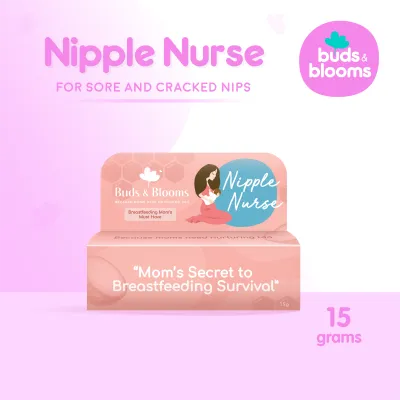
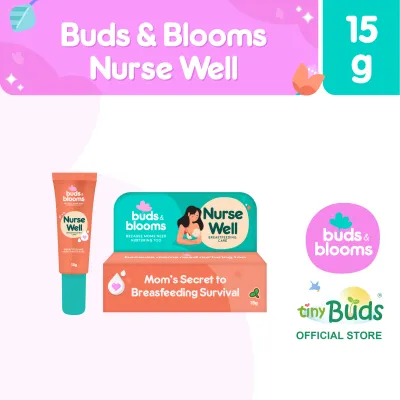
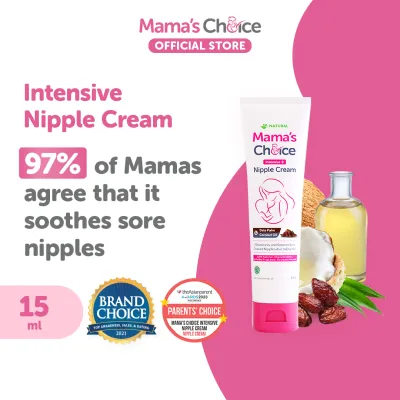
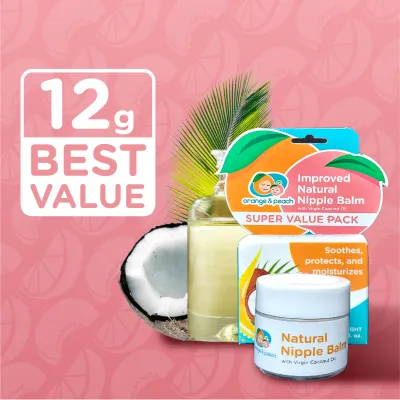
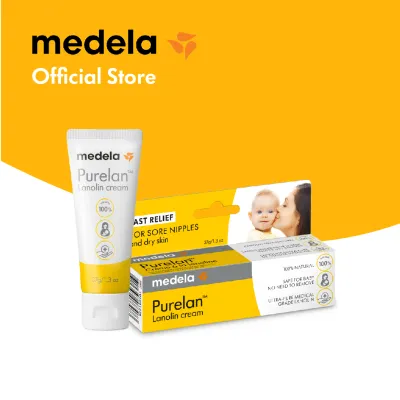
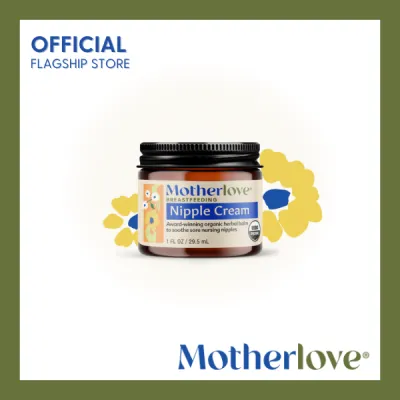
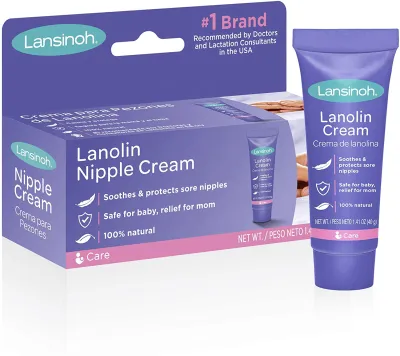
Prices are valid at publication and may change. Please refer to the product page for the latest price.
If your soreness is caused by a poor latch or improper positioning, a cream will only provide temporary relief while the underlying damage continues to accumulate. A correct latch involves the baby taking a large mouthful of the breast, positioning the nipple deep within the warm palate of their mouth where it is protected from friction. A shallow latch, conversely, compresses the nipple against the baby’s hard palate, leading to severe pain, deep cracking, and bleeding. If you experience sharp, pinching pain throughout a feeding session, it is crucial to consult a certified lactation consultant who can help adjust your positioning and evaluate the baby for potential latch issues.
Additionally, you must remain vigilant for signs of infection that require medical intervention rather than over-the-counter cosmetics. Thrush, a common fungal infection caused by yeast overgrowth, thrives in warm, humid environments. It typically presents as a sudden, burning, or shooting pain deep within the breast during or after feedings, accompanied by itchy, shiny, or flaky skin on the nipples, and sometimes white patches in your baby’s mouth. Bacterial infections can also develop if deep cracks are left exposed to moisture and bacteria. If you notice spreading redness, localized warmth, swelling, pus-like discharge, or if you develop a fever, stop using cosmetic creams immediately and seek evaluation from a healthcare provider.
Key Ingredients to Look For and Avoid
When evaluating breastfeeding nipple creams, reading the ingredient list is the most reliable way to ensure safety and efficacy. The skin on your nipples is highly vascular and absorbent, and your baby will swallow microscopic amounts of the product during subsequent feeds. Therefore, the formulation must consist entirely of non-toxic, food-grade ingredients that do not pose a risk to an infant’s developing digestive and immune systems.

Beneficial ingredients focus on skin barrier repair and moisture retention. Highly purified, medical-grade lanolin is a traditional favorite because its molecular structure closely mirrors the natural lipids found in human skin, allowing it to penetrate deeply and provide long-lasting hydration. For those seeking plant-based alternatives, look for nourishing emollients such as organic sunflower seed oil, olive oil, coconut oil, shea butter, and cocoa butter. These natural fats help restore the skin’s lipid barrier, soothe inflammation, and prevent transepidermal water loss without clogging pores.
Conversely, there are several ingredients you should actively avoid or strictly verify before purchasing. Synthetic fragrances and artificial flavorings should be entirely absent, as they can irritate compromised skin and interfere with your baby’s natural olfactory recognition of your breast, which is vital for bonding and latching. Avoid products containing parabens, phthalates, and phenoxyethanol, which serve as chemical preservatives but are unsuitable for infant ingestion. Petroleum-derived ingredients, such as mineral oil or petrolatum, should also be avoided unless they are certified to be of a specific purity level, as unrefined petroleum products can contain harmful impurities.
Always check the product packaging for explicit manufacturer claims regarding infant safety. Look for statements indicating that the product is hypoallergenic, dermatologically tested, and formulated without genetically modified organisms (non-GMO). Most importantly, verify whether the manufacturer states that the cream does not need to be removed before nursing. If a product requires vigorous washing before each feed, the mechanical friction of wiping your sensitive skin can worsen irritation and delay the healing process.
Lanolin-Based vs. Plant-Based and Vegan Options
Nipple creams generally fall into two primary categories: lanolin-based formulations and plant-based or vegan alternatives. Understanding the distinct characteristics, benefits, and potential drawbacks of each category will help you choose a product that aligns with your skin type, lifestyle preferences, and allergy profile.
Lanolin is a natural, waxy substance secreted by the sebaceous glands of sheep to protect their wool. In its highly purified, medical-grade form, lanolin is exceptionally effective at creating a semi-occlusive barrier. This barrier traps moisture within the skin while still allowing it to breathe, facilitating rapid tissue recovery. Because of its thick, tacky consistency, lanolin stays in place even under the friction of nursing pads and clothing. However, because it is derived from animal wool, there is a small risk of allergic contact dermatitis for individuals with known wool sensitivities. If you or your baby have a history of eczema or wool allergies, lanolin-based products may not be suitable.
Plant-based and vegan nipple balms offer an excellent alternative for families avoiding animal products or managing wool sensitivities. These formulations typically combine various plant oils and botanical butters to mimic the protective qualities of lanolin. They are generally softer, easier to spread, and absorb more quickly into the skin. In the warm, humid climate of the Philippines, many mothers find the lighter texture of plant-based balms more comfortable and less sticky during the day. The trade-off is that these lighter oils may wear off faster than lanolin, requiring more frequent reapplication, especially if you sweat or use nursing pads that absorb the product.
When choosing either option, pay close attention to purification and sourcing standards. For lanolin, look for products labeled as “ultra-purified” or “USP modified lanolin,” which indicates that the raw material has undergone rigorous filtration to remove environmental pesticides, detergents, and free wool alcohols. For plant-based options, prioritize certified organic ingredients to ensure that the botanical oils are free from synthetic pesticide residues and chemical extraction solvents, ensuring the purest possible application for your baby.
Building Your Shortlist: What to Check Before Buying
With numerous options available in local pharmacies, baby specialty boutiques, and online marketplaces in the Philippines, creating a practical checklist will help you narrow down your choices to the safest and most convenient products.
First, verify the regulatory status of the product. In the local market, safe cosmetic and topical products should ideally be notified with the Food and Drug Administration (FDA) of the Philippines. While many reputable international brands are widely imported, checking for official local distribution or FDA notification provides an extra layer of assurance that the product has been evaluated for safety and complies with local quality standards. Be cautious when purchasing from unverified third-party sellers on e-commerce platforms, as counterfeit baby products are a persistent concern.
Second, evaluate the packaging design for hygiene and ease of use. Breastfeeding often requires multi-tasking, and you will frequently find yourself applying cream with only one free hand. Squeeze tubes with flip-top caps are highly practical, as they allow you to dispense the product quickly without exposing the remaining contents to air. Open jars or tubs, while common for thick balms, present a higher risk of bacterial contamination. Every time you dip your fingers into a jar, you introduce moisture and skin bacteria, which can thrive in the warm, humid Philippine climate and spoil the product prematurely.
Third, consider how the local climate affects the product’s physical stability. Natural oils and butters have relatively low melting points. In ambient tropical temperatures that often exceed 30°C, a plant-based balm containing coconut oil or shea butter may liquefy or separate into oil and grit. Conversely, in air-conditioned bedrooms, lanolin can become incredibly stiff and difficult to squeeze from the tube. Look for products that maintain a stable, workable consistency across a reasonable temperature range, and always follow the manufacturer’s storage guidelines, which typically recommend keeping the product in a cool, dry place away from direct sunlight.
Finally, assess the multi-use potential of the cream to maximize its value. High-quality, pure nipple creams are essentially premium skin-barrier salves. Because they are formulated to be exceptionally safe and hypoallergenic, they can double as an excellent lip balm for dry lips, a soothing ointment for minor skin scrapes, or a gentle barrier cream for your baby’s dry patches and mild diaper area redness. Investing in a slightly higher-priced, high-purity product becomes much more economical when it serves multiple purposes for both mother and child.
Proper Application and Hygiene Practices
To achieve the best results from your chosen nipple cream and maintain optimal breast health, you must establish a consistent, hygienic application routine. Proper technique ensures that the cream provides maximum soothing relief while preventing the introduction of harmful pathogens to your skin or your baby’s mouth.
Begin by washing your hands thoroughly with soap and clean water before touching your breasts. Once your hands are clean, express a single drop of breast milk after a feeding session and gently pat it onto your nipple and areola. Breast milk contains natural antibodies and healing properties that work synergistically with topical barriers. Allow the breast milk to air dry completely. Next, squeeze a small, pea-sized amount of nipple cream onto your fingertip. If you are using a thick lanolin cream, rub it gently between your fingers for a few seconds; your body heat will soften the texture, making it much easier to apply without dragging or pulling on sensitive skin.
Apply the softened cream gently over the entire nipple and areola, ensuring even coverage. If you are using breast pads to absorb leaking milk, wait a minute or two for the cream to form a protective layer before putting your bra back on. This prevents the fabric or pad from immediately absorbing the cream. If you are using a product packaged in a jar, never use your bare fingers to scoop the cream directly from the container. Instead, use a clean, sanitized plastic spatula, a silicone spoon, or a fresh cotton swab to dispense the required amount, cleaning the tool thoroughly after each use.
Monitor your skin’s response to the cream continuously. While these products are designed to soothe, individual sensitivities can occur. Stop using the product immediately and consult a healthcare professional if you experience worsening pain, spreading redness, intense itching, hives, or if you notice any localized swelling. Additionally, inspect the cream periodically; if you notice a change in its smell, color, or texture—such as a rancid odor or extreme grittiness—discontinue use, as these are signs that the natural oils have oxidized or spoiled in the tropical heat.
Frequently Asked Questions (FAQ)
Do I need to wipe off nipple cream before breastfeeding?
Whether you need to wipe off the cream depends entirely on the specific formulation and the manufacturer’s explicit instructions. Many high-purity, single-ingredient medical-grade lanolin creams and certified organic plant-based balms are specifically formulated to be safe for infant ingestion, meaning they do not need to be removed before nursing. Always verify this claim on the product’s official label. If the cream is applied too thickly, or if it has a distinct texture or natural scent that seems to cause your baby to slip off the latch or reject the breast, you can gently pat the area with a warm, damp cloth before feeding to ensure a secure, comfortable latch.
Can I use regular body lotion or coconut oil instead of a dedicated nipple cream?
Using regular body lotions on your nipples is not recommended while breastfeeding. Standard body lotions are formulated for general skin care and often contain synthetic fragrances, chemical preservatives, alcohol, and petroleum derivatives that are unsafe for an infant to swallow and can further irritate cracked skin. Cold-pressed, food-grade virgin coconut oil is a popular, natural alternative in the Philippines due to its accessibility and mild antimicrobial properties. However, before applying any food-grade oil to deeply cracked, bleeding, or compromised skin, you should consult a pediatrician or lactation consultant to ensure it is appropriate for your specific situation and free from potential contaminants.
How long does it take for a nipple cream to heal cracked skin?
The time required for cracked skin to heal depends heavily on the severity of the damage and whether the root cause of the irritation has been resolved. A high-quality nipple cream facilitates moist wound healing by trapping essential moisture, which can provide noticeable relief from dryness and surface irritation within a few applications. However, if a poor latch or improper pump flange size continues to cause mechanical friction, the skin will struggle to heal completely. Once the latch is corrected with the help of a lactation specialist, minor cracks typically show significant improvement within 48 to 72 hours of consistent cream application. If your skin does not show signs of healing or if the pain intensifies, seek professional medical guidance.
Community discussion
Share your experience or ask a question. Comments are reviewed before publication.