
Choosing between Nipol glass and plastic baby bottles is not about finding a single superior material, but rather selecting the option that best aligns with your daily routine, your baby’s developmental stage, and your cleaning habits. Both materials serve distinct purposes in a baby’s feeding journey, and many families find that a combination of both works best. Glass offers exceptional longevity and scratch resistance, making it excellent for controlled home use, while plastic provides lightweight, shatterproof convenience for travel and self-feeding. By evaluating how each material handles heat, resists wear, and fits into a busy lifestyle, you can build a practical feeding setup that keeps your baby comfortable and your daily routine manageable.
Key Differences Between Nipol Glass and Plastic Bottles
Understanding the physical properties of glass and plastic helps you anticipate how each bottle will perform during daily handling and feeding.
Weight and grip play a significant role in how comfortable a bottle is to use. Glass bottles are naturally heavier, which parents often find provides a sturdy, high-quality feel during feeding. However, this weight can be a challenge for young babies who are starting to explore holding their own bottles. Plastic bottles are exceptionally lightweight, making them easy for tiny hands to grasp and manipulate, which supports early motor skill development.
Products mentioned in this guide
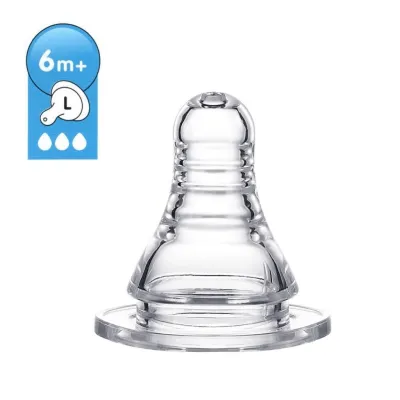
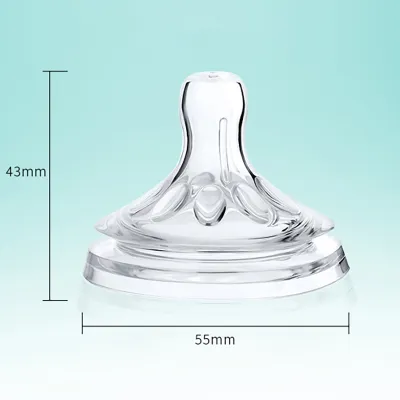
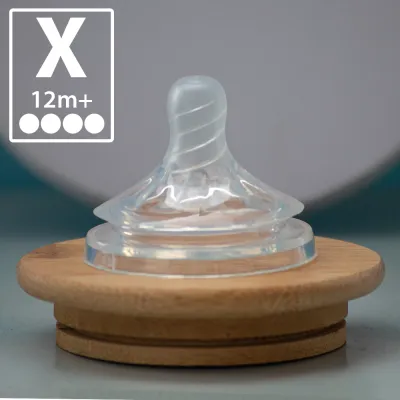
Prices are valid at publication and may change. Please refer to the product page for the latest price.
Temperature handling is another area where the two materials diverge. Glass transfers heat rapidly, allowing you to warm milk quickly in a bowl of warm water or a bottle warmer. However, this rapid transfer also means the bottle’s exterior can become hot to the touch, requiring careful temperature checks before offering it to your baby. Plastic bottles act as mild insulators, taking slightly longer to warm up but helping to maintain a stable milk temperature during slower feeds. Always follow the manufacturer’s specific warming guidelines to avoid overheating.
Durability and wear determine how long your bottles will remain in service. Glass is highly scratch-resistant, meaning its smooth surface remains clear and easy to clean even after months of vigorous scrubbing. However, glass is fragile and can shatter if dropped on hard surfaces, such as the tile floors common in many homes. Plastic is shatterproof and highly resilient against drops, but it is prone to micro-scratches from bottle brushes. Over time, these tiny scratches can accumulate, making the plastic look cloudy and creating crevices where milk residue can linger.
Safety, Cleaning, and Sterilization
Maintaining strict hygiene is essential for your baby’s health, and each material requires specific care to ensure safety.

Chemical safety is a primary consideration when selecting plastic feeding gear. Before purchasing any plastic bottle, always inspect the packaging to verify that the specific product is certified as BPA-free and BPS-free. These labels ensure that the plastic does not contain harmful chemical compounds that could leach into milk during heating or sterilization.
Sterilization compatibility varies significantly between materials and specific product lines. Glass bottles are highly heat-tolerant and can safely undergo boiling, steam sterilization, or UV sterilization without degrading. Plastic bottles, depending on whether they are made of PP, PPSU, or other materials, have specific temperature limits. Some plastics may warp or degrade faster when exposed to the intense dry heat of UV sterilizers or prolonged boiling. Always check the instruction manual for your specific Nipol bottle model to confirm which sterilization methods are approved.
Establishing regular inspection routines helps prevent safety hazards before they occur. For plastic bottles, look for visible signs of wear such as cloudiness, deep scratches, or persistent odors that do not wash out. In humid tropical climates, ensuring bottles dry completely after sterilization is crucial to prevent moisture retention and mold growth. For glass bottles, run your fingers along the rim and base before every use to check for hairline fractures, chips, or sharp edges that could pose a risk to you or your baby.
Matching the Material to Your Feeding Routine
Evaluating your daily lifestyle and your baby’s milestones will help you decide which material fits best into different parts of your day.
Night feeds and sleepy handling require maximum convenience and safety. Midnight and early morning feedings are often done in a state of exhaustion, making drops highly likely. If you drop a plastic bottle on the bedroom floor, it simply bounces, causing minimal disruption. Dropping a glass bottle, however, can result in shattered glass and spilled milk, creating a hazardous cleanup situation when you are least prepared to handle it.
Travel and daycare present unique challenges for baby gear. Packing a diaper bag with multiple feedings can make it heavy and bulky. In the Philippines, where commuting via public transport or walking in warm weather is common, minimizing bag weight is highly practical. Carrying several glass bottles adds significant weight and increases the risk of breakage during transit. Plastic bottles are lightweight and shatterproof, making them the ideal choice for travel, family outings, or sending to a daycare center.
Transitioning to self-feeding is a major milestone that influences your choice of bottle. As babies develop the motor skills to hold their own bottles, they often drop them frequently. A heavy glass bottle can easily slip from a baby’s grasp, potentially causing minor injuries if it falls on their face or feet. Transitioning to lightweight plastic bottles during this stage allows your baby to practice independence safely, without the physical strain or safety risks associated with heavier materials.
Nipol Glass vs. Plastic: Decision Framework
To finalize your feeding setup, use this condition-based framework to balance the benefits of both materials.
Choose Nipol glass if you prioritize long-term scratch resistance, prefer a material that does not retain odors, and primarily feed your baby at home in a controlled environment. Glass is also highly suitable if you want a bottle that can withstand frequent, high-temperature sterilization over a long period without showing signs of wear. While glass bottles may have a higher initial cost in ₱, their durability often makes them a cost-effective choice over time.
Choose Nipol plastic if you need lightweight, shatterproof bottles for travel, daycare, or outdoor activities. Plastic is also the safer and more practical choice if your home has hard tile floors where drops are common, or if your baby is actively learning to self-feed and needs a bottle that is easy to hold.
Before making your purchase, verify that your home sterilizer is compatible with the exact bottle model you intend to buy. If you use a UV sterilizer, check the manufacturer’s instructions to ensure the specific plastic or glass components are approved for UV exposure, as some materials can discolor or degrade under UV light.
Frequently Asked Questions (FAQ)
Can I use both glass and plastic Nipol bottles for the same baby?
Yes, many parents find that a hybrid approach works best for their daily routine. You can use glass bottles for nighttime and home feedings where the environment is controlled, and switch to plastic bottles for travel, daycare, or outdoor trips. If you choose to mix materials, ensure that the nipple shapes and flow rates remain identical across both bottle types. This consistency helps prevent nipple confusion and ensures your baby enjoys a seamless feeding experience regardless of the bottle material. Additionally, keep in mind that you may need to manage separate sterilization routines if the plastic bottles have lower temperature limits than the glass ones.
How do I know when it is time to replace a Nipol plastic bottle?
Plastic bottles do not last indefinitely and should be replaced periodically to maintain proper hygiene. Look for visible signs of wear, such as persistent cloudiness, deep scratches on the inner walls, or changes in the bottle’s shape after sterilization. If a bottle retains a sour milk odor or stubborn stains even after thorough washing and drying, it is time to retire it. In humid tropical climates, ensuring bottles dry completely is crucial to prevent mold growth in hard-to-reach crevices. Always refer to the manufacturer’s guidelines on the packaging for the recommended replacement timeline, which typically ranges from three to six months depending on the frequency of use and sterilization.

Community discussion
Share your experience or ask a question. Comments are reviewed before publication.