
Finding the right formula milk for your child in the Philippines can feel overwhelming with so many options lining supermarket shelves. The truth is, there is no single “best” formula milk brand that works universally for every child. The ideal choice depends entirely on your child’s age, digestive tolerance, and specific medical background. While standard growing-up milks like Nido, NAN, and Enfagrow are formulated to support healthy infants and toddlers at various stages of development, specialized formulas like Pre NAN serve distinct medical purposes, such as supporting premature or low-birth-weight infants. Making an informed decision requires understanding these differences, learning how to read product labels, and consulting your pediatrician to match a formula to your child’s unique physiological needs.
Standard Growth Milks vs. Specialized Formulas: Where Does Pre NAN Fit?
It is crucial to distinguish between standard commercial growing-up milks and specialized medical formulas to prevent inappropriate comparisons or unsafe substitutions. Standard formulas, such as standard variants of Nido, NAN, and Enfagrow, are designed for healthy, full-term infants and toddlers. These products provide balanced nutrition to complement a child’s diet as they grow. They are widely available over the counter and are formulated based on average developmental milestones.
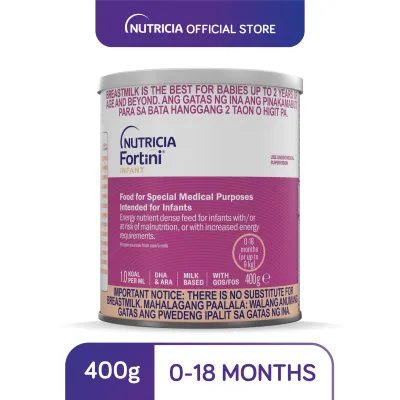
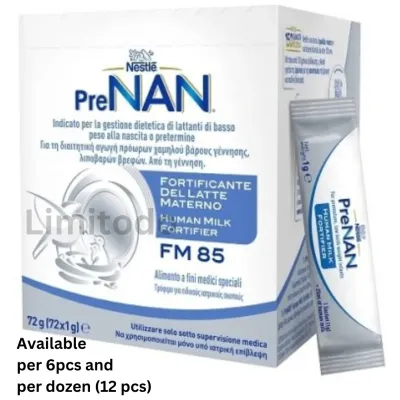
In contrast, specialized formulas like Pre NAN are classified as medical foods. They are specifically engineered to meet the accelerated nutritional demands of premature infants or those born with a low birth weight. These formulas contain adjusted caloric densities, easily absorbable fats like medium-chain triglycerides (MCTs), and specific protein ratios to support rapid catch-up growth and immune system development. Because of their highly concentrated nutrient profiles, specialized formulas require strict pediatrician supervision. They cannot be swapped with standard milks based on price, marketing, or general availability, as doing so could place dangerous metabolic stress on an infant’s immature kidneys and digestive tract.
Products mentioned in this guide





Prices are valid at publication and may change. Please refer to the product page for the latest price.
The transition phase from a specialized formula to a standard formula is a critical medical decision. As a premature infant grows and reaches developmental milestones, their nutritional requirements change. Only a healthcare professional can determine when the child’s digestive system and growth trajectory are stable enough to transition safely to a standard infant or toddler formula.
Evaluating Nido, NAN, and Enfagrow by Age and Developmental Stage
Matching a standard formula brand to your child’s current age and nutritional milestones is essential for supporting healthy growth. Formula manufacturers design their product lines in stages to align with a child’s changing digestive capacity and physical needs. Generally, these stages are divided into infant formula (Stage 1, typically 0 to 6 months), follow-on formula (Stage 2, typically 6 to 12 months), and growing-up milk (Stage 3 and beyond, for toddlers and preschoolers).

When evaluating brands like Nido, NAN, and Enfagrow, parents must carefully check the product label for age-specific nutrient adjustments. For example, infant formulas feature highly controlled protein and sodium levels to protect delicate kidneys. Toddler formulas, such as Enfagrow Stage 3 or NAN Stage 3, often feature increased levels of calcium, iron, and vitamin D to support active physical play, bone density, and cognitive development. Nido is highly popular in the Philippines for older toddlers and school-aged children, with variants like Nido 3+ and Nido 5+ specifically fortified to support the immune systems of active, school-going kids.
It is important to note that exact age brackets, stage numbers, and product names vary significantly by specific product lines and must be verified directly on the packaging before purchase. Never assume that a Stage 3 milk from one brand has the exact same age recommendation or nutritional profile as a Stage 3 milk from another. Always read the manufacturer’s age guidelines on the tin to ensure compatibility with your child’s current stage.
Comparing Digestive Tolerance and Ingredient Profiles
A child’s digestive comfort is a primary concern for parents, particularly when dealing with common issues like colic, gassiness, spit-up, or constipation. When comparing Nido, NAN, and Enfagrow, understanding key label terms related to digestion can help you identify which formulation might be gentler on your child’s stomach.
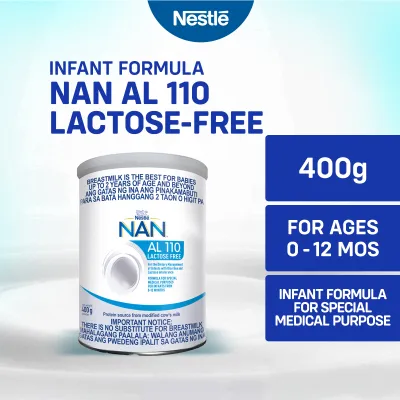
Look for terms such as “partially hydrolyzed proteins,” which indicate that the milk proteins have been broken down into smaller, more digestible pieces to reduce the load on a sensitive gut. Additionally, many modern formulas include added prebiotics (such as galacto-oligosaccharides or GOS) and probiotics (live beneficial bacteria) to support a healthy gut microbiome and promote softer stools. Lactose content is another variable; while standard formulas contain lactose as a primary carbohydrate source, some specialized variants offer reduced lactose for children experiencing temporary digestive sensitivity.
Observing your child’s tolerance signals is the most reliable way to assess a formula’s suitability. After introducing or switching a formula, monitor your child for signs of discomfort, such as excessive fussiness, unusual gassiness, frequent spitting up, or sudden changes in stool consistency. Keep in mind that perceived “gentleness” is highly individual. A formula that works exceptionally well for one child may cause mild discomfort in another. Finding the right fit often requires a monitored trial period of at least one to two weeks under pediatric guidance, rather than relying solely on generalized brand claims.
Quick Comparison Matrix: What to Check on the Label
To help you compare specific product variants while shopping in-store or browsing online marketplaces, use the following template to verify key details directly from the physical packaging or official brand websites. Because formulations and packaging designs are updated frequently, always rely on the physical label of the specific tin you are purchasing.
| Brand / Variant | Target Age Stage | Key Added Nutrients to Look For | Protein Type | Pediatrician Consultation Required |
|---|---|---|---|---|
| NAN Optipro / Infinipro | Verify on label (e.g., Stage 1, 2, or 3) | DHA, ARA, Probiotics, Human Milk Oligosaccharides (HMOs) | Standard whey-to-casein ratio or partially hydrolyzed | No for standard stages; Yes for specialized or hypoallergenic variants |
| Enfagrow A+ Four / Gentlease | Verify on label (e.g., Stage 3 or 4) | DHA, Beta-Glucan, Prebiotics (PDX and GOS) | Standard milk protein or partially hydrolyzed (Gentlease) | No for standard stages; Yes for Gentlease or therapeutic variants |
| Nido 3+ / 5+ | 3 years and older (verify on label) | Fortified Iron, Vitamin C, Zinc, Lactobacillus Protectus | Standard milk protein | No (designed for healthy, older children) |
| Pre NAN | Premature / Low birth weight (verify on label) | High caloric density, MCT oil, elevated protein, DHA | Specialized whey/casein blend | Yes (Strictly medical; use only under professional guidance) |
Verifying Safety, Authenticity, and Storage Conditions
In the Philippines, the tropical climate—characterized by high temperatures and intense humidity—makes proper safety checks and storage practices absolutely critical to protect your child’s health. When purchasing formula milk, always perform a thorough physical check of the packaging. Ensure the tin is completely sealed, free of dents, rust, or bulging, and that the plastic lid and inner foil seal are fully intact. Always verify the expiration date printed on the bottom of the tin; it must be clear, legible, and unaltered.
With the rise of online shopping, verifying the authenticity of your purchase is more important than ever. When buying from online marketplaces or ecommerce platforms, only purchase from official brand stores or authorized distributors. Avoid unauthorized third-party sellers offering unusually low prices, as these products may be counterfeit, expired, or stored in hot, humid warehouses that degrade the nutritional quality of the powder.
Proper storage is essential to maintain the formula’s nutritional integrity and prevent contamination. Store the tightly closed tin in a cool, dry place, away from direct sunlight. Never store formula powder in the refrigerator, as the moisture can cause the powder to clump and spoil. Additionally, always follow the exact preparation and water-temperature instructions printed on the tin. Using water that is too hot can destroy beneficial probiotics, while water that is too cool may fail to dissolve the powder properly. Always use the specific scoop provided inside each tin, as scoop sizes are not interchangeable between different brands or stages.
Decision Framework: Which Brand Should You Choose?
To make a safe and practical choice for your child, use this condition-based framework to guide your final purchase decision:
- Choose specific NAN variants if your child requires advanced digestive support or specific protein structures for easier digestion, subject to label verification and pediatric advice. NAN is often selected by parents seeking close-to-nature protein profiles and active probiotic cultures.
- Choose specific Enfagrow variants if you are focusing on toddler-stage nutritional profiles and brain-support nutrients like DHA, making sure to verify the exact stage on the label to match your child's age.
- Choose Nido for older children (typically 3 years and older) who are transitioning from infant formula to fortified powdered milk as part of a broader, balanced solid-food diet. It offers an affordable, nutrient-dense option for active preschoolers.
- Stop and consult a pediatrician immediately if your child was born premature, has suspected allergies (such as cow's milk protein allergy), shows signs of severe intolerance (like vomiting or blood in stool), or requires a specialized formula like Pre NAN. Never attempt to manage these medical conditions by self-switching standard commercial brands.
Frequently Asked Questions (FAQ)
Can I mix two different formula brands in one bottle?
No, mixing different formula brands, stages, or specialized formulas in a single bottle is generally discouraged. Each product is scientifically formulated with a precise balance of nutrients, water-to-powder ratios, and osmolality. Mixing them can alter the nutrient density, making the feed too concentrated or too diluted, which can strain your baby’s kidneys and disrupt their digestive system. If you are transitioning from one brand to another, do so gradually by replacing entire feeds one bottle at a time over several days, under the guidance of your pediatrician.
How do I know if my child needs a specialized formula instead of a standard one?
Your child may need a specialized formula if they exhibit clear, persistent signs of intolerance or medical vulnerability. These signs include severe reflux, projectile vomiting, excessive crying or colic after feeding, persistent diarrhea, blood or mucus in the stool, skin rashes, or poor weight gain. If your baby was born prematurely or with a low birth weight, they will also require a specialized formula like Pre NAN initially. Always consult a pediatrician to diagnose these issues; never self-prescribe a specialized formula.
Does a higher price always mean better nutrition for my child?
No, a higher price tag does not automatically guarantee better nutrition or suitability for your child. Premium pricing often reflects specialized manufacturing processes, proprietary ingredient blends (such as specific prebiotic structures), or extensive brand marketing. In the Philippines, all commercially available infant and toddler formulas must meet strict national and international regulatory standards for basic nutritional adequacy. The most effective formula is not the most expensive one, but the one that your child tolerates well, digests easily, and matches their specific developmental stage under pediatric supervision.

Community discussion
Share your experience or ask a question. Comments are reviewed before publication.