
Quick Answer: Which Toddler Formula Fits Your Child?
Choosing the right toddler formula for your 1-3 year old in the Philippines is a highly individualized decision. There is no single formula that works universally for every child. Instead, the ideal choice depends on your toddler’s digestive tolerance, taste preferences, and specific nutritional needs.
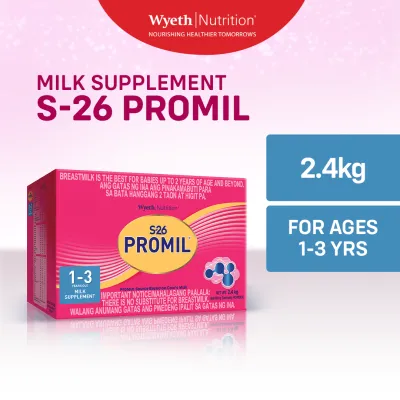
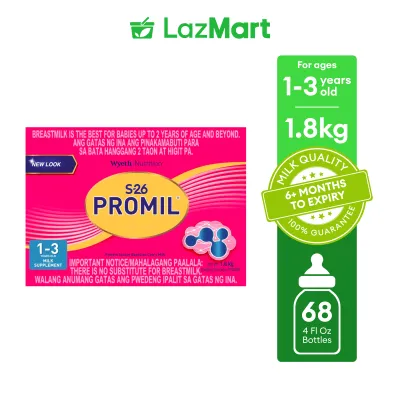
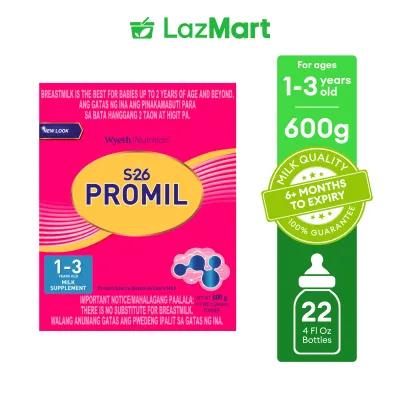
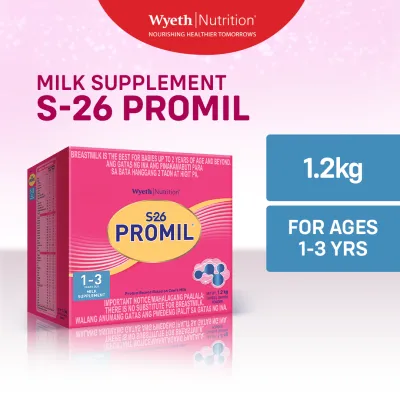
Nido is a popular option for general growth support and is widely accepted by toddlers due to its appealing taste. NAN is often favored by parents whose children require a gentler option for digestion, featuring optimized protein profiles. Enfagrow focuses heavily on cognitive development, highlighting its DHA and lipid content. Promil is positioned as a comprehensive option for overall physical growth, brain development, and immune support.
Before making any changes to your child’s diet, it is essential to check the product labels for the most current ingredient information. Always consult your pediatrician to ensure the formula aligns with your child’s health profile.
Products mentioned in this guide
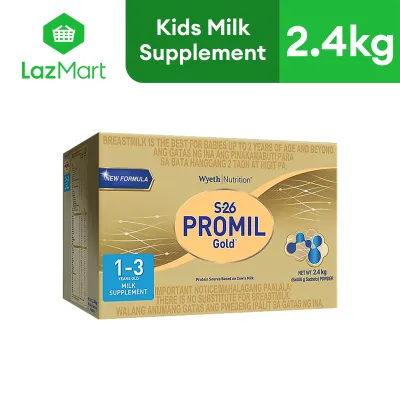
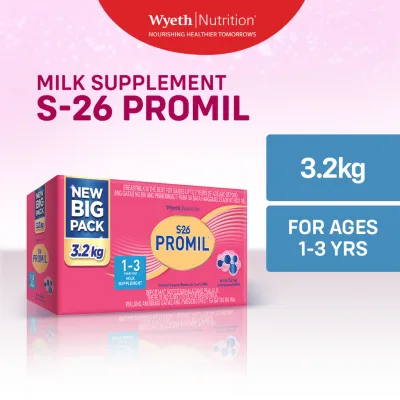

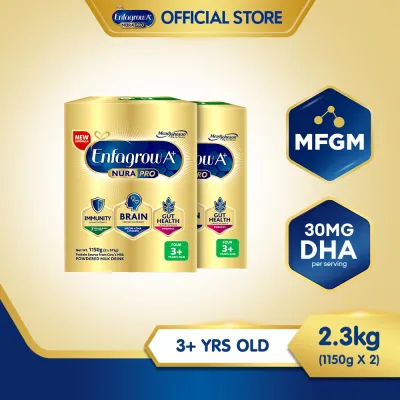
Prices are valid at publication and may change. Please refer to the product page for the latest price.
Meet the Contenders: Nido, NAN, Enfagrow, and Promil
As toddlers transition from infancy to early childhood, their nutritional requirements change dramatically. Between the ages of 1 and 3, children become highly active, and their cognitive and physical development accelerates. The major formula brands available in the Philippines cater to these developmental stages with distinct formulations.

Nido (specifically Nido 3+ or Nido 1-3 variants) is a household name known for general growth and development support. It is formulated to provide a solid foundation of daily nutrients, focusing on vitamins and minerals that support active play and immune defense. Parents often choose Nido for its accessibility, familiar taste, and balanced nutritional profile that complements a standard diet of solid foods.
NAN (such as NAN Optipro 3 or NAN Infinipro) is positioned with a strong focus on digestive health and protein quality. The brand emphasizes its optimized protein technology, which is designed to be easy on a toddler’s developing digestive system. If your child is prone to mild tummy issues, gas, or irregular stools, NAN is often the brand parents look to for gentle digestive support.
Enfagrow (including Enfagrow A+ Four or Enfagrow Four) centers its positioning on brain development and cognitive milestones. The brand frequently highlights its inclusion of DHA, MFGM (Milk Fat Globule Membrane), and other key lipids that support brain connections. It is designed for parents who want to prioritize cognitive, visual, and emotional development during these critical learning years.
Promil (specifically Promil Gold Three or Promil 1-3) addresses the primary search intent for comprehensive growth and development. It is positioned as a premium formulation that supports physical growth, brain development, and immune health. Promil often highlights its blend of essential nutrients, including DHA, lutein, choline, and key vitamins, designed to help toddlers reach their full developmental potential.
When comparing these brands, always check the exact packaging and product variant. Formulations can change, and different sub-brands (such as standard versus premium lines) may offer different nutrient concentrations. Always verify the age stage indicated on the front of the pack to ensure it is appropriate for your 1-3 year old.
How to Compare Toddler Formulas: Key Decision Factors
To make an informed choice, parents must learn how to read and compare the nutrition facts panels and ingredient lists on formula packaging. Relying solely on brand reputation is not enough; you need to understand what goes into your toddler’s cup.
Nutritional Profile
The first step is to examine the core nutrients listed on the back of the pack. For toddlers aged 1-3, key nutrients to look for include:
- Iron: Essential for healthy blood development and preventing anemia, which can cause fatigue and developmental delays.
- Calcium and Vitamin D: Crucial for building strong bones and teeth as your toddler grows rapidly.
- DHA and ARA: Omega-3 and Omega-6 fatty acids that support brain and eye development.
- Vitamins A, C, and E: Antioxidants that support a healthy immune system.
Compare the amounts of these nutrients per 100g of powder or per serving to see which brand offers the specific support your child might need.
Digestive Comfort
A toddler’s digestive system is still maturing, and some children experience discomfort when transitioning to new foods or formulas. When evaluating formulas for digestive comfort, look for:
- Protein Structure: Some formulas use partially hydrolyzed proteins, which are broken down into smaller pieces to make them easier to digest.
- Prebiotics (FOS/GOS): These are dietary fibers that feed the good bacteria in the gut, promoting healthy digestion and softer stools.
- Probiotics: Live beneficial bacteria (such as Bifidobacterium lactis) that support gut health and immune function.
If your toddler is prone to constipation, gas, or colic, a formula with added prebiotics or optimized proteins may be more suitable.
Taste and Acceptance
No matter how nutritious a formula is, it will not benefit your child if they refuse to drink it. Toddlers are notorious for being picky eaters, and they can be highly sensitive to changes in taste and texture. Some formulas have a sweeter taste due to added sucrose or lactose, while others have a more neutral, milky flavor. If your toddler is transitioning from breast milk or a specific infant formula, look for a toddler milk with a similar flavor profile to ease the transition.
Preparation and Solubility
Proper preparation is vital for your child’s health and safety. Always read the manufacturer’s instructions on the packaging regarding water temperature and mixing ratios.
- Water Temperature: Some formulas containing probiotics require lukewarm water (usually around 40°C) to avoid killing the beneficial bacteria.
- Mixing Ratios: Use only the scoop provided in the tin. Altering the ratio of powder to water can lead to under-nutrition or dehydration.
- Solubility: Some powders dissolve easily in warm water, while others may require more vigorous shaking or stirring to prevent clumping.
Evaluating Price and Value Across Brands
While nutritional value is the top priority, budget is a practical consideration for most families in the Philippines. However, comparing the upfront price of a tin or box can be highly misleading. To find the true cost, you need to calculate the cost per serving.
To calculate the cost per serving, use this simple method:
- Find the total weight of the package (e.g., 900g).
- Check the nutrition panel for the recommended scoop size in grams (e.g., 9g per scoop) and the number of scoops required per serving (e.g., 4 scoops per 180ml of water).
- Divide the total weight by the scoop size to find the total number of scoops per package.
- Divide the total number of scoops by the scoops required per serving to find the total number of servings per package.
- Divide the retail price of the package by the total number of servings to get the cost per serving in ₱.
For example, a larger tin may have a higher upfront cost but offer a significantly lower cost per serving compared to a smaller box. Additionally, consider your toddler’s daily consumption. If they drink two servings a day, multiply the cost per serving by two to estimate your daily and monthly expenses.
When purchasing toddler formula, check for current pricing and availability at major supermarkets, official brand stores, or authorized online retailers on reputable ecommerce platforms. Purchasing from authorized sources ensures that the product is authentic, has been stored in temperature-controlled environments, and is well within its expiration date.
How to Choose: A Decision Framework for Parents
To help you make the final decision, consider this conditional framework based on your toddler’s specific profile and needs:
- Choose Nido if: Your toddler is an active, typical eater with no digestive sensitivities, accepts new tastes easily, and you want a widely available, cost-effective option that supports general growth and daily play.
- Choose NAN if: Your toddler has a sensitive stomach, experiences occasional gas, bloating, or irregular bowel movements, and you want to prioritize gentle digestion with optimized proteins and active probiotics.
- Choose Enfagrow if: You want to focus heavily on cognitive milestones, language development, and visual acuity, and you wish to verify high levels of DHA and supporting lipids on the nutrition label.
- Choose Promil if: You are looking for a premium, comprehensive formulation that balances physical growth, brain development, and immune support, and your toddler tolerates standard milk proteins well.
Before making your final selection, always verify if your child has any known food allergies, lactose intolerance, or specific medical conditions. Standard toddler formulas are not suitable for children with cow’s milk protein allergy (CMPA) or lactose intolerance. In these cases, you must consult your pediatrician, who can recommend specialized, hypoallergenic, or lactose-free formulas.
Transitioning to a New Formula and Monitoring Your Toddler
Switching your toddler’s formula should always be done gradually to allow their digestive system and taste buds to adapt. A sudden switch can cause digestive upset, refusal to drink, or fussiness.
Follow this general step-by-step transition guide over the course of a week:
- Days 1-2: Prepare the bottle with 75% of the old formula and 25% of the new formula.
- Days 3-4: Mix the formulas in a 50% old and 50% new ratio.
- Days 5-6: Prepare the bottle with 25% of the old formula and 75% of the new formula.
- Day 7 and beyond: Transition fully to 100% of the new formula.
During and after the transition, closely monitor your toddler for signs of good tolerance. A well-tolerated formula will result in normal, soft stool consistency, a healthy appetite, a stable mood, and consistent energy levels.
Conversely, watch out for red flags that indicate the formula may not be suitable. Stop using the new formula and consult your pediatrician immediately if your toddler experiences:
- Persistent diarrhea or loose, watery stools
- Frequent vomiting or excessive spitting up
- Skin rashes, hives, or eczema flare-ups
- Extreme fussiness, crying, or signs of abdominal pain after feeding
- Blood or mucus in the stool
Always follow the manufacturer’s preparation instructions strictly. Never dilute the formula to make it last longer, and never add extra powder to make it “richer.” Incorrect preparation can lead to serious health complications, including dehydration or nutritional deficiencies.
Frequently Asked Questions (FAQ)
Can I mix two different brands of toddler formula in one bottle?
Mixing two different brands of toddler formula in the same bottle is generally discouraged by pediatricians and manufacturers. Each brand has a unique formulation, scoop size, and specific water-to-powder ratio designed to deliver a precise concentration of nutrients. Mixing them together can easily lead to preparation errors, resulting in a mixture that is either too concentrated or too diluted. This can put unnecessary strain on your toddler’s developing kidneys and digestive system. If you are transitioning your child to a new brand, it is safer to use the gradual transition method of mixing prepared formulas or alternating separate feeds throughout the day.
Is it necessary to give my 1-3 year old toddler formula if they eat solid foods?
For toddlers aged 1 to 3 years, solid foods should gradually become their primary source of nutrition. Toddler formula is not strictly necessary if your child consumes a diverse, well-balanced diet that meets all their nutritional requirements. However, many toddlers go through phases of picky eating, which can lead to nutritional gaps in iron, calcium, or essential vitamins. In such cases, toddler formula serves as a practical nutritional supplement or safety net to help fill those gaps. You should assess your child’s daily food intake and consult your pediatrician to determine if continuing with a toddler formula is beneficial for their specific growth and development needs.

Community discussion
Share your experience or ask a question. Comments are reviewed before publication.