
Choosing the right Stage 2 formula for your baby between 6 and 12 months is a highly individualized decision, as there is no single “best” formula that works universally for every infant. The ideal choice depends heavily on your baby’s unique digestive tolerance, taste preferences, and your specific nutritional priorities for their development. While some infants thrive on a standard formulation, others may require specific ingredients to support sensitive tummies or cognitive growth. This guide compares the core formulation approaches of Nido, NAN, and Enfagrow Stage 2 to help you evaluate how each brand supports brain and bone development. Because formulations can vary by region and are subject to change, it is essential to read the actual product labels on the shelves and consult your pediatrician before making any changes to your baby’s diet.
Key Nutrients for 6 to 12 Months Growth
During the second half of the first year, your baby undergoes rapid physical and cognitive milestones, transitioning from a liquid-only diet to exploring solid foods. This developmental phase demands a precise balance of nutrients to support their growing body and brain. Docosahexaenoic acid (DHA) and arachidonic acid (ARA) are crucial fatty acids during this stage, playing a fundamental role in the structural development of the brain and the retina of the eyes. As your baby begins to crawl, sit up, and interact more with their environment, these cognitive and visual pathways require adequate support from their daily intake.
Simultaneously, rapid skeletal growth requires robust support from calcium and vitamin D. Calcium serves as the primary building block for developing strong bones and teeth, while vitamin D acts as the essential key that allows the body to absorb this calcium efficiently. Without sufficient vitamin D, even a calcium-rich diet cannot fully support skeletal strength.
Products mentioned in this guide
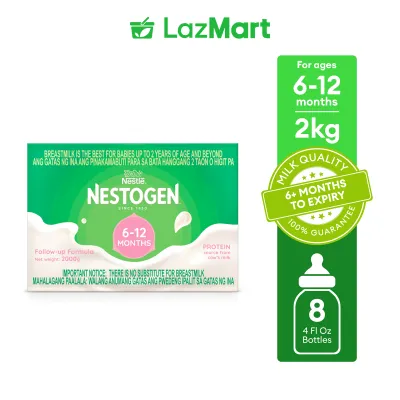

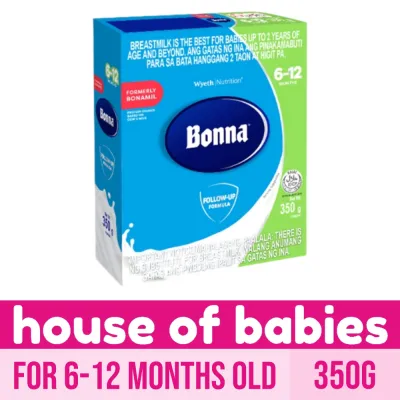
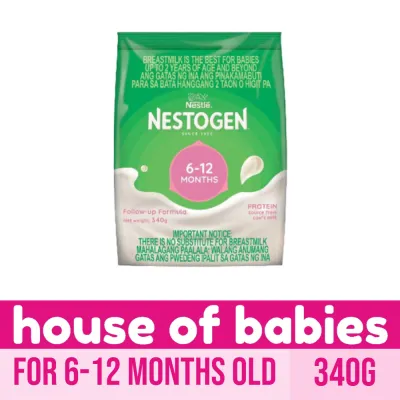

Prices are valid at publication and may change. Please refer to the product page for the latest price.
Another critical nutrient during this transition is iron. Around the six-month mark, an infant’s natural iron stores, which were built up during gestation, begin to deplete rapidly. Because iron is vital for producing hemoglobin and preventing iron-deficiency anemia, introducing iron-rich solid foods and ensuring your formula provides adequate iron is essential. While breast milk or formula remains the primary source of nutrition during this period, these key nutrients are designed to complement, rather than replace, the gradual introduction of complementary solid foods.
Nido vs. NAN vs. Enfagrow: Core Formulation Differences
When walking down the baby care aisle in local supermarkets, you will notice that Nido, NAN, and Enfagrow Stage 2 formulas are positioned differently to appeal to distinct parental priorities. Understanding these general brand positionings can help you narrow down which product line to examine more closely.

Nido Stage 2 is traditionally positioned around general, balanced growth and a familiar, appealing taste profile. It aims to provide a reliable foundation of essential vitamins and minerals for active older infants who are starting to enjoy a wider variety of solid foods.
NAN Stage 2, produced by Nestlé, heavily emphasizes digestive comfort and gut microbiome support. Its marketing and formulation strategies often focus on optimized protein blends and the inclusion of specific active cultures or prebiotics designed to be gentle on developing digestive systems, making it a frequent consideration for babies prone to mild gas or colic.
Enfagrow Stage 2, on the other hand, is widely known for its strong marketing focus on brain and cognitive development. The brand frequently highlights its specific nutrient blends, particularly emphasizing DHA and other brain-supportive lipids, positioning itself as a premium option for parents who want to prioritize cognitive milestones.
However, because manufacturers frequently update their recipes and regional variants exist to meet local regulatory standards, you must verify the exact levels of DHA, ARA, calcium, and iron on the physical product label of the specific tin you are purchasing. Do not rely solely on general brand reputations.
Additionally, take the time to inspect the ingredient list for added flavors, sucrose, or other sweeteners. Some formulations may include these ingredients to improve palatability, while others rely strictly on lactose. These differences can vary significantly even between different product lines within the same brand, making a direct label check the most reliable way to ensure you know exactly what your baby is consuming.
How to Compare Nutrition Labels Accurately
Comparing nutrition labels across different brands can be confusing because manufacturers use different units of measurement and reference points. To make an accurate, objective comparison of nutrient density, you must look past the front-of-pack marketing claims and analyze the nutrition information panel systematically.
First, identify the baseline of the comparison. Some brands list nutrient values per 100 grams of powder, while others list them per 100 kilocalories (kcal) or per prepared 100-milliliter serving. Comparing a “per 100g of powder” value from one tin to a “per 100ml prepared” value from another will lead to incorrect conclusions. To ensure an accurate baseline, convert the numbers to a common unit or compare the values based on a single prepared serving as directed by the preparation instructions.
Second, look closely at the carbohydrate sources listed in the ingredients. Lactose is the primary carbohydrate naturally found in breast milk and is generally preferred for healthy infants. However, some formulas substitute a portion of lactose with maltodextrin, corn syrup solids, or sucrose to manage sweetness, viscosity, or cost. Understanding these sources helps you evaluate how the formula might affect your baby’s energy levels and digestion.
Finally, check for the presence of functional ingredients like prebiotics and probiotics. Look for terms like galacto-oligosaccharides (GOS), fructo-oligosaccharides (FOS), or specific probiotic strains on the label. These ingredients are often added to support gut health and immunity by encouraging the growth of beneficial bacteria in your baby’s digestive tract, which is particularly helpful as they transition to solid foods.
Which Stage 2 Formula Fits Your Baby Best?
To choose the right formula, you can apply a conditional decision framework based on your baby’s specific physical needs, digestive tolerance, and your family’s practical considerations.
You might choose Nido Stage 2 if your baby prefers a standard, familiar milk taste, has a robust digestive system, and you are looking for a balanced, general growth profile that fits a practical family budget.
You might choose NAN Stage 2 if your baby has a sensitive stomach, is prone to mild digestive discomfort, gas, or hard stools, and you want to prioritize ingredients specifically selected for gut health and easy digestion.
You might choose Enfagrow Stage 2 if you want to prioritize specific, highly marketed brain-support nutrient blends and your baby tolerates the formula well without any digestive issues.
However, you must verify first if your baby has a known cow’s milk protein allergy, lactose intolerance, or other specific medical conditions. In these cases, standard Stage 2 formulas from Nido, NAN, or Enfagrow are not suitable. You must consult your pediatrician immediately to obtain a recommendation for specialized hypoallergenic, soy-based, or lactose-free formulas managed under strict medical supervision.
Beyond nutritional profiles, practical factors like local availability and cost are highly relevant. In the Philippines, where tropical humidity requires careful storage of opened tins, buying accessible sizes is key. Compare the price per serving in ₱ across local supermarkets, neighborhood pharmacies, and official online brand stores. This helps you assess long-term affordability and ensures you can consistently source the exact same formula without sudden disruptions to your baby’s feeding routine.
Tips for Transitioning to Stage 2 Formula
Transitioning your baby to a Stage 2 formula requires careful preparation and close observation to ensure their safety and comfort. Always follow the exact water-to-powder ratio and mixing instructions printed on the specific product label. Because scoop sizes and powder densities vary significantly between brands and stages, using the wrong scoop or guessing the measurements can lead to over-concentration, which strains your baby’s kidneys and digestive system, or under-concentration, which deprives them of essential nutrients.
If you are switching from a Stage 1 formula or moving between different brands, implement a gradual transition plan over several days. Start by replacing just one feeding a day with the new formula, slowly increasing the proportion of the new formula over a week. This gradual introduction gives your baby’s digestive enzymes and gut microbiome time to adapt to the new protein and carbohydrate structures.
During this transition, monitor your baby for observable signs of good tolerance, such as regular, soft stools, comfortable digestion, and steady weight gain. Conversely, watch for warning signs that indicate the formula may not agree with them. If you observe persistent vomiting, severe skin rashes, excessive gas, extreme fussiness immediately after feeding, or blood in the stool, stop using the formula immediately and consult your pediatrician for professional guidance.
Frequently Asked Questions (FAQ)
Can I mix two different Stage 2 formula brands in one bottle?
Mixing two different Stage 2 formula brands in a single bottle is generally not recommended. Each brand is formulated with a precise balance of nutrients, specific scoop sizes, and unique water-to-powder ratios designed to create a safe concentration. Combining them can easily lead to preparation errors, resulting in a mixture that is either too concentrated or too diluted, which can cause digestive upset or nutritional imbalances. If you are transitioning your baby from one brand to another, it is safer to feed one specific formula per bottle, gradually replacing whole bottles throughout the day, and consult your pediatrician for a structured transition plan.
How do I know if my baby is not tolerating their current Stage 2 formula?
It is common for babies to experience mild, temporary adjustment symptoms when starting a new Stage 2 formula, such as slight changes in stool frequency, color, or mild gas. These minor issues typically resolve within a week as their digestive system adapts. However, you should watch for clear signs of intolerance or allergy. Red-flag symptoms that require immediate medical attention from a pediatrician include hives, facial swelling, persistent diarrhea, projectile vomiting, blood or mucus in the stool, or extreme, inconsolable fussiness during or immediately after feedings.

Community discussion
Share your experience or ask a question. Comments are reviewed before publication.