
Quick Answer: Which Toddler Formula Is Right for Your Child?
When your child transitions from infant formula or exclusive breastfeeding, selecting the right growing-up milk becomes a priority. If you are comparing options like nido 1 to 3 years old products, NAN, and Enfagrow, you will quickly find that there is no single “best” brand for every child. Instead, the right choice depends heavily on your toddler’s specific nutritional requirements, digestive tolerance, and your primary developmental goals.
Each brand has carved out a specific nutritional focus to address different areas of toddler development. Enfagrow is widely recognized for its emphasis on brain-supporting nutrients like DHA and ARA, making it a popular choice for parents prioritizing cognitive development. NAN focuses heavily on digestive comfort and gut health, incorporating active probiotics and optimized proteins to support sensitive stomachs. Nido serves as a robust, calorie-dense option designed for general physical growth, bone strength, and immune support, often utilizing a whole milk base that appeals to toddlers who prefer a creamier taste.
While these general profiles can guide your initial decision, every toddler’s digestive system and nutritional needs are unique. It is highly recommended to consult your pediatrician before making any significant changes to your child’s diet, especially if they have underlying health conditions, allergies, or persistent digestive issues. A professional evaluation ensures that the formula you select aligns perfectly with your child’s growth trajectory and health status.
Products mentioned in this guide
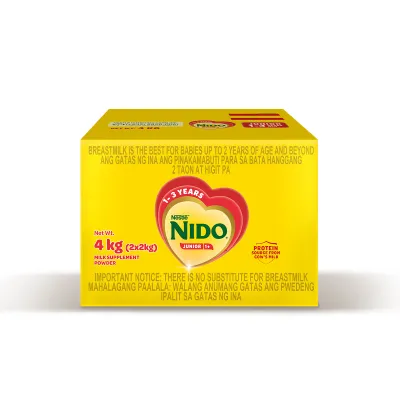


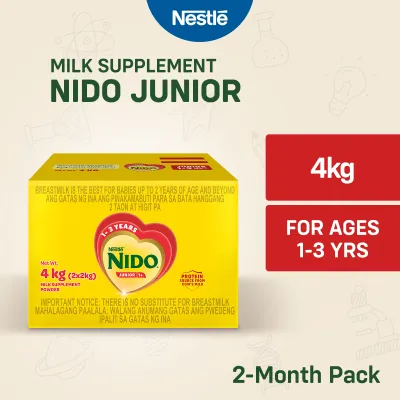
![[ONLINE EXCLUSIVE] NIDO JUNIOR 1+ Milk Supplement Powder for Children 1-3 Years Old 4kg](https://img.lazcdn.com/g/p/346169b16d6126178676b1f57c9aec63.jpg_400x400q80.jpg_.webp)
Prices are valid at publication and may change. Please refer to the product page for the latest price.
Key Nutritional Dimensions to Compare
To make an informed decision, parents must look past marketing claims and understand how to read the nutritional panels and ingredient lists on the back of the tin. Comparing formulas across standardized nutritional dimensions allows you to see exactly what your toddler is consuming and how it supports their daily development.

Macronutrients and Milk Base
The foundation of any toddler formula is its milk base, which dictates the fat, protein, and carbohydrate composition. Many standard Nido formulations utilize a whole milk powder base, which naturally retains milk fats and provides a rich, creamy flavor that closely resembles fresh dairy. In contrast, specialized toddler milks like NAN and Enfagrow often use skimmed milk powder blended with specific vegetable oils (such as soy, coconut, or high-oleic sunflower oil) to deliver a tailored fatty acid profile. Whole milk bases generally offer higher natural fat content and calories per serving, which can benefit highly active toddlers who need extra energy for physical play, while specialized vegetable oil blends are designed to optimize fat absorption and mimic the fatty acid structures found in early childhood nutrition.
Brain and Eye Support
During the ages of 1 to 3, a toddler’s brain undergoes rapid growth and structural development, requiring specific fatty acids and micronutrients to support neural connections. When examining formula labels, look for Docosahexaenoic Acid (DHA) and Arachidonic Acid (ARA), which are long-chain polyunsaturated fatty acids critical for brain and retinal development. Lutein, an antioxidant that accumulates in the retina, is also frequently added to protect developing eyes from oxidative stress. While most premium toddler formulas contain these ingredients, the exact milligrams per serving can vary significantly; comparing these values directly on the nutritional panel will show you which brand offers the most robust cognitive support.
Digestive and Immune Support
A large portion of a toddler’s immune system is housed in their gut, making digestive health a key pillar of overall well-being. To support a healthy gut microbiome, manufacturers add prebiotics, probiotics, or a combination of both (synbiotics). Prebiotics, such as Galacto-oligosaccharides (GOS), Fructo-oligosaccharides (FOS), and polydextrose, are non-digestible fibers that feed beneficial gut bacteria. Probiotics are live, beneficial microorganisms—such as Bifidobacterium lactis—that actively colonize the digestive tract to help maintain a balanced gut flora, improve stool consistency, and support the body’s natural defenses. Parents of toddlers prone to gas, bloating, or irregular bowel movements should pay close attention to these ingredients on the label.
Bone and Physical Growth
Physical milestones like walking, running, and climbing require strong bones, teeth, and muscles, which are supported by a steady intake of calcium, vitamin D, and high-quality protein. Calcium is the primary building block for bone density, while vitamin D is essential because the body cannot absorb calcium efficiently without it. Protein provides the amino acids necessary for muscle repair and tissue growth. When comparing formulas, check the percentage of the daily recommended energy and nutrient intakes (RENI) that each serving provides to ensure your toddler is receiving adequate support for their skeletal and muscular development.
Sugar and Flavoring
As toddlers transition to solid foods, they develop taste preferences that can last a lifetime, making the sugar content of their milk a crucial consideration. Lactose is the naturally occurring sugar in cow’s milk and is the preferred carbohydrate source for growing children. However, some toddler milks contain added sugars such as sucrose, corn syrup solids, maltodextrin, or artificial flavorings (like vanilla) to make the milk more palatable or to provide quick energy. Checking the ingredient list for these added sugars is essential; choosing formulas with lower or no added sucrose helps prevent a preference for overly sweet foods and supports long-term dental health.
Brand Breakdown: What Each Formula Offers
Understanding the general positioning, target benefits, and typical label features of Nido, NAN, and Enfagrow helps you match the right product to your toddler’s daily routine. Each brand is formulated with a distinct philosophy to address different aspects of early childhood growth.
Nido (Typically Nido 1+ or Fortificada)
Nido is a household name globally and is highly favored for its focus on general physical growth, bone health, and immune support. The brand is designed to act as a reliable, everyday nutritional partner that complements a toddler’s transitioning diet. Formulations like Nido 1+ or Nido Fortificada are typically characterized by their high calcium, vitamin D, and protein content, which are essential for supporting active toddlers as they reach physical milestones.
Most Nido variants utilize a whole milk powder base, which gives the milk a rich, creamy, and traditional dairy taste that toddlers generally accept without hesitation. This base naturally provides a higher calorie density, making it an excellent option for children who are highly active or need support maintaining a steady weight gain. Many Nido products are also fortified with vitamins A, C, and zinc, alongside prebiotic fibers (often labeled as Prebio 1) to support basic digestive health and immune function.
Because formulations and product names can vary significantly depending on local market availability, parents should always check the physical tin in their local store. In the Philippines, for example, the nido 1 to 3 years old range is specifically tailored to meet the nutritional guidelines of local health authorities, ensuring that common regional nutrient deficiencies are addressed. Always verify the age grading on the packaging to ensure you are purchasing the correct variant for your toddler’s developmental stage.
NAN (Typically NAN OPTIPRO 3 or similar toddler variants)
NAN, produced by Nestlé, is positioned as a premium formula designed with a strong focus on digestive comfort, gut health, and optimized protein delivery. The brand is highly regarded by parents whose toddlers have sensitive digestive systems or are transitioning from breast milk and require a gentle option. The hallmark of the NAN range is its focus on protein quality and digestive ease.
NAN OPTIPRO 3 features an optimized protein blend (OPTIPRO) that is processed to deliver the high-quality protein your toddler needs without overloading their developing digestive system and kidneys. Additionally, NAN formulas are frequently fortified with active probiotic strains, such as Bifidobacterium lactis, which help maintain a healthy balance of bacteria in the gut. This focus on gut health is often complemented by prebiotic fibers that promote regular, soft stools and reduce common digestive discomforts like gas and bloating.
When choosing NAN, it is crucial to verify the exact product name and age grading on the tin, as the brand offers specialized variants (such as hypoallergenic or lactose-free options) alongside its standard toddler milks. Ensure that the variant you select matches your child’s age of 1 to 3 years and does not contain specialized medical ingredients unless specifically recommended by your pediatrician.
Enfagrow (Typically Enfagrow A+ 3 or similar toddler variants)
Enfagrow, manufactured by Mead Johnson, is a premium brand that places cognitive development and brain support at the center of its nutritional philosophy. It is designed for parents who want to prioritize brain-building nutrients during the critical window of rapid neurological development that occurs between the ages of 1 and 3. The brand is heavily backed by nutritional research focusing on cognitive milestones.
Enfagrow A+ 3 and similar toddler variants are distinguished by their high levels of DHA, an essential omega-3 fatty acid that serves as a primary structural component of the brain and eyes. Along with DHA, Enfagrow is formulated with a blend of iron, iodine, zinc, and choline, all of which work synergistically to support memory, concentration, and overall brain function. Some premium variants also include Milk Fat Globule Membrane (MFGM), a complex structure of proteins and lipids that plays a role in supporting cognitive development and immune defense.
To make an objective comparison, parents should check the nutritional panel on the Enfagrow tin to verify the exact milligrams of DHA per serving. This allows you to evaluate how much cognitive support the formula provides in relation to your toddler’s overall diet, especially if they do not regularly consume DHA-rich foods like fish or eggs.
How to Choose: Matching the Formula to Your Toddler's Needs
Selecting the right growing-up milk involves evaluating your toddler’s unique physical needs, digestive patterns, and your household’s practical logistics. Use the following guidelines to determine which brand aligns best with your family’s requirements.
- Choose Enfagrow if: Your primary developmental focus is supporting your child's cognitive milestones, memory, and visual health. This is particularly beneficial if your toddler is a picky eater who does not regularly consume natural sources of DHA, such as salmon, mackerel, or fortified eggs.
- Choose NAN if: Your toddler experiences occasional digestive issues, such as hard stools, mild constipation, gas, or bloating. The optimized proteins and active probiotics in NAN are specifically designed to be gentle on sensitive stomachs and promote a balanced gut microbiome.
- Choose Nido if: You are looking for a reliable, calorie-dense option to support general physical growth, bone density, and active play. Nido is an excellent choice for toddlers who enjoy a rich, creamy, traditional milk taste and do not require specialized digestive or cognitive ingredients.
- Verify First if: Your toddler has a diagnosed medical condition, such as a cow's milk protein allergy (CMPA), lactose intolerance, or severe chronic digestive issues. Standard variants of Nido, NAN, and Enfagrow are based on cow's milk and are completely unsuitable for children with these conditions. If your child shows signs of milk sensitivity, a pediatrician's evaluation is mandatory, and they will prescribe a specialized, hypoallergenic, or lactose-free formula.
In addition to nutritional profiles, practical factors like cost and availability play a significant role in long-term satisfaction. In the Philippines, household budgets must be managed carefully, and formula milk can represent a major recurring expense. Nido is generally positioned as a highly accessible, budget-friendly option, making it an excellent choice for families seeking value without sacrificing essential growth nutrients. NAN and Enfagrow occupy premium price points, reflecting their specialized ingredient blends like optimized proteins, probiotics, and high DHA levels.
When calculating the cost, compare the price per serving rather than just the price of the tin, as scoop sizes and serving recommendations differ. Furthermore, consider product availability in your area; choose a brand that is consistently stocked in your local supermarkets or preferred online marketplaces. Sudden, unplanned brand switches due to stock shortages can disrupt your toddler’s digestive system and cause unnecessary stress.
Safe Preparation and Transitioning Tips
Proper preparation and a gradual transition are just as important as choosing the right brand. Following strict safety guidelines protects your toddler’s health and ensures they receive the full nutritional benefits of the formula.
Reading the Label and Measuring Accurately
Never assume that preparation instructions are identical across different brands or even different variants of the same brand. Always read the preparation guide on the specific tin you have purchased. Use only the scoop provided inside that specific tin, as scoop sizes vary. Accurately measure the water and powder according to the manufacturer’s instructions; altering the ratio can have serious health consequences. Over-concentrating the formula by adding extra scoops can strain your toddler’s kidneys and cause dehydration or severe constipation, while diluting the formula with too much water can lead to nutritional deficiencies and slow growth.
Water Safety in Warm Climates
In tropical environments like the Philippines, high humidity and warm temperatures facilitate rapid bacterial growth. Always use safe, clean water that has been boiled vigorously for at least five minutes and then allowed to cool to room temperature before mixing. Never mix formula with boiling water, as extreme heat can destroy sensitive nutrients, vitamins, and live probiotic cultures. Prepare only one bottle at a time, feed it to your toddler immediately, and discard any leftovers within one to two hours of preparation. If you must prepare formula in advance, store it immediately in the refrigerator and use it within 24 hours.
Implementing a Gradual Transition
Introducing a new formula abruptly can shock a toddler’s digestive system, resulting in temporary gas, diarrhea, or a refusal to drink the milk due to flavor differences. To ensure a smooth adjustment, transition your child gradually over a period of four to seven days.
Begin by replacing a small portion of their daily intake with the new formula. A standard transition schedule might look like this:
- Days 1 and 2: Prepare one feed using the new formula, and keep all other feeds as the old formula.
- Days 3 and 4: Prepare two feeds using the new formula, and use the old formula for the remaining feeds.
- Days 5 and 6: Transition to using the new formula for three feeds, gradually phasing out the old brand entirely.
- Day 7: Offer the new formula exclusively.
This step-by-step introduction gives your toddler’s taste buds and gut bacteria ample time to adapt to the new protein structures, carbohydrate sources, and nutrient concentrations.
When to Stop and Consult a Doctor
While mild changes in stool consistency are normal during a transition, you must monitor your toddler closely for adverse reactions. Stop feeding the new formula immediately and seek professional medical advice if you observe any of the following red flags:
- Persistent vomiting or severe projectile spitting up.
- Watery, frequent diarrhea or signs of dehydration (such as dry mouth, lack of tears when crying, or fewer wet diapers).
- Blood, mucus, or an unusually foul odor in the stool.
- Severe abdominal pain, excessive crying during or after feeding, or extreme gassiness.
- Allergic reactions, including skin rashes, hives, swelling of the face or lips, or any difficulty breathing.
Frequently Asked Questions (FAQ)
Can I mix Nido, NAN, and Enfagrow in the same bottle?
No, you should never mix different formula brands or variants together in the same bottle. Each formula is scientifically designed with a precise balance of nutrients, vitamins, and minerals, and has its own specific powder-to-water ratio. Mixing them alters the concentration and osmolarity of the feed. This can place an unnecessary strain on your toddler’s developing kidneys, disrupt nutrient absorption, and cause digestive issues such as constipation, gas, or diarrhea. If you are transitioning between brands, prepare them in separate bottles and offer them at different feeding times throughout the day.
Is it normal for my toddler's stool to change when switching brands?
Yes, it is entirely normal to observe mild changes in your toddler’s stool color, consistency, and frequency when switching to a new formula. These changes occur because the digestive tract and gut microbiome are adapting to a new blend of proteins, fats, prebiotic fibers, or probiotic strains. For example, transitioning to a formula with added iron or specific probiotics can temporarily turn the stool a darker green or greenish-brown color and make it softer or firmer. These minor adjustments typically resolve within one to two weeks. However, if the stool becomes watery, contains blood or mucus, or if your child displays signs of pain, stop the formula and consult your pediatrician.
Do toddlers really need formula, or is regular cow's milk enough?
For a healthy, well-nourished toddler over the age of one who eats a wide variety of solid foods, plain whole cow’s milk is generally a suitable and cost-effective option. However, many toddlers go through phases of picky eating, which can lead to nutritional gaps in key areas like iron, vitamin D, zinc, and DHA. Toddler formulas and growing-up milks are specifically fortified to act as a nutritional safety net, helping to bridge these gaps and support overall development. You should evaluate your child’s daily solid food intake, growth rate, and eating habits, and consult a pediatrician or a registered dietitian to determine whether a specialized growing-up milk or regular cow’s milk is the best choice for your child’s specific needs.

Community discussion
Share your experience or ask a question. Comments are reviewed before publication.