
There is no single “best” toddler formula for every child; the right choice between Nido, NAN, and Enfagrow depends on your 1 to 3 year old’s specific nutritional gaps, taste preferences, digestive tolerance, and your family’s budget. In the Philippines, parents face a dizzying array of options on supermarket shelves, each promising various developmental benefits. Navigating these choices requires looking past marketing claims and focusing on the actual nutrition facts, ingredient lists, and preparation instructions printed on the physical packaging. This guide provides a structured framework to help you read product labels, compare key decision dimensions, and match the right formula to your toddler’s unique needs, ensuring you make an informed choice before purchasing.
Understanding Your Toddler's Baseline Nutritional Needs
Between the ages of 1 and 3, toddlers undergo rapid physical growth and cognitive development. During this stage, their nutritional requirements change significantly from infancy. Key nutrients such as iron, calcium, vitamin D, and docosahexaenoic acid (DHA) play critical roles in supporting brain development, bone strength, and immune function. Iron is particularly vital, as iron-deficiency anemia can affect energy levels and cognitive progress. Calcium and vitamin D work together to build strong bones and teeth as your child becomes more active and mobile.
It is important to recognize that toddler formula is designed as a nutritional supplement to a solid-food diet, rather than a complete breastmilk or infant formula replacement. By the age of one, solid foods should become the primary source of your child’s daily nutrition. Milk or toddler formula serves as a safety net to fill in any nutritional gaps, especially during phases of picky eating or when a child transitions away from breastmilk. Relying too heavily on liquid nutrition can fill up a toddler’s small stomach, inadvertently reducing their appetite for the diverse solid foods they need to develop healthy eating habits.
Products mentioned in this guide
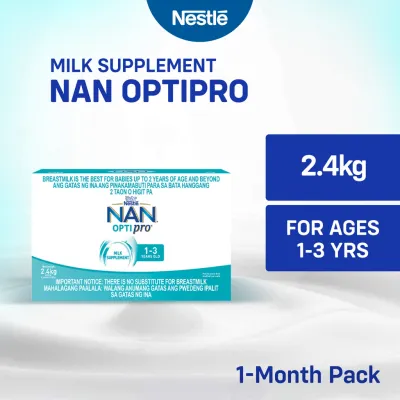

Prices are valid at publication and may change. Please refer to the product page for the latest price.
Before selecting or changing any toddler formula, caregivers should consult a pediatrician or a registered dietitian. This is especially crucial for children who exhibit restricted diets, growth concerns, or signs of food sensitivities. A healthcare professional can help identify whether your child actually requires a fortified formula or if their nutritional needs can be met through standard dietary adjustments and whole cow’s milk. They can also provide personalized guidance on the appropriate daily intake volume for your child’s specific weight and developmental stage.
Comparing Nido, NAN, and Enfagrow: What to Check on the Label
To make an objective comparison between Nido, NAN, and Enfagrow, parents must look directly at the product packaging. Evaluating these formulas involves analyzing three main dimensions: their specific ingredient profiles, their daily usability, and their long-term budget impact. Because manufacturers frequently update their recipes, packaging, and sourcing, verifying the label at the exact time of purchase is the only way to ensure you have accurate information.

Nutritional Highlights and Ingredient Lists
When holding a tin of Nido, NAN, or Enfagrow, the first step is to locate the nutrition information panel. This table lists the exact amounts of vitamins, minerals, and macronutrients per serving or per 100 grams of powder. To compare them accurately, look at the values per serving and check how much they contribute to the daily recommended energy and nutrient intake for toddlers. Pay close attention to the levels of iron, zinc, vitamin C, and DHA, as these are often the key nutrients highlighted by manufacturers for this age group.
Next, examine the ingredient list, which is organized in descending order by weight. One of the most important factors to check is the source of carbohydrates and the presence of added sugars. Look for terms like sucrose, corn syrup solids, maltodextrin, or glucose syrup. While lactose is the naturally occurring sugar in cow’s milk, some toddler formulas add sucrose or other sweeteners to enhance flavor. If you prefer to limit added sugars in your child’s diet to protect their dental health and establish a preference for less sweet foods, prioritize formulas where lactose is the primary carbohydrate.
Finally, check the label for specific dietary certifications, allergen warnings, and source ingredients. Toddler formulas commonly contain allergens such as milk, soy, and fish oil (often used as the source of DHA). If your child has a known allergy or sensitivity, you must verify these allergen statements on the physical packaging of each specific batch. Additionally, look for quality control seals or manufacturing details that indicate where the product was packaged and whether it meets local regulatory standards.
Taste, Texture, and Daily Preparation
In the warm and humid climate of the Philippines, the physical properties of formula powder can significantly affect daily preparation. High humidity can cause opened tins of formula to absorb moisture, leading to clumping and spoilage if the container is not sealed tightly after every use. When comparing brands, observe how easily the powder dissolves in water. Some formulations mix smoothly in room-temperature water, while others may require lukewarm water to prevent clumping and ensure a consistent texture.
Always read and follow the manufacturer’s precise preparation instructions, including the exact water temperature and the scoop-to-water ratio. Using water that is too hot can degrade heat-sensitive nutrients and beneficial bacteria, such as probiotics, if they are present in the formula. Conversely, using incorrect powder-to-water ratios can lead to digestive issues, dehydration, or inadequate nutrient intake. Caregivers must supervise the preparation process closely to ensure consistency across every feed.
Taste and flavor variations also play a major role in whether a toddler will accept a new formula. Some brands offer distinct flavor profiles, such as plain, vanilla, or honey. Picky eaters may have strong preferences and might reject a formula simply because of its taste or mouthfeel. It is important to observe your toddler’s initial reaction to a new brand. Be prepared to adjust your choice based on their acceptance, as even the most nutritionally complete formula is only effective if your child is willing to drink it.
Calculating Cost per Serving for Your Budget
Comparing the upfront shelf price of different tins can be misleading, as packaging sizes and scoop weights vary widely among Nido, NAN, and Enfagrow. To find the true financial impact on your household, you must calculate the cost per serving. Start by identifying the net weight of the tin (for example, 800 grams or 1.2 kilograms) and the recommended scoop size in grams, which is typically found in the preparation instructions.
To calculate the number of servings per tin, use the following formula:
$$\text{Total Servings per Tin} = \frac{ ext{Net Weight of Tin (g)}}{\text{Scoop Weight (g)} \times \text{Number of Scoops per Serving}}$$
Once you have the total number of servings, divide the retail price of the tin in Philippine Pesos (₱) by the total servings to find the cost per single serving. Comparing this cost per serving across different brands and tin sizes will give you a highly accurate picture of which option offers the best value for your money.
To estimate your monthly budget, multiply the cost per serving by the number of servings your toddler consumes daily, and then multiply that number by 30. Because toddler formula is a recurring expense over several years, a small difference in the cost per serving can add up to thousands of pesos in savings over time. This calculation allows you to balance nutritional benefits against your family’s monthly grocery budget.
Decision Framework: Which Profile Fits Your Toddler Best?
To simplify your decision, you can categorize the typical product profiles of Nido, NAN, and Enfagrow into distinct paths based on your toddler’s specific needs and your household priorities:
- Choose a Nido-style profile if: Your primary goal is to find a highly accessible, cost-effective daily milk supplement that offers a familiar taste profile. This option is well-suited for toddlers who already eat a diverse solid-food diet and simply need a reliable, budget-friendly source of basic micronutrient fortification, such as iron, zinc, and vitamins A, C, and D, without a high cost per serving.
- Choose a NAN-style profile if: Your toddler has a delicate digestive system that benefits from specific protein blends, prebiotics, or probiotics, and you prefer a formulation that avoids added sucrose. This profile is ideal for parents who prioritize digestive comfort and want to encourage a preference for plain, unsweetened milk flavors, even if it comes at a moderate to premium price point.
- Choose an Enfagrow-style profile if: Your priority is a formula that explicitly highlights higher levels of specific developmental nutrients, such as DHA and beta-glucan, on its label. This path is suitable for parents who are comfortable with a more premium price per serving to target these specific nutritional additions, particularly for toddlers who may not regularly consume DHA-rich foods like fish.
- Verify first if: Your child has a history of severe digestive sensitivities, food allergies, or suspected milk protein intolerance. In these situations, standard toddler formulas from any of these brands may not be safe. You must pause, consult your pediatrician, and verify specialized or hypoallergenic options rather than purchasing standard over-the-counter formulas.
Transitioning Safely and Monitoring Tolerance
When introducing a new toddler formula, a gradual transition is essential to minimize the risk of digestive upset. A sudden switch can overwhelm a toddler’s developing gastrointestinal tract, leading to temporary constipation, gas, or loose stools. To transition safely, gradually mix the new formula powder with the old formula or breastmilk over a period of several days.
For example, a typical transition schedule might look like this:
- Days 1 to 2: Prepare a serving using 75% of the current formula and 25% of the new formula.
- Days 3 to 4: Prepare a serving using 50% of the current formula and 50% of the new formula.
- Days 5 to 6: Prepare a serving using 25% of the current formula and 75% of the new formula.
- Day 7 onwards: Transition to 100% of the new formula.
Note: If the two formulas require different scoop-to-water ratios, prepare them in separate containers first according to their respective manufacturer instructions, and then combine the prepared liquids in the transition proportions.
During and after the transition, closely monitor your toddler for signs of good tolerance. Positive indicators include regular, soft bowel movements, consistent energy levels, normal sleep patterns, and a general willingness to consume the formula. It is normal for minor changes in stool color or consistency to occur during the first week, but these should stabilize quickly as your child’s digestive system adapts.
However, caregivers must be vigilant for red flags that indicate poor tolerance or an adverse reaction. Stop using the new formula immediately and consult a healthcare professional if you observe persistent vomiting, severe diarrhea, blood or mucus in the stool, skin rashes, hives, swelling, or extreme, inconsolable fussiness after feeding. These symptoms could indicate an underlying allergy or intolerance that requires medical evaluation and a specialized dietary plan.
Frequently Asked Questions (FAQ)
Can I mix different brands of toddler formula in the same bottle?
Manufacturers generally recommend against mixing different brands or formulations of toddler formula powder in a single serving. Each brand is formulated with a precise, scientifically balanced ratio of nutrients, water, and powder. Mixing different powders can alter the intended concentration and nutrient balance, which may strain your toddler’s kidneys or digestive system. If you are transitioning your child from one brand to another, the safest approach is to prepare each formula separately in its own bottle according to the packaging instructions, and then combine the prepared liquids, or transition sequentially by replacing one full feed at a time.
Is toddler formula necessary if my 1 to 3 year old eats solid foods well?
If your 1 to 3 year old is growing well and consistently eats a diverse, balanced diet of solid foods—including fruits, vegetables, proteins, grains, and healthy fats—toddler formula is generally not strictly necessary. Under the guidance of a pediatrician, a healthy toddler who eats well can typically transition to whole cow’s milk as their primary beverage. However, for toddlers who are picky eaters, going through growth spurts, recovering from illness, or exhibiting specific nutrient gaps, toddler formula can serve as a practical and reliable safety net. Parents should assess their child’s actual daily dietary intake and consult their pediatrician to decide if the recurring cost of formula is necessary for their household.

Community discussion
Share your experience or ask a question. Comments are reviewed before publication.