
Selecting the right powdered milk for your child is one of the most frequent decisions you will face as a parent. In the Philippines, supermarket shelves are lined with prominent options like Nido, NAN, and Enfagrow, each presenting a variety of formulations tailored to different stages of childhood. Because a child’s nutritional requirements change rapidly from infancy through the toddler years and into preschool, choosing between these brands requires a clear understanding of their age-specific lineups, nutritional profiles, and practical preparation needs.
Rather than relying on general popularity, the most reliable way to choose a powdered milk is to match the specific product’s label with your child’s current developmental stage and dietary requirements. Every brand designs its products with distinct age brackets and nutritional goals in mind. By learning how to read these labels, evaluate ingredients, and calculate daily costs, you can make an informed decision that supports your child’s growth while fitting your family’s daily routine and budget.
Comparing Age Suitability and Product Lineups
When navigating the product lines of Nido, NAN, and Enfagrow, the first and most critical step is to verify the age grading printed on the front of the packaging. Manufacturers design these formulas to match the digestive capabilities and nutritional needs of specific age groups. These stages are typically indicated by numbers or clear age ranges, such as 0 to 6 months, 6 to 12 months, 1 to 3 years, and 3 years and beyond.
Products mentioned in this guide
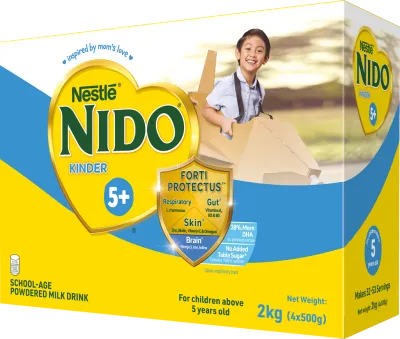
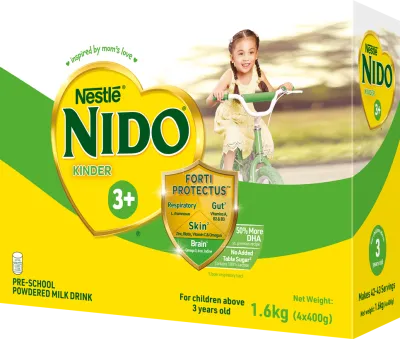

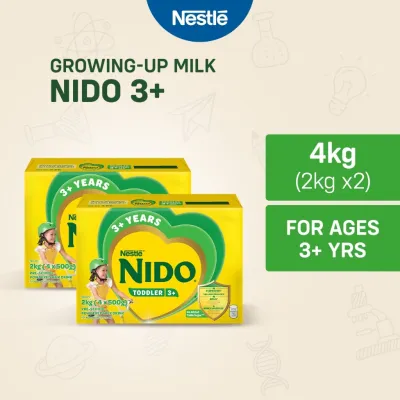
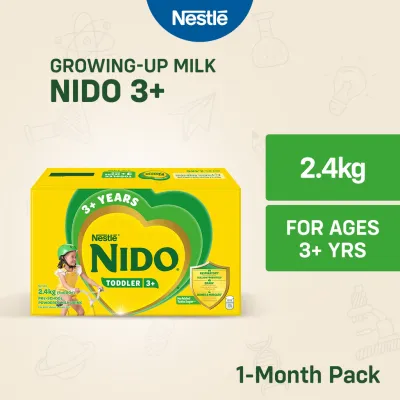
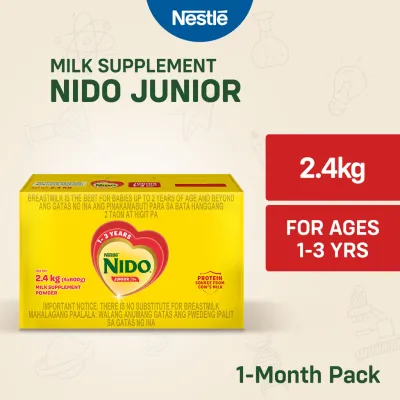
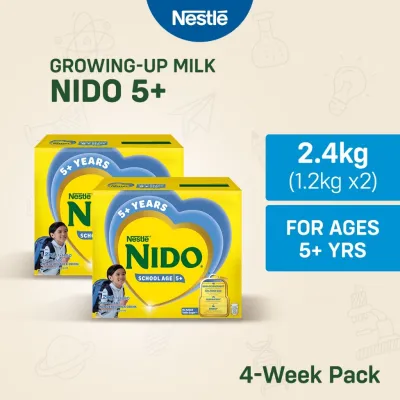
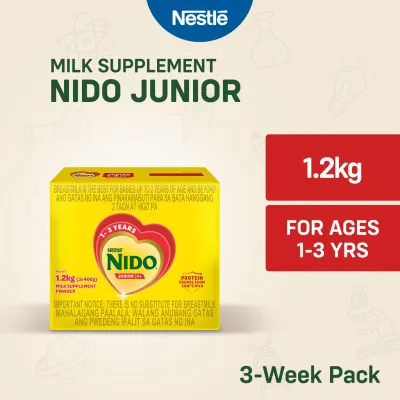
Prices are valid at publication and may change. Please refer to the product page for the latest price.
It is vital to understand that powdered milk formulated for toddlers and older children is not a safe substitute for infant formula. Infant formulas (typically designated for ages 0 to 12 months) are highly regulated and specifically processed to be easily digestible while providing complete nutrition for a baby who is not yet consuming solid foods. Toddler milks and growing-up milks, on the other hand, contain different protein structures and mineral concentrations that an infant’s developing kidneys and digestive system cannot safely process. Always check the packaging to ensure the product is explicitly rated for your child’s exact age.
As children transition to solid foods during the weaning stage, their reliance on milk shifts from being their sole source of nutrition to acting as a dietary supplement. Manufacturers design stage-specific transition milks to bridge these gaps. For example, products formulated for toddlers aged 1 to 3 years focus on supporting active physical play and cognitive development alongside a varied diet of solid foods. When planning a transition from one stage to the next, consult the manufacturer’s recommended age guidelines on the packaging to ensure your child receives the appropriate balance of nutrients for their growing body.
Evaluating Nutritional Focus and Key Ingredients
Every powdered milk brand highlights specific developmental benefits on its packaging, such as brain development, immunity support, or digestive health. To look past marketing terms, parents should turn the package over and examine the Nutrition Information panel and the ingredient list. This allows you to compare the actual levels of vitamins, minerals, and specialized ingredients present in each serving.

For cognitive development, look for ingredients such as Docosahexaenoic Acid (DHA), Arachidonic Acid (ARA), iron, and iodine. If your focus is on digestive comfort and immune support, check the label for prebiotics (such as FOS and GOS) or active probiotic cultures, which help maintain a healthy gut flora. For physical growth and bone strength, compare the levels of calcium, vitamin D, phosphorus, and protein. Different variants within the Nido, NAN, and Enfagrow lineups prioritize these components differently, so matching the ingredient profile to your child’s observable growth needs is key.
While comparing these nutritional values is helpful, a child’s digestive system can be highly sensitive to changes in milk formulations. If your child has a known or suspected food allergy, lactose intolerance, or a sensitive stomach, switching brands without professional guidance can lead to digestive distress or nutritional deficiencies. Always consult your pediatrician before introducing a new brand or transitioning to a different stage, especially if your child requires a specialized, hypoallergenic, or lactose-free formulation.
Taste, Mixability, and Daily Preparation
Beyond nutrition, the practical aspects of daily preparation and your child’s willingness to drink the milk play a significant role in your decision. Powdered milks vary in their physical characteristics, including how easily they dissolve in water. Some powders dissolve quickly in room-temperature water, while others require lukewarm water to prevent clumping. Refer to the manufacturer’s specific preparation instructions on the back of the pack to determine the ideal water temperature and mixing method.
In the humid, tropical climate of the Philippines, proper storage and preparation are especially important. High humidity can cause opened milk powder to absorb moisture quickly, leading to clumping, spoilage, or a altered taste. To maintain freshness, keep the powder in its original tightly sealed tin or transfer foil refill packs into clean, airtight containers stored in a cool, dry place. Because children have unique taste preferences, some may reject a new brand due to subtle differences in sweetness, creaminess, or aroma. To avoid waste, it is highly recommended to purchase the smallest available pack size or sachet when introducing a new brand or variant for the first time.
Regardless of the brand you choose, you must strictly follow the exact water-to-powder ratio specified on the packaging. Using too much powder can strain your child’s kidneys and cause dehydration or constipation, while using too little powder dilutes the nutrients, potentially leading to undernourishment over time. Always use the scoop provided inside that specific pack, as scoop sizes vary between brands and even between different stages of the same brand.
Price, Packaging, and Availability in the Philippines
Managing the household budget requires looking at the long-term cost of powdered milk, which is a recurring daily expense. In the local market, Nido, NAN, and Enfagrow are sold in several packaging formats, including tin cans, cardboard boxes with inner foil pouches (refill packs), and single-use sachets. Tin cans offer the best protection against moisture and pests but generally carry a higher price point, whereas refill pouches and sachets are often more economical.
To determine the true cost of each option, do not rely solely on the retail price of the package. Instead, calculate the cost per serving using the following steps:
- Check the nutrition label to find the recommended serving size in grams (or the number of scoops per serving).
- Divide the total net weight of the package (in grams) by the serving size to find the total number of servings per pack.
- Divide the retail price of the package by the total number of servings to find the cost per serving.
Using this simple calculation allows you to make an objective financial comparison across different brands and packaging sizes.
When purchasing powdered milk, always buy from authorized supermarkets, pharmacies, or official online flagship stores on established ecommerce platforms. This ensures that the product is authentic, has been stored under temperature-controlled conditions, and is well within its expiration date. Avoid buying from unverified online sellers, as improperly stored or counterfeit milk powder poses severe health risks to your child. Because retail prices and promotional discounts fluctuate, verify current prices and check expiration dates before purchasing in bulk.
Decision Framework: How to Make Your Final Choice
To make your final decision among Nido, NAN, and Enfagrow, use a structured approach that balances your child’s age, nutritional needs, and your household budget.
- Consider Nido if your child has reached the appropriate toddler or preschool age, and you are looking for an accessible, widely available growing-up milk that fits a standard family budget. Ensure the specific Nido variant's age label matches your child's stage.
- Consider NAN if you are looking for options that offer specific protein profiles or specialized formulations, and the product's age grading and nutritional focus align with your pediatrician's recommendations for your child's digestive development.
- Consider Enfagrow if your primary developmental focus is on supporting cognitive growth and dietary enrichment through specific levels of DHA and other micronutrients, and the product's price per serving fits comfortably within your long-term household budget.
Before finalizing your choice, verify whether your child has any underlying medical conditions, such as cow’s milk protein allergy or lactose intolerance. Specialized dietary needs require specific therapeutic formulas prescribed by a healthcare professional, rather than standard commercial growing-up milks. Always prioritize your pediatrician’s advice to ensure the chosen milk safely supports your child’s unique health profile.
Frequently Asked Questions (FAQ)
Can I mix two different brands of powdered milk in one bottle?
No, you should not mix two different brands or variants of powdered milk in a single bottle. Each brand is formulated with a precise balance of nutrients, proteins, and minerals, and has its own specific water-to-powder preparation ratio. Mixing them can alter the concentration of the feed, making it too dense or too diluted. This can strain your child’s digestive system and kidneys, or prevent them from absorbing the nutrients properly. If you are transitioning from one brand to another, do so by gradually replacing entire feed sessions over several days rather than mixing the powders together.
How do I know if my child is allergic to a specific milk brand?
An allergic reaction or food intolerance typically manifests shortly after feeding or within a few days of introducing a new milk brand. Watch for observable signs such as skin rashes, hives, swelling around the face or mouth, unusual fussiness, excessive spitting up, vomiting, severe gas, or changes in stool consistency (such as chronic diarrhea or blood in the stool). If you observe any of these symptoms, stop using the milk immediately and consult your pediatrician. For severe symptoms, such as difficulty breathing or extreme lethargy, seek emergency medical care right away.

Community discussion
Share your experience or ask a question. Comments are reviewed before publication.