
At ten years old, your child is entering a crucial transition phase leading into adolescence. This period is often marked by rapid physical growth, increased academic demands, and highly active daily schedules. While many parents wonder if powdered milk drinks or specialized formulas are still necessary at this stage, the answer depends entirely on your child’s overall diet, growth patterns, and specific nutritional gaps. Brands like Nido, NAN, and Enfagrow offer various powdered milk options, but not all of their products are formulated for a ten-year-old. Choosing the right one requires looking past the brand name and carefully examining the age-stage labels, nutrient concentrations, and ingredient lists on each tin.
To make an informed decision, you must understand what your pre-teen’s body requires and how these commercial milk brands align with those needs. Rather than relying on generalized marketing claims, parents should learn how to evaluate product labels, compare nutritional profiles, and calculate the actual value of each option. This guide provides a practical framework to help you choose the most appropriate milk drink to support your child’s growth, development, and daily energy levels.
Understanding the Nutritional Needs of a 10-Year-Old
During the pre-teen years, children experience significant growth spurts that lay the foundation for their adult height and bone structure. Bone density accumulation is exceptionally high during this window, making Calcium and Vitamin D critical partners in your child’s daily diet. Calcium supports the structural development of bones and teeth, while Vitamin D is essential for the body to absorb that calcium efficiently. Even in tropical climates where sun exposure is common, school-age children who spend most of their day indoors in classrooms can benefit from dietary sources of Vitamin D to ensure proper absorption.
Products mentioned in this guide
Prices are valid at publication and may change. Please refer to the product page for the latest price.
In addition to bone growth, cognitive development and physical stamina require robust nutritional support. Iron, Zinc, and B-vitamins play vital roles in supporting concentration during long school hours, assisting in red blood cell formation, and converting food into daily energy. Active pre-teens who participate in sports, physical education, and extracurricular activities have higher metabolic demands, meaning their bodies require a steady supply of these micronutrients to prevent fatigue and support immune function.
However, it is crucial to position milk as a dietary supplement to a balanced diet rather than a meal replacement. By the age of ten, a child should ideally obtain the vast majority of their daily calories, macronutrients, and fiber from a diverse selection of whole foods, including lean proteins, whole grains, fruits, and vegetables. Powdered milk drinks should only serve as a convenient, fortified option to fill in occasional nutritional gaps, especially for picky eaters or during busy mornings when a full, nutrient-dense breakfast is difficult to prepare.
Comparing Nido, NAN, and Enfagrow for Older Kids
When comparing Nido, NAN, and Enfagrow, the first step is to recognize that each brand targets different developmental priorities and age brackets. Nido is a household staple widely recognized for its school-age formulations. When evaluating Nido, you must look past the toddler variants and search for specific products formulated for school-age children, often labeled for kids aged five and above or up to twelve years. These variants are typically fortified with iron, zinc, and vitamin C to support immunity and daily school activities, offering a familiar, creamy taste profile that appeals to older children.

NAN is generally positioned around advanced protein quality and digestive comfort. While the brand is highly prominent in early childhood nutrition, parents looking at NAN for a ten-year-old must carefully inspect the product line to see if there is an age-appropriate variant available in their local market. If available, these variants often feature optimized protein blends and specific probiotics designed to support a healthy gut barrier, which is essential for proper nutrient absorption and overall digestive comfort in active, growing pre-teens.
Enfagrow is widely known for its emphasis on brain-support nutrients, particularly DHA, prebiotics, and beta-glucan. However, the majority of Enfagrow products found on supermarket shelves are strictly formulated for toddlers, specifically stages three and four. If you are considering Enfagrow for a ten-year-old, you must verify if the specific variant is certified and labeled for school-age children, as toddler formulas will not provide the correct nutrient ratios and may contain caloric densities unsuitable for an older child’s daily diet.
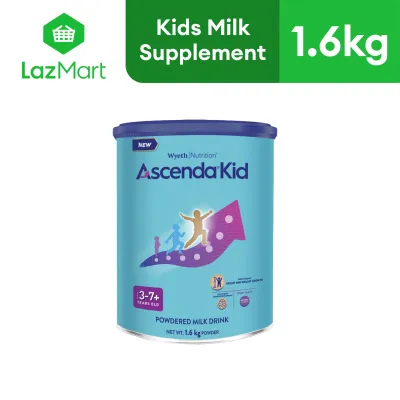
If you find that the standard variants of Nido, NAN, or Enfagrow in your local market do not explicitly cover the ten-year-old age bracket, you may need to evaluate specialized alternatives. Products like Ascenda Kid are specifically formulated to support catch-up growth in children up to ten years or older who may be experiencing nutritional gaps or growth delays. When considering specialized nutritional supplements, always check the age recommendations on the packaging and consult a pediatrician to ensure the product aligns with your child’s specific growth trajectory.
Key Decision Factors: What to Check on the Label
To choose the best option for your child, you must become an active reader of nutrition labels rather than relying on brand reputation. The first and most critical factor to check is age appropriateness. Giving a ten-year-old a formula designed for toddlers can lead to nutritional imbalances, as toddler milks are formulated for a completely different rate of growth, physical activity level, and digestive capacity. Ensure the packaging explicitly states suitability for school-age children or pre-teens.
Another vital aspect to evaluate is the sugar content of the milk powder. Many commercial milk drinks contain added sugars, such as sucrose, corn syrup solids, glucose syrup, or maltodextrin, to enhance flavor and appeal to children. Regularly consuming drinks with high levels of added sugar can contribute to excessive caloric intake and dental decay. Carefully read the ingredient list, which lists components in descending order of weight, and check the nutrition facts table for the exact grams of sugar per serving to select a variant with minimal added sugars.
Parents must also verify potential allergens and dietary restrictions before introducing a new milk drink. If your child has a known sensitivity to lactose or milk proteins, look for specific warnings or alternative formulations on the label. While some older children can tolerate standard cow’s milk, others may experience mild digestive discomfort, bloating, or gas, making it essential to monitor their reaction and check the label for easy-to-digest protein claims or lactose-free alternatives.
Finally, compare the preparation instructions and serving sizes across different brands. Look at the recommended number of scoops and the volume of water required to prepare a single glass of milk. Understanding the serving size not only ensures you prepare the drink safely and accurately according to manufacturer guidelines but also allows you to determine how many servings a single tin or pouch will actually yield, which is crucial for budgeting.
Value and Budget Considerations
Evaluating the cost-effectiveness of powdered milk requires looking beyond the retail price of the container. To find the true value, calculate the cost per serving by dividing the total net weight of the package by the weight of a single serving as specified on the nutrition label. Once you know how many servings a single container provides, divide the retail price of the container by the total number of servings. This calculation reveals the actual cost per glass, allowing you to make an accurate financial comparison between brands.
Packaging formats also play a significant role in both value and product preservation. Powdered milk is commonly sold in bulk tins, cardboard boxes with inner foil pouches, or single-serve sachets. In humid tropical climates, bulk tins with secure, airtight plastic lids are highly practical because they protect the powder from moisture, clumping, and pests once opened. While single-serve sachets may have a higher cost per gram, they offer excellent portion control and convenience for school lunches or travel, and they prevent the powder from spoiling due to prolonged exposure to humidity.
To manage your household budget effectively, check local supermarkets, official brand stores, or authorized online marketplaces for current ₱ pricing, promotional discounts, and bundle deals. Buying larger packaging formats or multi-packs often reduces the cost per serving, but you should only purchase bulk quantities once you are certain your child tolerates the taste and formulation of the specific milk. Keep in mind that stock availability can fluctuate, so choosing a brand that is consistently available in your local area prevents sudden disruptions in your child’s dietary routine.
How to Choose the Right Brand for Your Child
Selecting the right milk drink ultimately depends on your child’s unique physical profile, dietary habits, and taste preferences. If your child is an active school-age student who enjoys a classic, creamy taste and needs a reliable, widely available source of calcium and essential vitamins to complement their daily meals, a school-age Nido variant is often a highly practical and budget-friendly choice. It serves as an accessible daily option to support general growth and immunity during active school days.
If your child has a sensitive digestive system or occasionally experiences mild stomach discomfort after drinking milk, a NAN variant emphasizing digestive comfort and optimized protein blends may be more suitable. Ensure that the specific variant you select is explicitly labeled for older children, and monitor how well your child digests the prepared drink over a trial period of a few weeks.
If your primary focus is on supporting cognitive development and you want a milk drink fortified with DHA and prebiotics, an Enfagrow variant may be appropriate, provided you can find a product in their line that is certified and labeled for the ten-year-old age group. Always verify the age-stage label on the tin before purchasing to ensure the nutrient ratios are designed for a pre-teen rather than a toddler.
Before making a final decision, observe your child’s overall health and consult a pediatrician if you have specific concerns about their growth, weight, or potential food intolerances. A healthcare professional can provide personalized dietary advice and recommend specialized medical formulas if your child requires targeted nutritional support that standard commercial brands cannot provide.
Frequently Asked Questions (FAQ)
Is it necessary for a 10-year-old to drink formula milk?
No, it is not strictly necessary for a ten-year-old child to drink formula or specialized powdered milk if they are already consuming a well-balanced, diverse diet. A child who regularly eats a variety of whole foods—including dairy products like cheese and yogurt, leafy green vegetables, tofu, and fortified foods—can easily meet their daily requirements for calcium, vitamin D, and other essential nutrients without the need for powdered supplements.
However, powdered milk drinks can be highly beneficial as a convenient dietary supplement for picky eaters, children with busy schedules, or those experiencing growth gaps. If you find it challenging to ensure your child gets enough nutrients from solid foods alone, a fortified milk drink can provide peace of mind by filling in those nutritional gaps. Always consult a pediatrician to assess your child’s specific dietary needs before deciding if a supplement is necessary.
Can I give a toddler formula to a 10-year-old?
No, you should not give toddler formula to a ten-year-old child. Toddler formulas are specifically designed to meet the nutritional, metabolic, and digestive needs of children aged one to three years. They contain different caloric densities, fat ratios, and vitamin concentrations that are tailored for early childhood development rather than the rapid growth spurts of a pre-teen.
Feeding toddler formula to an older child can result in an inappropriate balance of nutrients, potentially providing excessive fats and sugars while failing to deliver the higher amounts of calcium, iron, and vitamin D that a ten-year-old requires. Always choose a product that is explicitly labeled for your child’s specific age bracket to ensure they receive safe and effective nutritional support.

Community discussion
Share your experience or ask a question. Comments are reviewed before publication.