
Selecting the right milk formula for your toddler between the ages of 1 and 3 is a highly individualized decision. With popular options like Nido, NAN, and Enfagrow lining the shelves, it is easy to feel overwhelmed by the varying nutritional claims, ingredient lists, and price points. There is no single “best” formula for every child; instead, the ideal choice depends on your toddler’s unique digestive tolerance, dietary gaps, and your family’s budget. By learning how to analyze product labels and understand your child’s developmental needs, you can make an informed decision that supports their growth during this critical transition phase.
Understanding Toddler Milk Needs at 1 to 3 Years Old
The transition from infancy to toddlerhood brings a massive shift in how your child receives nutrition. By the time a child reaches 12 months of age, solid foods should gradually become their primary source of energy and nutrients. Toddler milk, often referred to as stage 3 formula, is designed to act as a nutritional safety net rather than a complete meal replacement. It helps bridge the gap between what your toddler actually eats and what their growing body requires.
During this rapid stage of physical and cognitive development, toddlers have high demands for specific micronutrients. Iron is crucial for brain development and preventing anemia, while calcium and vitamin D support bone and teeth mineralization. Additionally, essential fatty acids like DHA are highly sought after for continued cognitive and visual development. When evaluating any toddler milk, these are the core nutrients you should look for on the nutrition facts panel.
Products mentioned in this guide
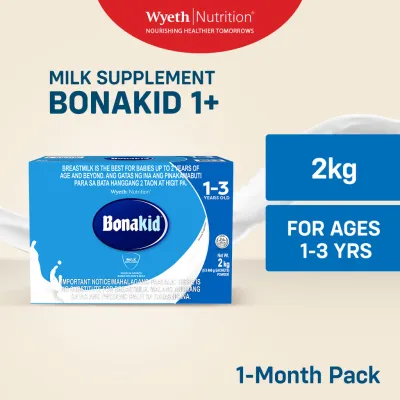
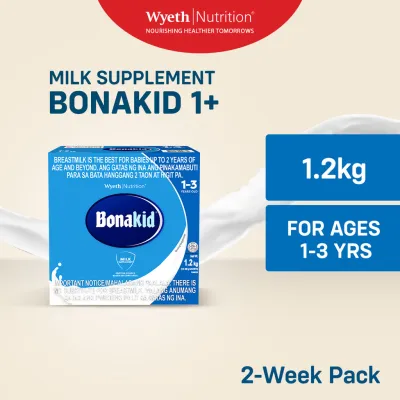
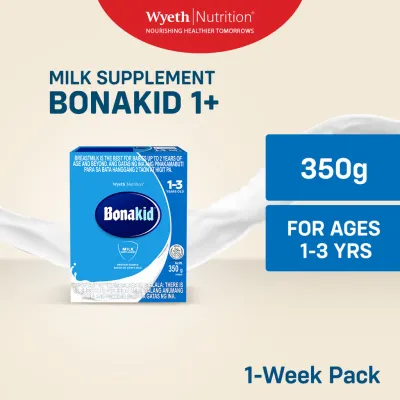
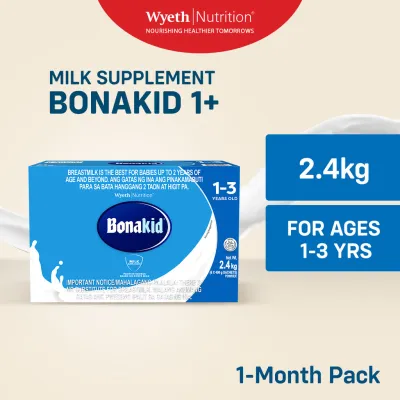
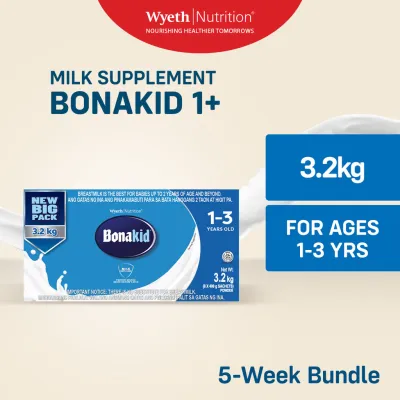
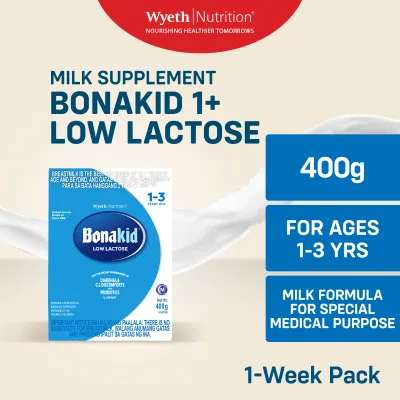
Prices are valid at publication and may change. Please refer to the product page for the latest price.
Before switching your child to a new milk brand or transitioning them from breastmilk or infant formula, it is highly recommended to consult a pediatrician. A healthcare professional can assess your child’s growth chart, identify any specific nutritional deficiencies, and provide personalized guidance on whether a fortified toddler milk is necessary for their diet.
Comparing Nido, NAN, and Enfagrow: What to Check on the Label
When standing in the milk aisle, the easiest way to compare Nido, NAN, and Enfagrow is to look past the front-of-pack marketing and examine the ingredient list and nutrition facts table. Each of these brands targets slightly different developmental priorities, which is reflected in their formulations.

Nido is widely recognized for its focus on everyday fortification and immune support. When checking a Nido label for the 1 to 3 age bracket, you will typically find standard fortification levels of iron, zinc, and vitamins A, C, and D. Many variants also include prebiotics to support gut health. It is designed as a robust, family-friendly option that aims to cover the basic nutritional gaps of active toddlers.
NAN formulations generally place a strong emphasis on digestive comfort and protein quality. When reviewing NAN toddler variants, look closely at the protein source. These products often feature optimized protein blends or partially hydrolyzed whey proteins, which are broken down into smaller pieces to make them easier for a toddler’s developing digestive system to process. The ingredient list may also feature specific active probiotic cultures aimed at maintaining a healthy gut flora.
Enfagrow is heavily marketed around cognitive development and brain-support nutrient blends. On an Enfagrow label, you should examine the levels of DHA and other specialized lipids, such as Milk Fat Globule Membrane (MFGM). However, parents should also pay close attention to the carbohydrate section of the nutrition facts panel. Some variants may contain added sugars, such as sucrose or corn syrup solids, to enhance flavor, which can affect the overall caloric density and sweetness of the milk.
To make an accurate comparison, do not just look at the nutrient amounts per 100 grams. Instead, compare the serving sizes and preparation instructions. Check how many grams of powder are required per serving and how many servings a single tin provides. This allows you to evaluate the actual nutrient intake per cup and determine which product offers the best nutritional value for your money.
Key Decision Factors for Your Toddler's Milk
Choosing between these brands requires balancing your child’s physical tolerance with practical household factors. The first and most critical factor is digestive tolerance. Every toddler’s digestive system reacts differently to different protein structures and lactose levels. If a brand causes your child to experience frequent gas, bloating, constipation, or loose stools, it is a clear sign that the specific formulation may not be a good match for their system.
Taste and acceptance also play a major role in a successful transition. Toddlers are notorious for developing strong flavor preferences. Some formulas have a richer, sweeter taste due to added sugars, while others have a more neutral, milk-like flavor. If you are transitioning from breastmilk, your toddler may initially reject highly sweetened formulas, or conversely, they may refuse a less-sweet option if they have already developed a preference for sweeter foods.
Your child’s daily solid food intake should dictate the level of fortification they need. If your toddler is an adventurous eater who consumes a wide variety of meats, vegetables, and grains, they may only need a basic milk to supplement their diet. However, if you have a picky eater who struggles to consume iron-rich foods or dairy, you may want to prioritize a formula with higher levels of iron and calcium to prevent dietary gaps.
Finally, budget and availability are essential practical considerations for families in the Philippines. Premium formulations like NAN and Enfagrow generally sit at a higher price point per tin, which can significantly impact your monthly household expenses. Standard fortified options like Nido, or even other local entry-level options like Bona 1 to 3 years old, offer a more budget-friendly cost per serving. You should calculate your estimated monthly expenditure in ₱ and check the consistent availability of your chosen brand at local supermarkets or official online flagship stores to avoid sudden supply disruptions.
How to Decide: Nido, NAN, or Enfagrow?
To simplify your decision-making process, you can use a conditional framework based on your toddler’s specific needs and your family’s priorities. No single brand is universally superior, but certain options align better with specific situations.
You may want to choose Nido if you are looking for a highly accessible, budget-friendly, and standard fortified milk. It is an excellent choice for toddlers who eat a relatively balanced solid diet but still need a reliable source of calcium, iron, and daily vitamins to support their active lifestyle.
You may want to choose NAN if your toddler has a sensitive stomach or has previously struggled with digestive issues like mild constipation or gassiness. The focus on optimized, easy-to-digest proteins and probiotics makes it suitable for children who require gentler digestive support, provided your budget accommodates its premium pricing.
You may want to choose Enfagrow if your primary focus is on maximizing dietary DHA and specialized nutrient blends associated with cognitive development. This option is ideal for parents who want to prioritize these specific ingredients and are comfortable with the typical premium price point of the brand.
If you are looking for a highly accessible, entry-level option that focuses on basic growth nutrients, you might also consider checking labels for brands like Bona 1 to 3 years old. Regardless of which brand you lean toward, always verify the age and development stage on the packaging. If your child has known food allergies, lactose intolerance, or any underlying medical conditions, you must consult a pediatrician before introducing any new milk brand.
Safe Preparation and Transitioning Tips
Once you have selected a toddler milk, proper preparation and a gradual transition are key to preventing digestive upset and ensuring safety. Always read the specific product label for the exact water-to-powder ratio. Using too much powder can strain your toddler’s kidneys and cause dehydration, while using too little can lead to nutritional dilution.
In the warm and humid tropical climate of the Philippines, food safety requires extra vigilance. Always use boiled water that has been cooled to the temperature recommended on the packaging. High humidity can cause opened milk powder to clump and spoil quickly. To prevent bacterial growth, store the tin in a cool, dry pantry—never in the refrigerator, as the temperature change when opening the tin can introduce moisture and mold. Ensure the lid is tightly sealed after every use.
When introducing the new milk, a gradual transition is much easier on your toddler’s digestive system than an abrupt switch. Start by mixing a small amount of the new milk powder with their current milk, gradually increasing the proportion of the new brand over a week or two. Alternatively, you can replace one feed a day with the new milk, slowly phasing out the old one as your child adjusts.
During the transition, closely monitor your child for any adverse reactions. Stop using the new milk immediately and consult a healthcare professional if you observe signs of an allergic reaction or severe intolerance. These signs include persistent vomiting, chronic diarrhea, skin rashes or hives, excessive gassiness, or unusual fussiness after feeding.
Frequently Asked Questions (FAQ)
Can I mix Nido, NAN, and Enfagrow in the same bottle?
It is not recommended to mix different brands of milk powder in the same bottle. Each brand is formulated with a specific balance of nutrients, proteins, and minerals designed to be dissolved in a precise volume of water. Mixing different powders can alter the concentration of the feed, potentially overloading your toddler’s digestive system or kidneys, and making it difficult to identify which brand is causing an issue if your child experiences an adverse reaction.
Is toddler milk necessary if my 1 to 3 year old eats solid foods well?
If your toddler is growing well and eats a highly diverse, balanced diet that includes plenty of iron-rich foods, fruits, vegetables, and dairy, toddler milk may not be strictly necessary. In such cases, pasteurized whole cow’s milk or water may be sufficient, as advised by your pediatrician. However, for picky eaters or during phases of poor appetite, toddler milk serves as a convenient and reliable way to ensure they receive essential micronutrients.
How do I know if my toddler is allergic to a specific milk brand?
An allergy to a specific milk brand, particularly cow’s milk protein allergy, typically manifests through clear physical symptoms. Watch for skin reactions like hives, eczema, or swelling around the lips and eyes, as well as digestive issues like vomiting, severe diarrhea, or blood in the stool. Respiratory symptoms like wheezing or chronic coughing can also occur. If you suspect an allergy, stop feeding the milk immediately and seek a professional medical diagnosis from a pediatrician.

Community discussion
Share your experience or ask a question. Comments are reviewed before publication.