
Selecting the ideal milk formula (3yrs+) for a three-year-old toddler in the Philippines involves balancing nutritional requirements, taste acceptance, and household expenses. There is no single formula brand that fits every child perfectly; instead, the best choice depends on your toddler’s unique digestive tolerance, dietary gaps, and your family’s budget.
To make an informed decision, you can evaluate the three leading brands based on their primary formulation focus. Nido is highly suitable if you prioritize a budget-friendly, widely accessible option designed for physical growth and bone development. NAN is an excellent candidate if your child has a sensitive stomach and requires targeted support for digestive comfort and immunity. Enfagrow is a premium option to consider if you want to focus heavily on cognitive development, DHA intake, and brain-boosting nutrients.
Keep in mind that growing-up milk formulas are designed to supplement a balanced diet rather than replace solid foods. For toddlers with diagnosed medical conditions, severe food allergies, or persistent growth concerns, always consult a pediatrician before introducing or switching to a new milk formula.
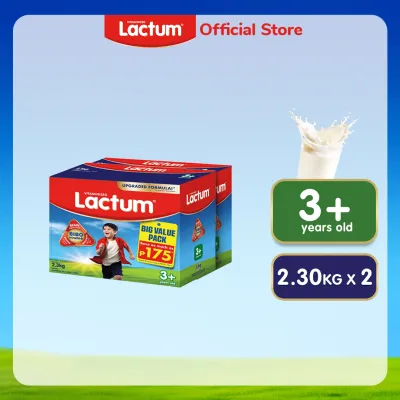
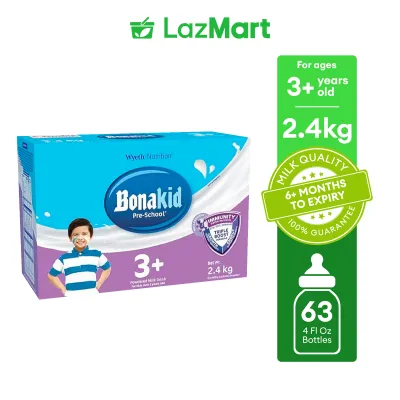
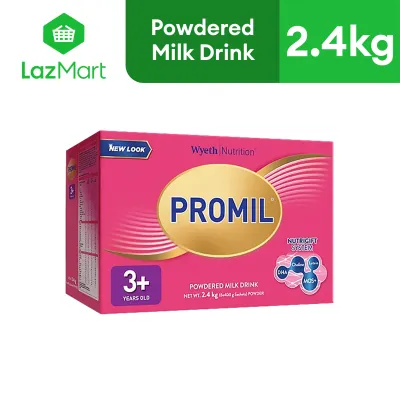
Products mentioned in this guide
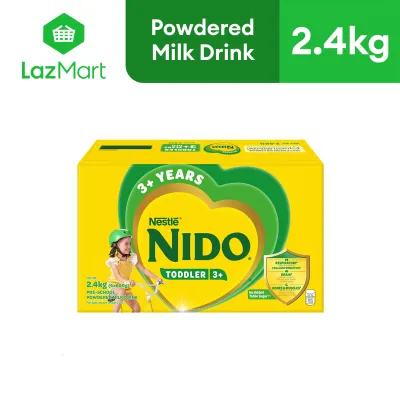
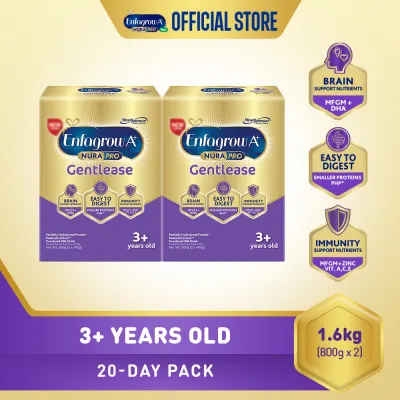
Prices are valid at publication and may change. Please refer to the product page for the latest price.
What to Look for in a Milk Formula for 3-Year-Olds
At age three, toddlers undergo a significant developmental shift. Their physical growth rate stabilizes compared to infancy, but their cognitive development, motor skills, and daily energy expenditures surge. Consequently, their nutritional requirements change, demanding a diet rich in specific micronutrients to support active play and rapid learning.
To support this active developmental stage, a toddler’s diet must provide adequate levels of calcium and vitamin D to build strong bones and teeth. Iron is another critical micronutrient, essential for preventing iron-deficiency anemia and supporting healthy brain function. High-quality protein is also necessary to supply the building blocks for muscle development and tissue repair as your child explores their environment.
While many healthy toddlers can transition to regular whole cow’s milk, fortified growing-up milks (often labeled as Stage 3 or Stage 4) serve a distinct purpose. These formulas are specifically structured to fill nutritional gaps common among picky eaters who may reject iron-rich foods, vegetables, or diverse proteins. The fortification process ensures that a standard serving delivers a reliable percentage of the daily recommended intake of essential vitamins and minerals.
When examining the nutrition facts label on a milk tin, pay close attention to the carbohydrate section. Many commercial milk powders contain added sugars, such as sucrose, corn syrup solids, or maltodextrin, to enhance flavor. Minimizing these added sugars is crucial for protecting your toddler’s developing teeth from cavities and establishing healthy dietary preferences early in life. Additionally, check for the presence of essential fatty acids like docosahexaenoic acid (DHA) and arachidonic acid (ARA), as well as the specific forms of vitamins used, which can affect how easily the child’s body absorbs them.
Nutritional Profiles: Nido vs NAN vs Enfagrow
Each of these three major brands approaches toddler nutrition with a distinct formulation philosophy. Because manufacturers update their recipes periodically to reflect the latest pediatric research, it is essential to verify the exact ingredient list and nutrient values on the physical packaging before purchasing.

Nido: Focus on Growth and Bone Health
Nido has long been established in the Philippine market as a reliable option for physical development and immune protection. Its formulation philosophy centers on providing robust, baseline nutrition that supports active, growing children who need strong physical foundations.
- Primary Nutrients: High concentrations of calcium, vitamin D, and phosphorus to support skeletal strength and dental health.
- Immune Support: Often fortified with zinc, vitamin A, and vitamin C to help maintain the body's natural defenses.
- Formulation Base: Typically utilizes a full-cream milk powder base, which provides a rich source of dietary fats necessary for energy.
- Label Check: Parents should carefully inspect the label of specific Nido variants for added sugars or flavorings, especially if they are actively managing their toddler's daily sugar intake.
NAN: Focus on Digestion and Immunity
NAN is formulated with a strong emphasis on gastrointestinal health and metabolic efficiency. Recognizing that a large portion of the immune system resides in the gut, this brand focuses on creating an easy-to-digest formula that supports a balanced intestinal microbiome.
- Digestive Actives: Formulated with active probiotic cultures, such as Lactobacillus reuteri or Bifidobacterium lactis, alongside prebiotic fibers to promote soft stools and regular bowel movements.
- Protein Quality: Often features optimized protein blends designed to be gentle on a toddler's developing digestive tract and kidneys.
- Immune Defense: Synergizes probiotics with vitamins and minerals to support the gut barrier and overall systemic immunity.
- Label Check: Verify the specific probiotic strains and colony-forming units (CFUs) listed on the packaging to ensure they align with your pediatrician's recommendations for digestive health.
Enfagrow: Focus on Brain Development and DHA
Enfagrow positions itself as a premium formulation dedicated to cognitive development and mental performance. Its nutritional design targets the rapid brain growth that occurs during the early preschool years.
- Brain-Building Nutrients: Formulated with high levels of DHA, an essential omega-3 fatty acid critical for brain and visual development, often paired with choline and sphingomyelin.
- Cognitive Support: Includes a comprehensive blend of iron, zinc, iodine, and B-vitamins, which play key roles in concentration, memory, and cognitive processing.
- Overall Fortification: Provides a broad spectrum of micronutrients designed to support children who may have gaps in their solid food intake.
- Label Check: Compare the exact milligrams of DHA per serving against local pediatric guidelines, and note that this highly specialized nutrient profile generally results in a higher retail price.
Taste, Texture, and Toddler Acceptance
The nutritional value of a milk formula matters very little if your toddler refuses to drink it. Sensory preferences—including taste, aroma, and mouthfeel—play a decisive role in whether a child will accept a new milk or reject it entirely.
Nido is widely recognized for its rich, creamy, and traditional milk flavor. It carries a naturally sweet profile that appeals easily to most children, making it a highly reliable choice for transition success. NAN, by contrast, tends to have a milder, less sweet taste and a lighter consistency. This profile is beneficial for parents who prefer not to accustom their child to highly sweetened drinks, though some toddlers accustomed to sweeter milks may require an adjustment period. Enfagrow is designed to deliver a smooth texture and often comes in distinct flavor options, such as vanilla, which are carefully balanced to mask the distinct, slightly metallic taste naturally associated with high concentrations of marine-derived DHA.
If you are transitioning your toddler from one brand to another, a gradual introduction is the most effective way to ensure acceptance and prevent digestive upset. You can follow a simple, step-by-step transition schedule over the course of a week:
- Days 1 and 2: Mix 75% of the current milk with 25% of the new milk in a single serving.
- Days 3 and 4: Prepare a 50/50 mixture of both milk powders.
- Days 5 and 6: Mix 25% of the current milk with 75% of the new milk.
- Day 7: Serve 100% of the new milk formula.
Adjusting the serving temperature can also influence acceptance. During the hot and humid months in the Philippines, some toddlers may reject warm milk but eagerly consume a cup that has been chilled in the refrigerator or prepared with cool, safe drinking water. If your child is going through a picky eating phase and rejects liquid milk entirely, you can creatively incorporate the prepared formula into daily snacks. Try mixing the milk powder into warm oatmeal, blending it with local fruits like ripe mangoes or bananas to make a nutritious smoothie, or freezing the mixture into homemade milk popsicles. Never force a child to finish a cup of milk they consistently reject, as this can create negative psychological associations with mealtime and lead to power struggles.
Price Comparison and Where to Buy Safely
When managing a household budget, evaluating the long-term cost of milk formula (3yrs+) requires looking beyond the retail price printed on the box or tin. A practical way to measure the true cost is to calculate the price per serving rather than comparing upfront package prices.
To find the cost per serving, check the net weight of the package in grams and divide it by the manufacturer’s recommended scoop weight to determine the total number of servings per container. Then, divide the retail price in Philippine Pesos (₱) by that number of servings. This calculation reveals exactly how much you are spending per glass, helping you identify which brand aligns best with your monthly financial limits.
- Nido: Typically serves as the most budget-friendly option. It is manufactured in large volumes and widely distributed, making it highly economical for daily consumption.
- NAN: Sits in the mid-to-premium price tier. The addition of specialized probiotic cultures and optimized proteins increases production costs, resulting in a moderate price point.
- Enfagrow: Positioned in the premium price bracket. The high concentration of DHA, specialized brain-support ingredients, and proprietary nutrient blends make it the most expensive option per serving.
1 Because milk powder is susceptible to spoilage from heat and humidity, safe sourcing is critical in the Philippines. Buy your child’s formula only from major supermarket chains, established physical drugstores, or official brand flagship stores on reputable e-commerce platforms. Avoid purchasing from unauthorized online resellers who offer unusually cheap prices, as these products may be counterfeit, close to their expiration dates, or stored in hot, poorly ventilated warehouses that degrade sensitive nutrients and probiotics.
When your purchase arrives or when you select a tin from a store shelf, perform a thorough quality check. Ensure the outer safety seal is completely intact and that the tin has no deep dents, punctures, or signs of rust. Verify that the expiration date is clearly legible and leaves ample time for consumption, and cross-check the batch code printed on the bottom of the container with the manufacturer’s official website if you ever suspect a product recall or authenticity issue.
Final Verdict: Matching the Formula to Your Child's Needs
Choosing between Nido, NAN, and Enfagrow ultimately comes down to identifying your toddler’s primary developmental needs and matching them to your family’s practical circumstances.
- Choose Nido if: You are looking for a highly cost-effective, widely accessible milk formula that provides solid baseline nutrition for physical growth, strong bones, and general immunity, and your child prefers a classic, rich, and creamy milk taste.
- Choose NAN if: Your toddler has a sensitive digestive system, experiences occasional gas, bloating, or irregular bowel movements, and you want to focus on gut health, easy digestion, and natural immune support through active probiotics.
- Choose Enfagrow if: You have a flexible budget and want to prioritize cognitive development, especially if your child is a picky eater who might not get sufficient omega-3 fatty acids and iron from their daily solid food intake.
Once you transition to a new brand, maintain an observation period of at least two weeks. Keep a close eye on your child’s stool consistency, energy levels, skin condition, and overall appetite. If your toddler develops persistent digestive issues, skin rashes, vomiting, or any signs of an allergic reaction, discontinue use immediately and consult your pediatrician for professional guidance.
Frequently Asked Questions (FAQ)
Can a 3-year-old drink regular cow's milk instead of growing-up formula?
Yes, healthy three-year-old children who eat a diverse, well-balanced diet of solid foods can safely transition to regular pasteurized whole cow’s milk. Growing-up formula is not mandatory for every child; rather, it serves as a practical nutritional safety net. It is highly beneficial for picky eaters, children with specific dietary gaps, or those who require supplemental levels of iron, DHA, and essential vitamins that they do not regularly consume from their daily meals. You can consult your pediatrician to evaluate your child’s specific dietary intake and determine if fortification is necessary.
How many servings of formula milk should a toddler drink daily?
Pediatric guidelines generally recommend that toddlers limit their milk consumption to approximately 2 to 3 cups (about 400 to 600 ml) per day. Restricting milk intake to this range is important because consuming excessive amounts of liquid can fill up a toddler’s small stomach, reducing their appetite for nutrient-dense solid foods and potentially increasing the risk of iron-deficiency anemia. Always refer to the specific preparation instructions and serving sizes printed on your chosen brand’s packaging.
What should I do if my child experiences digestive changes after switching brands?
Mild, temporary changes in stool consistency, color, or frequency are common when transitioning to a new milk formula due to variations in protein structures, fat sources, and probiotic content. To minimize these symptoms, always transition gradually over a period of five to seven days by mixing the old and new powders. However, if your toddler experiences severe constipation, persistent watery diarrhea, vomiting, abdominal pain, or systemic symptoms like hives and facial swelling, stop using the new formula immediately and seek medical advice from your pediatrician.

Community discussion
Share your experience or ask a question. Comments are reviewed before publication.