
Choosing the right powdered milk for your five-year-old child is not about finding a single, universally superior brand. Instead, the ideal choice depends entirely on your child’s unique dietary gaps, taste preferences, and digestive tolerance. As children reach school age, their nutritional needs shift, and powdered milk transitions from a primary source of nourishment to a supportive supplement alongside solid meals. Nido, NAN, and Enfagrow are three of the most prominent names on supermarket shelves, each offering distinct formulations designed to address different aspects of growth and development.
When comparing these options, you must evaluate several key factors, including label claims, serving sizes, and specific nutrient concentrations. Because manufacturers frequently update their formulations and regional variations exist, relying on historical reputation is not enough. You must actively verify the product labels at the time of purchase to ensure the ingredients align with your child’s current health requirements and your pediatrician’s recommendations.
Understanding Your 5-Year-Old's Nutritional Baseline
By the time your child reaches five years of age, solid foods should serve as their primary source of daily nutrition. Breakfast, lunch, dinner, and wholesome snacks provide the bulk of the vitamins, minerals, and energy required for active play and school preparation. Powdered milk at this stage functions as a dietary supplement, designed to bridge any nutritional gaps that might arise from picky eating habits or busy daily schedules.
Products mentioned in this guide
Prices are valid at publication and may change. Please refer to the product page for the latest price.
When reviewing the nutrition facts panel on any powdered milk packaging, several key nutrients deserve close attention. Calcium and vitamin D are essential for supporting bone development and dental health during these rapid growth years. Iron plays a critical role in supporting healthy blood oxygen levels, while protein provides the building blocks for muscle growth and tissue repair. Depending on your child’s daily intake of fruits, vegetables, meats, and grains, you may need a milk supplement that emphasizes specific micronutrients over others.
Before making a final selection or switching brands, consulting your child’s pediatrician is highly recommended. This is especially crucial if your child exhibits signs of food allergies, lactose intolerance, or specific growth concerns. A qualified healthcare professional can help identify specific dietary deficiencies and recommend a targeted nutritional path, ensuring that the milk you choose supports rather than complicates your child’s digestive health.
Evaluating the Contenders: Nido, NAN, and Enfagrow
Navigating the milk aisle can feel overwhelming with the array of claims regarding brain development, immunity, and physical growth. To make an informed decision, you must look past marketing slogans and focus on the concrete details printed on the packaging. Manufacturers regularly update their recipes, ingredient sources, and nutritional ratios, meaning the formula your older child drank years ago may not match the one on shelves today.

Evaluating Nido, NAN, and Enfagrow requires a systematic approach based on label reading rather than unverified performance claims. Each brand has historically carved out a specific niche in the market, targeting different aspects of childhood development. By understanding these general positionings, you can better match a brand’s specific formulation to your child’s daily routine and physical needs.
Nido: Taste, Accessibility, and General Growth
Nido is widely recognized for its focus on general growth support and its broad appeal to school-aged children. In many households, it is a staple choice due to its familiar, creamy taste profile, which often makes it highly acceptable to picky eaters who might otherwise reject plain milk. The brand positions its formulations to support the active lifestyle of school-aged kids, focusing on everyday vitality and physical development.
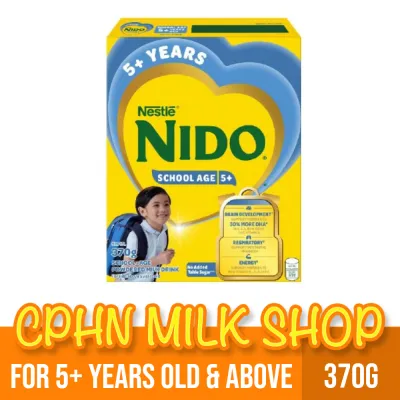
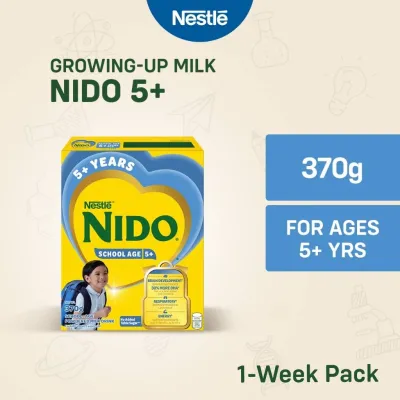
When browsing the shelves, you will find Nido in various packaging sizes, including the highly portable and convenient 370g pack. This smaller size is particularly useful for families wanting to test a new stage or variant without committing to a large tin, especially in humid tropical climates where opened powder must be consumed quickly to prevent clumping. When selecting a pack, always check the front label to ensure the specific variant is designated for your child’s age bracket, as formulations for toddlers differ significantly from those meant for older children.
As a caregiver, it is essential to inspect the nutrition facts panel on the Nido packaging you choose. Pay close attention to the exact sugar content, carbohydrate levels, and the specific milk base used. Some variants may contain added sugars or flavorings to enhance palatability, which you must balance against your child’s total daily sugar intake from other food sources.
NAN: Digestive Comfort and Specialized Formulations
NAN has traditionally positioned itself as a brand focused on digestive comfort and gut health. For children who experience occasional stomach sensitivity, bloating, or irregular bowel movements, this brand often serves as a primary consideration. The formulations under this line frequently highlight the inclusion of specific probiotics, prebiotics, or modified protein structures designed to be gentler on developing digestive systems.
When evaluating NAN for a five-year-old, you must carefully read the label to identify variants formulated specifically for older children. Check the packaging for age recommendations and verify whether the product contains active cultures or specialized fiber blends. Because digestive needs change as children grow, the digestive support required by a toddler may differ from that of a school-aged child.
Keep in mind that while these formulations aim to support general gut comfort, they are not medical treatments. If your child has a diagnosed milk protein allergy, severe lactose intolerance, or chronic gastrointestinal issues, specialized formulas must only be used under the direct supervision of a pediatrician. Always verify the ingredient list to ensure there are no components that could trigger known sensitivities.
Enfagrow: Cognitive Support and Fortification
Enfagrow is commonly associated with a marketing focus on cognitive development and brain support. The brand frequently highlights the inclusion of specific nutrients such as docosahexaenoic acid (DHA), arachidonic acid (ARA), and milk fat globule membrane (MFGM) on its packaging. These components are often emphasized as supportive elements for school-aged children who are navigating early learning environments and cognitive milestones.
To make an objective decision, you should look directly at the nutrition facts panel on the Enfagrow container to verify the actual amounts of DHA and other highlighted nutrients per serving. Compare these values against your child’s overall dietary intake, keeping in mind that dietary fats from fish, eggs, and nuts also contribute to brain health. Fortification is beneficial, but it should complement a diverse and balanced diet.
Additionally, check the ingredient list for any added sugars, corn syrup solids, or flavorings that may be present in the specific variant you are considering. Some school-age milk formulations use flavorings to appeal to older children, so verifying these details helps you manage your child’s daily nutritional balance and prevent an overreliance on sweetened beverages.
Essential Label Checks Before You Buy
Before purchasing any powdered milk, performing a thorough label check is the most reliable way to ensure safety, suitability, and value. Rather than relying on brand names alone, make it a habit to inspect the physical packaging during your grocery trips or when ordering from verified online distributors.
First, verify the age appropriateness of the product. The packaging should explicitly state that the formulation is designed for children aged three to five, five and older, or school-aged children. Feeding a child a formula meant for a younger age group may not provide the appropriate balance of macronutrients, while giving them milk intended for older demographics might strain their digestive system.
Second, examine the sugar and flavoring content. Look at the ingredient list for terms like sucrose, corn syrup, maltodextrin, or artificial flavorings. While these ingredients can make the milk more appealing to reluctant drinkers, keeping added sugars to a minimum is vital for dental health and establishing healthy long-term eating habits.
Third, analyze the preparation instructions and serving sizes. Compare the number of scoops required per serving across different brands. A larger, cheaper tin might require more scoops per glass, resulting in a higher cost per serving and a faster consumption rate than a slightly more expensive tin with a highly concentrated serving size. Calculate the actual yield of the pack and the cost per serving in ₱ to determine its true economic value.
Finally, check for allergen warnings and manufacturing details. If your child has known sensitivities to soy, gluten, or nuts, inspect the label for cross-contamination warnings. Ensure the packaging is intact, free from dents or punctures, and displays a clear expiration date. In warm, humid environments, proper packaging integrity is critical to prevent moisture ingress and spoilage.
Decision Framework: Which Brand Fits Your Child?
To help streamline your choice, you can use a condition-based framework that matches each brand’s characteristics to your child’s specific lifestyle and physical needs.
- Choose Nido if: Your child is generally healthy, has a reliable appetite, and prefers a classic, creamy milk taste. This option is highly suitable if you are looking for an accessible, widely available everyday supplement to support general growth, and you prefer convenient packaging options like the 370g pack for freshness.
- Choose NAN if: Your child has a sensitive stomach or experiences occasional digestive discomfort, and you want to prioritize a formulation that emphasizes gut support, probiotics, or easy-to-digest proteins. Ensure you verify the age-stage label and discuss this choice with your pediatrician.
- Choose Enfagrow if: You want to focus on dietary fortification with cognitive-support nutrients like DHA and MFGM, particularly if your child's regular diet lacks natural sources of these fatty acids, and your child accepts the specific taste profile of the variant.
- Verify First if: Your child has a diagnosed medical condition, severe food allergies, or chronic digestive issues. In these cases, standard commercial powdered milks may not be appropriate, and you must consult a pediatrician for a specialized dietary prescription.
Ultimately, the best powdered milk is the one that your child drinks willingly, digests comfortably, and fits seamlessly into your family’s monthly budget. Monitor your child’s reaction to any new milk, and do not hesitate to adjust your choice if their digestive tolerance or nutritional needs change.
Frequently Asked Questions (FAQ)
Can I mix different brands of powdered milk?
You should avoid mixing different brands or variants of powdered milk in the same serving. Each brand has a unique nutrient concentration and a specific powder-to-water preparation ratio designed by the manufacturer. Mixing them can alter the density of the feed, potentially leading to digestive upset, constipation, or an imbalance in nutrient intake. If you plan to switch brands, it is safer to do so gradually by replacing entire feeds over several days rather than mixing the powders together.
Is powdered milk necessary for a 5-year-old?
Powdered milk is not strictly necessary for a five-year-old child who consumes a diverse, well-balanced diet of solid foods. If your child regularly eats calcium-rich foods like cheese, yogurt, small fish, and green leafy vegetables, and drinks plenty of water, they can meet their nutritional requirements without a milk supplement. However, powdered milk serves as a highly convenient and reliable backup to bridge nutritional gaps for picky eaters, during busy school days, or when fresh milk is difficult to store.
How do I transition my child from toddler formula to a 5-year-old milk?
To transition your child to a new milk stage or brand, introduce the change gradually over a period of five to seven days. Start by replacing a small portion of their usual milk with the new formulation, slowly increasing the proportion of the new milk each day while monitoring their response. Watch closely for any changes in their stool consistency, appetite, skin rashes, or general behavior. If you notice any adverse reactions, stop the transition immediately and consult your pediatrician.

Community discussion
Share your experience or ask a question. Comments are reviewed before publication.