
When your child reaches their first birthday, navigating the transition to toddler milk can feel overwhelming, especially with options like Nido, NAN, Enfagrow, or specialized choices like ascenda milk 1 to 3 competing for your attention. During this developmental milestone, a toddler’s diet shifts from being primarily milk-based to relying on solid foods for their primary nutrition. In the Philippines, where childhood nutrition guidelines emphasize a balanced plate of local foods, toddler milk serves as a supportive supplement to fill potential micronutrient gaps rather than a complete meal replacement. Choosing the right brand requires looking past eye-catching packaging to analyze the specific nutritional profiles, digestive benefits, and ingredient lists that align with your child’s unique growth patterns.
There is no single “best” formula that fits every toddler universally. Each child’s digestive system, growth trajectory, and dietary intake differ, making individual tolerance the ultimate deciding factor. While one toddler may thrive on a standard, energy-dense milk powder, another might require a formulation designed specifically for digestive comfort or targeted cognitive support. Before making any changes to your child’s diet, it is essential to consult your pediatrician, who can provide personalized recommendations based on your toddler’s health history and developmental needs.
Quick Answer: Which Formula Fits Your Toddler's Needs?
Deciding among Nido, NAN, and Enfagrow depends largely on your toddler’s current digestive health, growth progress, and specific nutritional priorities. Because these brands target different aspects of early childhood development, parents can use a conditional framework to simplify their decision-making process.
Products mentioned in this guide
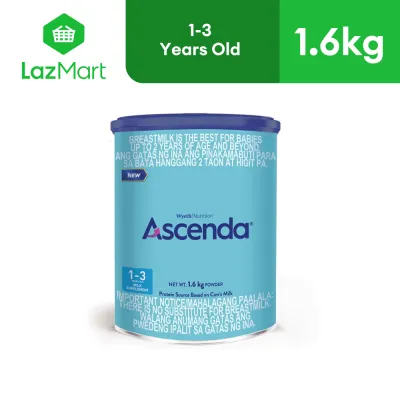
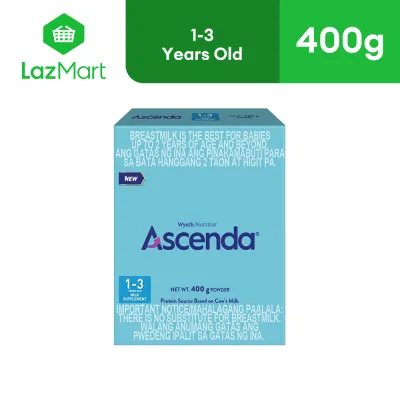
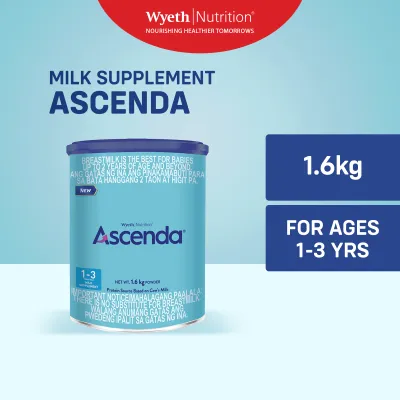


Prices are valid at publication and may change. Please refer to the product page for the latest price.
- Choose Nido if your toddler is growing at a healthy rate, exhibits no digestive sensitivities or lactose issues, and requires a reliable, accessible, and cost-effective milk powder to complement a balanced diet of solid foods. It is a practical option widely available across local supermarkets and community stores in the Philippines.
- Choose NAN if your child experiences mild digestive discomfort, occasional constipation, or gas, and you want a premium formulation that prioritizes gut health, active probiotics, and highly digestible proteins to support a sensitive stomach.
- Choose Enfagrow if you are prioritizing nutrients associated with cognitive development and immune system support, such as docosahexaenoic acid (DHA) and milk fat globule membrane (MFGM), and you are comfortable with a premium price point.
It is crucial to remember that formulations vary significantly across specific product lines, such as Nido 3+, NAN Optipro 3, or Enfagrow A+ Four. Manufacturers frequently update their ingredients, nutrient concentrations, and preparation instructions. Parents must always examine the exact product label, verify the age suitability on the packaging, and consult a healthcare professional before introducing a new formula to their toddler.
Nutritional Philosophies: How Nido, NAN, and Enfagrow Differ
While all major toddler milks sold in the Philippines must comply with national food safety standards and basic nutritional regulations, each brand approaches toddler development through a distinct formulation philosophy. Understanding these differences helps parents select a product that targets their child’s specific developmental areas.

Nido: General Growth and Basic Nutrition
Nido has long been positioned as a wholesome, accessible option for general growth and development. Its formulation philosophy focuses on providing a solid foundation of essential vitamins and minerals that active toddlers need as they transition to family meals.
When reviewing the label of a standard Nido toddler variant, parents will find a strong emphasis on bone-building nutrients, particularly Calcium and Vitamin D. These minerals work synergistically to support skeletal development during rapid growth spurts. Additionally, Nido is typically fortified with Zinc and Vitamin C to support the immune system.
The carbohydrate source in standard Nido formulations is primarily lactose and milk solids, which provide a steady source of energy for highly active toddlers. However, because it retains a traditional dairy profile, parents should monitor toddlers who show signs of sensitivity to standard milk solids. Always check the specific packaging for the presence of specialized prebiotics or probiotics, as some premium Nido variants include proprietary strains designed to support immunity.
NAN: Gut Health and Digestibility
Nestlé’s NAN brand centers its philosophy on digestive comfort, gut microbiome development, and protein quality. Recognizing that a toddler’s digestive system is still maturing, NAN focus areas include reducing the digestive load and promoting a balanced gut environment.
A key feature of NAN toddler formulas is the inclusion of active probiotics, most notably Bifidobacterium lactis. These beneficial bacteria help populate the toddler’s gut, supporting natural defenses and promoting softer, more regular stools. This focus makes NAN a frequent choice for parents whose toddlers experience occasional constipation or digestive irregularity during the transition to solid foods.
Furthermore, NAN often incorporates optimized protein blends, sometimes referred to as Optipro, which aim to deliver high-quality protein in quantities that do not overtax the toddler’s developing metabolic system. When evaluating NAN, parents should check the ingredient list for specific prebiotic fibers like galacto-oligosaccharides (GOS) and fructo-oligosaccharides (FOS), which feed the beneficial bacteria in the gut. To preserve these live probiotics, parents must follow the manufacturer’s preparation instructions carefully, ensuring the water is cooled to lukewarm before mixing.
Enfagrow: Brain Development and Immunity
Enfagrow, produced by Mead Johnson, focuses its nutritional philosophy heavily on cognitive milestone support and immune system reinforcement. The brand is designed for parents who want to prioritize brain-supporting nutrients during the critical early years of rapid neurological development.
The cornerstone of the Enfagrow formulation is its focus on docosahexaenoic acid (DHA), an omega-3 fatty acid that serves as a primary structural component of the brain and retina. While toddlers can synthesize some DHA from dietary precursors, direct dietary intake supports optimal brain development. Enfagrow also frequently highlights the inclusion of Milk Fat Globule Membrane (MFGM), a complex structure of proteins and lipids that surrounds milk fat droplets, which research associates with cognitive and behavioral development.
In addition to brain nutrients, Enfagrow incorporates immune-supporting ingredients, such as beta-glucan and specialized prebiotic blends designed to support respiratory and intestinal health. Because the DHA and MFGM content can vary between sub-variants, such as Enfagrow A+ Four and standard Enfagrow products, parents should compare the exact milligrams per serving listed on the nutrition facts panel to understand what they are purchasing.
The Parent’s Label Checklist: Sugar, Protein, and Additives
Standing in the supermarket aisle looking at rows of milk tins can be confusing. Because toddler milks (often designated as Stage 3 or growth milks) are formulated for children aged 1 to 3 years, they are classified differently than infant formulas. This classification gives manufacturers more flexibility in their ingredients, making it essential for parents to read the nutrition facts and ingredient lists carefully.
- Identify Added Sugars: Many toddler milks contain added sugars to appeal to picky eaters. When reading the ingredient list, look past the front-of-pack claims and check for terms like sucrose, corn syrup solids, maltodextrin, glucose syrup, or fructose. While maltodextrin is a common carbohydrate used for energy, minimizing highly sweet added sugars like sucrose is important for preventing dental cavities and establishing healthy, non-sweet taste preferences early in life.
- Evaluate Protein and Fat Sources: Check the source of protein on the label, which should ideally come from high-quality skimmed milk, whole milk, or whey. The fat blend is equally important; look for vegetable oil blends (such as canola, sunflower, or coconut oil) that provide essential fatty acids without relying on partially hydrogenated oils. Ensure the protein-to-calorie ratio aligns with your toddler's needs, as excessive protein intake can place an unnecessary load on a child's kidneys.
- Verify the "Big Three" Micronutrients: Toddlers aged 1 to 3 are highly susceptible to specific nutritional deficiencies. Ensure the milk you select is well-fortified with:
- Iron: Essential for healthy brain development and preventing iron-deficiency anemia.
- Calcium: Crucial for bone density and dental health.
- Zinc: Supports cellular growth, wound healing, and a robust immune response.
- Compare the RENI Percentages: In the Philippines, look for the percentage of Recommended Energy and Nutrient Intakes (RENI) met per serving. This helps you understand how much of your toddler's daily nutritional requirements are satisfied by a single glass of milk, allowing you to balance their solid food intake accordingly.
Evaluating Alternatives: Ascenda Milk 1 to 3 and Other Options
As parents research toddler nutrition, they often look beyond the most common supermarket brands to specialized alternatives. One product that frequently appears in discussions regarding targeted toddler nutrition is ascenda milk 1 to 3, alongside other premium growth formulas designed for specific growth needs.
When evaluating a specialized alternative like ascenda milk 1 to 3 against mainstream giants like Nido, NAN, or Enfagrow, it is important to understand that these products serve different dietary purposes. While mainstream formulas are designed as general daily supplements for healthy, typically growing toddlers, specialized alternatives are often formulated for children who require targeted nutritional support. This includes picky eaters, children experiencing growth faltering, or those recovering from illness who need to catch up on their growth milestones.
Parents can use the following framework to evaluate specialized alternatives:
- Assess Caloric and Nutrient Density: Specialized growth milks like ascenda milk 1 to 3 often feature a higher caloric density and a concentrated blend of essential macronutrients and micronutrients per milliliter compared to standard toddler milks. This helps children who consume small volumes of solid food meet their daily energy requirements.
- Check the Target Audience: Ensure the product is specifically formulated for the 1 to 3 age range. Specialized formulas should only be used if your toddler actually requires catch-up growth support, as feeding highly concentrated formulas to a typically growing child may lead to excessive weight gain.
- Confirm Regulatory Compliance: Always verify that any alternative brand is fully registered with the Philippine Food and Drug Administration (FDA). This ensures the product has undergone safety evaluations and matches the nutritional claims printed on the label.
Switching to a specialized formula should not be decided solely based on marketing advertisements or online recommendations. If you suspect your toddler is underweight, exhibits poor appetite, or is falling behind on their growth chart, consult your pediatrician. They can perform a clinical assessment and advise whether a specialized option like ascenda milk 1 to 3 is appropriate for your child.
Safe Transitioning and Monitoring Your Toddler's Tolerance
Switching your toddler from breast milk, infant formula, or one brand of toddler milk to another requires a systematic approach. A toddler’s digestive tract is highly sensitive to changes in nutrient concentrations, protein structures, and mineral levels. Introducing a new formula too quickly can cause digestive upset, leading to gas, fussiness, or changes in bowel movements.
To ensure a smooth transition, parents should use a gradual mixing method over a period of five to seven days. This allows the toddler’s digestive enzymes and gut microbiome to adapt to the new formulation step-by-step:
- Days 1 and 2: Prepare a bottle or cup containing 75% of the current milk and 25% of the new milk.
- Days 3 and 4: Mix the current milk and the new milk in equal parts (50% current, 50% new).
- Days 5 and 6: Prepare a mixture of 25% current milk and 75% of the new milk.
- Day 7: Transition fully to 100% of the new toddler milk.
During this transition week, monitor your toddler closely for any physical or behavioral changes. It is common to observe mild, temporary adjustments, such as a slight variation in stool color or frequency. These minor fluctuations typically resolve within a few days as the digestive system stabilizes.
However, parents must be vigilant for signs of intolerance or allergic reactions. Stop using the new milk immediately and consult your pediatrician if your toddler exhibits any of the following warning signs:
- Severe, watery diarrhea or the presence of mucus or blood in the stool.
- Frequent, forceful vomiting or a sudden increase in severe spitting up.
- The development of skin rashes, hives, or eczema flare-ups.
- Swelling of the lips, tongue, face, or throat, which indicates an emergency allergic reaction.
- Extreme irritability, persistent crying after feeding, or unusual lethargy.
In a tropical climate like the Philippines, maintaining strict hygiene during preparation is vital to prevent contamination. Always wash your hands thoroughly with soap and water, sanitize all preparation utensils, and use clean, boiled drinking water that has been cooled to a safe, lukewarm temperature. Following the manufacturer’s exact powder-to-water ratio is critical; altering the concentration without medical guidance can lead to dehydration or nutritional imbalances.
Frequently Asked Questions (FAQ)
Can I mix two different toddler formula brands in one bottle?
Mixing two different toddler formula brands in a single bottle or cup is not recommended for regular feeding. Each brand is formulated with a specific scoop size, powder density, and water-to-powder ratio designed to achieve a precise concentration of nutrients and water (osmolality). Mixing different powders can easily result in a solution that is too concentrated, which strains the toddler’s kidneys and digestive system, or too diluted, which deprives them of essential nutrients. If you are transitioning between brands, you may mix them using the precise preparation instructions for each portion, but for daily feeding, it is safest to stick to a single, consistently prepared brand.
How long can I keep prepared toddler milk at room temperature?
In the warm and humid tropical climate of the Philippines, bacteria multiply rapidly in prepared milk. Once prepared, toddler milk should be consumed immediately. If your toddler has started drinking from the cup or bottle, any remaining milk must be discarded within 1 hour, as bacteria from the child’s saliva can contaminate the liquid. If the milk has been prepared but not yet touched by the child, it can be kept at room temperature for a maximum of 2 hours. If you need to prepare milk in advance, store it immediately in a sealed container in the back of the refrigerator (at 4°C or below) for no more than 24 hours, and warm it gently before serving.

Community discussion
Share your experience or ask a question. Comments are reviewed before publication.