
Finding the right children’s milk in the Philippines can feel overwhelming with so many options lining supermarket shelves. There is no single “best” children’s milk brand for every child. The ideal choice depends entirely on your child’s current age, specific nutritional goals, taste preferences, and your family’s budget. While Nido, Nestokid, Enfagrow, and NAN are all prominent options, their formulations, age stages, and nutritional focuses vary. To make an informed decision, you must look past the colorful packaging and understand how to evaluate each brand’s specific offerings against your child’s unique developmental needs.
Understanding the Contenders: Brand Lines and Age Stages
When walking down the baby care aisle, you will notice that each brand categorizes its products by specific age brackets. Nido and Nestokid, both manufactured by Nestlé, are widely recognized household names in the Philippines. Nido offers lines like Nido 3+ and Nido 5+ for preschoolers and school-aged children, while Nestokid focuses on essential nutrients for children aged one to three years and beyond. These brands design their stage progressions to align with the physical activity levels and nutritional requirements of growing children.
Enfagrow, produced by Mead Johnson, takes a structured approach to age-tier formulations. Its product lines, such as Enfagrow A+ Four, target children aged three and up, focusing heavily on cognitive support and immune system maintenance. Enfagrow emphasizes specific nutrient blends designed to support brain development during critical early learning years, featuring distinct ingredients that set them apart from standard growing-up milks.
Products mentioned in this guide
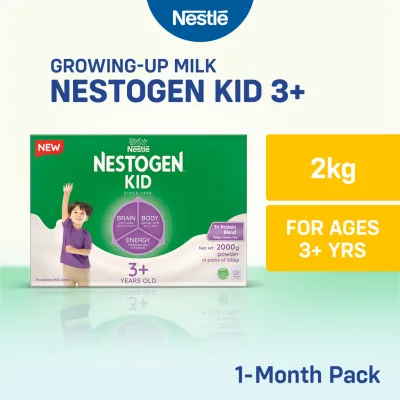
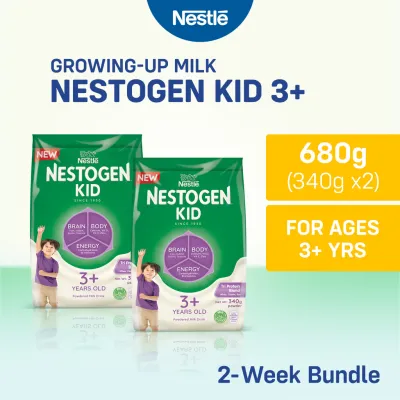
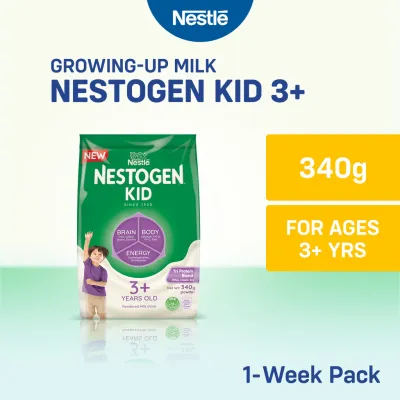
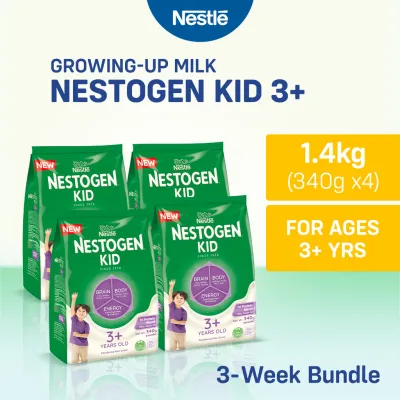
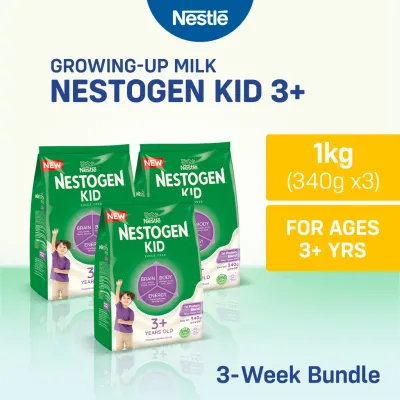
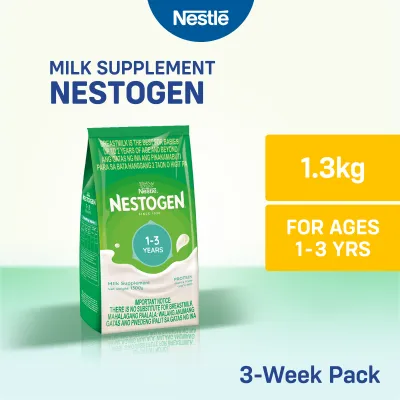
Prices are valid at publication and may change. Please refer to the product page for the latest price.
NAN, another Nestlé brand, is known for its premium, scientifically driven product lines. Unlike standard growing-up milks, NAN offers specialized variants like NAN Optipro and NAN Infinipro, tailored for different childhood stages starting from toddlerhood. These formulations focus on optimized protein blends and advanced gut-health ingredients, making it crucial to distinguish between standard toddler options and specialized or hypoallergenic formulas.
Before purchasing, you must check the exact product label for your child’s current age and developmental stage. Manufacturers calibrate the nutrient concentrations in each stage to match what a child’s digestive system can safely process. Feeding a child a formula designed for an older age group may strain their developing system, while using one meant for younger infants might not provide sufficient nutrition.
Comparing Key Nutritional Focus Areas on the Label
To compare these brands effectively, you must read the nutritional information panel on the back of the packaging rather than relying on front-of-pack marketing claims. For immunity and gut health, look for prebiotics like fructooligosaccharides (FOS) or galactooligosaccharides (GOS), and active probiotic cultures. These ingredients support a healthy gut microbiome, which is closely linked to immune function. Additionally, verify the presence of essential vitamins and minerals like Vitamin A, C, E, Zinc, and Selenium, which maintain your child’s natural defenses.

Brain and eye development are also major focus areas. Nutrients like Docosahexaenoic Acid (DHA) and Arachidonic Acid (ARA) are highly sought after for cognitive growth. When comparing these brands, check the nutritional panel to see if DHA is included and in what quantities. Some premium lines, particularly Enfagrow, highlight high levels of DHA and other lipids like Milk Fat Globule Membrane (MFGM). However, you must verify these inclusions on the specific variant you are buying, as standard lines within the same brand family may omit them.
Bone and physical growth require adequate levels of calcium, phosphorus, and Vitamin D. Compare the calcium-to-phosphorus ratios and the total Vitamin D content across the different brands. Vitamin D is essential for calcium absorption, supporting the development of strong bones and teeth. In tropical climates like the Philippines, children get natural Vitamin D from outdoor play, but dietary intake remains a crucial safeguard.
Always remember that front-of-pack labels are designed to catch your eye with terms like “brain development” or “double defense.” These marketing claims must always be verified against the actual ingredient list and nutritional panel on the back of the tin. The ingredient list is organized by weight, meaning the first few ingredients make up the majority of the product. Checking this panel ensures you know exactly what nutrients your child is consuming.
Navigating Taste, Mixability, and Dietary Needs
A milk can be nutritionally excellent, but it will not benefit your child if they refuse to drink it. Flavor profiles vary significantly between these brands, influencing child acceptance. Some brands, like Nido, are known for a richer, creamier, and slightly sweeter taste that many Filipino children find highly appealing. Other brands, such as NAN, tend to have a more neutral, less sweet flavor due to their specific protein processing. If your child is a picky eater, transitioning to a less sweet milk may require patience and a gradual introduction.
Powder solubility and preparation ease are practical daily considerations. In the humid, tropical climate of the Philippines, milk powder can easily absorb moisture from the air, leading to clumping inside the tin. Standard mixing instructions usually recommend using lukewarm, previously boiled water. Some powders dissolve quickly with minimal stirring, while others require vigorous shaking to prevent undissolved lumps from settling at the bottom of the cup. Always follow the manufacturer’s exact water-to-powder ratio to ensure the milk is correctly prepared.
Dietary checks are critical for children with sensitive stomachs or specific health needs. Carefully read the labels for lactose content, added sugars, and potential allergens. Some growing-up milks contain added sucrose, corn syrup solids, or maltodextrin to enhance flavor. If you prefer to limit added sugars, look for formulations that rely primarily on lactose. Furthermore, if your child has a diagnosed cow’s milk protein allergy or lactose intolerance, standard variants of these brands will not be suitable, requiring specialized, hypoallergenic, or lactose-free formulas under professional medical guidance.
Evaluating Price and Value per Serving
Budget is a major factor for most households in the Philippines, but comparing the price of a tin of milk directly can be misleading. To find the true cost-effectiveness of each brand, calculate the cost per serving rather than comparing the retail price of the package. Take the retail price in Philippine Pesos (₱) and divide it by the total number of servings the package yields. You can estimate the number of servings by dividing the net weight of the package by the manufacturer’s recommended scoop measurement per serving.
Comparing standard product lines versus premium or specialized variants within each brand helps you see if the extra cost aligns with your needs. Premium variants often cost more because they include specialized ingredients like DHA, MFGM, or specific probiotic strains. You must decide whether these additional nutrients align with your child’s specific developmental needs and justify the higher daily cost. If your child already eats a diverse, nutrient-rich diet of solid foods, a standard growing-up milk may provide excellent value.
To ensure you are getting genuine products that have been stored correctly, always purchase your children’s milk through safe, authorized channels. Look for official brand stores on established online marketplaces, or buy directly from authorized physical retailers and reputable supermarkets. In the Philippines, improper storage in high heat and humidity can degrade nutrient quality and lead to spoilage. Buying from trusted sources guarantees that the product has been handled according to safety standards.
Decision Framework: Matching the Brand to Your Child
Choosing the right milk brand involves matching your child’s specific physical, developmental, and dietary conditions to the strengths of each formulation.
Choose Nido or Nestokid if your child needs standard growth support, eats a relatively balanced diet of solid foods, and responds well to its established, creamy flavor profile. These brands are highly accessible, budget-friendly, and provide a solid foundation of essential vitamins and minerals suitable for daily physical activity and general development.
Choose Enfagrow if you are prioritizing the specific brain and immunity nutrient blends offered in their current formulations. If your child is entering an active learning phase, such as starting preschool, and you want to ensure they receive specific levels of DHA and other brain-supportive lipids, Enfagrow’s specialized formulations may justify the higher investment.
Choose NAN if your child responds well to its specific protein and gut-health combinations. NAN’s focus on optimized protein profiles and advanced gut-health ingredients, such as specific probiotics and prebiotics, makes it a strong candidate for children who require gentle digestion and robust gut support.
Regardless of which brand seems most appealing, you must verify the product details first. If your child has known food allergies, lactose intolerance, or any underlying medical conditions, do not switch brands or introduce a new milk without consulting a pediatrician. A qualified healthcare professional can provide personalized recommendations based on your child’s growth chart and health history.
Frequently Asked Questions (FAQ)
Is it safe to mix different brands of children's milk?
It is generally not recommended to mix different brands of children’s milk powder in a single bottle or cup. Each brand has a unique formulation, scoop size, and water-to-powder ratio designed to deliver a specific concentration of nutrients. Mixing them can alter this balance, potentially leading to a drink that is too concentrated or too diluted, which can cause digestive upset or strain your child’s kidneys. If you need to transition your child from one brand to another, do so gradually over several days by replacing one full feeding at a time with the new brand, following the manufacturer’s preparation instructions.
When is the right time to transition to children's milk?
The transition to children’s growing-up milk typically occurs around the age of one year, when a child’s digestive system is mature enough to handle more complex formulations and their nutritional needs shift. However, the exact timing depends on your child’s overall diet and developmental milestones. Always check the manufacturer’s age recommendations on the product label, as these are formulated to meet specific developmental stages. Before making the transition from infant formula, consult your pediatrician to ensure your child is ready and to determine which milk stage best complements their solid food intake.
How can I handle it if my child refuses a new milk brand?
If your child refuses a new milk brand, it is usually due to the change in taste or texture. You can manage this transition by introducing the new milk gradually. Start by offering a small amount of the new milk during a time of day when your child is most hungry, or gradually introduce it alongside their familiar milk in separate feedings. Ensure you are preparing the milk at their preferred temperature, as some children are highly sensitive to warmth or coolness. If your child continues to refuse the milk, experiences digestive discomfort, or shows signs of an allergic reaction, stop using the new brand immediately and consult a pediatrician.

Community discussion
Share your experience or ask a question. Comments are reviewed before publication.