
Quick Answer: Which Toddler Formula Should You Choose?
Choosing the right milk supplement for your child between the ages of one and three is a major decision for parents. Among the most popular options on supermarket shelves in the Philippines are nido jr 1 to 3, NAN, and Enfagrow. There is no single “best” formula for every toddler; the ideal choice depends on your child’s specific nutritional gaps, digestive tolerance, taste preferences, and your family’s monthly budget.
To help you decide, these three brands generally target different aspects of toddler development:
- Nido Jr is widely favored for general physical growth, bone development, and everyday nutritional support at an accessible price point.
- NAN is frequently chosen by parents who prioritize digestive comfort, easy absorption, and high-quality protein structures.
- Enfagrow is typically selected for its emphasis on cognitive development, brain-support ingredients, and immune system reinforcement.
Because every toddler’s digestive system and nutritional needs are unique, you must verify the specific ingredients and age indications on the product packaging before purchasing. Always consult your pediatrician before introducing a new formula or switching brands, particularly if your child has known food allergies, digestive sensitivities, or specific medical requirements.
Products mentioned in this guide
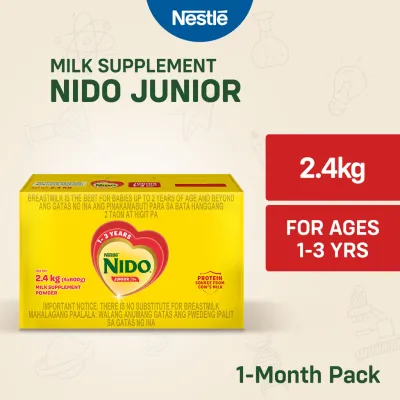

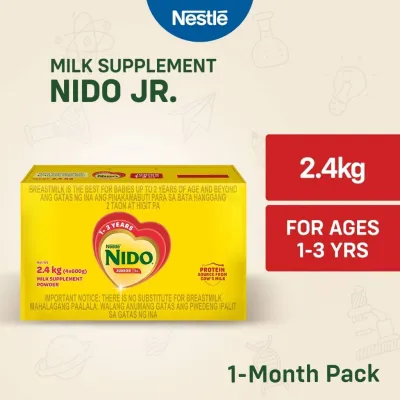

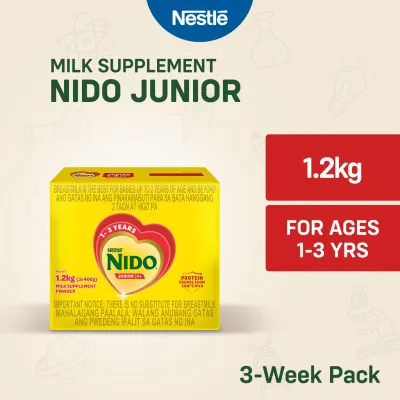
![[ONLINE EXCLUSIVE] NIDO JUNIOR 1+ Milk Supplement Powder for Children 1-3 Years Old 4kg](https://img.lazcdn.com/g/p/346169b16d6126178676b1f57c9aec63.jpg_400x400q80.jpg_.webp)
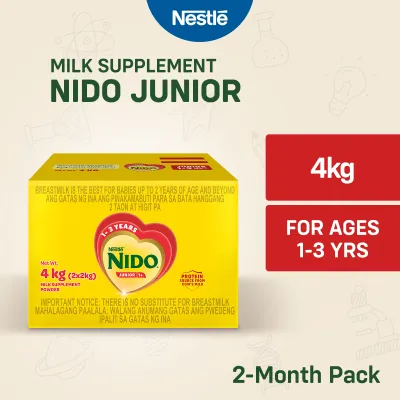
Prices are valid at publication and may change. Please refer to the product page for the latest price.
Nutritional Profiles: Comparing Nido Jr 1 to 3, NAN, and Enfagrow
When your child transitions from infancy to toddlerhood, their nutritional needs change dramatically. While solid foods should now serve as their primary source of nutrients, a milk supplement can act as a reliable safety net to fill in any dietary gaps. Understanding how to read and compare the Nutrition Facts panels on these three popular brands will help you make an informed choice aligned with your child’s development.

Nido Jr: General Growth and Bone Health Focus
Nido Jr is formulated specifically to support the rapid physical growth and active lifestyle of toddlers aged one to three. During this stage, skeletal development and motor skill progression require robust support from key bone-building nutrients.
When evaluating Nido Jr on the shelf, turn the tin around to inspect the following components:
- Calcium and Vitamin D: Verify the exact milligrams of Calcium and International Units (IU) of Vitamin D per serving. These two nutrients work synergistically, as Vitamin D is essential for the body to absorb calcium efficiently.
- Iron and Vitamin C: Check the iron levels, which support healthy blood development and cognitive function. The presence of Vitamin C helps enhance the absorption of dietary iron.
- Age Suitability: Ensure you are holding the specific variant labeled for ages 1 to 3 years. Check the ingredient list for any added sugars or flavorings if you prefer to limit sweet additives in your child's diet.
NAN: Digestive Comfort and Protein Quality
NAN toddler formulas are engineered with a strong focus on digestive health, gut comfort, and high-quality protein. A toddler’s digestive tract is still maturing, which can sometimes lead to mild issues like gassiness, bloating, or irregular bowel movements.
To assess NAN’s digestive support claims, look for these specific elements on the label:
- Optimized Proteins: Check if the formula features high-quality, easily digestible whey proteins or partially hydrolyzed proteins, which are broken down to be gentler on small stomachs.
- Prebiotics and Probiotics: Look for active cultures such as Lactobacillus reuteri or other beneficial probiotics, along with prebiotics like HMOs (Human Milk Oligosaccharides) or GOS/FOS. These ingredients help nourish beneficial gut bacteria.
- Digestive Monitoring: If you choose this option, monitor your child's stool consistency, frequency, and overall comfort. If you notice persistent diarrhea, constipation, or signs of abdominal pain, stop using the product immediately and consult your pediatrician.
Enfagrow: Cognitive Development and Immunity Support
Enfagrow positions itself heavily around brain development and immune system reinforcement, catering to toddlers who are rapidly exploring their environments and developing cognitive, language, and social skills.
When reviewing Enfagrow, pay close attention to these specific nutritional metrics:
- DHA and ARA: Compare the exact milligrams of Docosahexaenoic Acid (DHA) and Arachidonic Acid (ARA) per serving. These fatty acids are crucial structural components of the brain and eyes.
- Immune-Supporting Nutrients: Check the levels of Zinc, Vitamin A, Vitamin C, and Vitamin E, which contribute to the normal function of the immune system.
- Dietary Balance: While these specialized nutrients are beneficial, remember that formula is a dietary supplement. The actual impact of these ingredients depends heavily on your child's overall intake of diverse, nutrient-rich solid foods.
Taste, Texture, and Mixability: Will Your Toddler Actually Drink It?
The most advanced nutritional profile in the world will not benefit your child if they refuse to drink the milk. Toddlers are notorious for developing strong sensory preferences, making taste, texture, and preparation practical priorities for parents.
Flavor Profiles and Toddler Acceptance
Toddler formulas come in various flavor profiles, ranging from plain and natural milk tastes to sweeter options like vanilla or honey.
- Nido Jr often features a slightly sweet, creamy taste (sometimes with subtle honey notes depending on the regional variant) that is highly appealing to young children.
- NAN typically maintains a milder, more neutral, and less sweet flavor profile, which is excellent if you want to prevent your child from developing a strong preference for highly sweetened beverages.
- Enfagrow frequently offers distinct vanilla or chocolate flavors alongside plain options, providing variety for picky eaters but requiring parents to monitor overall sugar intake.
Mixability and the Impact of Philippine Humidity
In the hot and humid climate of the Philippines, powdered milk can quickly absorb moisture from the air once the tin is opened. This can lead to clumping inside the container and affect how easily the powder dissolves in water.
- Clumping Risks: Always store the tin in a cool, dry place, and ensure the plastic lid is sealed tightly after every use. Never use a wet scoop inside the tin.
- Preparation Accuracy: Carefully follow the manufacturer's exact water-to-powder ratio printed on the packaging. Using too much powder can strain your toddler's kidneys and cause dehydration, while using too much water dilutes essential nutrients.
- Water Temperature: Use clean, boiled drinking water cooled down to the temperature specified by the manufacturer. Water that is too hot can destroy active probiotics in formulas like NAN, while cold water can cause stubborn clumps.
Tips for a Smooth Transition
If you are switching your toddler from breast milk, infant formula, or a different brand, a sudden change can cause taste rejection or mild digestive upset. Introduce the new formula gradually over a five-to-seven-day period. You can start by replacing a small portion of their daily milk intake with the new brand, slowly increasing the proportion each day. Ensure both formulas are prepared separately according to their respective instructions before mixing them in a cup, or serve them at different times of the day.
Price and Value: Calculating the Cost per Serving in the Philippines
Feeding a toddler is a long-term financial commitment. While it is tempting to compare formulas based solely on the retail price of the tin, a more accurate way to measure value is by calculating the cost per serving.
How to Calculate the Cost per Serving
Because tin sizes, scoop sizes, and recommended water volumes vary significantly between Nido Jr, NAN, and Enfagrow, a cheaper tin does not always mean a cheaper daily feed. Use this simple calculation to find the true cost:
- Find the total servings per tin: Look at the packaging for the net weight (e.g., 1.2kg) and the manufacturer's specified serving size (e.g., 36g per serving). Divide the total weight by the serving size to get the total number of servings per tin.
- Calculate the cost per serving: Divide the retail price of the tin by the total number of servings.
$$\text{Cost per Serving} = \frac{\text{Total Price of the Tin}}{\text{Total Number of Servings per Tin}}$$ - Calculate the daily cost: Multiply the cost per serving by the number of servings your child drinks per day (typically 2 servings for toddlers aged 1 to 3).
Generally, Nido Jr sits at a highly accessible, budget-friendly price point per serving. NAN and Enfagrow are positioned as premium formulas, resulting in a higher cost per serving due to their specialized protein processing, prebiotic/probiotic additions, or elevated DHA levels.
Sourcing Your Formula Safely
To protect your child’s health, never purchase toddler formula from unverified online sellers or unauthorized discount channels, as counterfeit milk products are a safety hazard. Always buy your formula from established supermarkets (such as SM Markets, Robinsons Supermarket, or Puregold), reputable local pharmacies (like Mercury Drug or Watsons), or the official, verified flagship stores of the brands on authorized e-commerce platforms in the Philippines. Always check the expiration date printed on the bottom of the tin before purchasing.
Decision Framework: Which Formula Fits Your Child Best?
To make your final decision easier, use this structured framework to match your child’s needs and your household priorities with the right brand.
Choose Nido Jr if:
- Your primary goal is supporting general physical growth, bone strength, and active play with standard levels of Calcium, Vitamin D, and Iron.
- Your toddler prefers a classic, slightly sweet, and creamy milk flavor.
- You want a highly accessible option that fits comfortably into a modest monthly household budget based on your cost-per-serving calculations.
Choose NAN if:
- Your child has a sensitive stomach, is prone to mild gas, bloating, or irregular stools, and would benefit from optimized, easy-to-digest proteins.
- You want to actively support your child's gut health with verified prebiotics and active probiotics.
- You prefer a milk supplement with a mild, natural, and less sweet taste profile.
Choose Enfagrow if:
- You want to supplement your toddler's diet with specific, elevated levels of DHA and ARA to support cognitive and visual development.
- You are looking for a strong blend of immune-supporting vitamins and minerals like Zinc and Vitamin C.
- Your toddler accepts or prefers distinct flavors like vanilla, and your budget accommodates a premium price per serving.
When Standard Formulas Do Not Fit
If your child has been diagnosed with a cow’s milk protein allergy (CMPA), lactose intolerance, or a specific metabolic condition, standard toddler formulas like Nido Jr, NAN, and Enfagrow are not suitable. Feeding these formulas to a child with an allergy or intolerance can lead to severe digestive distress, skin rashes, respiratory issues, or poor weight gain. In these situations, stop use immediately and consult your pediatrician, who can prescribe specialized, hypoallergenic, amino acid-based, or soy-based medical formulas.
Remember that by the age of one to three, milk is no longer the main event. It should serve as a secondary, supplementary beverage alongside a diverse, balanced diet of solid foods, clean water, and healthy snacks.
Frequently Asked Questions (FAQ)
Is toddler milk necessary for a 1 to 3-year-old?
Toddler milk is not strictly necessary for all children between the ages of one and three. If your toddler is eating a well-balanced, diverse diet of solid foods—including fruits, vegetables, proteins, healthy fats, and grains—and is growing at a healthy rate, they can transition to pasteurized whole cow’s milk, provided your pediatrician approves. However, if your child is a picky eater, is transitioning slowly to solids, or has specific nutritional gaps, a toddler formula serves as a highly practical safety net to ensure they receive essential vitamins, minerals, and fatty acids.
Can I mix two different formula brands in one bottle?
You should avoid mixing different brands or types of formula powder in the same bottle or cup unless explicitly directed to do so by your pediatrician. Every brand uses a unique scoop size, powder density, and water-to-powder ratio designed to achieve a specific nutritional concentration. Mixing them together in one container can easily lead to accidental over-concentration (which can cause dehydration or constipation) or under-concentration (which deprives your child of necessary calories and nutrients).
How do I transition my toddler to a new formula brand?
To transition your toddler safely, introduce the new brand gradually over five to seven days to allow their digestive system and taste buds to adapt. On days one and two, replace one of their regular daily milk feeds with a separate serving of the new formula. On days three and four, replace two feeds. By day five or six, you can transition fully to the new brand. Throughout this period, closely monitor your child’s stool consistency, skin for rashes, and overall comfort. If you observe vomiting, severe gas, diarrhea, or unusual fussiness, halt the transition and consult your doctor.

Community discussion
Share your experience or ask a question. Comments are reviewed before publication.