
Choosing the right milk for your child in the Philippines involves balancing nutritional needs, age appropriateness, and digestive tolerance. While Nido FortiGrow, NAN, and Enfagrow are all popular options on supermarket shelves, they serve different developmental stages and dietary purposes. There is no single formula that works for every child; instead, the ideal choice depends on your child’s current diet, age, and specific health requirements. By comparing their labels, understanding their target age groups, and evaluating practical factors like cost per serving, you can select the option that best supports your child’s growth.
Parents often feel overwhelmed by the sheer volume of choices in the milk aisle. Each brand highlights different benefits, from cognitive development to immune support and physical growth. To cut through the marketing, it is helpful to establish a systematic approach to comparison. This guide provides a practical framework to compare Nido FortiGrow, NAN, and Enfagrow based on label specifications and individual needs, helping you make an informed decision for your family.
Identifying the Right Product Line and Age Stage
Before comparing specific ingredients, you must verify the age grading printed on the packaging. Milk formulations are tailored to specific developmental phases, and using a product designed for a different age group can lead to nutritional imbalances. Infant formulas and growing-up milks have different regulatory standards and base formulations, making it critical to match the product to your child’s exact age.
Products mentioned in this guide
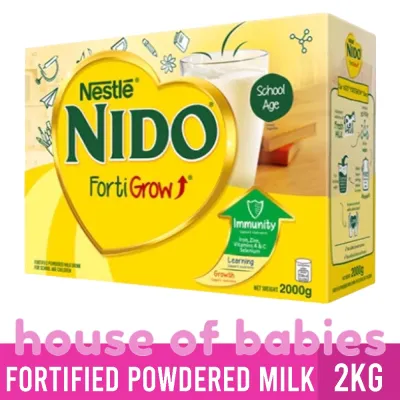
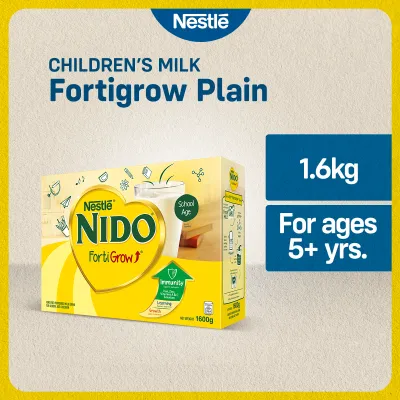


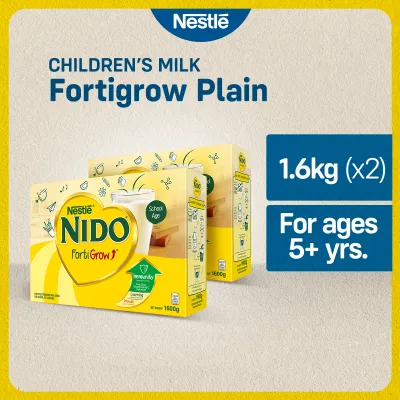

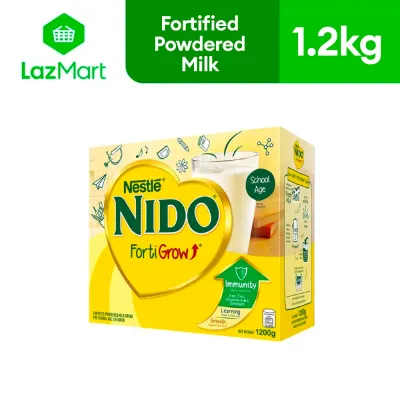
Prices are valid at publication and may change. Please refer to the product page for the latest price.
Nido FortiGrow is specifically formulated for school-age children, typically targeting kids aged three and above who are already eating a diverse range of solid foods. It is designed to supplement a school-ager’s daily diet rather than serve as a primary source of nutrition. Because school-age children face different physical and cognitive demands, this formulation focuses on nutrients that support active learning and physical endurance during school hours.
In contrast, both NAN and Enfagrow offer highly structured, stage-specific product lines. These brands provide distinct variants for toddlers (such as stage 3 for ages one to three) and preschoolers (stage 4 for ages three and up). These stage-based formulations are designed to transition children smoothly from infancy through early childhood, adjusting the levels of proteins, fats, and vitamins to match their changing metabolic rates.
When browsing the shelves of local supermarkets or online marketplaces, always check the front label and the manufacturer’s age recommendations to ensure the variant matches your child’s current growth stage. Feeding a toddler a milk designed for older school-aged children may not provide the precise nutrient ratios required for early development, while feeding an older child a toddler formula may not meet their increased energy demands.
How to Compare Nutritional Profiles on the Label
Evaluating the nutritional information panel on the back of the pack is more reliable than relying on front-of-pack marketing claims. To make an objective comparison, you should focus on several key components of the label.

First, compare the macronutrients, specifically the protein and fat content per serving. This helps you determine how well the milk aligns with your child’s daily energy needs and overall solid food intake. A child who is a picky eater may require a different macronutrient balance than one who consumes hearty, balanced meals. Protein is essential for muscle growth, while healthy fats support brain development and provide concentrated energy.
Second, examine the micronutrient levels. Look closely at the declared amounts of iron, calcium, zinc, and vitamins A, C, and D. These vitamins and minerals are essential for physical growth, bone development, and supporting the immune system, especially in tropical climates where active outdoor play and school attendance expose children to various environmental factors. Iron supports cognitive development and prevents anemia, while calcium and vitamin D work together to build strong bones and teeth.
Third, check the ingredient list for added sugars. Manufacturers may use sucrose, corn syrup solids, or artificial flavorings to enhance taste. Compare the total sugar content per serving across the three brands, as minimizing excessive added sugars is beneficial for long-term dental health and dietary habits. Look for terms like “sucrose” or “corn syrup” on the ingredient list, as these can contribute to a preference for overly sweet foods early in life.
Finally, look for special additives such as docosahexaenoic acid (DHA), arachidonic acid (ARA), prebiotics, or probiotics. Verify the exact amounts of these ingredients on the manufacturer’s current label, as formulations can change. Keep in mind that these additives should complement, not replace, a balanced diet. Probiotics and prebiotics support gut health, which is closely linked to overall immunity, while DHA and ARA are fatty acids associated with brain and eye development.
Decision Framework: Matching the Milk to Your Child's Needs
Selecting the right milk requires matching the product’s specific profile to your child’s observable daily needs and dietary habits.
You might choose Nido FortiGrow if your child is already of school age, consumes a varied diet of solid foods, and simply needs a convenient, fortified milk drink to help fill potential nutritional gaps. It is designed as a general growth companion for active, older children who require support for school readiness, daily physical activities, and cognitive focus in the classroom.
You might consider NAN if you are looking for stage-specific options for younger children, particularly if you want to focus on digestive comfort. Many NAN variants include specific probiotic strains or modified proteins; you should verify the exact strains and protein structures on the packaging to see if they align with your child’s digestive patterns. This brand is often considered when parents want to support a sensitive stomach or promote regular bowel movements.
You might opt for Enfagrow if you are seeking a widely available growing-up milk that emphasizes nutrients associated with brain development, such as DHA. This option is suitable if your child is within the recommended age range and accepts the brand’s specific taste profile. It is a popular choice for parents who prioritize cognitive support during the rapid brain growth phases of early childhood.
Regardless of these general categories, you must verify your child’s specific health status first. If your child has a history of food allergies, lactose intolerance, or any underlying medical conditions, consult a pediatrician before introducing or switching to any standard formula or growing-up milk. A professional medical assessment is the safest way to determine if your child requires a specialized hypoallergenic or lactose-free formula.
Practical Factors: Preparation, Acceptance, and Cost
Beyond nutrition, daily usability and financial sustainability play a major role in your choice.
Preparation and solubility can vary between brands. Always read the mixing instructions on the packaging, paying close attention to the recommended water temperature. In humid tropical environments, milk powder can clump if exposed to moisture, so observe how easily the powder dissolves in water without leaving residue at the bottom of the bottle or cup. Proper dissolution ensures your child gets the full nutritional value of each scoop.
Taste and acceptance are entirely up to your child. Even the most nutrient-dense milk is of no use if your child refuses to drink it. To avoid waste, purchase the smallest available pack size first to test your child’s acceptance before buying larger tins or bulk boxes. Children can be highly sensitive to subtle differences in sweetness, texture, and aroma between brands.
To evaluate the actual cost, calculate the cost per serving in ₱ rather than comparing the upfront shelf price of the packages. Divide the total retail price of the pack by the number of suggested servings listed on the nutritional panel. This calculation reveals the true daily cost of feeding, which is often different from what the initial price tag suggests, as scoop sizes and package weights vary.
Lastly, consider local availability. Ensure the specific brand and stage variant you choose is consistently stocked in your local supermarkets, pharmacies, or authorized online stores to avoid sudden disruptions in your child’s feeding routine. Running out of a specific milk and being forced to make a sudden switch can cause temporary digestive discomfort for your child.
Frequently Asked Questions (FAQ)
How do I safely transition my child to a new milk brand?
To minimize the risk of digestive upset, transition your child to a new milk brand gradually over several days. Start by mixing a small amount of the new milk powder with the old milk powder, gradually increasing the proportion of the new brand while decreasing the old one over a period of five to seven days. During this transition, monitor your child closely for any signs of intolerance, such as changes in stool consistency, excessive gas, vomiting, or skin rashes. If you observe any adverse reactions, stop the transition immediately and consult your pediatrician.
Can I mix different brands of formula milk in one bottle?
Mixing different brands or stages of milk powder in a single bottle for a regular feed is generally not recommended. Each brand is formulated with a precise balance of nutrients, and combining them can alter the overall nutrient concentration and osmolarity, potentially straining your child’s kidneys or digestive system. While a gradual transition involves mixing powders to help your child adapt, this should only be done as a temporary step. For daily feeding, always follow the exact water-to-powder ratio printed on the specific product’s label to ensure safe and proper hydration.

Community discussion
Share your experience or ask a question. Comments are reviewed before publication.