
Choosing the right powdered milk for your five-year-old child in the Philippines often comes down to understanding their daily diet, physical activity, and your family budget. With active preschoolers spending their days playing, learning, and adapting to warm tropical weather, their nutritional needs are highly dynamic. There is no single “best” milk formula that fits every child universally. Instead, the ideal choice between Nido 5+, NAN 4, and Enfagrow A+ depends on your child’s specific dietary gaps, taste preferences, and how well their digestive system handles different formulations. By focusing on label verification and observing your child’s daily habits, you can make an informed decision that supports their growth without overstretching your household budget.
Understanding Nutritional Needs for 5-Year-Olds
At five years old, your child has transitioned fully to solid foods as their primary source of nutrition. Breakfast, lunch, dinner, and healthy snacks should provide the bulk of their daily vitamins, minerals, and energy. Powdered milk at this stage serves as a supplementary beverage rather than a primary meal replacement. It helps fill in the nutritional gaps that might occur if your child is going through a picky eating phase or needs extra hydration during hot afternoons.
When examining the nutrition facts panel on any milk container, prioritize key nutrients that support a preschooler’s rapid physical development. Look closely at the levels of calcium and vitamin D, which work together to build strong bones and teeth. Iron is another critical nutrient to verify, as it supports healthy blood cells and overall energy levels. Additionally, check the protein content per serving to ensure it complements the protein your child already gets from fish, meat, eggs, or legumes.
Products mentioned in this guide
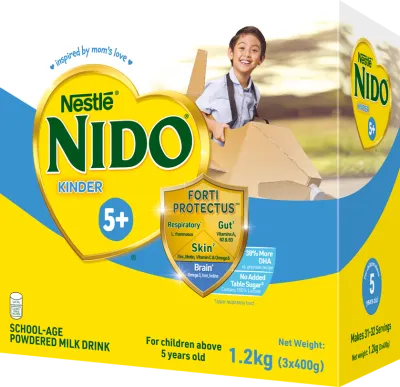
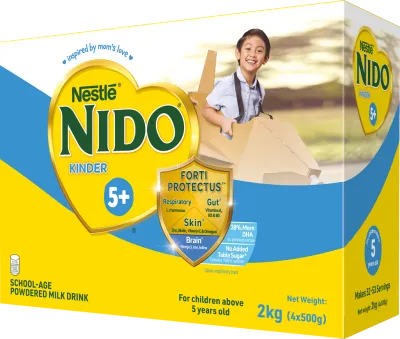
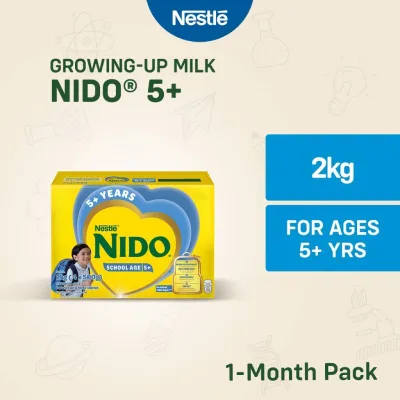
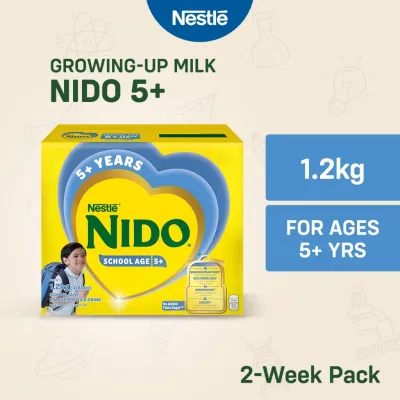
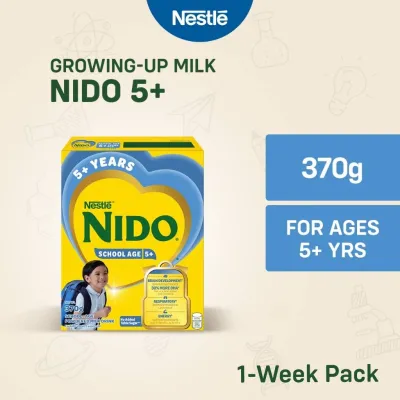
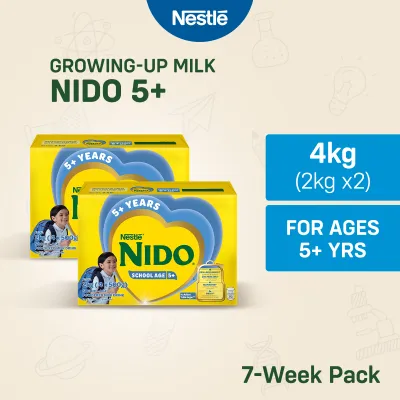
Prices are valid at publication and may change. Please refer to the product page for the latest price.
It is equally important to scrutinize the ingredient list for added sugars, such as sucrose, corn syrup solids, or maltodextrin. While some sugars occur naturally in milk as lactose, high amounts of added sugars can impact your child’s appetite for wholesome meals and affect dental health. Comparing the sugar content across different brands helps you choose a product that aligns with your family’s dietary guidelines and promotes balanced eating habits.
Comparing the Formulas: Nido 5+, NAN 4, and Enfagrow A+
As you walk down the milk aisle of your local supermarket or browse an online marketplace, you will find Nido 5+, NAN 4, and Enfagrow A+ positioned as popular options for growing children. Each of these brands targets slightly different developmental priorities, ranging from general growth to digestive comfort and cognitive support.

Rather than relying on eye-catching front-of-pack marketing claims, the most reliable way to compare these formulas is to turn the tin around and read the nutritional information panel. The following sections will guide you on what specific label claims, ingredients, and preparation instructions to verify for each brand so you can match them to your child’s unique needs.
Nido 5+: General Growth and Taste Profile
Nido 5+ is widely recognized for its focus on general growth support and its appealing, creamy taste profile. Many parents find that children accept this flavor easily, making it a practical option for daily consumption. It is typically formulated to support school-aged children as they engage in more structured physical and social activities.
When evaluating Nido 5+, take the time to verify the exact vitamin and mineral fortification levels printed on the current product label. Look specifically for the percentages of the daily recommended intake for vitamin C, zinc, and iron, which are commonly highlighted to support overall vitality. Because formulations can change periodically, checking the physical packaging ensures you have the most up-to-date nutritional data.
Additionally, pay close attention to the serving size and the recommended scoop-to-water ratio. Preparing the milk exactly as directed by the manufacturer is crucial for delivering the intended nutritional value. Using too much or too little powder can either strain your child’s digestion or dilute the nutrients, so always use the scoop provided in the specific tin you purchase.
NAN 4: Digestive Comfort and Immunity Checks
NAN 4 is often selected by parents who prioritize digestive comfort and gentle nutrition for their growing children. If your child has a sensitive stomach or occasionally experiences mild digestive irregularities, this formula’s ingredient profile warrants a closer look.
To evaluate these digestive claims, inspect the ingredient panel for specific probiotic strains, such as Bifidobacterium lactis, or prebiotic fibers like fructooligosaccharides (FOS) and galactooligosaccharides (GOS). These components are included to support a healthy gut microbiome, which plays a significant role in overall nutrient absorption. Make sure to verify these ingredients on the label rather than assuming they are present in every version of the product.
Furthermore, guide your evaluation by checking the label for specific immune-supporting nutrients like selenium, zinc, and vitamins A and C. Once you introduce this formula, observe your child’s stool patterns, gas levels, and general physical comfort over a couple of weeks. A comfortable tummy often translates to better sleep and happier playtimes, making digestive tolerance a key factor in your decision.
Enfagrow A+: Cognitive Nutrients and Label Verification
Enfagrow A+ is frequently associated with cognitive development and brain-supportive nutrients. As five-year-olds begin preschool or kindergarten, parents often look for dietary options that complement their child’s cognitive milestones and learning experiences.
When considering Enfagrow A+, turn to the nutritional panel to verify the specific levels of docosahexaenoic acid (DHA), arachidonic acid (ARA), and iron. These fatty acids and minerals are structural components of brain tissue and are highly emphasized in this product’s positioning. Check the exact milligram amounts of DHA per serving to understand how much it contributes to your child’s overall daily intake.
Keep in mind that while fortified milk can support a child’s diet, cognitive development is a multi-faceted process. It relies heavily on a balanced daily diet rich in whole foods, regular physical activity, adequate sleep, and engaging environmental stimulation. Milk should be viewed as one supportive element within a broader, stimulating lifestyle rather than a standalone solution for cognitive growth.
Practical Factors: Taste, Mixability, and Budget
Beyond nutritional profiles, daily usability and financial sustainability play major roles in choosing a powdered milk. A formula can have an impressive nutritional label, but if your child dislikes the taste or if the price strains your monthly budget, it will not be a viable long-term option.
Taste acceptance is often the first hurdle parents face. Children can be highly sensitive to subtle differences in sweetness, creaminess, and aroma. To avoid wasting money on a large tin that your child refuses to drink, always purchase the smallest available pack size first. This trial period allows you to test if your child enjoys the flavor before committing to a larger, more expensive purchase.
Mixability is another practical consideration, especially in the humid tropical climate of the Philippines. High humidity can cause milk powder to absorb moisture quickly once the tin is opened, leading to clumping. When preparing a glass, observe how easily the powder dissolves in warm water. A powder that dissolves smoothly without leaving stubborn clumps at the bottom of the glass ensures your child gets the full serving of nutrients and makes cleanup much easier for you.
To evaluate the financial impact of each option, do not simply compare the retail price of the tins. Instead, calculate the cost per serving using a simple formula. Look at the label to find the total net weight of the tin and the recommended weight per serving (usually expressed in grams per glass). Divide the total weight of the tin by the serving size to find the total number of servings per container. Finally, divide the retail price of the tin in ₱ by the total number of servings. This gives you the actual cost per glass, allowing you to make an accurate, budget-friendly comparison across different brands.
Making the Final Decision for Your Child
To make the final decision, use a structured framework based on your child’s primary needs and your household circumstances. Consider choosing Nido 5+ if your child prefers a creamy, familiar taste, has no specific digestive sensitivities, and you are looking for a cost-effective option for general growth support. Opt for NAN 4 if your child occasionally struggles with digestive comfort, and you want to prioritize gut health with specific probiotics and prebiotics that you have verified on the label. Select Enfagrow A+ if you want to focus on supplementary cognitive nutrients like DHA and are comfortable with its specific price point per serving.
Regardless of which brand you choose, always verify the product packaging first for any allergen warnings, especially if your child has a known sensitivity to cow’s milk protein or lactose. If your child experiences persistent digestive issues, skin rashes, vomiting, or complete refusal to drink the milk, stop using the product immediately and consult a pediatrician. A qualified healthcare professional can help identify underlying sensitivities and recommend specialized alternatives if necessary.
Ultimately, your child’s willingness to drink the milk consistently and enjoyably is a critical factor. A formula can only deliver its nutritional benefits if it is consumed regularly as part of a happy, active, and balanced daily routine.
Frequently Asked Questions (FAQ)
Can a 5-year-old drink regular fresh milk instead of growing-up milk?
Yes, plain fresh milk is an excellent and highly nutritious option for a five-year-old, provided they are already eating a balanced, varied diet of solid foods. Fresh milk naturally provides high-quality protein, calcium, and vitamin B12. However, if your child is a picky eater or has specific dietary gaps, fortified powdered milk can serve as a helpful bridge to ensure they receive adequate iron, vitamin D, and other micronutrients. If you are unsure whether your child needs the extra fortification of growing-up milk, consult your pediatrician for personalized dietary advice.
How many glasses of powdered milk should a 5-year-old drink daily?
You should strictly follow the serving suggestions and daily limits printed on the specific product’s label, which typically recommend one to two glasses per day. Drinking excessive amounts of milk can fill up your child’s stomach, reducing their appetite for solid foods at mealtime. This can lead to nutrient imbalances, particularly iron deficiency, as milk is naturally low in iron and can interfere with iron absorption from other foods. Monitor your child’s overall daily intake of dairy, including cheese and yogurt, to ensure a balanced diet.

Community discussion
Share your experience or ask a question. Comments are reviewed before publication.