
Selecting the right powdered milk for your growing child is a highly personal decision that depends on your child’s specific nutritional needs, taste preferences, and your family’s household budget. With options like Nido 5 Plus, NAN 5, and Enfagrow A+ 5 widely available in the Philippines, parents often find themselves comparing front-of-pack claims to determine which option offers the best support for their child’s development. Because manufacturers frequently update their formulations, ingredient sources, and retail pricing, there is no single universal winner that fits every family. Instead, the most reliable approach is to establish a practical framework for comparing nutrition labels, calculating the true cost per serving, and monitoring how well your child accepts the taste and texture. This guide provides a step-by-step comparison method to help you evaluate these three popular brands, enabling you to make an informed, confident choice at the grocery store or online marketplace.
Overview of Nido 5 Plus, NAN 5, and Enfagrow A+ 5
When navigating the milk aisle, understanding the general market positioning and target age groups of Nido 5 Plus, NAN 5, and Enfagrow A+ 5 is the first step toward making a selection. Each of these powdered milk brands is formulated for growing children, typically targeting those aged five years and older, though you must always verify the exact age recommendation printed on the packaging before purchase. Manufacturers design these products to supplement a balanced diet, aligning their marketing with the developmental milestones common to this active growth stage.
The front-label claims of these brands highlight different areas of developmental support, which can help you align your choice with your child’s current needs. For instance, some formulations emphasize immune system support, showcasing vitamins and minerals that contribute to normal immune function. Others focus heavily on cognitive development, highlighting ingredients associated with brain health, while some position themselves as all-around growth companions supporting bone strength and physical activity. It is important to remember that these marketing focuses are general guides rather than clinical guarantees, and they should always be cross-referenced with the detailed nutrition facts panel on the back of the package.
Products mentioned in this guide
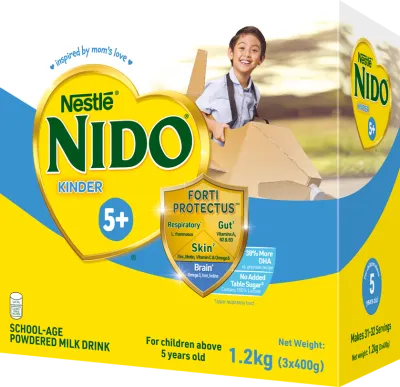
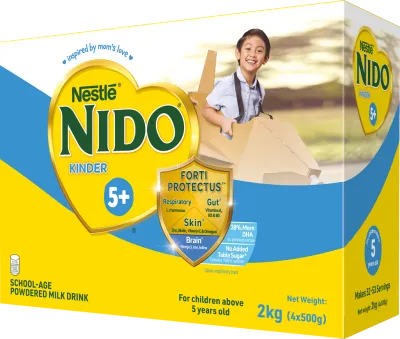
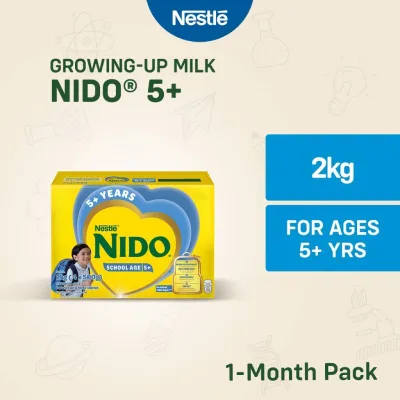
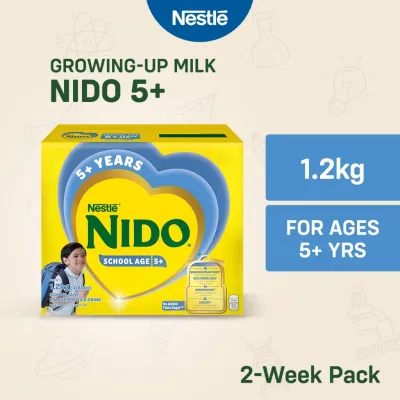
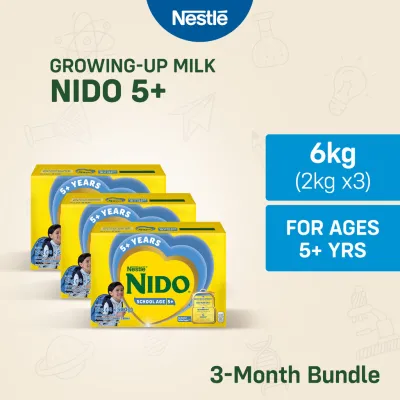
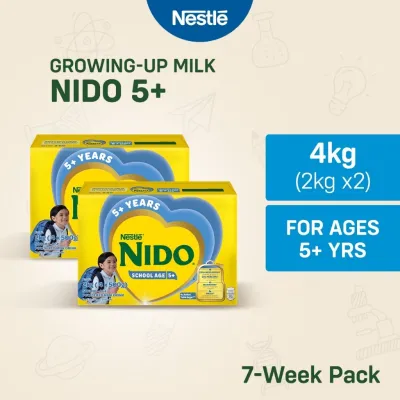
Prices are valid at publication and may change. Please refer to the product page for the latest price.
Before committing to a specific brand, always inspect the physical packaging in your local supermarket or preferred online store. Check the manufacturing and expiration dates to ensure freshness, and look for any localized packaging variations that might indicate changes in the formulation. Because product lines can differ by region and are updated periodically, verifying the specific variant and its intended age group on the physical container is the only way to ensure you are purchasing the correct product for your child’s developmental stage.
Comparing Nutritional Profiles on the Label
To objectively evaluate Nido 5 Plus, NAN 5, and Enfagrow A+ 5, you must look past the front-of-pack marketing and carefully analyze the nutrition facts panel and ingredient list. Start by comparing the essential vitamins and minerals that support daily growth and physiological functions. Specifically, look at the declared amounts of calcium, which is vital for bone and teeth development, alongside iron and zinc, which play critical roles in cognitive function and immune support. Additionally, check the percentages or absolute values of vitamins A, C, and D per serving, as these micronutrients work synergistically to support vision, skin health, and calcium absorption in growing children.

Beyond the standard vitamins and minerals, pay close attention to the source and quantity of carbohydrates in the ingredient list. Examine the label for added sugars, such as sucrose, corn syrup solids, or maltodextrin, which are sometimes used to enhance flavor or texture but may not align with your dietary preferences for your child. A high-quality formulation typically prioritizes lactose as the primary carbohydrate source while keeping added sugars to a minimum. You should also check for the presence of artificial flavorings or preservatives, opting for brands that keep these additives as low as possible to support a more natural diet.
Many modern growing-up milks also feature specialized functional ingredients, such as docosahexaenoic acid (DHA), lutein, or specific probiotic strains and prebiotic fibers. When comparing these brands, locate these ingredients on the label and verify their exact declared amounts per serving rather than relying on their presence alone. Keep in mind that the mere inclusion of an ingredient does not guarantee a specific health outcome, so comparing the actual concentrations is key to assessing value. If your child has specific dietary restrictions, food allergies, lactose sensitivity, or unique nutritional gaps, always consult a pediatrician or a registered dietitian before introducing a new milk brand to ensure it is safe and appropriate for their health profile.
Assessing Taste, Mixability, and Child Acceptance
Even the most nutritionally complete powdered milk is of little value if your child refuses to drink it, making taste and preparation practical priorities. When you first open a tin, observe the physical characteristics of the powder, such as its texture, color, and aroma. Follow the manufacturer’s precise preparation instructions on the packaging, noting how easily the powder dissolves in water. Some powders mix smoothly in room-temperature or cool water, while others may require warm water or vigorous shaking to prevent clumping and residue at the bottom of the glass. Easy mixability not only saves time during busy mornings but also ensures a consistent texture that children find more appealing.
Introducing a new milk brand to a child requires a gradual and patient approach to avoid sudden rejection. Instead of switching brands overnight, consider a transitional strategy where you slowly introduce the new milk alongside their current preferred drink. You can start by offering a small, separate portion of the new milk during a relaxed time of day, or gradually mix the two powders in shifting ratios over several days, provided both manufacturers’ preparation guidelines allow for such mixing. This gradual introduction allows your child’s palate to adjust to subtle differences in sweetness, creaminess, and aroma without causing sensory overwhelm.
Because children’s taste preferences are highly individual and can change rapidly, there is always a chance your child may reject a new brand entirely. Before purchasing a large tin, check the retailer’s return, exchange, or refund policies regarding opened or partially used products, though many local stores in the Philippines only accept returns for unopened items with manufacturing defects. To minimize financial risk, look for smaller trial packs or sachets when first testing a brand. Remember that a child’s preference for a sweeter or creamier taste does not indicate nutritional superiority; your goal is to find a balance between a flavor your child enjoys and a nutritional profile you approve of.
Evaluating Price, Serving Size, and Value
To determine which powdered milk fits sustainably into your family’s monthly budget in the Philippines, you must calculate the true cost per serving rather than simply comparing the retail price of the tins. To do this, locate the net weight of the package and the manufacturer’s recommended serving size in grams, which is usually found in the preparation instructions. Divide the total net weight by the serving size to find the approximate number of servings per container. Finally, divide the retail price (in ₱) by the number of servings to determine the exact cost per glass, allowing for an accurate, head-to-head financial comparison.
When shopping in local supermarkets or verified online stores, compare the different packaging formats available for Nido 5 Plus, NAN 5, and Enfagrow A+ 5. Large metal tins often carry a higher upfront cost but may offer a lower cost per gram compared to smaller tins. Additionally, look for refill pouches or box packs, which are frequently more economical than rigid tins because they use less packaging material. If you choose refill packs, ensure you have a clean, airtight container ready for safe storage to protect the powder from the tropical humidity of the Philippines.
To estimate your realistic monthly expenditure, multiply the calculated cost per serving by the number of glasses your child consumes daily, as recommended by your pediatrician or the product packaging. This monthly estimate will give you a clearer picture of long-term affordability than a single store transaction. While it is tempting to chase discounts, bundle deals, or online promotions, always verify the expiration dates on promotional items. Buying in bulk is only cost-effective if your child can safely consume the milk before it expires and if you have a cool, dry storage space free from pests and moisture.
Decision Framework: Which Brand Should You Choose?
Choosing between Nido 5 Plus, NAN 5, and Enfagrow A+ 5 ultimately comes down to matching each brand’s specific characteristics with your child’s developmental needs and your household’s financial plan. If your primary goal is to find a widely accessible option that aligns with standard growth support claims, and your child prefers a familiar, classic milk taste while your budget favors a highly competitive cost per serving, Nido 5 Plus may be the most practical choice for your household.
Alternatively, you might lean toward NAN 5 if you prefer a formulation that emphasizes specific ingredient processing, specialized nutrient ratios, or a particular balance of proteins and fats that aligns with your dietary goals. This option is suitable for parents who prioritize these specific manufacturing standards and whose monthly budget comfortably accommodates the corresponding price per serving.
On the other hand, Enfagrow A+ 5 may be the right fit if your focus is directed toward highlighted developmental ingredients, such as specific levels of DHA or other brain-support components, and you are comfortable allocating a larger portion of your monthly budget to cover its specific cost structure.
Regardless of which brand seems most appealing on paper, your child’s unique health profile must always come first. If your child has any underlying health conditions, lactose sensitivity, food allergies, or requires a specialized diet, do not rely solely on retail product labels. Always consult a qualified healthcare professional, such as a pediatrician or pediatric nutritionist, to receive personalized guidance and verify that your chosen powdered milk is safe and beneficial for your child’s specific developmental journey.
Frequently Asked Questions (FAQ)
How do I safely transition my child to a new powdered milk brand?
Transitioning your child to a new powdered milk brand should be done gradually over a period of one to two weeks to allow their digestive system to adapt. Start by replacing a small fraction of their daily milk intake with the new brand—for example, offering one feed of the new milk and keeping the rest as the old brand. Over several days, slowly increase the proportion of the new milk while decreasing the old one. During this transition, closely monitor your child for any signs of digestive discomfort, such as bloating, changes in stool consistency, unusual gassiness, or skin rashes. If you observe any persistent discomfort, vomiting, or signs of an allergic reaction, stop the transition immediately and consult your pediatrician for guidance.
What is the proper way to store opened powdered milk?
In the warm and humid climate of the Philippines, proper storage is essential to maintain the quality, flavor, and safety of opened powdered milk. Store the container in a cool, dry pantry or cupboard, keeping it far away from direct sunlight, stove heat, and areas of high humidity like the sink. Always seal the lid tightly immediately after use to prevent moisture and pests from entering. When scooping the powder, use only the clean, dry scoop provided in the container, and never use wet utensils or hands, as moisture can cause clumping and mold growth. Most manufacturers recommend consuming the powdered milk within three to four weeks of opening; always check the specific packaging instructions for the exact timeframe and discard any powder that shows signs of clumping, off-odors, or discoloration.

Community discussion
Share your experience or ask a question. Comments are reviewed before publication.