
Choosing the best powdered milk for your 3-year-old depends on your child’s specific developmental priorities, digestive tolerance, and your family’s budget. There is no single option that fits every toddler. Instead, Nido 3+, NAN 3, and Enfagrow A+ 3 each target distinct nutritional areas. For general physical growth, bone development, and affordable daily immunity support, Nido 3+ (often searched as nido 3 plus) is a popular choice. For toddlers with sensitive stomachs who need digestive comfort, NAN 3 emphasizes gut health with specific probiotics. Meanwhile, Enfagrow A+ 3 focuses heavily on cognitive development with high levels of DHA.
At three years old, your child’s primary source of nutrition must come from a diverse, balanced diet of solid foods. Powdered milk serves as a supplement to fill potential nutritional gaps. Before making any major changes to your toddler’s diet or transitioning between milk brands, always consult your pediatrician to ensure the choice aligns with your child’s specific growth and health requirements.
Quick Answer: Which Powdered Milk Should You Choose?
To help you make a swift decision, here is a breakdown of how these three popular milk brands compare. The ideal choice depends on what your child needs most at this stage of their development.
Products mentioned in this guide
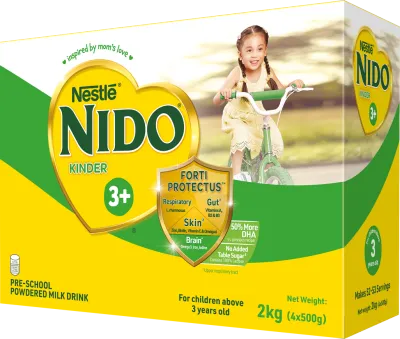
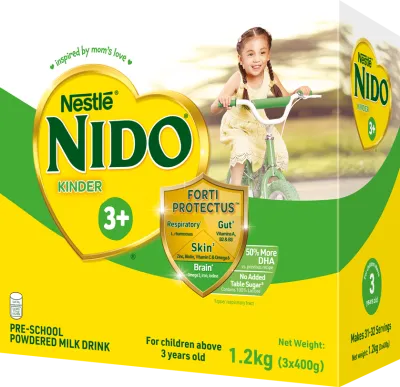
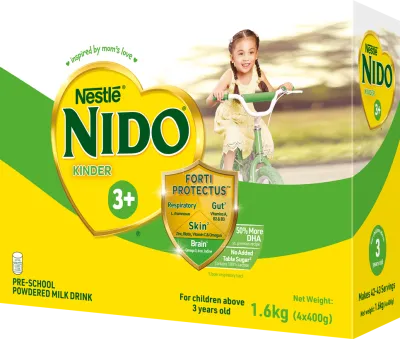
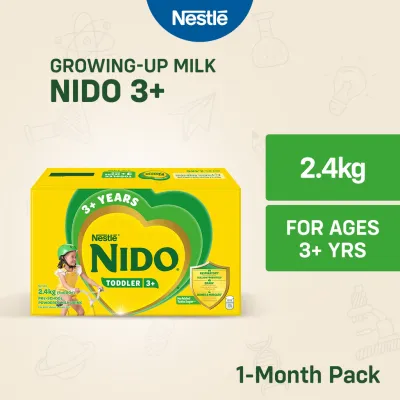
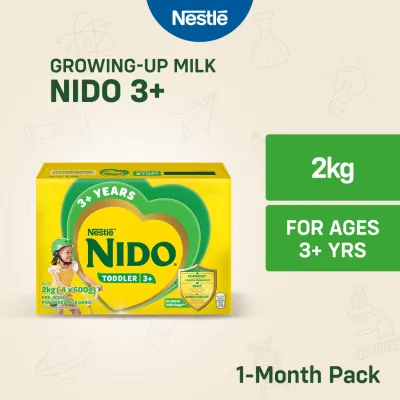
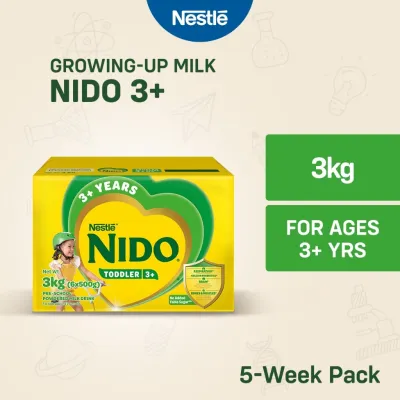
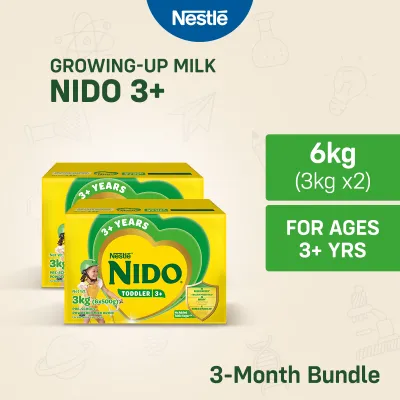
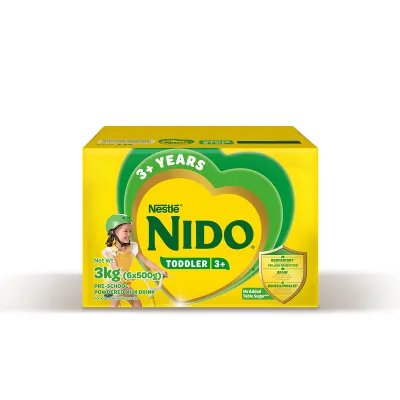
Prices are valid at publication and may change. Please refer to the product page for the latest price.
Nido 3 Plus is formulated for active, growing toddlers, focusing on physical growth, bone strength, and basic immune defense. It provides a practical, cost-effective option for daily consumption.
NAN 3 targets digestive health. If your toddler experiences occasional tummy troubles, bloating, or irregular bowel movements, NAN 3’s focus on gut comfort and nutrient absorption through specialized probiotics makes it a strong candidate.
Enfagrow A+ 3 is designed for parents prioritizing brain development and cognitive support. It contains a higher concentration of DHA and other brain-supportive nutrients, positioning it as a premium option for mental development.
Keep in mind that every child’s digestive system and taste preferences are unique. What works perfectly for one toddler might not suit another, making it essential to monitor how your child reacts to a specific formula.
Nutritional Profiles: What Each Brand Focuses On
Understanding the nutritional philosophy behind each brand helps you look past marketing claims and analyze what actually goes into your child’s glass. While all three brands provide essential vitamins and minerals, their primary focus areas differ significantly.

To evaluate these milks, parents should examine the nutrition information panel on the packaging. Key factors to compare include the presence of docosahexaenoic acid (DHA), prebiotic fibers, probiotic cultures, calcium, vitamin D, and the amount of added sugars.
Because manufacturing batches, regional formulations, and product lines can change over time, always verify the exact ingredient list and nutrient values on the physical tin or box before purchasing.
Nido 3 Plus (Nido Fortified): Growth and Immunity
Nido 3 Plus is specifically designed to support the physical development and immune systems of toddlers aged three and older. This stage of childhood is marked by rapid physical activity and increased exposure to environmental germs, especially as children start interacting more with peers or attending preschool.
The nutritional profile of Nido 3 Plus emphasizes a blend of micronutrients often referred to as immunity builders. These typically include vitamins A, C, and E, alongside zinc and selenium, which play critical roles in supporting the body’s natural defenses. Additionally, it contains calcium and vitamin D to support bone and teeth development during this active growth phase.
Parents should review the label of Nido 3 Plus to check for specific fortification levels, iron content, and any added sugars. While it provides excellent value for physical growth, verifying the sugar content is important for parents who wish to limit sucrose or other added sweeteners in their toddler’s daily diet.
NAN 3: Digestive Comfort and Gut Health
NAN 3 focuses heavily on the digestive system, operating on the principle that a healthy gut is the foundation for overall growth, immunity, and nutrient absorption. Toddlers can sometimes struggle with transitioning to solid foods or experience minor digestive upsets, making gut comfort a high priority for many parents.
The standout feature of NAN 3 is its inclusion of active probiotic strains, such as Lactobacillus reuteri or other beneficial bacteria, alongside prebiotic fibers. These components work together to promote a balanced gut microbiome, soften stools, and support comfortable digestion. By maintaining a healthy gut flora, NAN 3 aims to optimize how well a toddler absorbs essential nutrients from their daily solid food intake.
When choosing NAN 3, parents should verify the specific probiotic strains and prebiotic types listed on the packaging. This is particularly important if your child has specific dietary sensitivities or if a pediatrician has recommended a particular type of digestive support.
Enfagrow A+ 3: Brain Development and DHA
Enfagrow A+ 3 positions itself as a premium milk formula with a primary focus on cognitive development and brain health. The toddler years represent a critical window for brain growth, language acquisition, and cognitive processing, which is why this formula prioritizes nutrients that support neural pathways.
The core of Enfagrow A+ 3’s nutritional strategy is its high concentration of DHA (docosahexaenoic acid), an omega-3 fatty acid that is a major structural component of the brain and retina. This is often paired with other brain-supportive nutrients like choline, iron, iodine, and zinc, which contribute to normal cognitive and visual development.
Parents considering Enfagrow A+ 3 should look closely at the nutrition panel to check the exact milligrams of DHA per serving. Comparing this number with regional daily recommended intakes for toddlers can help you determine if the premium price matches your child’s dietary needs, especially if they do not regularly consume DHA-rich foods like fatty fish.
Taste, Texture, and Toddler Acceptance
Even the most nutritionally perfect milk is useless if your toddler refuses to drink it. Taste, texture, and how easily the powder dissolves are practical factors that directly affect daily feeding routines in Filipino households, where humidity can also impact powder storage.
Nido 3 Plus is widely recognized for its rich, creamy, and classic milk flavor. It tends to appeal to toddlers who prefer a traditional, slightly sweet milk taste. NAN 3, due to its specialized digestive ingredients and probiotic formulation, has a milder, less sweet profile that some toddlers prefer, though it may take a short adjustment period for children accustomed to sweeter drinks. Enfagrow A+ 3 has a distinct taste profile due to its high DHA content, which is derived from marine or algal sources; while manufacturers use advanced techniques to mask any fishy notes, some sensitive toddlers may notice the unique flavor.
Mixability is another practical consideration. In the warm, humid climate of the Philippines, milk powder can clump if not stored or mixed correctly. Nido 3 Plus generally dissolves easily in lukewarm water. NAN 3 and Enfagrow A+ 3 also dissolve well, but they require careful adherence to the manufacturer’s temperature guidelines—especially NAN 3, as water that is too hot can destroy the live probiotic cultures.
To transition your toddler to a new milk brand, introduce it gradually. Start by mixing a small portion of the new milk with their current milk, slowly increasing the ratio of the new brand over seven to ten days. This gradual transition helps the child adjust to the new taste and allows you to monitor their digestive system for any adverse reactions.
Price-to-Value Ratio: Cost Per Serving Analysis
Feeding a growing toddler is a long-term financial commitment, making the price-to-value ratio a major factor for Filipino parents. Simply comparing the price tag of a tin or box of milk at the supermarket can be misleading; instead, calculating the cost per serving provides a much clearer picture of your monthly expenses.
To calculate the true cost, divide the retail price of the package by the number of servings it yields, which is determined by the recommended scoop size and water ratio. Some brands require more scoops per glass than others, meaning a cheaper tin might run out faster and cost more in the long run.
Generally, Nido 3 Plus is positioned as a highly accessible, value-oriented option in the Philippine market, offering a lower cost per serving that fits comfortably into standard household budgets. NAN 3 is positioned in the mid-to-high price range due to its specialized digestive formulations and probiotic content. Enfagrow A+ 3 sits in the premium tier, commanding a higher price per serving due to its advanced DHA levels and cognitive-focused ingredient list.
Parents can check current pricing, bulk discounts, and promotional bundles at major physical supermarkets or through official brand stores on verified e-commerce platforms in the Philippines. Buying in larger tin sizes or multi-packs often reduces the cost per serving, but always check the expiration dates to ensure the product remains fresh.
Decision Framework: Choosing Nido 3 Plus, NAN 3, or Enfagrow A+ 3
To make your final decision easier, you can match your child’s current growth priorities and your household budget to the specific profiles of these three milk brands.
- Choose Nido 3 Plus if: You are looking for a reliable, budget-friendly daily milk that supports general physical growth and bone development. Your child enjoys a creamy, traditional milk taste and has no history of digestive issues. You want a solid foundation of essential vitamins and minerals (like vitamins A, C, E, and zinc) for daily immune support without paying a premium price.
- Choose NAN 3 if: Your toddler has a sensitive stomach, experiences occasional constipation, bloating, or loose stools, and could benefit from active probiotics. You want to focus heavily on gut health and maximizing nutrient absorption from solid foods, and you are willing to spend a moderate to high amount for specialized digestive comfort.
- Choose Enfagrow A+ 3 if: Your primary goal is to support cognitive development, memory, and visual health during these crucial early learning years. Your child's daily diet is low in natural sources of DHA (such as fish or seafood), and you want to ensure they meet recommended intake levels while your household budget comfortably accommodates a premium-priced milk formula.
Verify first if: Your child has a diagnosed cow’s milk protein allergy, lactose intolerance, or any other metabolic condition. In these cases, standard growing-up milks like Nido 3 Plus, NAN 3, and Enfagrow A+ 3 are not suitable, and you must consult a pediatrician for specialized, hypoallergenic, or lactose-free alternatives.
Remember that after the age of three, powdered milk should only serve as a complement to a diverse solid-food diet. If your child is a picky eater or has specific nutritional deficiencies, seek professional medical advice to tailor their diet rather than relying solely on milk to fill the gaps.
Frequently Asked Questions (FAQ)
Can I mix Nido 3+, NAN 3, and Enfagrow A+ 3 together?
It is not recommended to mix different milk powders together in the same bottle or glass. Each brand has a unique nutrient concentration, scoop size, and specific preparation instructions designed to deliver a balanced serving. Mixing them can alter the nutrient density, potentially leading to digestive upset, constipation, or an imbalance in your child’s daily nutrient intake. If you need to switch brands, do so by transitioning fully over a week rather than blending the powders.
How many glasses of powdered milk should a 3-year-old drink daily?
For toddlers aged three, pediatricians generally recommend around 2 to 3 cups (approximately 400 to 500 ml) of milk per day. Drinking too much milk can fill up your toddler’s small stomach, leaving little room for solid foods. This can lead to picky eating habits and increase the risk of iron-deficiency anemia, as milk is low in iron and can interfere with the absorption of iron from other dietary sources.
What should I do if my toddler refuses the new milk brand?
If your toddler rejects a new milk, avoid forcing them to drink it. Instead, try a gradual transition by mixing a small amount of the new milk with their familiar brand, slowly increasing the new milk’s proportion over several days. Also, pay close attention to the water temperature; some powders dissolve better and taste more appealing when mixed with lukewarm water rather than cold or hot water. If refusal persists, consult your pediatrician to explore alternative options or check for underlying feeding issues.

Community discussion
Share your experience or ask a question. Comments are reviewed before publication.