
Choosing the right toddler formula for your child between the ages of 1 and 3 is a highly individualized decision. There is no single formula that fits every toddler universally. Instead, the ideal choice depends on your child’s specific developmental milestones, digestive tolerance, and dietary gaps.
You might choose Nido 1+ if your primary goal aligns with general growth support and a taste profile your child enjoys, as verified on its current packaging. This option is often favored by parents looking for a reliable daily supplement that supports active, growing toddlers.
Alternatively, NAN may be the more suitable option if your child’s digestive comfort is your main focus and you can verify specific gut-health ingredients on its label. It is designed to cater to developing digestive systems that require gentler processing.
Products mentioned in this guide
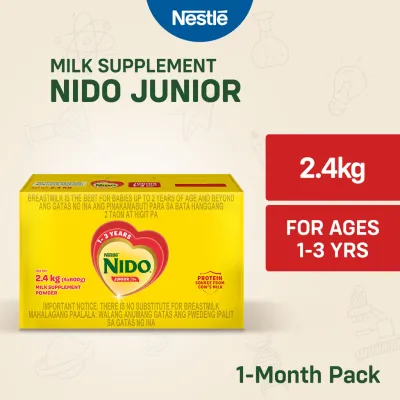
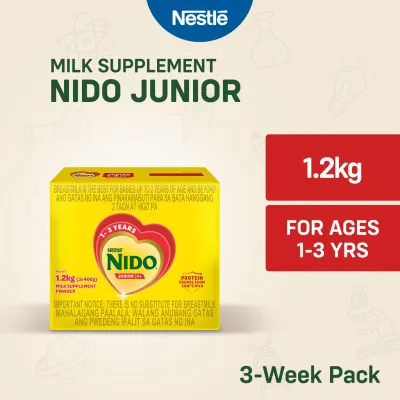
![[ONLINE EXCLUSIVE] NIDO JUNIOR 1+ Milk Supplement Powder for Children 1-3 Years Old 4kg](https://img.lazcdn.com/g/p/346169b16d6126178676b1f57c9aec63.jpg_400x400q80.jpg_.webp)
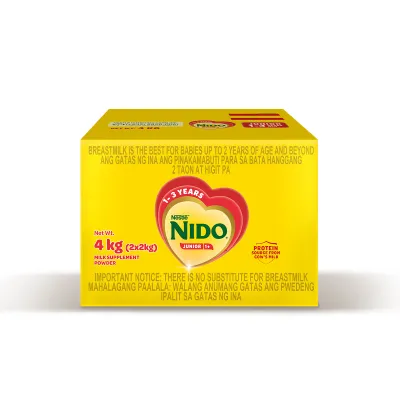


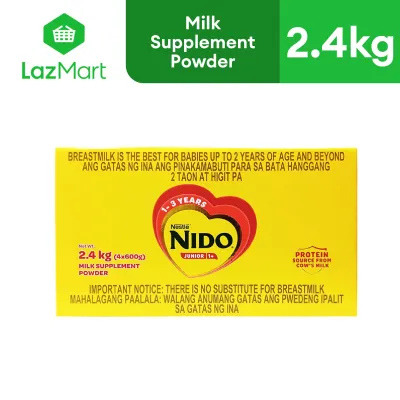
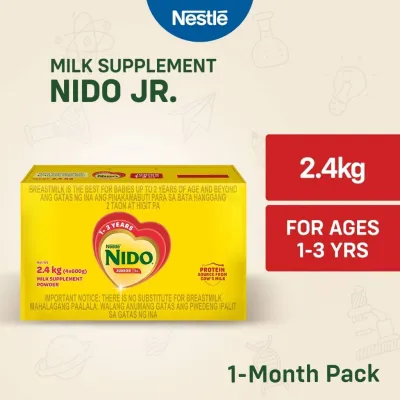
Prices are valid at publication and may change. Please refer to the product page for the latest price.
If you are looking to target specific brain development nutrients, Enfagrow A+ might be your preferred choice, provided those nutrients are clearly declared and quantified on its ingredient list. This formula often emphasizes cognitive and visual support components.
Keep in mind that none of these standard formulas are appropriate if your toddler has a diagnosed milk allergy, lactose intolerance, or other medical conditions requiring a specialized prescription formula. Always consult a pediatrician first if your toddler has a history of adverse reactions to standard cow’s milk protein.
Understanding Nutritional Needs for 1 to 3 Year Olds
Between the ages of 1 and 3, toddlers undergo rapid physical and cognitive development. During this stage, their nutritional requirements shift significantly from infancy. They require a steady intake of key macronutrients like proteins and healthy fats, alongside essential micronutrients such as calcium, iron, and vitamin D to support bone growth and immune function. Essential fatty acids are also critical during this window to support ongoing brain development.
It is important to view toddler formula as a nutritional supplement rather than a complete meal replacement. By age one, solid foods should become the primary source of nutrition for your child. Formula serves as a safety net to fill in potential nutritional gaps, especially during phases of picky eating or when access to a fully balanced diet is challenging.
When searching for options like Nido 1 to 3 years, understanding how to spot nutritional gaps is highly beneficial. Parents can look for specific observable signs to determine if their child might benefit from a supplemental formula. If your toddler consistently refuses key food groups like leafy greens or iron-rich meats, or if they are experiencing slow weight gain, a fortified milk drink can offer peace of mind. Conversely, if your child happily consumes a diverse diet of fruits, vegetables, grains, and proteins, regular family meals alongside whole cow’s milk may already meet all their nutritional needs.
Comparing Nutritional Profiles and Key Ingredients
When standing in the milk aisle, comparing the labels of Nido 1+, NAN, and Enfagrow A+ is the most reliable way to make an informed choice. Start by examining the declarations for docosahexaenoic acid (DHA) and arachidonic acid (ARA). These essential fatty acids are crucial for brain and eye development. Look closely at the nutrition facts panel to see the exact milligrams of DHA per serving, as these amounts can vary significantly between brands.

Next, compare the percentages of iron, calcium, and vitamin D against the local daily recommended values for toddlers in the Philippines. Iron is vital for preventing anemia and supporting cognitive function, while calcium and vitamin D work together to build strong bones and teeth. Because tropical climates and indoor lifestyles can sometimes limit natural vitamin D synthesis, ensuring your chosen formula provides an adequate daily percentage is a practical step.
Another critical aspect of label reading is identifying added sugars and carbohydrates. Scan the ingredient list for terms like sucrose, corn syrup solids, maltodextrin, or artificial flavorings. While some carbohydrates are necessary for energy, minimizing added sugars helps establish healthy taste preferences early on and protects your toddler’s developing teeth from decay.
Evaluating Digestibility and Gut Health Support
A toddler’s digestive system is still maturing, making digestibility a top priority for many parents. When evaluating Nido, NAN, and Enfagrow, look for specific gut-health ingredients on the packaging. Probiotics (live beneficial bacteria) and prebiotics (dietary fibers that feed good bacteria) are commonly added to support a healthy gut microbiome. Check the ingredient list for specific probiotic strains, such as Lactobacillus rhamnosus or Bifidobacterium lactis, to verify what you are paying for.
Understanding the protein structure in these formulas is also helpful. Standard toddler formulas typically use intact cow’s milk protein, which is perfectly fine for most healthy toddlers. However, some product lines may offer partially hydrolyzed proteins. These are proteins that have been broken down into smaller pieces, making them easier for sensitive tummies to digest and reducing the likelihood of mild gas or bloating.
Ultimately, the best indicator of digestibility is your child’s physical response. After introducing a formula, observe your toddler’s stool consistency, frequency, and overall comfort. Normal, soft stools and a happy, active toddler indicate good digestive tolerance, whereas frequent loose stools, hard constipation, or excessive gassiness suggest the formula may not be the right match.
Assessing Taste, Mixability, and Toddler Acceptance
Practical daily preparation and sensory appeal play a major role in whether a formula succeeds in your household. Solubility is a key factor, especially during busy mornings. Some formulas dissolve quickly in warm water, while others may require vigorous shaking and tend to clump. Clumping not only clogs bottle nipples or sippy cup spouts but can also lead to inconsistent nutrient delivery if the powder remains stuck to the bottom of the cup.
Taste preferences vary widely among toddlers. Some brands include added vanilla, honey, or other flavorings to make the milk more appealing to young palates. While these flavors can increase immediate acceptance, they also accustom your child to sweeter tastes. If you prefer to avoid early sugar habits, look for formulas that rely on the natural, mild taste of milk without added flavorings.
If you are transitioning a picky toddler from breastmilk, fresh milk, or a different formula brand, a gradual approach is essential to prevent feeding aversion. Start by introducing the new formula in small amounts, perhaps mixing a small portion with their current milk. This allows their taste buds and digestive system to adjust slowly to the new flavor and texture without causing sudden resistance.
How to Calculate Value and Verify Product Authenticity
Managing a household budget in the Philippines requires a smart approach to purchasing toddler formula. To find the true cost-effectiveness of Nido, NAN, and Enfagrow, do not rely solely on the retail price of the tin or box. Instead, calculate the cost per serving or the cost per 100 grams using the ₱ price tag. A larger box might have a higher upfront cost but often offers a lower price per gram, making it more economical in the long run.
When shopping at local supermarkets or online grocery stores, physical safety checks are paramount. Always inspect the packaging for intact safety seals and ensure there are no dents, punctures, or signs of moisture damage, which can easily occur in high-humidity tropical environments. Check the expiration date carefully, ensuring you have ample time to use the product before it expires.
To protect your child from counterfeit products, verify the manufacturer’s contact details, batch codes, and any official holograms on the packaging. Purchasing exclusively from authorized distributors, official brand stores, or reputable supermarket chains is the safest way to guarantee product authenticity and ensure the milk powder has been stored under proper temperature-controlled conditions.
Transitioning Formulas and Monitoring Your Toddler's Response
Switching your toddler to a new formula should always be a gradual process to protect their sensitive digestive tract. A standard transition schedule spans 5 to 7 days. On days 1 and 2, mix one part of the new formula with three parts of the old formula. On days 3 and 4, use a half-and-half mixture. By days 5 and 6, move to three parts new formula and one part old, before transitioning completely to the new formula on day 7.
During this transition period, closely monitor your toddler’s physical response. Positive signs of tolerance include a consistent appetite, steady energy levels, and normal, soft stool consistency. These indicators show that your child’s digestive system is adapting well to the new nutrient profile.
Conversely, you must be vigilant for signs of intolerance or allergic reactions. If your toddler experiences persistent vomiting, severe skin rashes, hives, chronic diarrhea, or extreme fussiness after feedings, stop using the new formula immediately. Under these conditions, seek professional medical advice from a pediatrician or qualified healthcare provider to identify the underlying cause and find a safe alternative.
Frequently Asked Questions (FAQ)
Can I mix different toddler formula brands together in one bottle?
Mixing different toddler formula brands in a single bottle is generally discouraged. Each brand is formulated with a specific balance of nutrients, water-to-powder ratio, and osmolality designed to be digested as a complete system. Combining them can alter this delicate balance, potentially leading to digestive strain or improper nutrient absorption. If you are transitioning between brands, it is safer to offer them in separate feedings throughout the day rather than mixing them together in one container.
When should I stop giving my toddler formula milk?
Most pediatricians recommend transitioning away from toddler formula around the age of 2 to 3 years, especially if your child is consistently eating a balanced diet of solid foods. At this stage, whole fresh milk or a diverse diet of family meals can typically provide all the necessary nutrients. However, because every child’s growth curve and dietary intake are unique, you should consult your pediatrician for personalized guidance on when to stop formula milk based on your toddler’s specific health needs.

Community discussion
Share your experience or ask a question. Comments are reviewed before publication.