
Welcoming a newborn brings a wave of joy along with an overwhelming array of baby products claiming to be absolute necessities. In reality, a newborn’s delicate skin requires very little to stay clean, healthy, and comfortable. Stripping away the marketing noise reveals that you only need a few basic, fragrance-free items to care for your baby safely, especially in a warm and humid tropical climate where heavy products can easily clog pores and cause heat rash.
The True Essentials for Newborn Bath Time
Bathing a newborn is less about scrubbing away dirt and more about gently rinsing sweat, milk spills, and diaper residue. For the first few weeks, plain lukewarm water is often entirely sufficient for your baby’s daily needs. Introducing soap too early can disrupt the natural protective barrier of their skin, which is still adapting to the environment outside the womb.
When you do begin using cleansers, look for a mild, fragrance-free baby wash or a combined shampoo-and-body-wash formula. These liquid cleansers should be formulated specifically for infants to minimize the risk of eye irritation and skin dryness. A single, versatile bottle simplifies your bath routine and reduces the number of ingredients exposed to your baby’s skin.
Products mentioned in this guide
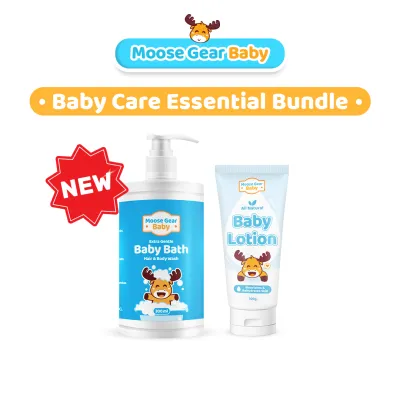
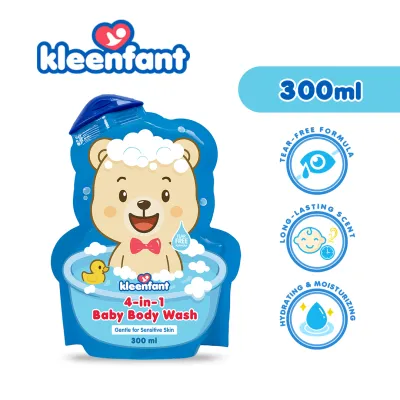
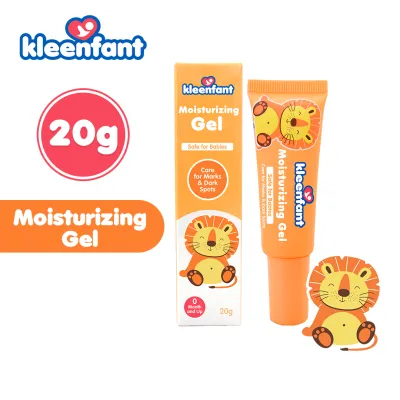
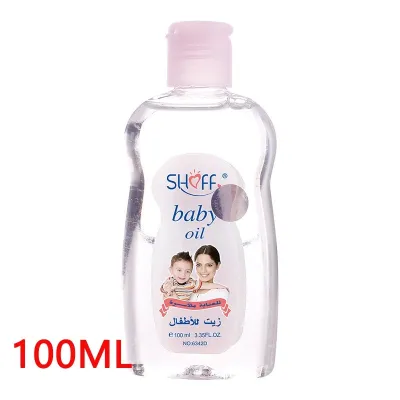
Prices are valid at publication and may change. Please refer to the product page for the latest price.
To support your baby safely during bath time, a dedicated baby tub with a supportive, non-slip design is highly practical. This helps you maintain a secure grip on a slippery infant while keeping their head safely above the water. Pair this with a couple of soft, non-abrasive cotton washcloths for gentle wiping and a hooded towel to wrap them up immediately afterward, preventing rapid cooling.
Skincare Must-Haves for Delicate Newborn Skin
A newborn’s skin barrier is thin and loses moisture quickly, yet it is also highly sensitive to heavy, occlusive products. In humid tropical environments, lightweight, fragrance-free moisturizers or ointments are ideal for targeting specific dry patches rather than slathering the entire body. Applying a thin layer to areas prone to flaking, such as the wrists and ankles, helps lock in moisture without trapping heat.

Diaper rash is a common concern due to the constant moisture and friction in the diaper area. A reliable barrier cream or ointment containing zinc oxide or petroleum jelly is an essential addition to your changing station. Applying a thin, protective layer during diaper changes creates a physical shield against moisture and acidic waste, helping to prevent irritation before it starts.
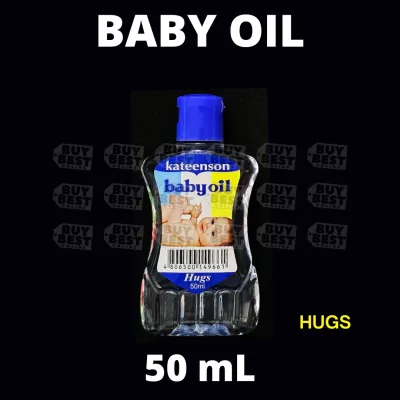
Baby oil or light lotions can be useful if you plan to practice infant massage, which is a wonderful way to bond with your baby. However, these should be used sparingly and only on healthy, unbroken skin. Always opt for mineral-based or specific plant-based oils that are free from added perfumes, and observe how your baby’s skin reacts after the first few sessions.
Optional Products You Can Skip or Delay
Many traditional baby products are not only unnecessary but can also pose health risks to a developing infant. Talcum and traditional baby powders should be avoided entirely due to the risk of inhalation, which can cause respiratory distress in newborns. Modern pediatric guidelines strongly advise against using these powders, as even small amounts of airborne dust can irritate delicate lungs.
Baby perfumes, colognes, and heavily scented lotions are other items to leave off your shopping list. While the classic “baby smell” is highly marketed, synthetic fragrances are among the most common triggers for allergic contact dermatitis and skin irritation. Keeping your baby’s skincare routine scent-free is the safest approach during the first few months of life.
You can also comfortably skip bubble baths, exfoliants, and complex multi-step skincare sets. Bubble baths contain foaming agents that can dry out the skin and irritate the urinary tract, while exfoliants have no place on a newborn’s fragile skin barrier. A simple, minimalist approach is always safer and more cost-effective than a multi-step routine.
How to Evaluate Product Labels for Newborn Safety
Navigating the baby care aisle requires a critical eye, as terms like “natural” or “organic” are often used loosely for marketing. When evaluating product labels, prioritize terms like “fragrance-free” over “unscented,” as unscented products may still contain masking fragrances to hide chemical odors. Look for hypoallergenic designations, which indicate the product is formulated to minimize allergic reactions.
Before applying any new product to your baby’s entire body, it is wise to perform a simple patch test. Apply a tiny amount of the product to a small, clean area of your baby’s skin, such as the inner forearm or behind the knee. Monitor the spot for 24 hours to check for any signs of redness, swelling, or irritation before integrating it into their daily routine.
If your baby shows signs of persistent skin issues, such as severe dryness, scaling, or eczema, consult a pediatrician before purchasing specialized treatments. A healthcare professional can recommend specific therapeutic creams and help you establish a safe routine tailored to your baby’s unique skin needs, ensuring you do not worsen the condition with over-the-counter products.
Signs Your Baby Needs a Product Change
Even when using products formulated for infants, individual sensitivities can still occur. Keep a close eye on your baby’s skin during and after bath time for any visible signs of a reaction. Redness, dry peeling patches, hives, small bumps, or sudden dry scaling are clear indicators that a product may not be compatible with their skin.
Behavioral cues can also signal discomfort during or after product application. If your baby becomes unusually fussy, cries, or tries to rub their skin after you apply a lotion or wash, they may be experiencing a burning or itching sensation. Trust these signs and immediately discontinue the use of the suspected product.
If a reaction occurs, gently wash the area with plain, lukewarm water to remove any remaining product residue. Keep the skin clean and dry, and avoid applying other scented creams or home remedies to the irritated area. If the redness or rash does not improve within a couple of days, or if it appears to cause significant distress, seek professional advice from your pediatrician.
Frequently Asked Questions (FAQ)
How often should I bathe my newborn?
Newborns do not get dirty in the way older children do, so daily baths are generally unnecessary and can dry out their skin. For the first week or two, until the umbilical cord stump falls off and heals completely, stick to gentle sponge baths using lukewarm water and a soft cloth. Once the area is healed, a tub bath two to three times a week is usually sufficient, provided you keep the diaper area clean during daily changes.
Does my newborn need sunscreen?
For infants under six months of age, the general medical consensus is to avoid using sunscreen entirely, as their skin is too thin to process the active ingredients safely. Instead, protect your newborn from the sun by keeping them in the shade, using stroller canopies, and dressing them in lightweight, long-sleeved clothing and wide-brimmed hats. If sun exposure is unavoidable, consult your pediatrician for guidance on safe alternatives.

Community discussion
Share your experience or ask a question. Comments are reviewed before publication.